
Given Ghana’s ongoing infrastructural boom, mining sector growth, and urbanization, starting an excavator wholesale business can be quite successful. However, it is a capital-intensive venture that faces unique local constraints. Below is a structured description of the potential, market drivers, operational considerations, hazards, and a realistic roadmap.
- Why Ghana? Market Demand Drivers. Infrastructure and Construction: The government’s “Year of Roads” initiative, affordable housing projects, and new commercial buildings maintain demand for earthmoving equipment high.
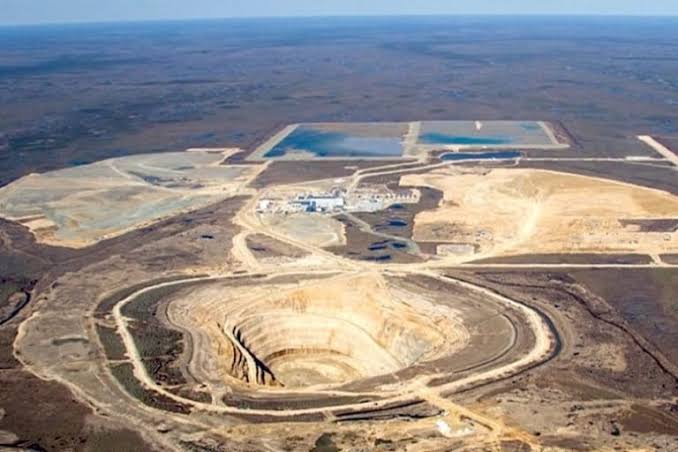
Mining and quarrying: Ghana is Africa’s leading gold producer. Excavators are required for overburden removal, quarrying, and material handling in both large-scale and small-scale/artisanal mines.
Agriculture and Rural Development: Increased demand for dam construction, irrigation canals, and land clearance is driving excavator sales outside urban development.
Second-hand preference: Due to price sensitivity, quality used excavators (5-10 years old) from Japan, Europe, or China dominate the volume market. New equipment sales are controlled by government contracts and international corporations.
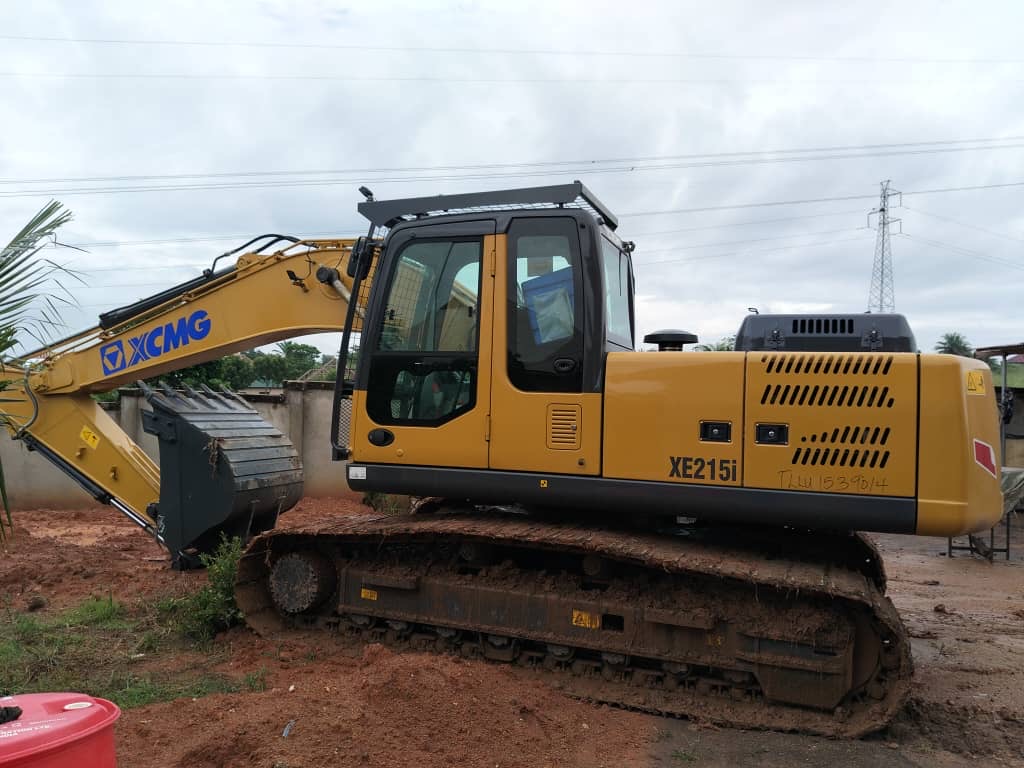
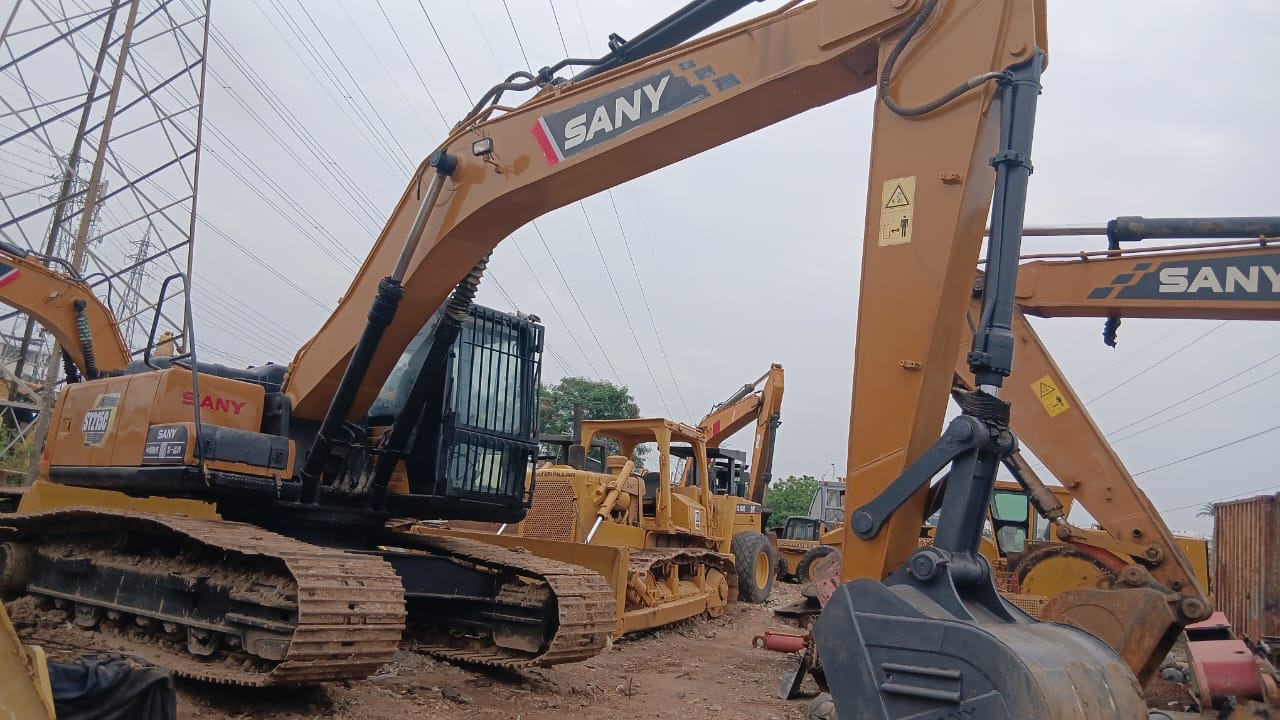
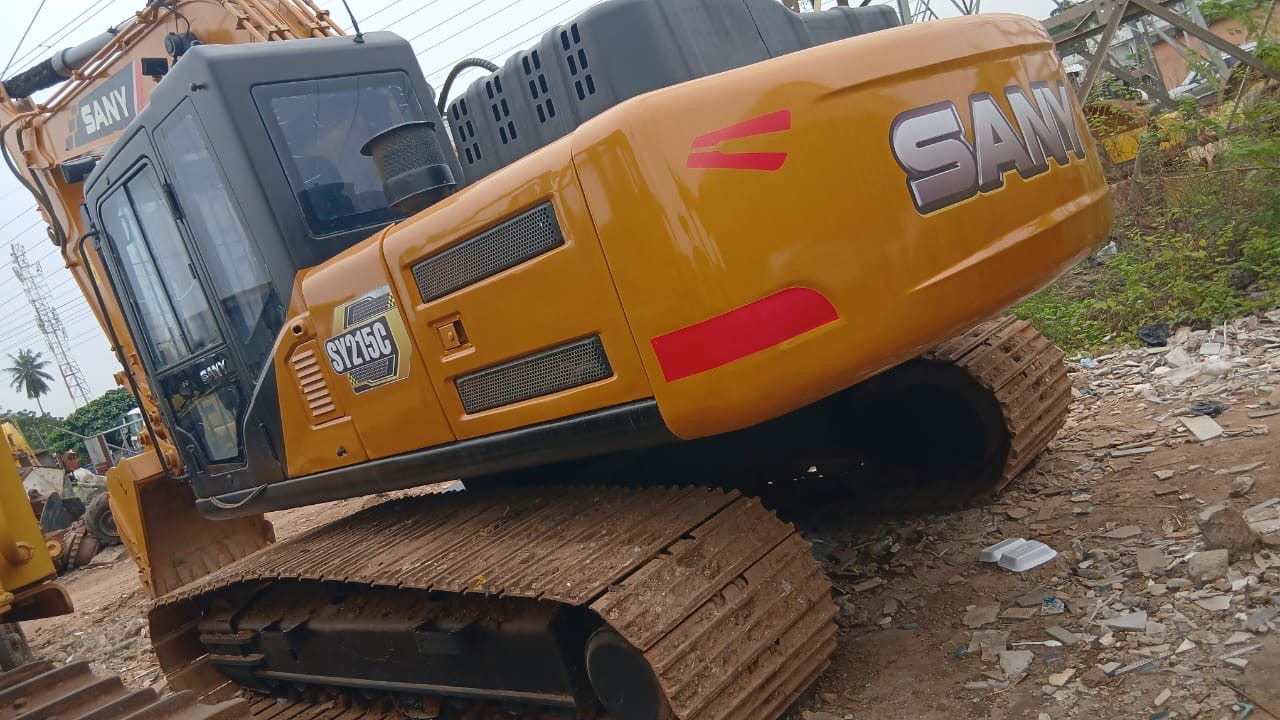
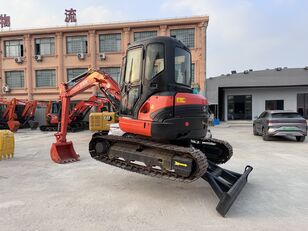
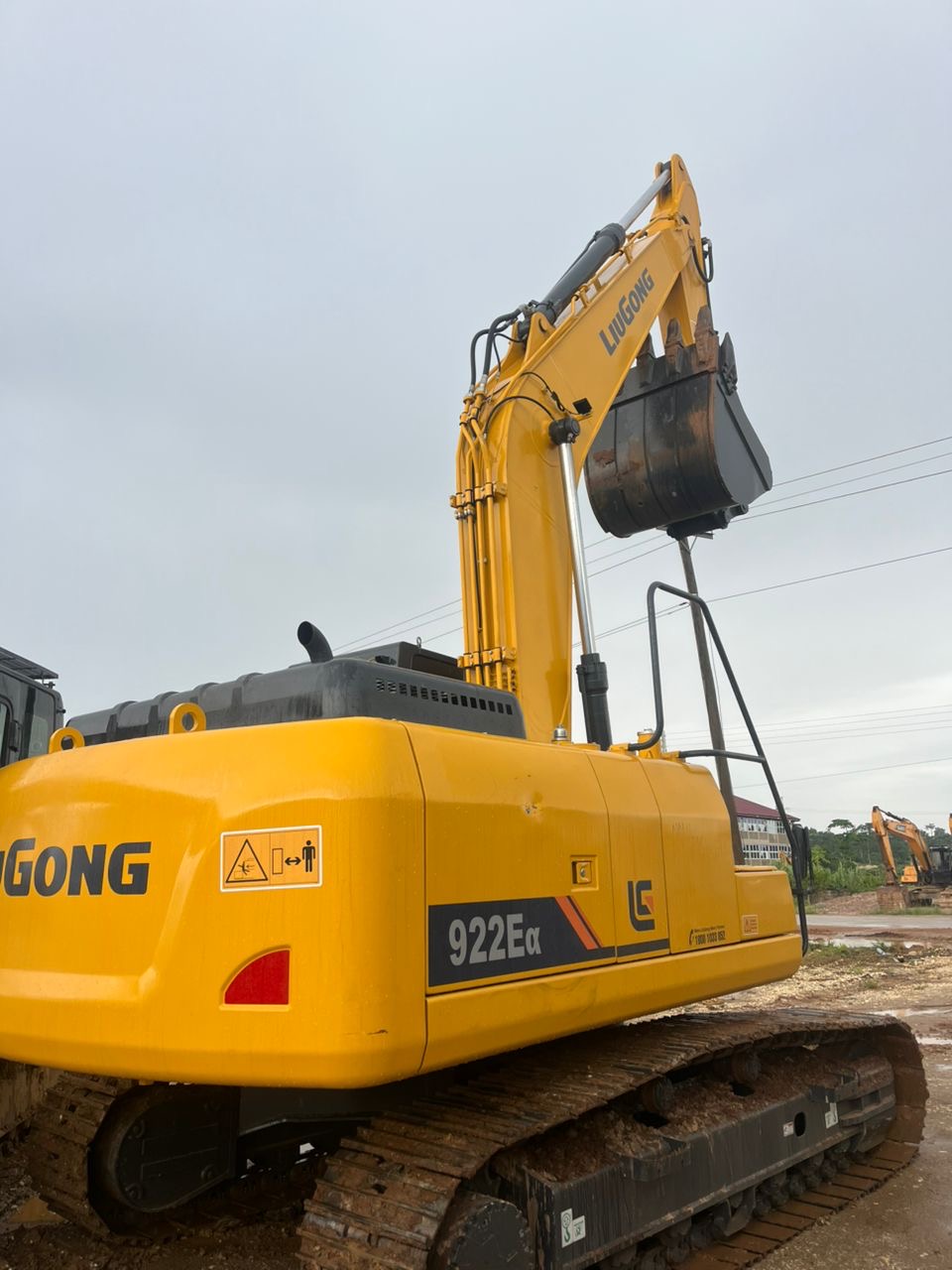
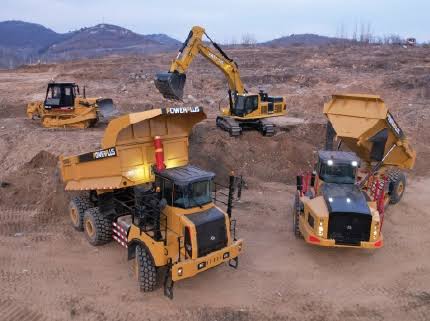
- Excavators in Demand Type: Typical Tonnage, Primary Buyers. Mini excavators (1-7 tons): 1.5T, 3T, and 5T for urban construction, landscaping, and utility contractors. Medium excavators (20-30 tons) for road contractors, building foundations, and general construction. Available in 20T, 22T, 25T, and 30T models. Large excavators (35-50+ tons) are used for mining, heavy quarrying, and major infrastructure projects. Popular brands in Ghana include Caterpillar, Komatsu, Hitachi, Volvo, Doosan, Hyundai, SANY, and XCMG. Chinese companies (SANY, XCMG, and LiuGong) are gaining popularity, owing to competitive pricing and improved quality, particularly in the 20-30 ton range.
- Business Models. a) Pure wholesale (import and resell) Purchase containers or bulk shipments (used or new), clear customs, and then sell to local dealers, contractors, or mines.
Needs a dedicated yard/storage facility in industrial districts like as Tema, Accra (Spintex, Weija), Kumasi, or Takoradi.
a) Wholesale and Rental Many contractors choose short-term rentals or lease-to-own agreements. Owning a rental fleet provides recurrent income and establishes a customer base for future sales.
A 20-ton excavator’s monthly rental pricing ranges from $3,500 to $6,000, depending on condition and hours.
d) Dealership or Exclusive Distributorship Join forces with a lesser-known Chinese or Indian manufacturer to become an authorized distributor in Ghana. Profit margins are better, but you must provide after-sales service, spare parts, and warranty support.
- Sourcing and Import Logistics. Major sources:
Japan/Korea: High-quality used equipment at reasonable costs (via USS, YAHOO Japan, or trade companies).
Europe (Netherlands and Germany): Good quality, easier logistics, slightly higher cost.
China offers both new (SANY, XCMG, SDLG) and refurbished secondhand machinery. Cheapest per unit, but quality varies dramatically—inspection is critical.
Shipping options include roll-on/roll-off (RORO) for wheeled excavators and containerized or breakbulk for tracked machines. The transit duration from Asia to Tema Port is approximately 30-45 days.
Inspection: Never buy something without seeing it first. Check the hours, hydraulics, undercarriage, and engine condition with a third-party inspection company (such as SGS, Bureau Veritas, or a trusted local representative at the point of origin).
- Import Duties, Taxes, and Compliance. Ghana employs the Harmonized System (HS) and the Ghana Revenue Authority (GRA) with the UNIPASS clearance system. Excavators fall under HS category 8429.
Estimated costs for CIF value (cost, insurance, and freight):
Import duty: 5%–10% (depending on categorization and age)
VAT: 12.5% (on CIF plus duty)
National Health Insurance Levy (NHIL): 2.5%.
GETFund: 2.5 percent.
ECOWAS levy: 0.5 percent
Other charges include inspection fees, network charges, and so forth.
For construction equipment, the total effective duty and tax burden is typically between 20% and 28% of the CIF value.
Tip: Use a competent clearing agency in Tema; delays and demurrage fees can quickly deplete margins if paperwork is not properly handled. Age restrictions: While Ghana normally does not prohibit the selling of used equipment above a specific age, machinery older than 10-12 years may face increased scrutiny and a reduced resale value.
- Financing and Payment Terms Working finance is the most significant barrier. A single shipment of 4-6 secondhand 20-ton excavators could cost $150,000 to $350,000 CIF. You will require a large amount of upfront funding or trade finance.
Seller credit: Some Chinese suppliers accept a 30% deposit, 70% against a copy of the bill of lading, or even deferred payment with credit insurance. European/Japanese merchants typically want full payment before shipment.
Local financing: Ghanaian banks charge high interest rates (25-35% per year), making borrowing expensive. If you plan to scale, search for development finance institutions (DFIs) or impact investors interested in equipment leasing.
Customer financing: Offering hire-purchase to local contractors (with appropriate collateral such as post-dated checks, personal guarantees, or GPS trackers on machinery) might result in a higher pricing and 20-30% interest on the funded amount.
- Competitiveness and Pricing Established dealers include Caterpillar (Mantrac), Volvo (MTG), Komatsu (SMT), and CFAO Equipment. They monopolize new equipment, service contracts, and formal mining.
Used equipment traders: There are numerous small-scale importers in Tema and Accra who sell single items. The margins are modest, ranging from 8 to 15% per unit.
Chinese entrants: SANY and XCMG have direct dealerships that offer new equipment with financing at 30-40% lower prices than Caterpillar/Komatsu.
Pricing benchmarks (used, decent condition, and CIF Tema):
Excavators weighing 20 tons (Cat 320D, Komatsu PC200-8, Hitachi ZX200-3) cost between $35,000 and $55,000.
Resale value in Ghana ranges from $50,000 to $80,000, based on hours, maintenance, and brand.
Mini excavators (3-5 tons): $10,000 to $20,000 CIF; resale price $18,000 – $30,000.
- Key Success Factors and Operational Tips. After-sales service gains business. Ghanaian buyers place a high emphasis on maintenance support and spare parts availability. Even if you’re a wholesaler, collaborate with an independent workshop or engage a skilled technician to provide pre-delivery inspections and warranties (such as a 30-day engine/hydraulic warranty).
The undercarriage condition is everything. The abrasive terrain of Ghana wears out track chains, sprockets, and rollers quickly on used tracked excavators. Machines with over 5,000-6,000 hours may require an undercarriage replacement shortly, which costs $5,000-$10,000 and reduces resale value. Purchase units with good undercarriage or calculate replacement into pricing.
Create a yard in an industrial hub. The proximity to Tema (port) or Kumasi (a hub for mining and agriculture contractors) is beneficial. The yard functions as a showroom, storage facility, and service center.
Develop contacts with Chinese contractors. Many Chinese infrastructure businesses are active in Ghana (roads, bridges, dams). They frequently choose to purchase or lease equipment from trusted countrymen or partners who can obtain Chinese-branded machinery and offer Mandarin-speaking service.
For leased units, use GPS or telematics. Reduces the danger of default by allowing you to remotely shut the equipment if payments stop.
Make transparency a priority. Auction documents (Japan), service history, and correct hour-meter readings establish trust and set you apart from the many traders selling “clocked” equipment.
- Major Risks and Mitigation. Risk Mitigation Currency volatility (GHS depreciation).Price in USD or link GHS price to the dollar exchange rate; convert funds rapidly; keep minimal GHS holdings. Payment defaults by purchasersUse hire-purchase agreements, post-dated checks, and personal guarantees; for major transactions, require a bank guarantee or sell to government contractors via a confirmed LPO (Local Purchase Order) sponsored by their bank. Low-quality importsMandatory pre-shipment inspection; purchase only from reputed auction houses or approved suppliers; engage a mechanic in Ghana to recondition and certify each item before to sale. Customs delays/demurrageEngage an experienced, well-connected clearing agent; and ensure that all paperwork (BL, invoice, packing list, FERI/ECTN certificate) are completed precisely and on time. To cope with economic downturns and project delays, diversify your customer base to include construction, mining, and agriculture. Maintain a rental fleet that provides income even during slow sales. To prevent equipment theft, put concealed GPS trackers on rental or financed devices and ensure adequate insurance coverage.
- Practical Entry Roadmap (First 6–12 Months) Market validation tour (2-3 weeks): Visit Tema port, Spintex Road equipment yards, Kumasi magazine area, and speak with contractors, dealers, and clearing agents. Understand which tonnages and brands are moving the fastest.
Legal setup includes registering a firm with the Registrar General’s Department, obtaining a Tax Identification Number (TIN), and registering for VAT if annual turnover exceeds GHS 200,000. Create a USD and GHS corporate bank account.
Sourcing partnership: Identify 2-3 dependable suppliers in Japan, Europe, or China. Start with a modest pilot shipment of 2–4 units (combination of mini and 20-ton) to test the logistics, clearance, and market response.
Yard and after-sales: Reserve a modest yard/warehouse with a workshop area. Hire a skilled excavator mechanic. Pre-sell or arrange rental contracts before the machines arrive, if possible.
Sales and marketing: Utilize personal networks, trade associations (Ghana Chamber of Construction Industry), online platforms (Jiji.com.gh, Tonaton.com, Facebook marketplace groups for heavy equipment), and site visits.
Scale: Once the initial shipment is profitable, reinvest and progressively raise volume. Consider a franchise/dealership or a full maintenance leasing model for major mining clients.
Conclusion: Is It Worth It? Yes, given the appropriate plan. Ghana’s excavator market is looking for high-quality secondhand machines that fill the gap between expensive new Western/Japanese equipment and unreliable low-cost Chinese models. A wholesaler who provides inspected, work-ready machines with a basic guarantee and access to spare parts can charge a premium and establish a loyal customer base.
Success will be determined more by sourcing discipline, import cost management, and gaining trust in the local market than by the “idea”. If you can contribute $200,000-$500,000 in risk capital, have a boots-on-the-ground partner in Ghana, and treat after-sales support as a priority (rather than an afterthought), the business model offers great cash flow potential and room to grow into a regional equipment powerhouse.