
Heavy equipment imported into China is subject to customs duties and taxes, which are primarily determined by the product’s Harmonized System (HS) code. The costs generally consist of an import tariff and a Value-Added Tax (VAT). For most countries, the “Most-Favored-Nation” (MFN) rate applies, though many countries benefit from even lower rates under Free Trade Agreements (FTAs). For 2025, the average import tariff rate for machinery is approximately 8.7%.
📊 Key Import Duties and Taxes The table below summarizes the taxes and duties you can expect:
Tax/Duty Type Typical Rate Calculation Basis Notes Import Tariff (MFN) Varies by HS code, typically 0-15% CIF Value (Cost, Insurance, Freight) Core customs duty. The exact rate depends on the specific machinery. Value-Added Tax (VAT) 13% (CIF Value + Import Tariff) Standard rate for imported machinery. Consumption Tax 0% N/A Generally not applicable to heavy equipment. Important Note on Surcharges: The above figures are basic taxes. The total cost of importing can also include customs brokerage fees (typically 0.12% – 0.35% of the CIF value), port handling fees, and other administrative charges which are not included in the estimates above.
🏗️ Examples for Common Heavy Equipment To give you a clearer picture, here are the MFN import tariff rates for some common types of heavy machinery, based on their HS codes. A full list of codes and rates is available in China’s official tariff schedule.
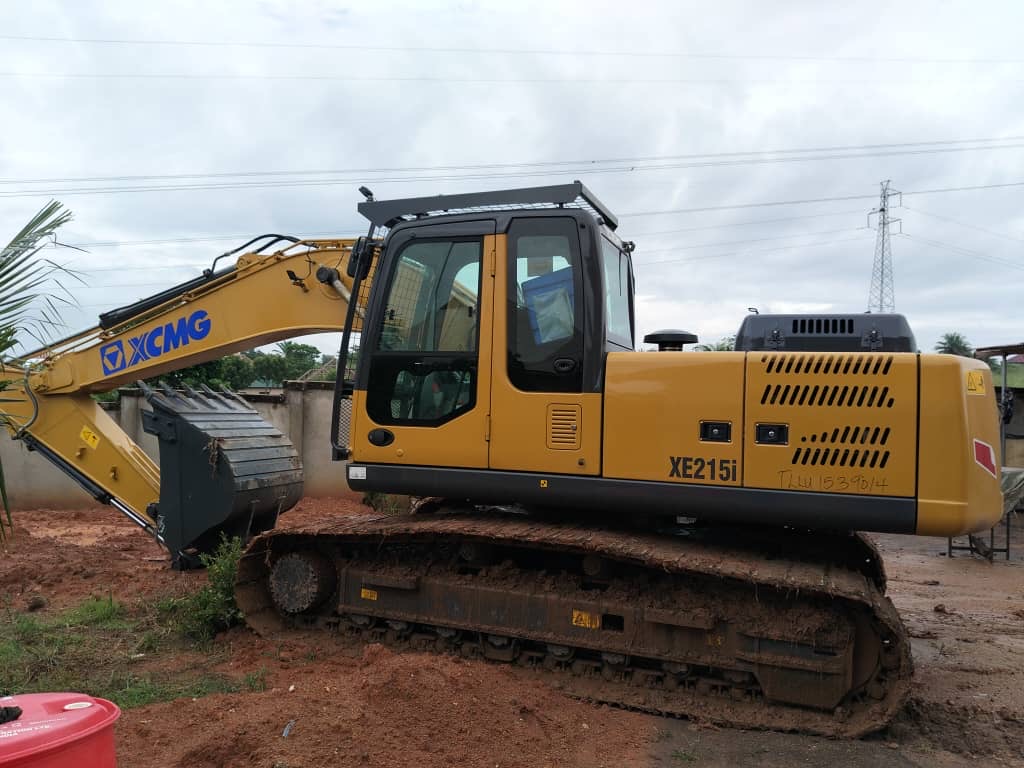
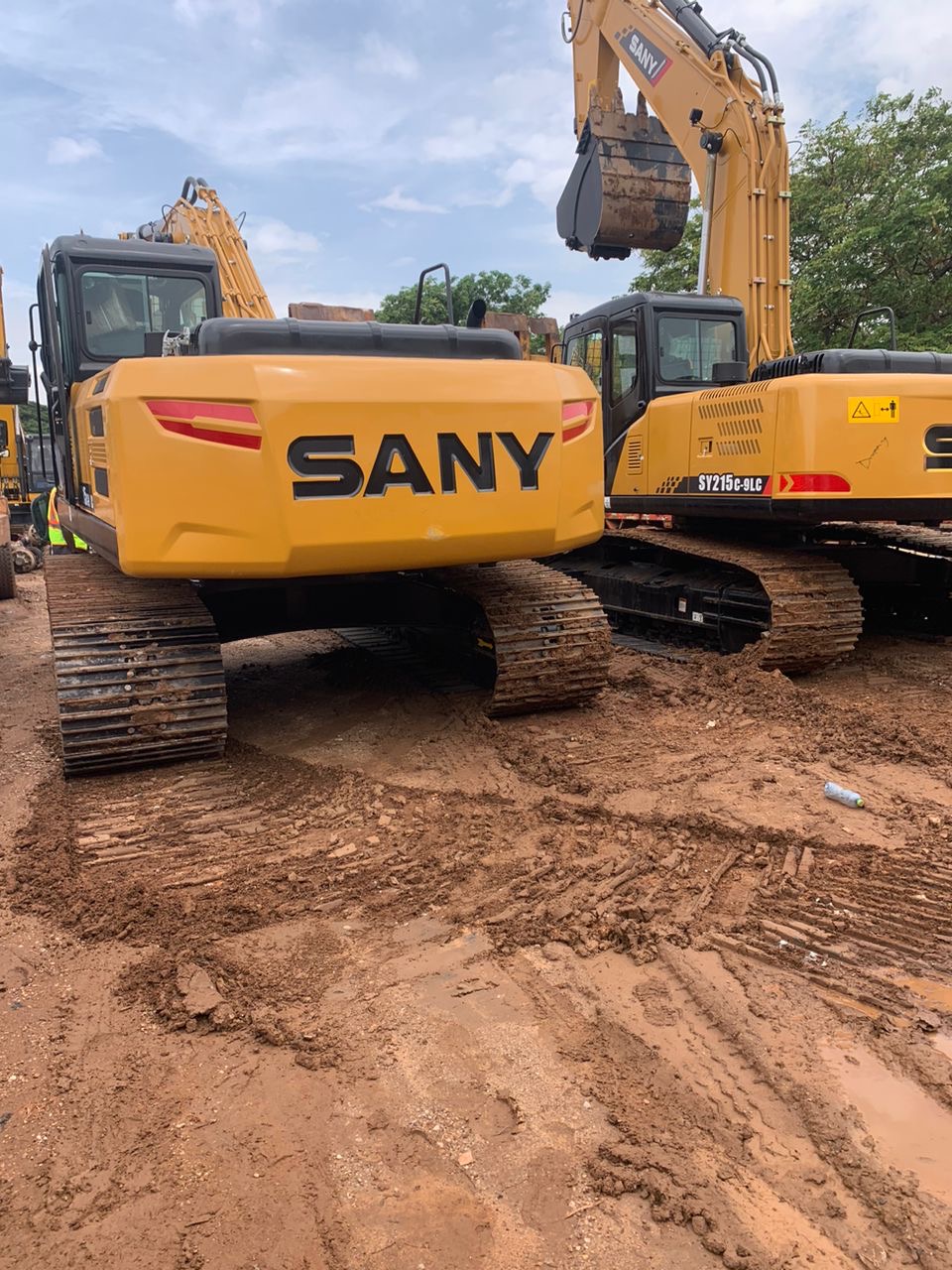
Equipment Type Example HS Code MFN Import Tariff Rate Crawler Excavators 8429.5212 8.0% Other Excavators & Loaders 8429.5900 8.0% Crawler Bulldozers 8429.1190 8.0% Bulldozer/Angledozer Blades 8431.4200 6.0% Tower Cranes 8426.2000 10.0% (MFN Interim Duty) Other Cranes (e.g., crawler cranes) 8426.4XXX 6.0% For less common equipment: The “General Tariff Rate” (e.g., 30% for many machines) applies only to imports from countries without normal trade relations with China.
💰 What Influences Your Final Duty Rate? Several factors can significantly alter the final duty rate you pay:
Country of Origin: The most important factor. MFN rates apply to WTO member countries. Lower or zero rates may apply under an FTA. Conversely, political tensions can lead to additional tariffs. For example, Chinese-made cranes face significant additional tariffs when exported to the US.
Product Specifics: The HS code classification, based on factors like engine power or self-propelled capabilities, determines the exact duty rate.
Temporary Policies: China may implement “Interim Import Duties” for certain products, which are often lower than the standard MFN rate. For instance, tower cranes have a standard MFN rate of 15%, but an interim rate of 8% is in effect in 2025.

Trade Agreements: China has numerous FTAs (e.g., with ASEAN, South Korea, Switzerland) that can significantly reduce or eliminate import duties.
📝 A Practical Guide for Importers If you are planning an import, following these steps will help ensure compliance and cost-effectiveness:
Determine the Correct HS Code: This is the most critical step, as it determines your duty rate. The HS code for heavy equipment is typically found in Chapter 84 (Nuclear reactors, boilers, machinery and mechanical appliances) or 87 (Vehicles other than railway or tramway rolling stock). If you’re unsure, a customs broker can provide a binding ruling.
Calculate Total Landed Cost: The total cost goes beyond the purchase price. You should model all costs, including:
Product cost
International freight and insurance (CIF value)
Import tariff
VAT (13% of CIF + tariff)
Customs brokerage and port fees
Verify Country of Origin: Confirm your product qualifies for preferential duty rates under an FTA if applicable.
Prepare Documentation: Have all necessary documents ready, including the commercial invoice, bill of lading, packing list, and, if claiming preferential treatment, a valid Certificate of Origin.
💎 Summary and Final Advice While the standard MFN import tariff for heavy machinery in China averages around 8.7%, this is a starting point. The final rate is highly dependent on the specific product’s HS code and its country of origin.
To get an accurate estimate, I recommend working with a licensed Chinese customs broker. They can navigate the complexities of HS code classification and ensure you benefit from all applicable tariff reductions, such as those from free trade agreements. You can also refer to the official 2025 China Tariff Adjustment Plan for detailed information. A great first step is to search for “China Customs HS code for [Your Product Name]” to get a preliminary classification.