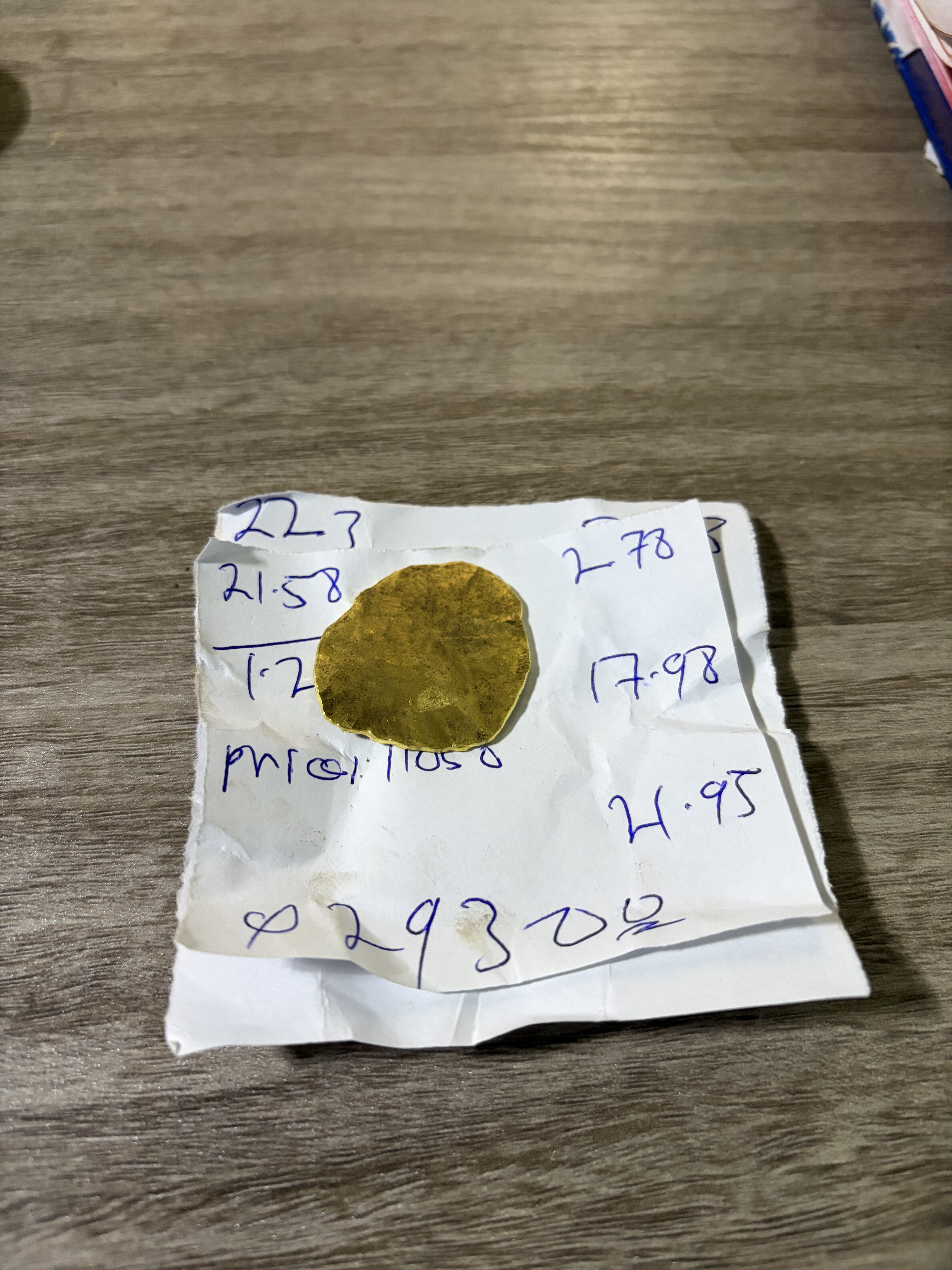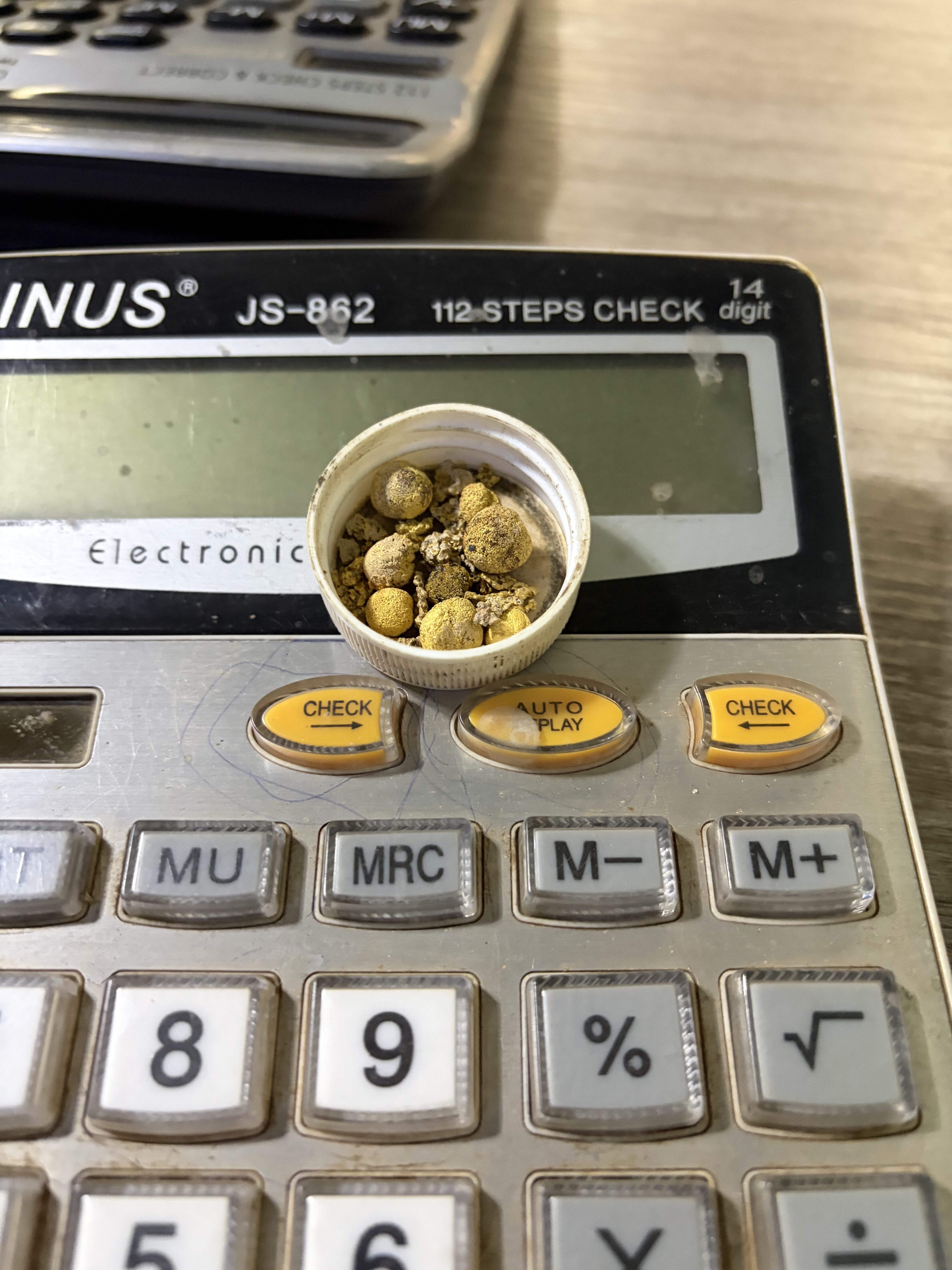

As rising oil prices and a stronger US dollar strengthened views that the Federal Reserve could need to maintain restrictive monetary policy for an extended period of time, gold fell on Friday and was poised for a second consecutive weekly decline.
By 0222 GMT, spot gold had down 0.4% to $4,522.89 an ounce, making it roughly 0.3% lower for the week. Additionally, US June gold futures dropped 0.4% to $4,524.40.
Bullion became more costly for customers using other currencies as the dollar remained close to a six-week high. At a time when investors are reevaluating the forecast for US inflation and interest rates, that has increased pressure on gold.
In times of market crisis, gold is typically viewed as a store of value and a hedge against inflation. However, because bullion has no yield, increased interest rates tend to make it less appealing.
Bullion is impacted by the strength of the dollar.
Expectations that borrowing prices may stay high and the resurgence of dollar strength have been the primary drags on gold.
“The stronger dollar, which in turn is being elevated by ongoing high interest rates pretty much around the world, has been driving gold lower,” Marex analyst Edward Meir stated in remarks reported by Reuters.
A rate increase by the Federal Reserve before the end of the year is currently priced in by markets. A 60% possibility of a shift by December was indicated by CME Group’s FedWatch program.
As investors consider whether inflation pressures are severe enough to compel the Fed to take a more restrictive approach, that change has weakened demand for gold.
Higher rates can attract capital to yield-bearing assets like bonds and raise the opportunity cost of keeping bullion.
Concerns about inflation are increased by oil prices.
The gold forecast is also influenced by the energy markets.
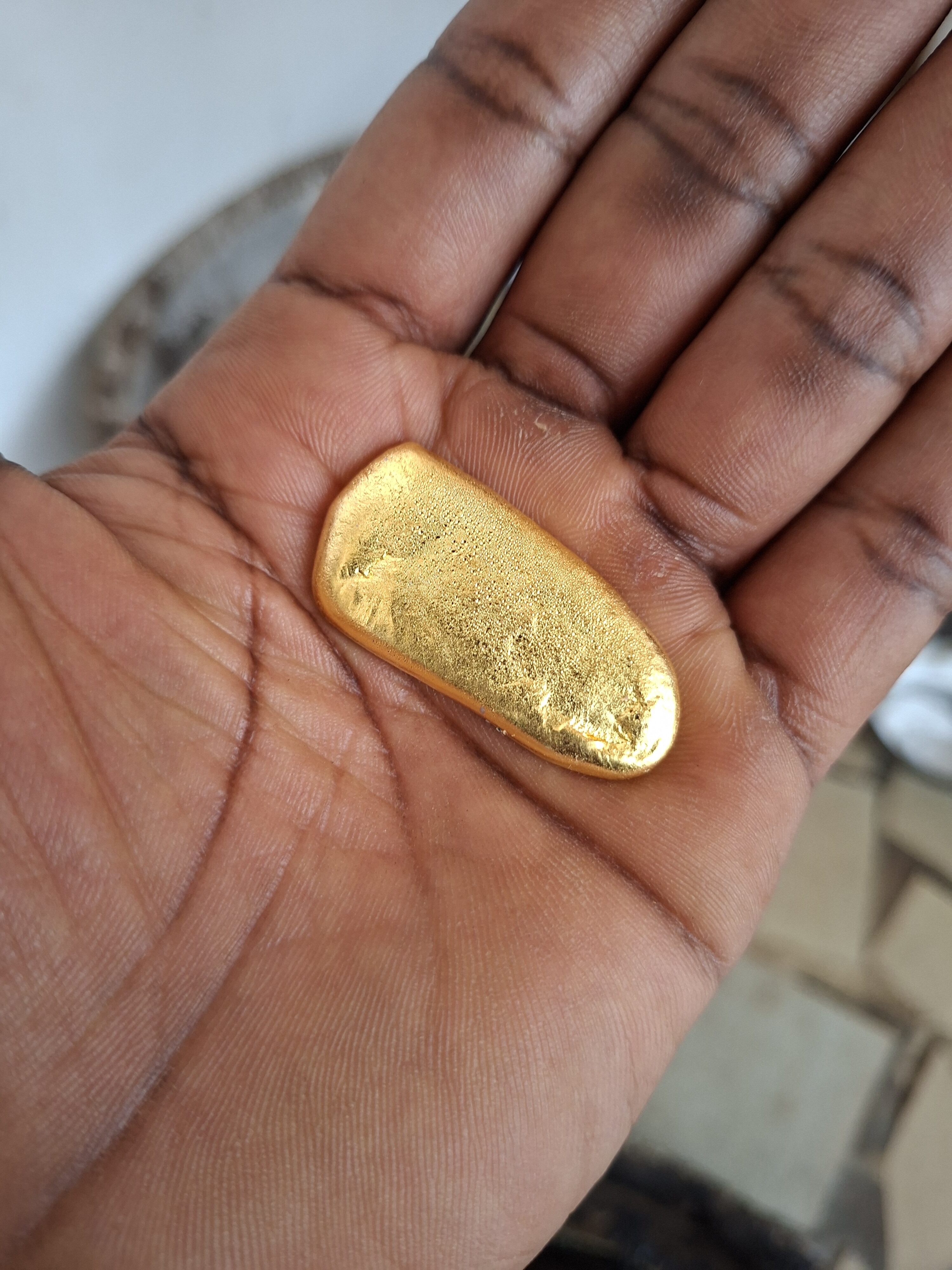
As investors questioned whether the US-Iran negotiations would result in a breakthrough that could reduce tensions in the Middle East, oil prices increased.
Although Tehran’s uranium stockpile and control over the Strait of Hormuz continued to be major issues of contention, US Secretary of State Marco Rubio claimed there had been “some good signs” in talks.
One of the most important routes for international oil exports is the Strait of Hormuz. Any interference with the waterway’s flows could increase energy costs and heighten worries about inflation.
This is significant for gold because ongoing inflation can both boost demand for havens and encourage central banks to maintain higher interest rates.
The usual inflation-hedge attractiveness of bullion seems to be overshadowed in the current market by the rate impact.
Fed signals are still important.
For guidance, investors are also keeping an eye on Federal Reserve activities.
Kevin Warsh will be sworn in as chair of the Federal Reserve by US President Donald Trump on Friday at the White House, according to the administration.
Separately, Richmond Fed President Thomas Barkin stated that whether the central bank can ignore the present high inflation or must take additional rate rises into consideration will depend on how businesses and consumers react to ongoing economic shocks.
The remarks highlight how uncertain the policy picture is.
In the upcoming weeks, traders will probably continue to pay attention to forthcoming inflation data, labor market signs, and Fed rhetoric.
Other precious metals are traded in mixed
On Friday, additional precious metals were mixed.
Although silver dropped 0.7% to $76.18 per ounce, it was still expected to gain 0.4% per week.
Palladium fell 0.5% to $1,371.90 and platinum fell 1% to $1,945.97. Weekly losses were anticipated for both palladium and platinum.
For the time being, geopolitical uncertainties, which typically encourage haven assets, and a stronger currency, which still has an impact on demand, continue to trap gold.
Bullion may find it difficult to regain pace unless the dollar declines or rate-hike prospects lessen.