
The European Union has formally shortlisted tungsten, rare earths, and gallium for its first-ever common strategic stockpile in an effort to challenge China’s hegemony in vital raw materials. This plan is the bloc’s most significant step to date in ensuring its economic and defense security and creating a buffer against supply disruptions. Here are the essential details for a thorough briefing:
🎯 Stockpile Shortlist: The Top Three & Prospects Materials essential for semiconductors, the energy transition, and military will be the main emphasis of the stockpile’s initial iteration:
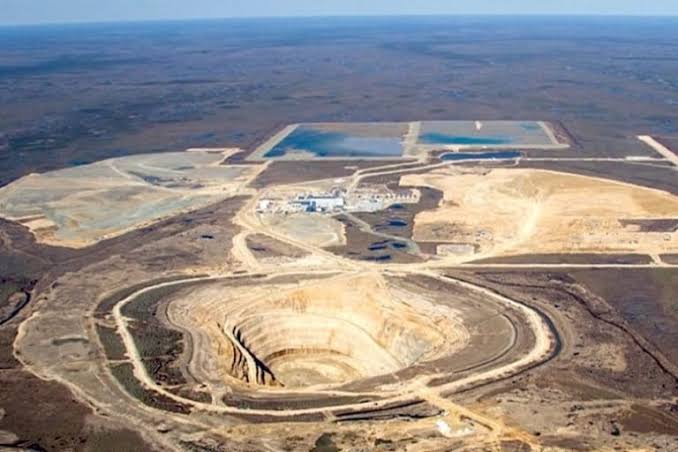
Tungsten: The UK’s “Tungsten West” project in Devon has been chosen as a key initiative to extract this metal, which is essential for aerospace and military.
The EU seeks to secure rare earths and gallium, with a distinct focus on the high-tech and defense industries.
The EU is thinking about adding graphite, magnesium, and germanium to the stockpile in addition to the first three. With the exception of magnesium, the most of these minerals are included in NATO’s list of 12 elements that are essential to the defense sector.
🛠️ The Action Plan: How It Will Operate A larger plan to safeguard Europe’s supply systems includes the stockpile as a crucial element:
Creating a Central Hub: To manage stocks, organize cooperative purchases, and offer market intelligence, the European Commission will establish the European Critical Raw Materials Center.

Financial Support: The RESourceEU Action Plan, which aims to obtain alternative suppliers and expedite projects, has received €3 billion from the EU. Additionally, a stockpile pilot program is scheduled to launch in early 2026.
Supply Diversification: The EU is actively looking for new suppliers outside of China. In addition to European initiatives, 13 new strategic projects have been initiated in Canada, Greenland, Norway, Serbia, Ukraine, and Zambia. Graphite will come from Greenland and Ukraine, while rare earths will be processed in Malawi and South Africa as part of a major initiative.
Infrastructure Plans: The EU is actively negotiating with important ports, such as Rotterdam in the Netherlands (the largest port in the region), to physically store these stockpiles.
⚠️ The Motivation: Export Restrictions & China’s Supply Domination China’s increasing dominance and control over these supply chains is the direct cause of the EU’s urgency:
Dominance in Processing: China provides 100% of the heavy rare earths used in the EU’s permanent magnets and controls more than 90% of the world’s rare earth magnet processing capacity.
Escalating Controls: China has imposed a number of export restrictions, such as limitations on a number of rare earth elements and a “one-item, one-certificate” system for tungsten products, which resulted in a 13.1% year-over-year decline in shipments in early 2025.
External Dangers: The EU has international concerns. For example, the United States’ $12 billion “Project Vault” strategic minerals store was established in February 2026, underscoring a global trend toward resource protectionism.
🤔 Obstacles & Prospects: An International Rivalry The strategy is a clear step forward, but there are still many obstacles to overcome.
EU Dependency: The stockpile serves as a safety net rather than a remedy. China continues to supply the EU with 97% of its magnesium and all of the heavy rare earths needed to make magnets.
Missed Goals: There has already been a delay in progress. The 2030 aims for domestic extraction (10%), processing (40%), and recycling (25%) are deemed “out of reach” by officials. Diversification attempts have “yet to produce tangible results,” according to auditors.
Learning from Japan: Japan, which used its JOGMEC agency to cut its reliance on China for rare earths from 90% to 60–70% following a supply shock in 2010, served as a direct model for the EU.
The EU’s ability to convert its ambition and financial commitment into concrete supply chains will ultimately determine the success of its strategic stockpile and lessen its crucial susceptibility to outside pressure. Global economic security is now permanently impacted by the competition to obtain these essential resources.