
The global gold industry is facing a profound supply-side dilemma. While 2025 saw record mine production of over 3,672 tonnes and exploration budgets surged 11% to $6.2 billion, the headlines mask a deepening structural crisis: major new discoveries are drying up, development pipelines are clogged, and the world may be nearing the end of conventional “easy” gold mining.
📉 The Core Crisis: A “Discovery Deficit”

The most alarming trend is the collapse in the discovery of new, economically viable deposits. S&P Global has stated that no major new gold deposits were found in 2023 or 2024. This “discovery deficit” is driven by several interconnected factors:
- Fewer and Smaller Finds: Since 2020, only six major discoveries have been made, with an average size shrinking to 4.4 million ounces (Moz), down from 7.7 Moz in the previous decade. The new discoveries since 2020 amount to just three months of annual global production.
- Risk Aversion in Exploration: Major miners are prioritizing safe “brownfield” sites near existing mines over high-risk “greenfield” exploration. This shift is driving grassroots exploration to an all-time low of just 21% of budgets. This preference for low-risk investment is creating a “pipeline crunch” for future mines.
- Stagnating Production vs. Rising Demand: Global mine production has essentially plateaued around 3,600 tonnes annually since 2018. In stark contrast, demand in 2025 surpassed 5,000 tonnes for the first time, driven by record central bank purchases and investment flows.
- The Gap: This persistent supply-demand gap has had to be filled by above-ground recycled gold, which accounted for 28% of supply in 2025.
⏳ The Long Road Ahead: Why Production Can’t Keep Pace
New mines are incredibly slow and costly to develop.
- Long Lead Times: Bringing a new mine from discovery to production typically takes 15 to 20 years.
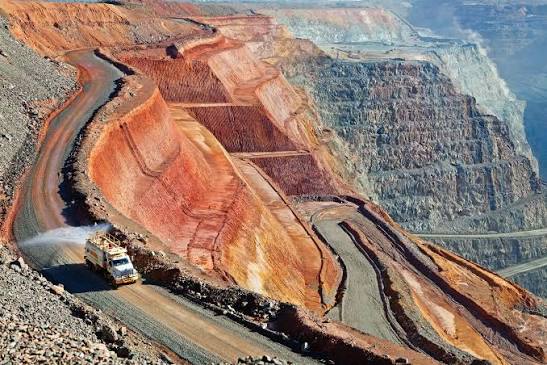
- Operational Drag: Existing mines are aging, and ore grades are declining. To extract the same amount of gold, miners must process more rock, escalating costs and environmental footprints.
- ESG Hurdles: Stricter environmental regulations, community opposition, and permitting delays are making many projects unviable. A prime example is Alaska’s Pebble Project, which remains stalled despite being the world’s largest undeveloped gold resource.
📈 Consequences for the Market
These supply constraints have directly impacted prices and market dynamics.
- Price Surge: The lack of new discoveries has contributed to gold’s historic price rally to over $5,500/oz in early 2026.
- Peak Gold?: The World Gold Council forecasts that global mine production will peak around 2027-2028, followed by a gradual, long-term decline.
- Massive Deficits: The supply shortage is not just a future risk; it is already occurring. Silver is in a deepening supply deficit, estimated at 200 million ounces in 2025 and potentially rising to 300 million ounces in 2026, marking the sixth consecutive year of shortage. This parallels the tightness being felt across precious metals markets.
🔮 A Glimmer of Hope? The Case for Optimism
Despite the bearish supply outlook, there are two significant factors that prevent this from being a simple story of inevitable shortage.
- The Counterargument: A “Shale Moment”? High prices incentivize innovation. As one finance expert noted, the current supply crunch mirrors the oil market before the shale revolution, which ultimately led to a surge in supply and lower prices. However, unlike oil, gold has no “fracking” equivalent, so any supply response will likely come from incremental technological gains rather than a single breakthrough.
- Why Total Supply Won’t Run Out: The World Gold Council provides two key reasons to dismiss fears of total physical depletion:
- Massive Above-Ground Stocks: Gold is virtually indestructible. Total above-ground gold (e.g., jewelry, bars, coins) is estimated at a staggering 219,891 tonnes. This acts as a buffer, as high prices can draw this gold back into the market.
- Dynamic Reserves: The estimated economically mineable reserves of ~54,770 tonnes may sound limited, but high prices make it profitable to extract from lower-grade ores, effectively converting non-economic “resources” into viable “reserves”.
💎 Summary
The global gold industry is navigating a pivotal transition. The era of large, easy-to-find deposits is over, replaced by a landscape of high costs, long lead times, and geological scarcity. While this points to a future of elevated and potentially volatile prices, the massive stock of existing gold and the dynamism of the resource base ensure the world is far from running out. The primary challenge for the 2020s will be bridging the widening gap between constrained new supply and relentless investor demand.