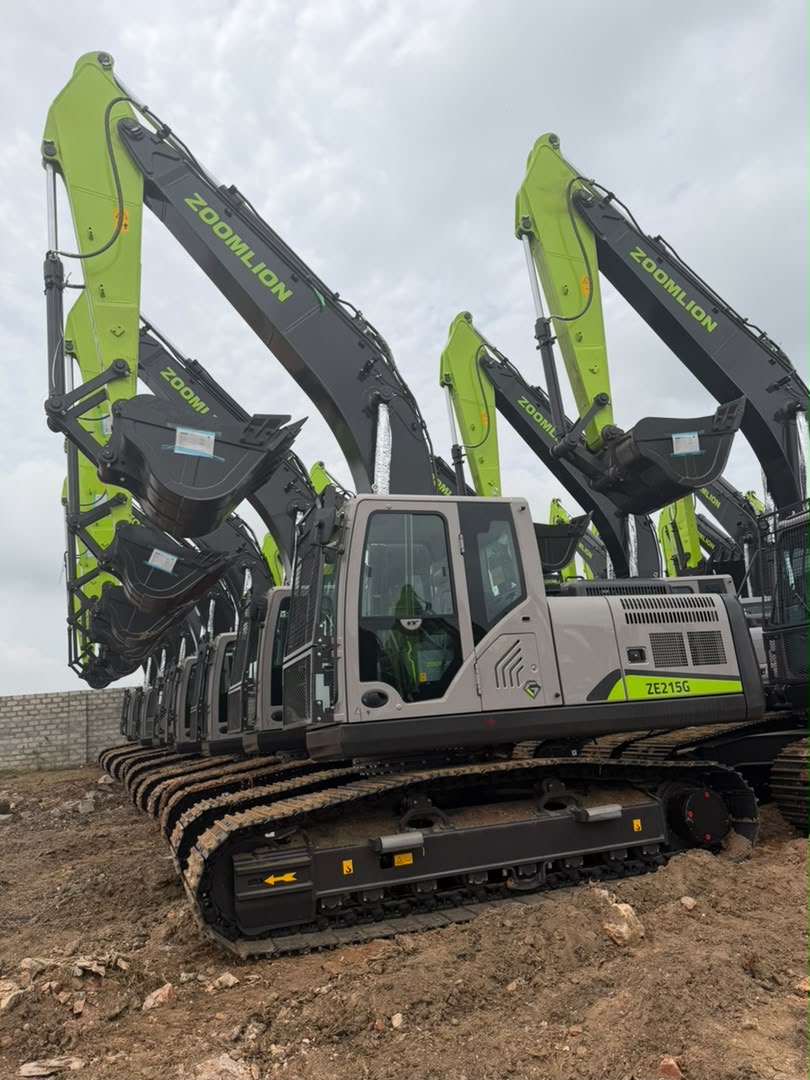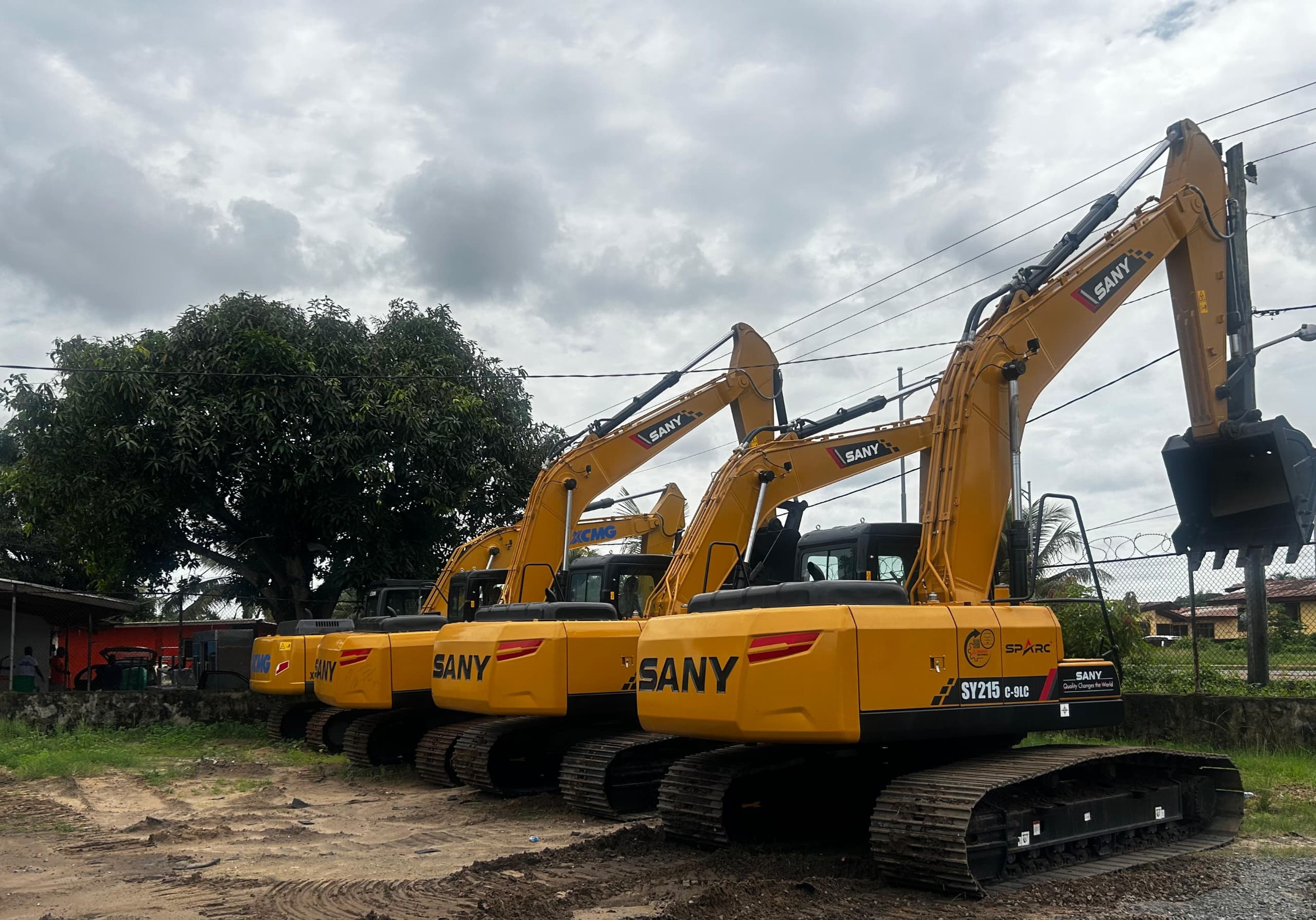

Here is a comprehensive analysis of the construction equipment market in Japan, covering market size, structure, drivers, trends, competitive landscape, and outlook.
🇯🇵 Japan Construction Equipment Market Analysis
1. Market Overview
- The Japan heavy construction equipment market was valued at ~USD 5.3 billion in 2025 and is projected to reach ~USD 7.4 billion by 2034, growing at a CAGR of ~3.7%
- The rental segment is also significant, expected to grow from USD 6.0 billion (2022) to ~USD 8.0 billion by 2029 (4.1% CAGR)
- Subsegments:
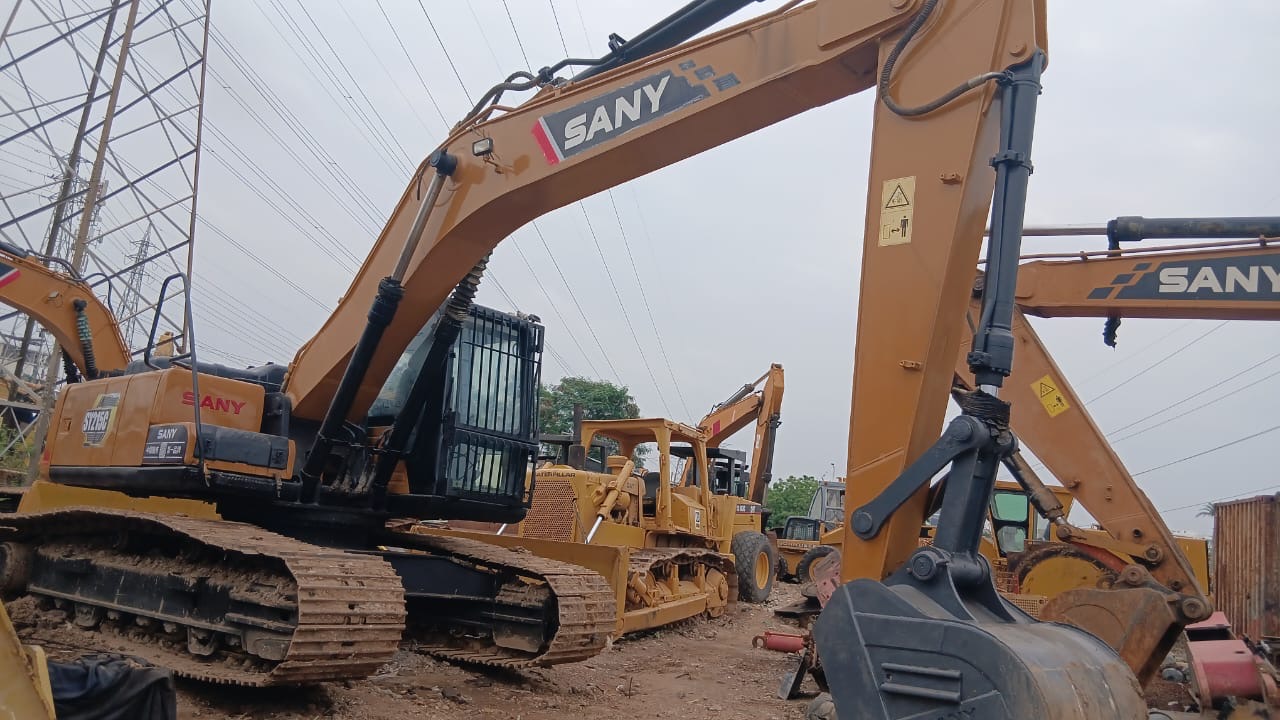
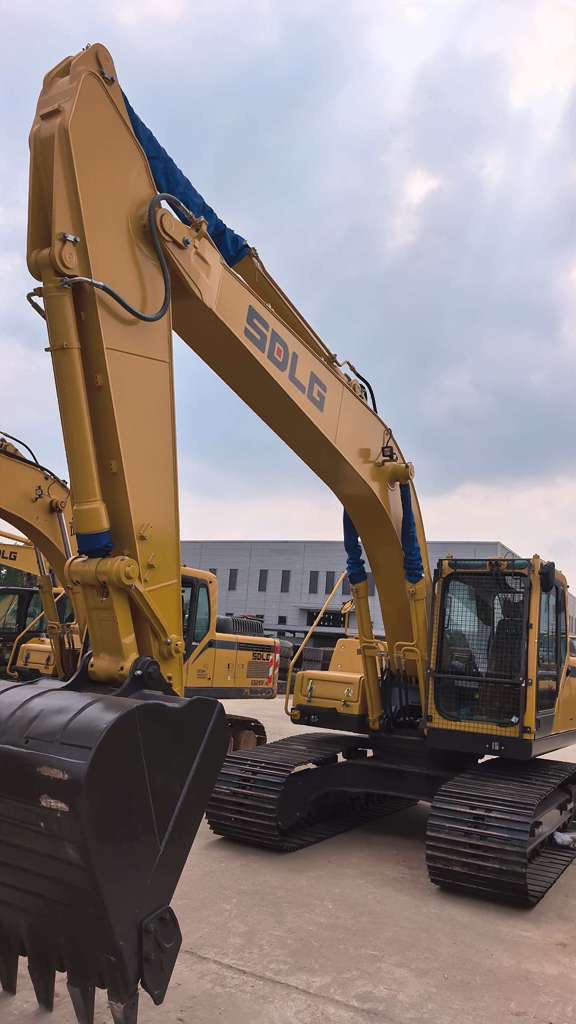
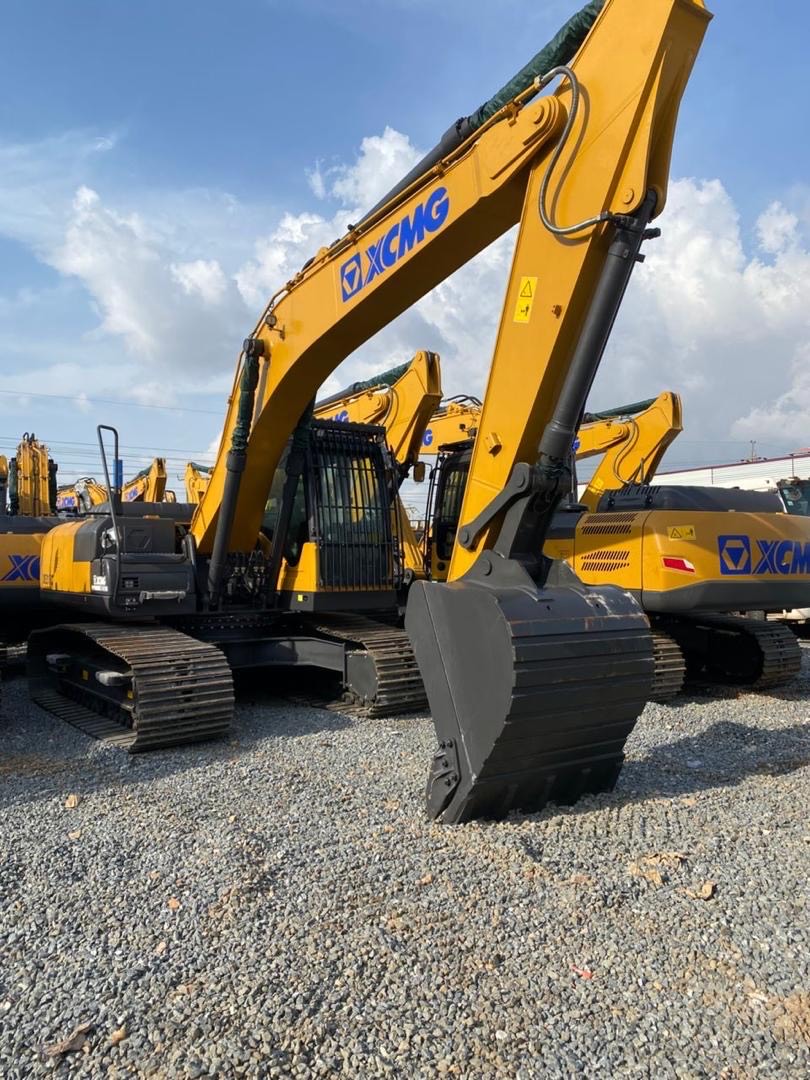
- Excavators (largest segment; ~¥300 billion annually)
- Earthmoving equipment
- Material handling equipment
- Road construction machinery
👉 Japan is a mature but stable market, characterized by replacement demand, technological innovation, and infrastructure renewal.
2. Key Market Drivers
a. Aging Infrastructure Replacement
- A major structural driver:
- ~55% of bridges and 36% of tunnels will be over 50 years old by 2030
- Government infrastructure spending could exceed ¥20 trillion annually
➡️ Leads to strong demand for:
- Excavators
- Loaders
- Road construction equipment
b. Urbanization & Redevelopment
- Japan is highly urbanized (~91% urban population)
- Major cities (Tokyo, Osaka, Yokohama) dominate demand
➡️ Drives:
- Compact equipment (mini excavators)
- Smart and efficient machinery for tight urban spaces
c. Government Stimulus & Infrastructure Policy
- Large stimulus packages (e.g., $700+ billion programs) support:
- Transport infrastructure
- Renewable energy
- Smart cities
➡️ Sustains baseline demand even in slow economic cycles.
d. Labor Shortages
- Severe shortage of construction workers in Japan

➡️ Accelerates adoption of:
- Automation
- Remote-controlled equipment
- AI-enabled machinery
e. Environmental Regulations
- Strong push toward low-emission equipment
- Hybrid/electric equipment market growing rapidly (~25% growth expected)
➡️ Creates demand for:
- Electric excavators
- Hybrid loaders
- Energy-efficient machinery
3. Key Market Trends
1. Electrification & Sustainability
- Hybrid/electric equipment market ~USD 1.2 billion
- Government subsidies (~¥1 trillion) to promote green equipment
➡️ Japan is among global leaders in green construction machinery adoption.
2. Technological Advancement (Smart Construction)
- Increasing use of:
- Telematics
- IoT-enabled machines
- Autonomous equipment
- ~30% of equipment expected to integrate smart tech
➡️ Improves:
- Productivity
- Safety
- Predictive maintenance
3. Growth of Rental Market
- Rising due to:
- Cost efficiency
- Flexibility for contractors
- Particularly strong among SMEs
4. Shift Toward Compact Equipment
- Growth in mini and midi excavators
- Driven by:
- Urban job sites
- Space constraints
5. Replacement-Driven Market
- Unlike emerging markets, Japan demand is mainly:
- Replacement of aging fleets
- Technology upgrades
4. Competitive Landscape
Major Domestic Players
- Komatsu (global #2 manufacturer)
- Hitachi Construction Machinery
- Kobelco Construction Machinery
- Kubota
- Sumitomo Heavy Industries
International Players
- Caterpillar
- Volvo Construction Equipment
- Liebherr
➡️ Market characteristics:
- Strong dominance of Japanese OEMs
- High brand loyalty
- Advanced technology leadership
5. Market Challenges
a. Economic & External Risks
- Global trade tensions and tariffs affecting manufacturers
- Currency fluctuations (strong yen impact)
b. Slower Growth vs Emerging Markets
- Mature market → lower growth (~3–4% CAGR)
c. Rising Costs
- Raw materials
- Energy prices
- Compliance with environmental regulations
d. Workforce Constraints
- Aging workforce limits construction capacity
6. Opportunities
- Green construction equipment (electric/hybrid)
- Automation & autonomous machinery
- Infrastructure renewal projects
- Disaster reconstruction (earthquake-prone country)
- Export of Japanese machinery technology
7. Future Outlook (2026–2035)
The Japan construction equipment market will likely:
- Grow steadily at ~3–4% CAGR
- Transition toward high-tech, low-emission equipment
- Be driven more by:
- Replacement demand
- Infrastructure maintenance
- Digital transformation
👉 Long-term positioning:
- Innovation-driven rather than volume-driven market
🔑 Key Takeaways
- Mature but stable market with moderate growth
- Strong demand from infrastructure renewal
- Rapid shift toward electric and smart equipment
- Dominated by domestic global leaders
- Key constraint: labor shortages + economic uncertainty
If you want, I can break this down further into:
- Porter’s Five Forces
- SWOT analysis
- Competitive benchmarking (Komatsu vs Caterpillar vs Hitachi)
- Or investment opportunities in the sector