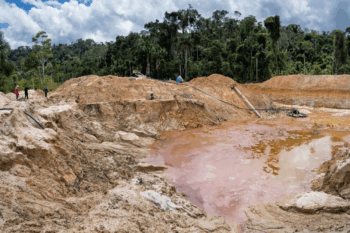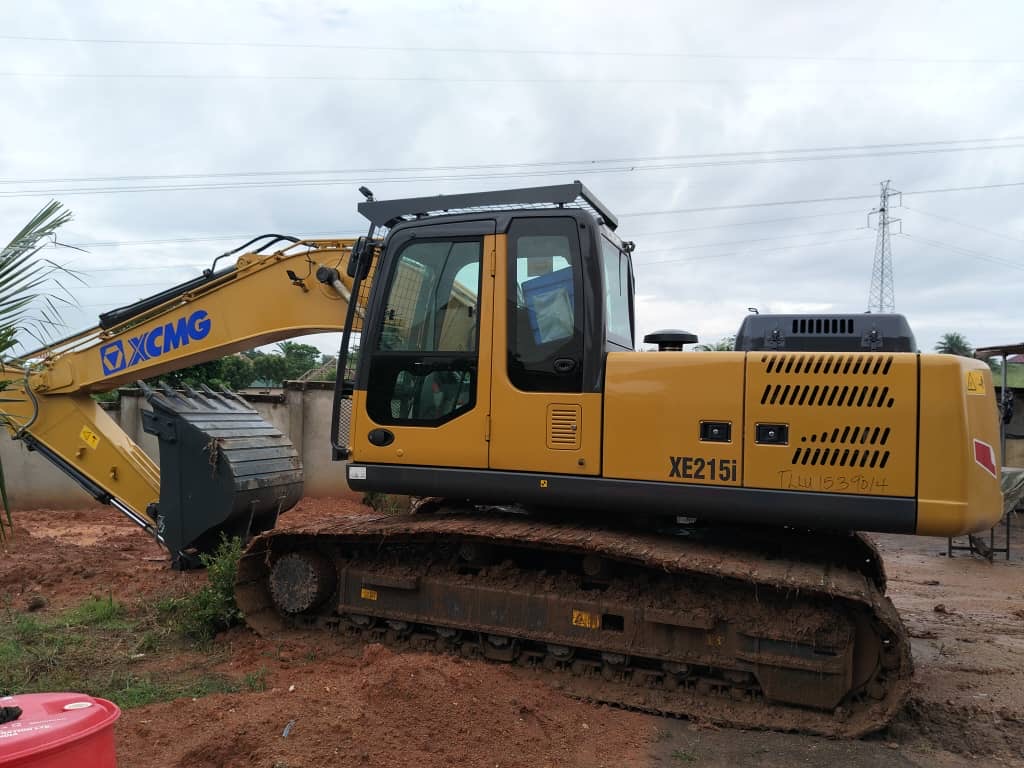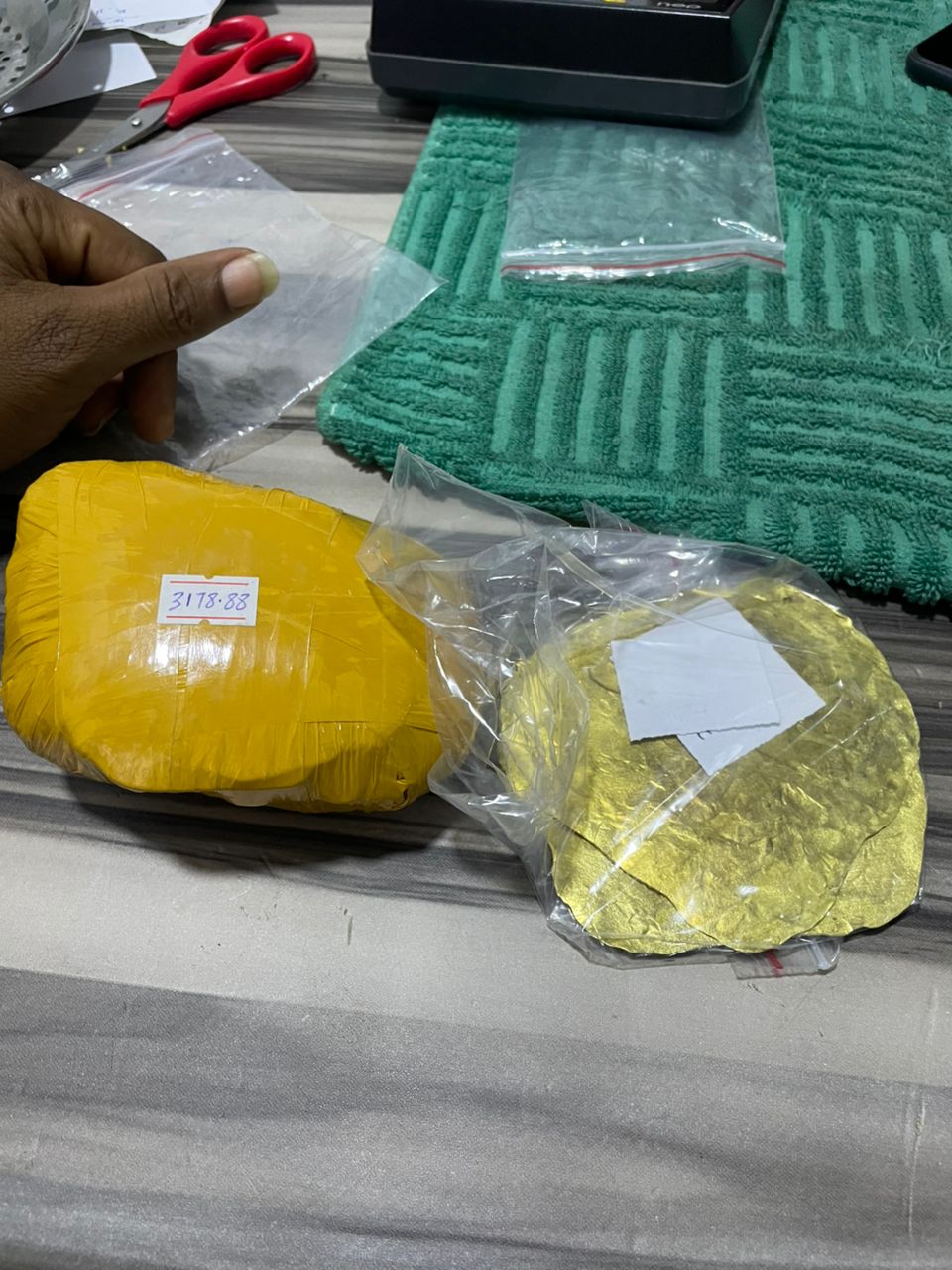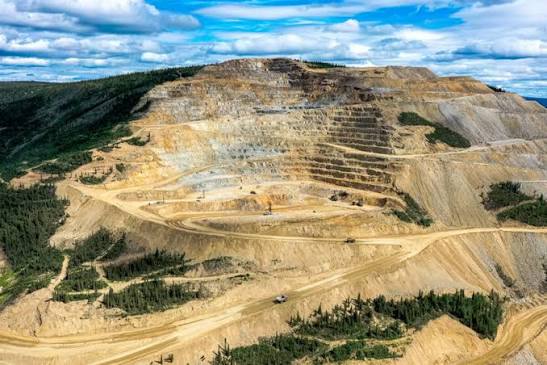

The growing need for lithium, bauxite, manganese, gold, and essential minerals required for energy transition technologies is propelling the African mining logistics sector to become one of the continent’s most vital infrastructure prospects. The commercial success of mining ventures is increasingly determined by logistics.
drivers of the market
Critical mineral boom: Investment in African mining operations, particularly in the Democratic Republic of the Ghana, Zambia, Zimbabwe, Liberia, and Guinea, is being driven by the world’s need for batteries and renewable energy materials.
Remote mining locations: There is a growing need for trucking, rail, warehousing, customs services, and mine-to-port corridor operators because many new resources are situated far from ports and industrial hubs.
Infrastructure investment: To lower export costs and increase dependability, governments and investors are building more ports, train lines, and centers for mineral processing.
Adoption of technology: Mining logistics companies are implementing digital supply-chain platforms, autonomous hauling systems, fleet tracking, and AI-based route optimization.
Significant logistical obstacles
There are still major constraints in the industry:
Impact of the Challenge
Inadequate rail capacity and increased reliance on trucks
Export delays and increased expenses due to port congestion
Slower cross-border mineral movements due to border procedures
Longer transport times and vehicle damage on the roads
Reduced operating reliability due to power shortages
Regulatory fragmentation: Various national regulations for logistics and customs
Logistics can account for between one-third and half of operating expenses in certain mining operations.
Important routes for mining logistics
Lobito Corridor
connects the Atlantic port of Lobito in Angola to mines in Zambia and the Democratic Republic of the Congo. Because it has the potential to change Central African exports of copper and cobalt, it is drawing significant international funding.
Corridors of Guinea Bauxite
Guinea keeps building its export infrastructure in order to sustain record exports of bauxite, which are mostly used by Chinese aluminum makers.
Export Networks in South Africa
Rail and port infrastructures are essential to producers of coal, iron ore, chrome, manganese, and platinum. Despite steady advancements, logistics performance is still a significant barrier.
High-growth commercial prospects
Fleets of mining trucks
Heavy transportation
Transport of minerals in bulk
International freight
Logistics services from mine to port
Management of corridors
Forwarding goods
Clearance by customs
Logistics by rail
Concessions for private rail
Leasing of wagons
Operations at rail terminals
Operations at ports and bulk terminals
Stockyards of minerals
Facilities for bulk handling
Management of export terminals
Platforms for digital logistics
Software for fleet management
Systems for shipping visibility
Documentation and customs solutions
Outsourcing the mining supply chain
Storage
Transportation of equipment
Management of inventories
Ghanaian viewpoint
Transportation issues continue to be a major problem for mining firms in Ghana, especially when it comes to bulk commodities traveling between mines, processing facilities, and ports. As mining grows, so does the need for specialist logistics companies and mining trucking services.
Outlook
Long-term prospects are favorable. As mineral production increases and new transportation routes are created, it is anticipated that global spending on mining logistics would rise significantly through 2030. Africa’s expanding position in global mineral supply chains is anticipated to benefit businesses who can offer dependable trucking, rail, port, warehousing, and digital logistics solutions.
Transport corridors, bulk haulage fleets, rail connections, export terminals, and logistics technology platforms are often more appealing to investors than the mines themselves. The African mining logistics market is emerging as one of the continent’s most strategic infrastructure opportunities due to the growing demand for copper, cobalt, lithium, bauxite, manganese, iron ore, gold, and critical minerals required for energy transition technologies. The commercial success of mining ventures is increasingly determined by logistics.
drivers of the market
Critical mineral boom: Investment in African mining operations, particularly in the Democratic Republic of the Congo, Zambia, Zimbabwe, Namibia, and Guinea, is being driven by the world’s need for batteries and renewable energy materials.
Remote mining locations: There is a growing need for trucking, rail, warehousing, customs services, and mine-to-port corridor operators because many new resources are situated far from ports and industrial hubs.
Infrastructure investment: To lower export costs and increase dependability, governments and investors are building more ports, train lines, and centers for mineral processing.
Adoption of technology: Mining logistics companies are implementing digital supply-chain platforms, autonomous hauling systems, fleet tracking, and AI-based route optimization.
Significant logistical obstacles
There are still major constraints in the industry:
Impact of the Challenge
Inadequate rail capacity and increased reliance on trucks
Export delays and increased expenses due to port congestion
Slower cross-border mineral movements due to border procedures
Longer transport times and vehicle damage on the roads
Reduced operating reliability due to power shortages
Regulatory fragmentation: Various national regulations for logistics and customs
Logistics can account for between one-third and half of operating expenses in certain mining operations.
Important routes for mining logistics
Lobito Corridor
connects the Atlantic port of Lobito in Angola to mines in Zambia and the Democratic Republic of the Congo. Because it has the potential to change Central African exports of copper and cobalt, it is drawing significant international funding.
Corridors of Guinea Bauxite
Guinea keeps building its export infrastructure in order to sustain record exports of bauxite, which are mostly used by Chinese aluminum makers.
Export Networks in South Africa
Rail and port infrastructures are essential to producers of coal, iron ore, chrome, manganese, and platinum. Despite steady advancements, logistics performance is still a significant barrier.
High-growth commercial prospects
Fleets of mining trucks
Heavy transportation
Transport of minerals in bulk
International freight
Logistics services from mine to port
Management of corridors
Forwarding goods
Clearance by customs
Logistics by rail
Concessions for private rail
Leasing of wagons
Operations at rail terminals
Operations at ports and bulk terminals
Stockyards of minerals
Facilities for bulk handling
Management of export terminals
Platforms for digital logistics
Software for fleet management
Systems for shipping visibility
Documentation and customs solutions
Outsourcing the mining supply chain
Storage
Transportation of equipment
Management of inventories
Ghanaian viewpoint
Transportation issues continue to be a major problem for mining firms in Ghana, especially when it comes to bulk commodities traveling between mines, processing facilities, and ports. As mining grows, so does the need for specialist logistics companies and mining trucking services.
Outlook
Long-term prospects are favorable. As mineral production increases and new transportation routes are created, it is anticipated that global spending on mining logistics would rise significantly through 2030. Africa’s expanding position in global mineral supply chains is anticipated to benefit businesses who can offer dependable trucking, rail, port, warehousing, and digital logistics solutions.
Transport corridors, bulk haulage fleets, rail connections, export terminals, and logistics technology platforms are often more appealing to investors than the mines themselves. The African mining logistics market is emerging as one of the continent’s most strategic infrastructure opportunities due to the growing demand for copper, cobalt, lithium, bauxite, manganese, iron ore, gold, and critical minerals required for energy transition technologies. The commercial success of mining ventures is increasingly determined by logistics.
drivers of the market
Critical mineral boom: Investment in African mining operations, particularly in the Democratic Republic of the Congo, Zambia, Zimbabwe, Namibia, and Guinea, is being driven by the world’s need for batteries and renewable energy materials.
Remote mining locations: There is a growing need for trucking, rail, warehousing, customs services, and mine-to-port corridor operators because many new resources are situated far from ports and industrial hubs.
Infrastructure investment: To lower export costs and increase dependability, governments and investors are building more ports, train lines, and centers for mineral processing.
Adoption of technology: Mining logistics companies are implementing digital supply-chain platforms, autonomous hauling systems, fleet tracking, and AI-based route optimization.
Significant logistical obstacles
There are still major constraints in the industry:
Impact of the Challenge
Inadequate rail capacity and increased reliance on trucks
Export delays and increased expenses due to port congestion
Slower cross-border mineral movements due to border procedures
Longer transport times and vehicle damage on the roads
Reduced operating reliability due to power shortages
Regulatory fragmentation: Various national regulations for logistics and customs
Logistics can account for between one-third and half of operating expenses in certain mining operations.
Important routes for mining logistics
Lobito Corridor
connects the Atlantic port of Lobito in Angola to mines in Zambia and the Democratic Republic of the Congo. Because it has the potential to change Central African exports of copper and cobalt, it is drawing significant international funding.
Corridors of Guinea Bauxite
Guinea keeps building its export infrastructure in order to sustain record exports of bauxite, which are mostly used by Chinese aluminum makers.
Export Networks in South Africa
Rail and port infrastructures are essential to producers of coal, iron ore, chrome, manganese, and platinum. Despite steady advancements, logistics performance is still a significant barrier.
High-growth commercial prospects
Fleets of mining trucks
Heavy transportation
Transport of minerals in bulk
International freight
Logistics services from mine to port
Management of corridors
Forwarding goods
Clearance by customs
Logistics by rail
Concessions for private rail
Leasing of wagons
Operations at rail terminals
Operations at ports and bulk terminals
Stockyards of minerals
Facilities for bulk handling
Management of export terminals
Platforms for digital logistics
Software for fleet management
Systems for shipping visibility
Documentation and customs solutions
Outsourcing the mining supply chain
Storage
Transportation of equipment
Management of inventories
Ghanaian viewpoint
Transportation issues continue to be a major problem for mining firms in Ghana, especially when it comes to bulk commodities traveling between mines, processing facilities, and ports. As mining grows, so does the need for specialist logistics companies and mining trucking services.
Outlook
Long-term prospects are favorable. As mineral production increases and new transportation routes are created, it is anticipated that global spending on mining logistics would rise significantly through 2030. Africa’s expanding position in global mineral supply chains is anticipated to benefit businesses who can offer dependable trucking, rail, port, warehousing, and digital logistics solutions.
Transport corridors, bulk haulage fleets, rail connections, export terminals, and logistics technology platforms are often more appealing to investors than the mines themselves. The African mining logistics market is emerging as one of the continent’s most strategic infrastructure opportunities due to the growing demand for copper, cobalt, lithium, bauxite, manganese, iron ore, gold, and critical minerals required for energy transition technologies. The commercial success of mining ventures is increasingly determined by logistics.
drivers of the market
Critical mineral boom: Investment in African mining operations, particularly in the Democratic Republic of the Congo, Zambia, Zimbabwe, Namibia, and Guinea, is being driven by the world’s need for batteries and renewable energy materials.
Remote mining locations: There is a growing need for trucking, rail, warehousing, customs services, and mine-to-port corridor operators because many new resources are situated far from ports and industrial hubs.
Infrastructure investment: To lower export costs and increase dependability, governments and investors are building more ports, train lines, and centers for mineral processing.
Adoption of technology: Mining logistics companies are implementing digital supply-chain platforms, autonomous hauling systems, fleet tracking, and AI-based route optimization.
Significant logistical obstacles
There are still major constraints in the industry:
Impact of the Challenge
Inadequate rail capacity and increased reliance on trucks
Export delays and increased expenses due to port congestion
Slower cross-border mineral movements due to border procedures
Longer transport times and vehicle damage on the roads
Reduced operating reliability due to power shortages
Regulatory fragmentation: Various national regulations for logistics and customs
Logistics can account for between one-third and half of operating expenses in certain mining operations.
Important routes for mining logistics
Lobito Corridor
connects the Atlantic port of Lobito in Angola to mines in Zambia and the Democratic Republic of the Congo. Because it has the potential to change Central African exports of copper and cobalt, it is drawing significant international funding.
Corridors of Guinea Bauxite
Guinea keeps building its export infrastructure in order to sustain record exports of bauxite, which are mostly used by Chinese aluminum makers.
Export Networks in South Africa
Rail and port infrastructures are essential to producers of coal, iron ore, chrome, manganese, and platinum. Despite steady advancements, logistics performance is still a significant barrier.
High-growth commercial prospects
Fleets of mining trucks
Heavy transportation
Transport of minerals in bulk
International freight
Logistics services from mine to port
Management of corridors
Forwarding goods
Clearance by customs
Logistics by rail
Concessions for private rail
Leasing of wagons
Operations at rail terminals
Operations at ports and bulk terminals
Stockyards of minerals
Facilities for bulk handling
Management of export terminals
Platforms for digital logistics
Software for fleet management
Systems for shipping visibility
Documentation and customs solutions
Outsourcing the mining supply chain
Storage
Transportation of equipment
Management of inventories
Ghanaian viewpoint
Transportation issues continue to be a major problem for mining firms in Ghana, especially when it comes to bulk commodities traveling between mines, processing facilities, and ports. As mining grows, so does the need for specialist logistics companies and mining trucking services.


Outlook
Long-term prospects are favorable. As mineral production increases and new transportation routes are created, it is anticipated that global spending on mining logistics would rise significantly through 2030. Africa’s expanding position in global mineral supply chains is anticipated to benefit businesses who can offer dependable trucking, rail, port, warehousing, and digital logistics solutions.
Transport corridors, bulk haulage fleets, rail connections, export terminals, and logistics technology platforms are often more appealing to investors than the mines themselves. The African mining logistics market is emerging as one of the continent’s most strategic infrastructure opportunities due to the growing demand for copper, cobalt, lithium, bauxite, manganese, iron ore, gold, and critical minerals required for energy transition technologies. The commercial success of mining ventures is increasingly determined by logistics.
drivers of the market
Critical mineral boom: Investment in African mining operations, particularly in the Democratic Republic of the Congo, Zambia, Zimbabwe, Namibia, and Guinea, is being driven by the world’s need for batteries and renewable energy materials.
Remote mining locations: There is a growing need for trucking, rail, warehousing, customs services, and mine-to-port corridor operators because many new resources are situated far from ports and industrial hubs.
Infrastructure investment: To lower export costs and increase dependability, governments and investors are building more ports, train lines, and centers for mineral processing.
Adoption of technology: Mining logistics companies are implementing digital supply-chain platforms, autonomous hauling systems, fleet tracking, and AI-based route optimization.
Significant logistical obstacles
There are still major constraints in the industry:
Impact of the Challenge
Inadequate rail capacity and increased reliance on trucks
Export delays and increased expenses due to port congestion
Slower cross-border mineral movements due to border procedures
Longer transport times and vehicle damage on the roads
Reduced operating reliability due to power shortages
Regulatory fragmentation: Various national regulations for logistics and customs
Logistics can account for between one-third and half of operating expenses in certain mining operations.
Important routes for mining logistics
Lobito Corridor
connects the Atlantic port of Lobito in Angola to mines in Zambia and the Democratic Republic of the Congo. Because it has the potential to change Central African exports of copper and cobalt, it is drawing significant international funding.
Corridors of Guinea Bauxite
Guinea keeps building its export infrastructure in order to sustain record exports of bauxite, which are mostly used by Chinese aluminum makers.
Export Networks in South Africa
Rail and port infrastructures are essential to producers of coal, iron ore, chrome, manganese, and platinum. Despite steady advancements, logistics performance is still a significant barrier.
High-growth commercial prospects
Fleets of mining trucks
Heavy transportation
Transport of minerals in bulk
International freight
Logistics services from mine to port
Management of corridors
Forwarding goods
Clearance by customs
Logistics by rail
Concessions for private rail
Leasing of wagons
Operations at rail terminals
Operations at ports and bulk terminals
Stockyards of minerals
Facilities for bulk handling
Management of export terminals
Platforms for digital logistics
Software for fleet management
Systems for shipping visibility
Documentation and customs solutions
Outsourcing the mining supply chain
Storage
Transportation of equipment
Management of inventories
Ghanaian viewpoint
Transportation issues continue to be a major problem for mining firms in Ghana, especially when it comes to bulk commodities traveling between mines, processing facilities, and ports. As mining grows, so does the need for specialist logistics companies and mining trucking services.
Outlook
Long-term prospects are favorable. As mineral production increases and new transportation routes are created, it is anticipated that global spending on mining logistics would rise significantly through 2030. Africa’s expanding position in global mineral supply chains is anticipated to benefit businesses who can offer dependable trucking, rail, port, warehousing, and digital logistics solutions.
Transport corridors, bulk haulage fleets, rail connections, export terminals, and logistics technology platforms are often more appealing to investors than the mines themselves. The African mining logistics market is emerging as one of the continent’s most strategic infrastructure opportunities due to the growing demand for copper, cobalt, lithium, bauxite, manganese, iron ore, gold, and critical minerals required for energy transition technologies. The commercial success of mining ventures is increasingly determined by logistics.
drivers of the market
Critical mineral boom: Investment in African mining operations, particularly in the Democratic Republic of the Congo, Zambia, Zimbabwe, Namibia, and Guinea, is being driven by the world’s need for batteries and renewable energy materials.
Remote mining locations: There is a growing need for trucking, rail, warehousing, customs services, and mine-to-port corridor operators because many new resources are situated far from ports and industrial hubs.
Infrastructure investment: To lower export costs and increase dependability, governments and investors are building more ports, train lines, and centers for mineral processing.
Adoption of technology: Mining logistics companies are implementing digital supply-chain platforms, autonomous hauling systems, fleet tracking, and AI-based route optimization.
Significant logistical obstacles
There are still major constraints in the industry:
Impact of the Challenge
Inadequate rail capacity and increased reliance on trucks
Export delays and increased expenses due to port congestion
Slower cross-border mineral movements due to border procedures
Longer transport times and vehicle damage on the roads
Reduced operating reliability due to power shortages
Regulatory fragmentation: Various national regulations for logistics and customs
Logistics can account for between one-third and half of operating expenses in certain mining operations.
Important routes for mining logistics
Lobito Corridor
connects the Atlantic port of Lobito in Angola to mines in Zambia and the Democratic Republic of the Congo. Because it has the potential to change Central African exports of copper and cobalt, it is drawing significant international funding.
Corridors of Guinea Bauxite
Guinea keeps building its export infrastructure in order to sustain record exports of bauxite, which are mostly used by Chinese aluminum makers.
Export Networks in South Africa
Rail and port infrastructures are essential to producers of coal, iron ore, chrome, manganese, and platinum. Despite steady advancements, logistics performance is still a significant barrier.
High-growth commercial prospects
Fleets of mining trucks
Heavy transportation
Transport of minerals in bulk
International freight
Logistics services from mine to port
Management of corridors
Forwarding goods
Clearance by customs
Logistics by rail
Concessions for private rail
Leasing of wagons
Operations at rail terminals
Operations at ports and bulk terminals
Stockyards of minerals
Facilities for bulk handling
Management of export terminals
Platforms for digital logistics
Software for fleet management
Systems for shipping visibility
Documentation and customs solutions
Outsourcing the mining supply chain
Storage
Transportation of equipment
Management of inventories
Ghanaian viewpoint
Transportation issues continue to be a major problem for mining firms in Ghana, especially when it comes to bulk commodities traveling between mines, processing facilities, and ports. As mining grows, so does the need for specialist logistics companies and mining trucking services.
Outlook
Long-term prospects are favorable. As mineral production increases and new transportation routes are created, it is anticipated that global spending on mining logistics would rise significantly through 2030. Africa’s expanding position in global mineral supply chains is anticipated to benefit businesses who can offer dependable trucking, rail, port, warehousing, and digital logistics solutions.
Transport corridors, bulk haulage fleets, rail connections, export terminals, and logistics technology platforms are often more appealing to investors than the mines themselves. The African mining logistics market is emerging as one of the continent’s most strategic infrastructure opportunities due to the growing demand for copper, cobalt, lithium, bauxite, manganese, iron ore, gold, and critical minerals required for energy transition technologies. The commercial success of mining ventures is increasingly determined by logistics.
drivers of the market
Critical mineral boom: Investment in African mining operations, particularly in the Democratic Republic of the Congo, Zambia, Zimbabwe, Namibia, and Guinea, is being driven by the world’s need for batteries and renewable energy materials.
Remote mining locations: There is a growing need for trucking, rail, warehousing, customs services, and mine-to-port corridor operators because many new resources are situated far from ports and industrial hubs.
Infrastructure investment: To lower export costs and increase dependability, governments and investors are building more ports, train lines, and centers for mineral processing.
Adoption of technology: Mining logistics companies are implementing digital supply-chain platforms, autonomous hauling systems, fleet tracking, and AI-based route optimization.
Significant logistical obstacles
There are still major constraints in the industry:
Impact of the Challenge
Inadequate rail capacity and increased reliance on trucks
Export delays and increased expenses due to port congestion
Slower cross-border mineral movements due to border procedures
Longer transport times and vehicle damage on the roads
Reduced operating reliability due to power shortages
Regulatory fragmentation: Various national regulations for logistics and customs
Logistics can account for between one-third and half of operating expenses in certain mining operations.
Important routes for mining logistics
Lobito Corridor
connects the Atlantic port of Lobito in Angola to mines in Zambia and the Democratic Republic of the Congo. Because it has the potential to change Central African exports of copper and cobalt, it is drawing significant international funding.
Corridors of Guinea Bauxite
Guinea keeps building its export infrastructure in order to sustain record exports of bauxite, which are mostly used by Chinese aluminum makers.
Export Networks in South Africa
Rail and port infrastructures are essential to producers of coal, iron ore, chrome, manganese, and platinum. Despite steady advancements, logistics performance is still a significant barrier.
High-growth commercial prospects
Fleets of mining trucks
Heavy transportation
Transport of minerals in bulk
International freight
Logistics services from mine to port
Management of corridors
Forwarding goods
Clearance by customs
Logistics by rail
Concessions for private rail
Leasing of wagons
Operations at rail terminals
Operations at ports and bulk terminals
Stockyards of minerals
Facilities for bulk handling
Management of export terminals
Platforms for digital logistics
Software for fleet management
Systems for shipping visibility
Documentation and customs solutions
Outsourcing the mining supply chain
Storage
Transportation of equipment
Management of inventories
Ghanaian viewpoint
Transportation issues continue to be a major problem for mining firms in Ghana, especially when it comes to bulk commodities traveling between mines, processing facilities, and ports. As mining grows, so does the need for specialist logistics companies and mining trucking services.
Outlook
Long-term prospects are favorable. As mineral production increases and new transportation routes are created, it is anticipated that global spending on mining logistics would rise significantly through 2030. Africa’s expanding position in global mineral supply chains is anticipated to benefit businesses who can offer dependable trucking, rail, port, warehousing, and digital logistics solutions.
Transport corridors, bulk haulage fleets, rail connections, export terminals, and logistics technology platforms are often more appealing to investors than the mines themselves. The African mining logistics market is emerging as one of the continent’s most strategic infrastructure opportunities due to the growing demand for copper, cobalt, lithium, bauxite, manganese, iron ore, gold, and critical minerals required for energy transition technologies. The commercial success of mining ventures is increasingly determined by logistics.
drivers of the market
Critical mineral boom: Investment in African mining operations, particularly in the Democratic Republic of the Congo, Zambia, Zimbabwe, Namibia, and Guinea, is being driven by the world’s need for batteries and renewable energy materials.
Remote mining locations: There is a growing need for trucking, rail, warehousing, customs services, and mine-to-port corridor operators because many new resources are situated far from ports and industrial hubs.
Infrastructure investment: To lower export costs and increase dependability, governments and investors are building more ports, train lines, and centers for mineral processing.
Adoption of technology: Mining logistics companies are implementing digital supply-chain platforms, autonomous hauling systems, fleet tracking, and AI-based route optimization.
Significant logistical obstacles
There are still major constraints in the industry:
Impact of the Challenge
Inadequate rail capacity and increased reliance on trucks
Export delays and increased expenses due to port congestion
Slower cross-border mineral movements due to border procedures
Longer transport times and vehicle damage on the roads
Reduced operating reliability due to power shortages
Regulatory fragmentation: Various national regulations for logistics and customs
Logistics can account for between one-third and half of operating expenses in certain mining operations.
Important routes for mining logistics
Lobito Corridor
connects the Atlantic port of Lobito in Angola to mines in Zambia and the Democratic Republic of the Congo. Because it has the potential to change Central African exports of copper and cobalt, it is drawing significant international funding.
Corridors of Guinea Bauxite
Guinea keeps building its export infrastructure in order to sustain record exports of bauxite, which are mostly used by Chinese aluminum makers.
Export Networks in South Africa
Rail and port infrastructures are essential to producers of coal, iron ore, chrome, manganese, and platinum. Despite steady advancements, logistics performance is still a significant barrier.
High-growth commercial prospects
Fleets of mining trucks
Heavy transportation
Transport of minerals in bulk
International freight
Logistics services from mine to port
Management of corridors
Forwarding goods
Clearance by customs
Logistics by rail
Concessions for private rail
Leasing of wagons
Operations at rail terminals
Operations at ports and bulk terminals
Stockyards of minerals
Facilities for bulk handling
Management of export terminals
Platforms for digital logistics
Software for fleet management
Systems for shipping visibility
Documentation and customs solutions
Outsourcing the mining supply chain
Storage
Transportation of equipment
Management of inventories
Ghanaian viewpoint
Transportation issues continue to be a major problem for mining firms in Ghana, especially when it comes to bulk commodities traveling between mines, processing facilities, and ports. As mining grows, so does the need for specialist logistics companies and mining trucking services.
Outlook
Long-term prospects are favorable. As mineral production increases and new transportation routes are created, it is anticipated that global spending on mining logistics would rise significantly through 2030. Africa’s expanding position in global mineral supply chains is anticipated to benefit businesses who can offer dependable trucking, rail, port, warehousing, and digital logistics solutions.
The infrastructure surrounding mines, such as transportation corridors, bulk haulage fleets, rail connections, export terminals, and logistics technology platforms, is frequently more appealing to investors than the mines themselves.