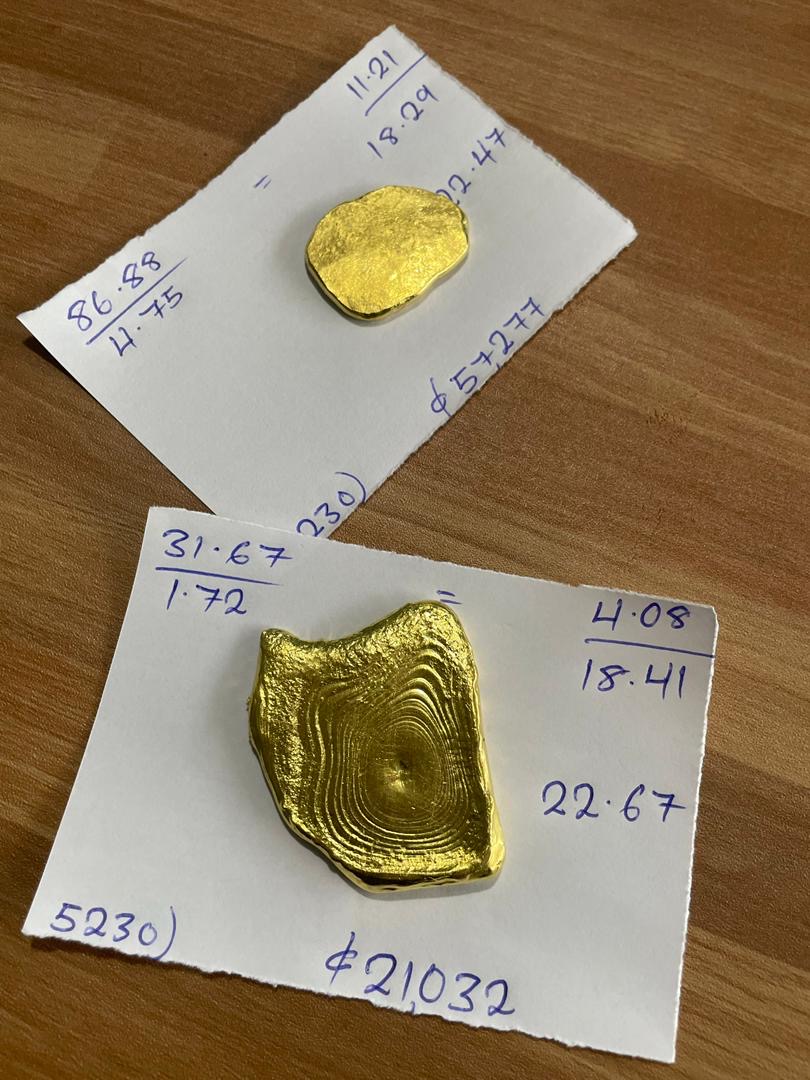

Gold prices fell after US President Donald Trump declared the temporary deal with Iran “over,” escalating worries of further bloodshed in the Middle East. Rather than strengthening gold’s allure as a safe haven, the market concentrated on the inflationary implications of rising oil prices and the potential of tighter monetary policies.
Why did gold fall despite global tensions
Normally, rising geopolitical uncertainties boost gold. However, in this situation investors were more worried with:
Crude oil prices rose more than 5% on concerns about supply disruptions, notably near the Strait of Hormuz.
Higher inflation expectations: Rising energy prices could contribute to overall inflation.
Persistent inflation increases the possibility that the Federal Reserve will keep interest rates higher for longer—or maybe hike them further. Higher interest rates raise the opportunity cost of owning non-yielding assets, such as gold.
Higher bond rates and a stronger US dollar often weigh on gold prices, making dollar-denominated assets more appealing.
Market Performance
According to Reuters:
Spot gold decreased by roughly 0.9% to around $4,067 per ounce.
US gold futures fell nearly 1.8% to around $4,082 per ounce.
Other precious metals have also weakened.
Silver: down approximately 2.9%.
Platinum: down approximately 3.6%.
Palladium: down approximately 4.5%.
What Investors Should Watch Next
The direction of gold is likely to rely on several main factors:
Whether US-Iran tensions rise further or diplomatic talks resume.
The movement of oil prices and their effect on inflation.
Upcoming US inflation data and Federal Reserve communications.
Changes in Treasury yields and the US dollar.
While geopolitical instability continues to provide long-term support for gold, the near-term market is mostly driven by interest rate forecasts. If investors expect tighter monetary policy, gold may remain under pressure even during times of geopolitical stress.