
The logistics and transportation industry in West Africa is a fast-growing, highly competitive field. The African Continental Free Trade Area (AfCFTA), a growing consumer class, rapid urbanization, and the region’s status as a mining and agricultural powerhouse are all contributing factors to the massive need for the movement of products. However, the industry is still primarily informal and inefficient due to inadequate road networks, border delays, currency fluctuation, and fragmentation. This presents substantial opportunity for investors who can professionalize operations.
An organized summary of West African haulage investment prospects, dangers, and strategies is provided here.
- Important Opportunities
Long-distance transportation (corridor trucking)
Transporting FMCG, containers, and bulk goods between landlocked nations (Burkina Faso, Mali, Niger, Chad) and ports (Lagos, Abidjan, Tema, Dakar).
For instance, one of the busiest routes in the area is the Lagos-Abidjan corridor.
Possibilities include bonded warehousing, one-stop cross-border clearing services, and owning or updating truck fleets with GPS monitoring.
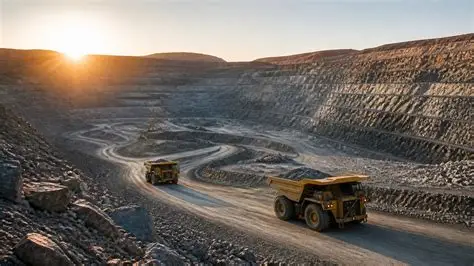
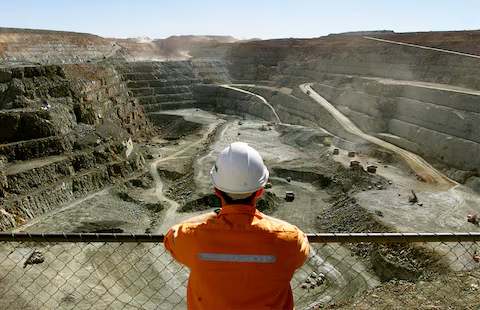
Logistics for the mining and extractive industries
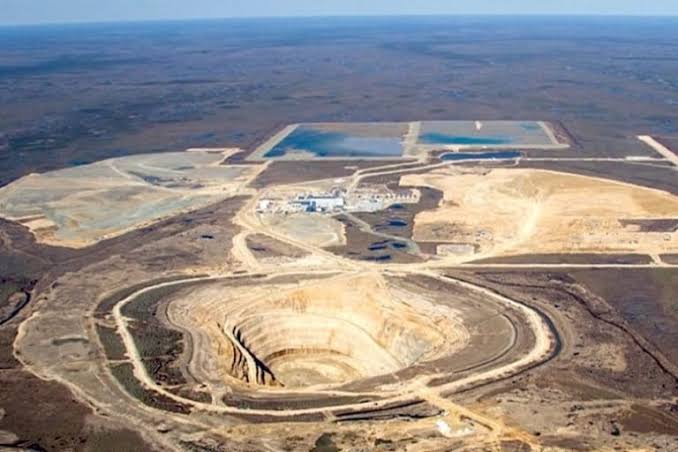
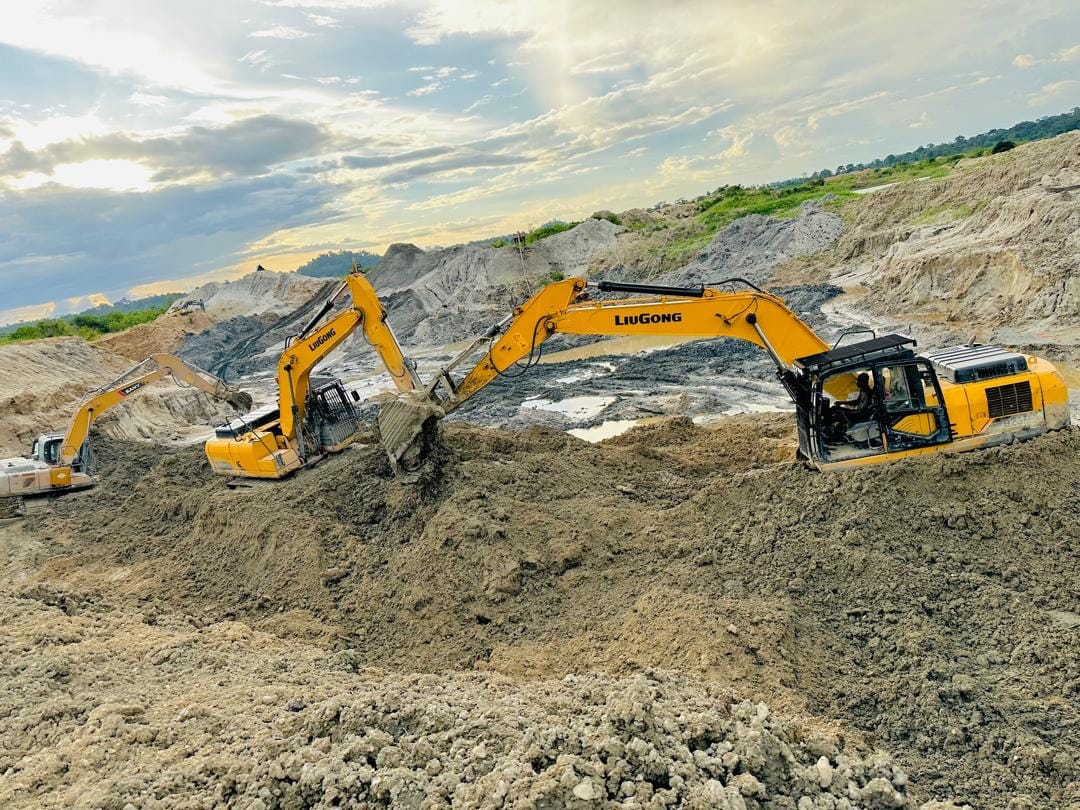
In Guinea, Ghana, Mali, Burkina Faso, and Côte d’Ivoire, exploration for gold, bauxite, iron ore, and lithium is booming. Ore, fuel, equipment, and workers must be transported in large quantities by miners, frequently in very remote locations.
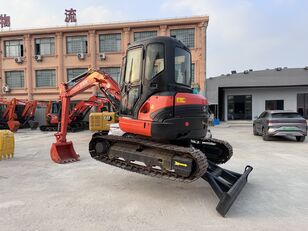
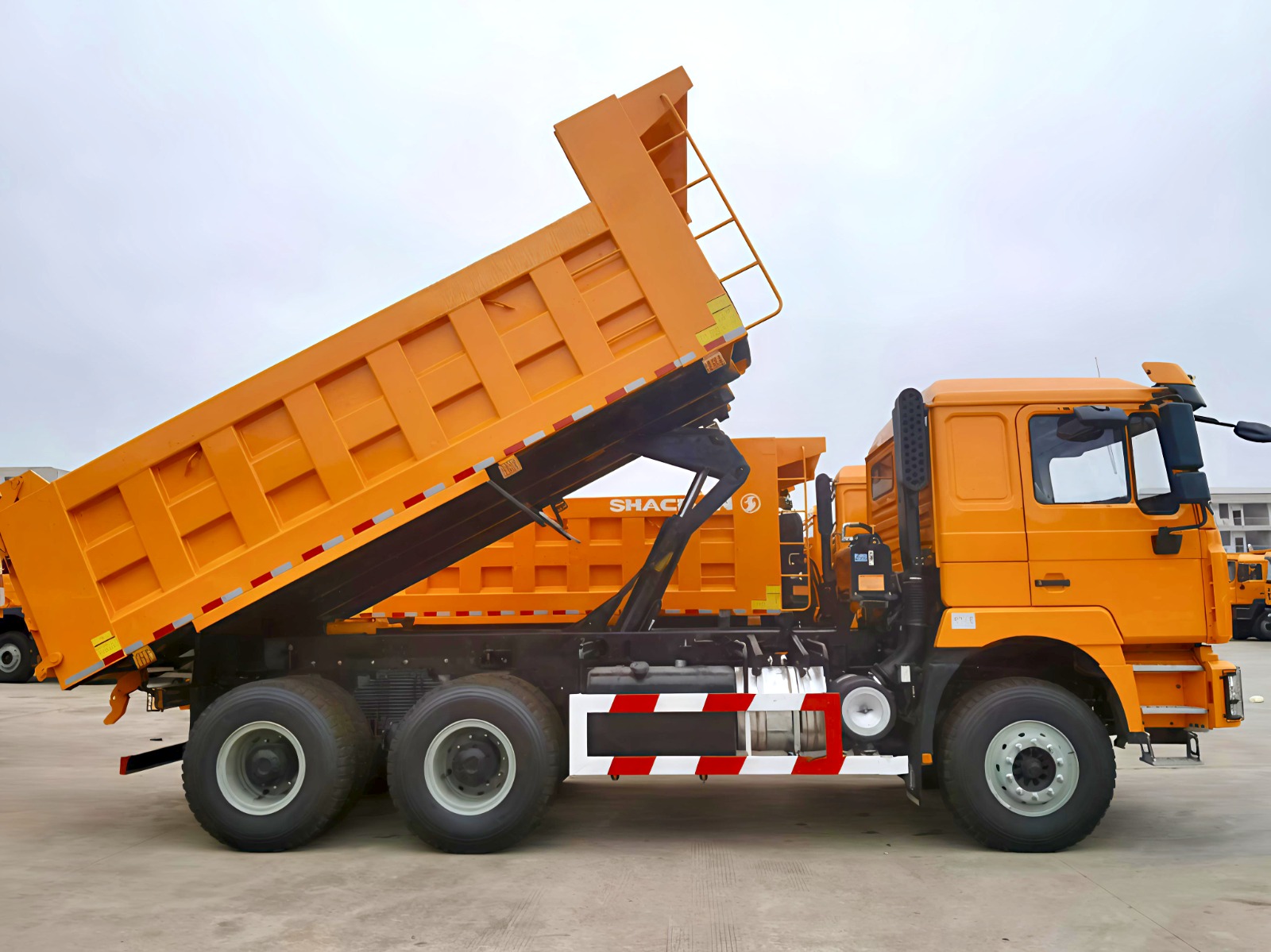
Possibilities include fuel haulage, camp supply chains, on-site mine logistics, and specialized heavy-haul fleets (tippers, flatbeds, and lowbeds).
Distribution and aggregation of agricultural products
Large amounts of cashew, cocoa, shea, sesame, mangoes, and vegetables are produced in West Africa. Due to a shortage of cold storage and dependable transportation from the farm gate to ports or processing facilities, post-harvest losses frequently surpass 30%.
Possibilities include rural-to-urban fresh food logistics, aggregation facilities with trucking arms, and cold chain haulage (reefer trucks).
Last-mile and intra-city delivery (FMCG & e-commerce)
Existing last-mile delivery capacity is being strained by the growth of tech-enabled retail (Jumia, TradeDepot, Omnibiz) and the transition to formal retail in places like Lagos, Accra, Abidjan, and Dakar.
Possibilities include micro-warehousing, reverse logistics, electric two-wheeler deliveries, and asset-light last-mile fleets (vans, motorbikes).
Facilitation of international trade and bonded transportation
A 1,000-kilometer trip can take more than a week due to delays at the border and customs. Bonded trucking services that manage customs and ensure safe, sealed transportation are in high demand.
Possibilities include digital customs brokerage systems, truck parks with security and driver accommodations, and bonded fleet operations under national customs seals.
Fuel, maintenance, and fleet leasing services
The majority of local truckers struggle to obtain finance or dependable maintenance for their one to five-year-old vehicles.
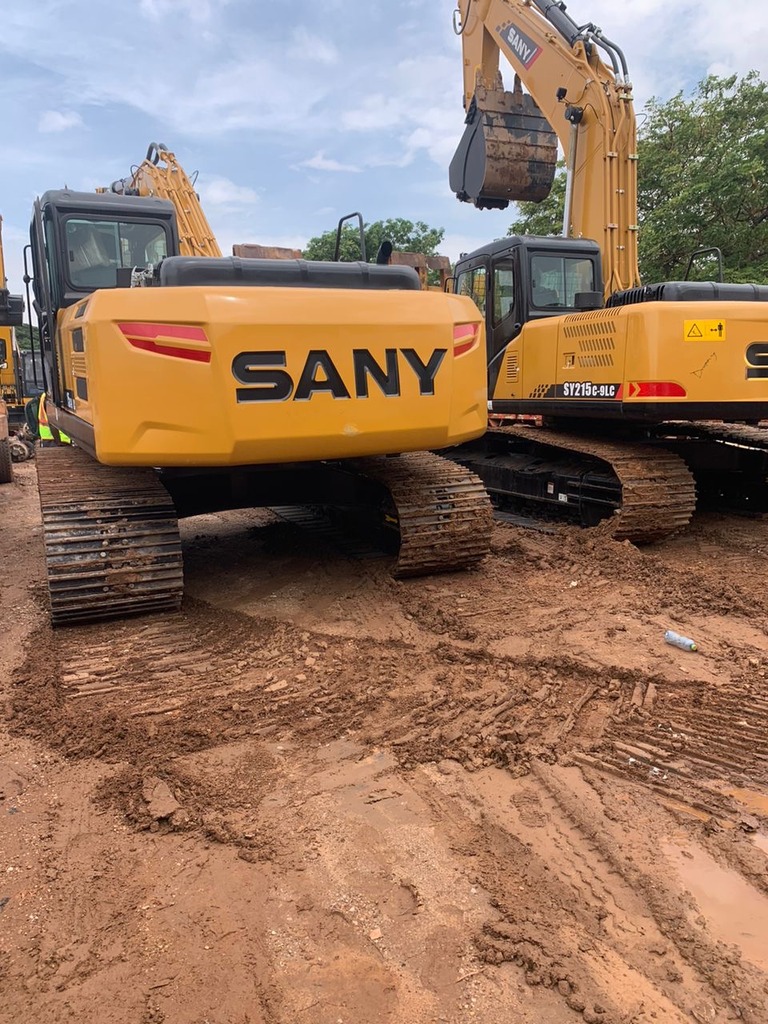
Possibilities include fuel card networks for fleets, LNG/CNG conversion for trucks to reduce fuel costs, building state-of-the-art workshops along major routes, and full-service truck leasing (including maintenance).
Digital freight platforms and logistics technology
Low fleet utilization, empty return flights, and a lack of transparency plague the industry. The strategy has been demonstrated by startups like Kobo360 and Lori Systems (East Africa); telematics, fleet management SaaS, and digital freight matching are in high demand in West Africa.


Possibility: Invest in or develop a fleet management platform, a digital freight marketplace, or a driver training/verification service.
- Dynamics Particular to a Country
Nigeria is by far the biggest market. There is a great need to transport imports from Lagos ports to the interior, but this is hampered by terrible port congestion and expensive security. Serious risk management is necessary for haulage to the northern states and the Chad Basin.
Ghana: More stable and conducive to business. Growing transit trade to Burkina Faso and a robust mining industry in the north and west (gold, bauxite, manganese). The Port of Tema is undergoing modernization.
Francophone West Africa’s center is Côte d’Ivoire. The Abidjan–Bamako (Mali) and Abidjan–Ouagadougou (Burkina Faso) corridors are vital. robust cashew and cocoa logistics.
Senegal is a gateway to growing oil and gas logistics and Mali via the Dakar–Bamako corridor. Demand is being driven by Dakar’s expanding industrial zones and port.
Guinea offers enormous mining logistics potential, but the political and regulatory landscape is difficult. The transportation of bauxite from the mine to the port necessitates significant road and rail investment.
Burkina Faso, Mali, Niger, and Chad are landlocked nations that rely heavily on corridors for everything from food to fuel. If the security situation allows, it can be profitable to invest in corridor-specific fleet operations located in these nations.
- Models of Investment
Direct fleet ownership: Acquire a contemporary fleet (new or certified used Euro III/V trucks) and manage long-distance contracts with mining firms, breweries, cement manufacturers, or humanitarian organizations (UN, WFP). demands operational management on the ground.
Lease-to-own and asset financing: Give local transport businesses money to buy trucks, supported by reliable GPS and maintenance agreements. This credit niche is underdeveloped and in high demand.
Create or purchase a logistics platform—a tech-enabled freight brokerage that unifies carriers and shippers, provides real-time tracking, and expedites payments. income from working capital financing and commissions.
Public-Private Partnerships (PPP): These tenders, which are frequently backed by development financing organizations, are used to run contemporary truck terminals, border logistics parks, or weighbridge management systems.
Strategic alliance with a regional conglomerate: Many West African industrial firms (consumer products, agribusiness, and cement) are trying to outsource logistics but are having trouble locating trustworthy suppliers. Offer a long-term offtake arrangement along with a specialized fleet contract.
- Serious Dangers to Invest in
Road infrastructure: During the rainy season (May–October), many important corridors are either completely unpaved or seriously deteriorated. Compared to developed markets, tire and maintenance expenses are substantially greater.
Corruption and border delays: There are several layers of unauthorized payments, and a single border crossing can take days. Budget for “facilitation” expenses and collaborate with knowledgeable local clearance agents.
Security: Banditry and insurgency plague Burkina Faso, Mali, Niger, the Sahel, and portions of Nigeria (Northwest, Northeast, and parts of the Middle Belt). Armed escorts, insurance, and route planning are necessary for hauling into these areas.
Driver shortage and training: It’s a persistent problem to find dependable, skilled long-haul drivers. The business model frequently includes investments in driver academies and retention (through fair compensation and benefits).
Currency and fuel volatility: Pump prices are susceptible to abrupt changes in subsidies, and fuel usually accounts for 40–60% of operating expenses. A significant decline in value is possible for the Naira, Cedi, and Franc (XOF). Contracts with fuel escalation provisions or those that are pegged to foreign currencies are crucial.
Regulatory fragmentation: Despite ECOWAS standards, axle load regulations, insurance requirements, and cabotage limitations vary by nation. Local legal organizations and licenses are necessary for compliance.
- Getting Started: Useful Steps
Select a corridor rather than a nation. For instance, become an expert on the “Lagos–Kano–Niamey” or “Abidjan–Ouagadougou” routes.
Join forces with a capable local operator. Entry risk can be reduced with a joint venture or long-term subcontract agreement with a reliable carrier.
Make use of development funding. DFIs such as the IFC, AfDB, and Proparco are eager to fund SMEs in logistics and transportation infrastructure. There are more and more grants and guarantees available for green logistics (EV pilots, solar-powered cold rooms).
A contracted base load is the starting point. Obtain a 3–5-year logistics offtake from a major shipper (cement, mining, telecom, FMCG) to underwrite the investment before purchasing a single truck.
Implement technology right now. Digital proof-of-delivery, fuel management systems, and GPS tracking are essential features that set investable companies apart from the general public.
- The Outlook
Due to population growth, urbanization, and trade integration, West Africa’s logistics sector will continue to expand at a rate significantly higher than GDP (5–7% annually). In corridors that are still critically underserved, investors that professionalize haulage—offering dependability, transparency, and safety—can earn substantial profits and take advantage of first-mover advantages.
The security and political stability of the area serve as the primary watchpoint since they have the power to quickly close off a lucrative corridor. The finest hedges are a diverse clientele and corridor, strong insurance, and strong local ties.