
Investing in West African logistics has an alluring combination of early-mover advantages, structural demand, and significant growth potential; but, it also necessitates patience, local alliances, and a thorough grasp of fragmented markets. The opportunity, important industries, entry tactics, dangers, and useful actions are all covered in the organized guidance that follows.
- Why is it West Africa? The Macro Situation Urbanization and Demographics
More than 400 million people live there, with more than 220 million in Nigeria alone.
Modern logistics are becoming more and more necessary as a result of the rapid urbanization of places like Lagos, Abidjan, Accra, and Dakar, which is taxing the current infrastructure.
On-demand delivery and e-commerce are being driven by a youthful, tech-savvy populace.
Trade and Economic Growth
The 15 nations that make up ECOWAS (Economic Community of West African States) share an external tariff and are working to create a unified market.
By lowering intra-African trade restrictions, the African Continental Free Trade Area (AfCFTA) may increase regional freight volumes.
Heavy freight demand is produced by extractive industries such as oil, gas, gold, bauxite, cocoa, and cashew.
Infrastructure Deficit
Compared to about 9% in industrialized nations, logistics costs in West Africa might range from 50 to 75% of product value.
For well-capitalized players, inadequate road networks, crowded ports, inadequate warehouses, and disjointed cold chains provide enormous efficiency gains.
- Important Logistics Sections to Take Into Account 2.1 Port and Terminal Infrastructure Ports serve as entry points for both imports and exports. Major hubs include Lagos (Apapa/Tincan), Abidjan, Tema (Ghana), Dakar (Senegal), Lomé (Togo), and Cotonou (Benin).
Investment perspectives:
concessions at the terminal (bulk, container, RoRo).
Dry ports and inland container depots (such as Kaduna and Funtua in Nigeria).
Cargo tracking platforms, digital customs clearance, and port community systems.
Important participants include China Harbour Engineering, DP World, Bolloré (now MSC/AGL), and APM Terminals.
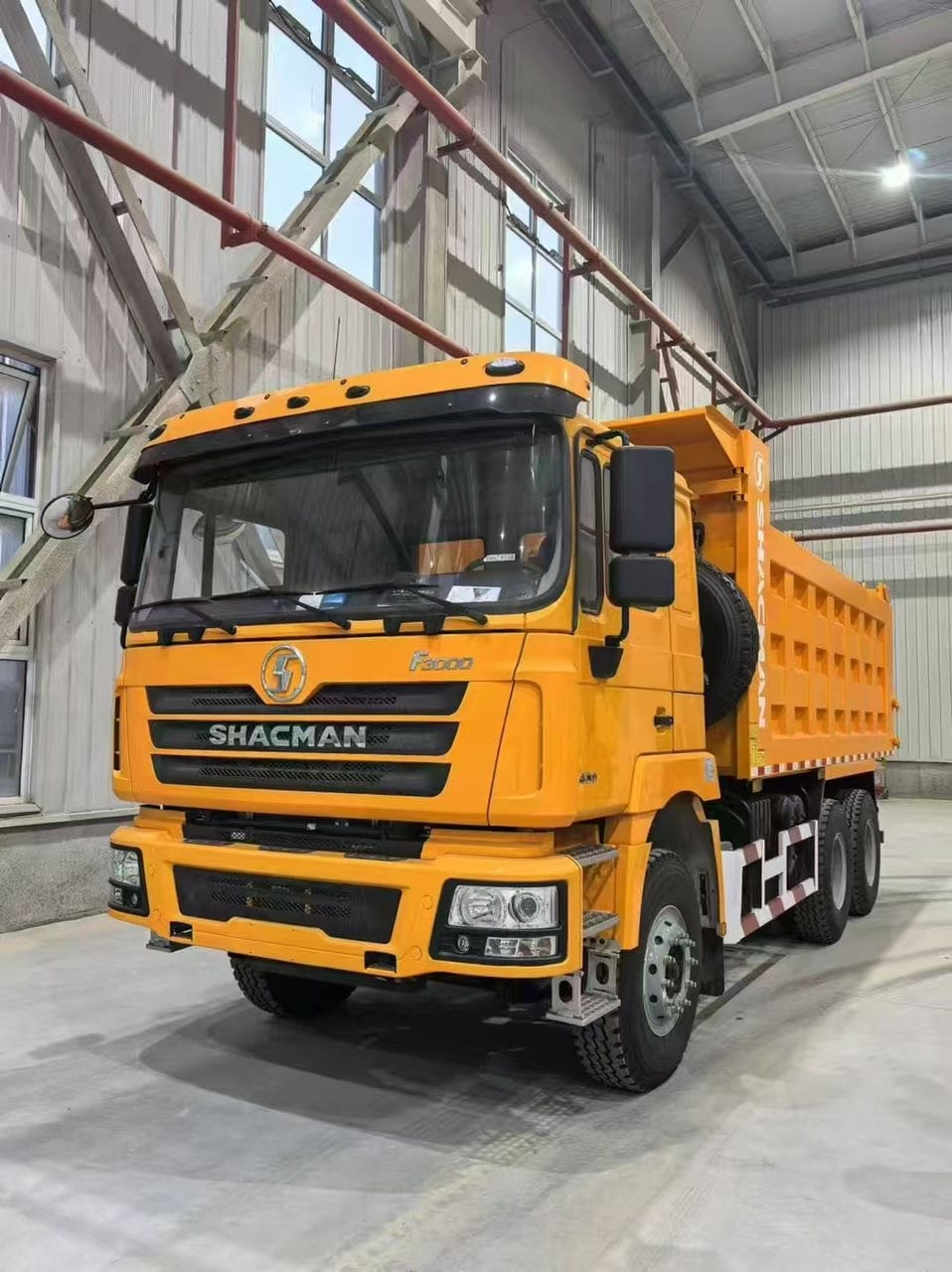
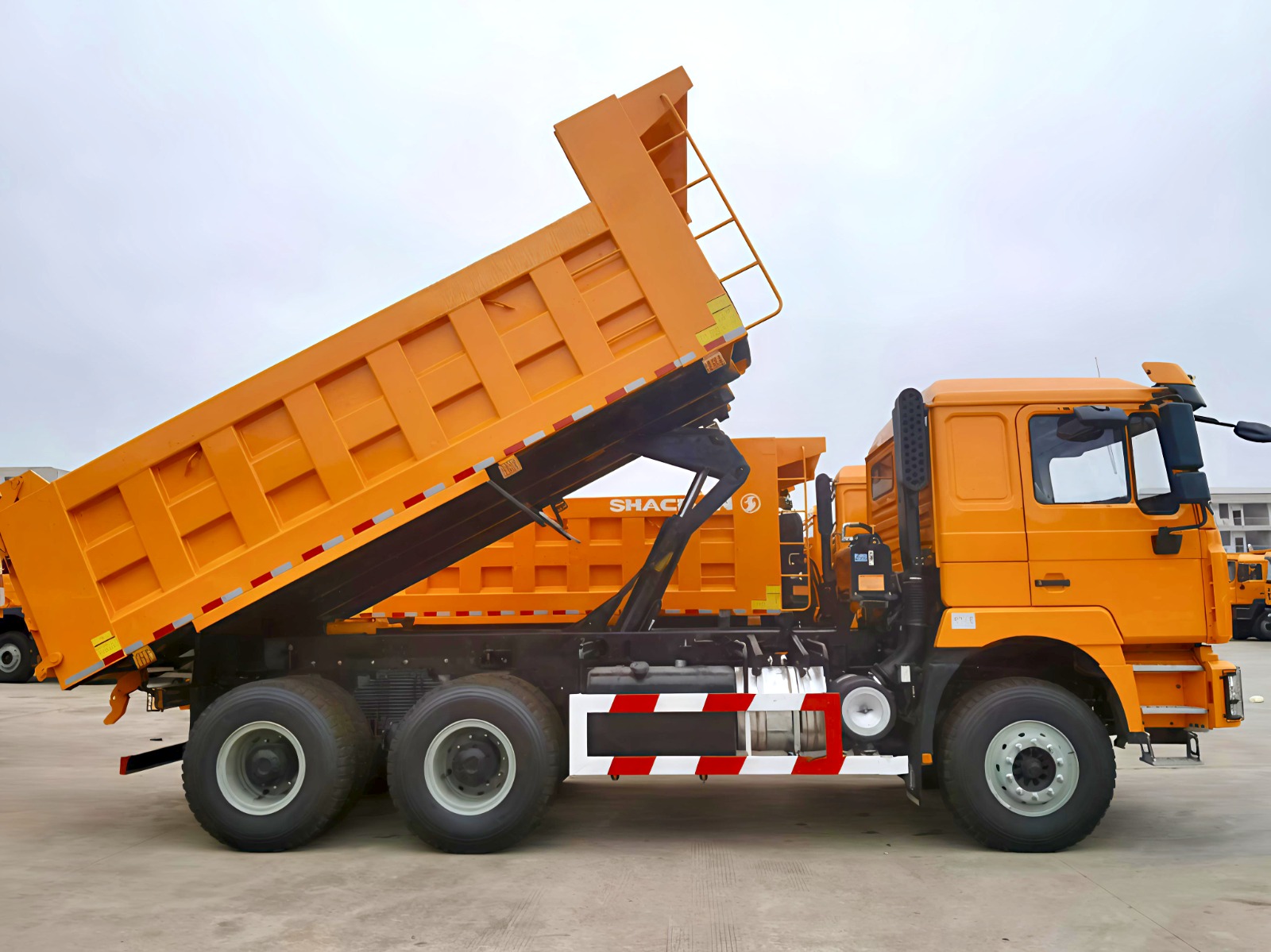
2.2 Trucking & Road Freight More than 90% of regional freight is transported by road.
Small fleet owners (1–5 vehicles) with poor maintenance and low utilization dominate this fragmented industry.
Investment perspectives:
Consolidation strategy: assemble a fleet of 50–200 contemporary, mid-size vehicles with fuel management, GPS tracking, and preventative maintenance.
specific cross-border routes (e.g., Lomé–Ouagadougou, Lagos–Accra, Abidjan–Bamako).
Digital load-matching freight brokerage and marketplaces facilitated by technology, such as Kobo360 (Nigeria) and Lori Systems (East Africa, but model applicable).
Cold chain transportation of perishables (fish, fruits, and medications).
2.3 Industrial & Warehouse Real Estate The majority of storage is out-of-date or informal, and modern warehousing stock is incredibly rare.
Investment perspectives:
Grade-A logistics parks with multi-client warehouses close to important consumer hubs (Lagos, Accra, Abidjan, Dakar).
Build-to-suit for anchor tenants (pharmaceutical companies, e-commerce, and FMCG multinationals).
Cold storage facilities for pharmaceuticals and agro-exports close to ports and airports.
bonded warehouses for storage suspended by customs.
Nestlé, Unilever, e-commerce companies like Konga and Jumia, the expansion of third-party logistics (3PL), and pharmaceutical distributors are demand drivers.
2.4 E-commerce & Last-Mile Logistics In important markets, e-commerce is expanding at a CAGR of more than 20%.
Problems include the popularity of cash-on-delivery, inadequate address systems, and a dependence on motorcycles.
Investment perspectives:
Pickup/drop-off (PUDO) networks, smart lockers, and last-mile delivery networks utilizing bikes and vans.
fulfilling orders from international marketplaces through cross-border e-commerce.
IT platforms that provide businesses with delivery management and route optimization.
2.5 Agro-Logistics & Cold Chain Due to a lack of a cold chain, 30–50% of perishable produce in West Africa is lost after harvest.
Significant potential for cold storage close to export hubs, refrigerated transportation, and cooling at collecting sites.
Strict cold chains are also necessary for pharmaceuticals (such as insulin and vaccines), which are frequently required by international health initiatives.
2.6 Inland Waterways & Rail (Niche) Rail revitalization initiatives include Dakar–Bamako (Senegal/Mali), Abidjan–Ouagadougou (Côte d’Ivoire/Burkina Faso), and Lagos–Ibadan–Kano (Nigeria).
The majority of investment comes from government bids or public-private partnerships (PPPs), mostly for wealthy operators and construction companies.
Although river logistics—such as the Niger River—are still in their infancy, they have the potential to facilitate bulk agricultural transportation in remote places.
- The Trade and Regulatory Environment ETLS, or ECOWAS Trade Liberalization Scheme
designed to make it possible for locally made items to travel between member nations duty-free.
Reality: There are still many non-tariff obstacles (such as roadblocks and illegal levies), and implementation is uneven.
Customs brokers, bond systems like the ISRT (Inter-State Road Transit) in Côte d’Ivoire/Mali, and transit regimes like T1 must all be understood by logistics investors.
AfCFTA
Cross-border freight could potentially be made simpler by gradually eliminating tariffs and harmonizing rules of origin.
Logistics companies that locate themselves along important corridors now stand to gain as trade volumes increase, although this is still in its early stages.
Clearance & Customs
Although they are getting better, pre-arrival clearance systems (such as Ghana’s ICUMS and Nigeria’s NICIS) are still prone to delays.
It is essential to collaborate with trustworthy customs officers and, when possible, to use Authorized Economic Operator (AEO) programs.
- Highlights Particular to a Country Strengths in National LogisticsImportant Corridors: Dangers and Notes Nigeria is the largest market; demand for other gateways (dry ports, Lekki Deep Sea Port) is driven by severe port congestion.Lagos–Kano, Lagos–Onitsha, Lekki corridor Naira instability, high diesel prices, and security (road banditry in the north). Lagos is seeing a rise in IT logistics and e-commerce. Ghana’s port at Tema is getting better, logistics parks are expanding, and the country is generally stable.Accra–Kumasi stable currency (cedi), improved power supply, and Tema–Ouagadougou (landlocked Burkina). A good regional model test bed. The port of Abidjan has been upgraded, and Côte d’Ivoire is a major regional hub for Francophone West Africa.Abidjan–Bamako, Abidjan–Ouagadougou Strong need for agro-export logistics (cocoa, cashew); political danger has diminished. Operations require proficiency in French. Stable democracy; new Blaise Diagne airport and Senegal’s Dakar port.The Dakar–Bamako rail line and the Dakar–Nouakchott rail corridor are strategically important but smaller local markets. A good pharmacy hub and cold chain. Benin/Togo Gateway to landlocked Sahel and Nigeria (Cotonou); Lomé boasts an effective deep-water port.Lomé–Ouagadougou, Cotonou–Niamey Transit volumes are impacted by political changes in the Sahel. Togo’s port efficiency serves as an example. Landlocked countries (Burkina Faso, Mali, Niger) rely heavily on maritime lines and have pure transit markets.Abidjan, Lomé, Tema, and Cotonou corridors have high security threats (terrorism, coups). Instead of making direct investments, concentrate on providing them with services from coastal hubs.
- Entry Strategies & Investment Models Greenfield and Direct Equity
Create your own logistics business (trucking, warehousing) with local licenses and incorporation.
Advantages: total control. Cons: high learning curve and lengthy setup time.
Suggested for those who have a staff with experience in Africa.
Collaborations with Regional Operators
Join forces with a reputable local logistics or trading company that owns trucks, real estate, or clientele.
Local partners provide market access and regulatory guidance, while foreign partners contribute finance, technology, and procedures.
lessens political risk and the “know-who” gap.
Purchasing and Building
Purchase and professionalize a current mid-size freight forwarder, 3PL, or warehouse operator.
roll-up approach among dispersed transportation companies.
demands cultural awareness and good post-merger integration abilities.
Asset-Light Technology Framework
Last-mile marketplace, on-demand warehouse aggregation, and digital freight brokerage.
Reduced capital expenditures, yet it necessitates user acquisition budgets, deep tech talent, and resolving payment and trust difficulties.
Examples that could be duplicated in Francophone areas are Kobo360 and Amitruck (Kenya).
Venture capital and private equity
Invest in logistics firms with rapid growth (e-logistics, last-mile, cold chain).
Typical fund sizes range from $5 to $30 million, with an emphasis on Series A and B.
exits through clever sales to regional corporations or worldwide logistical behemoths.
PPPs and Infrastructure Funds
massive logistics, rail, and port parks.
long-term (15–30 year) concessions, frequently supported by government guarantees or development financing institutions (DFIs).
Ideal for investors in institutions.
- Incentives & Capital Sources Institutions for Development Finance (DFIs)
Debt, equity, and guarantees are provided by IFC, AfDB, EIB, DEG, FMO, Proparco, and BII (previously CDC).
They can de-risk projects for commercial co-investors and frequently accept minority holdings.
Agencies for Export Credit
If you purchase equipment (trucks, handling gear) from a certain nation, its ECA may provide financing that is appealing.
Local Rewards
Certain nations, such as Ghana’s Free Zones and Nigeria’s Export Processing Zones, provide tax vacations for industrial zones.
If you are registered as an authorized logistics operator, you will receive lower duties on imported logistics equipment.
- Hazards and How to Reduce Them Currency volatility (Naira, CFA franc) Maintain offshore reserves, invoice in hard currency for cross-border transactions, match revenues and expenses in the same currency, and hedge whenever possible (forex forwards in the CFA zone). Instability in politics and regulationsMaintain connections with business councils and embassies, diversify among several ECOWAS states, and hire capable local legal counsel. Insurance against political risk (MIGA, ATI). Use escorted convoys on dangerous routes, install GPS tracking and immobilizers, collaborate with private security companies, and obtain insurance to prevent theft, kidnapping, and terrorism. Bureaucracy and corruptionStrict compliance rules, transparent processes, avoid facilitation payments; collaborate with credible customs agents. Participate in anti-corruption campaigns. Infrastructure failure (power, roads)Invest in off-grid solar for warehouses, have a backup generator, keep spare parts on hand, and drive tough cars. Property rights and land tenureIf title is unclear, do comprehensive title searches, work with knowledgeable local law firms, and think about built-to-suit lease arrangements instead of buying the site outright.
- Useful Steps to Begin Market Research and Corridor Choice Determine which city pair or trade channel has the most severe logistical issues and where you have a competitive advantage (e.g., temperature-controlled, cross-border knowledge).
Identification of Local Partners Engage local chambers of commerce, go to industry events (Logistique Afrique, Africa Supply Chain Summit), and use DFI networks to locate reliable operators.
Regulatory Configuration Incorporate locally, get a freight forwarding or transport license, register with necessary customs and tax authorities. Language and regional notary procedures are crucial in Francophone Africa.
Operation of the Pilot Start with a small fleet or a single warehouse, test operating assumptions, revise cost models, and develop a track record before scaling.
Secure Equipment & Technology Source reliable trucks (typically used European or Asian imports, though new is gaining appeal), invest in telematics (fleet management, fuel monitoring), and establish a transport management system (TMS) from day one.
Financial Modeling & Capital Raise Build elaborate models integrating high fuel prices, border waits, empty miles, and insurance. Approach DFIs and impact investors who understand the market.
Compliance, Safety & ESG Strong environmental and social governance (ESG) metrics promote access to DFI funds and foreign clients. Give road safety, driver welfare, and carbon efficiency first priority.
- The Future: Themes Influencing Logistics in West Africa Cargo flows will change as a result of port decongestion and the emergence of new deep-sea ports like Lekki and Kribi in Cameroon.
Paperless trade and digital customs will shorten clearing times and open doors for integrated 4PLs.
In metropolitan regions, same-day or next-day delivery expectations will be driven by e-commerce and fast commerce.
Alternative fuels and electric vehicles are starting to appear (solar-powered cold rooms, motorcycle EV swaps in Lomé).
Regional consolidation: Smaller firms will probably be absorbed by a few pan-West African logistics platforms.
Operational excellence, local trust, and unwavering problem-solving are the keys to success in West African logistics, so it’s not for the timid. However, the opportunity to create a vital, lucrative foundation for a quickly expanding industry is remarkable for investors who make long-term commitments to the area.