
On Wednesday, Canada’s federal government began holding consultations on broad changes to its large project regulatory system. The proposal calls for capping federal review and decision-making timescales for all mining and infrastructure projects to one year after supporters submit all relevant data. Building on the creation of the Major Projects Office (MPO) in August 2025, the historic action intends to unlock Canada’s resource wealth and lessen dependency on the U.S. market. It has already caused a strong increase in local mining stocks.
Trade Disruption Causes a Strategic Change
The movement for reform takes place in the context of significant disruptions to international trade. Since early 2025, the Trump administration’s protectionist policies have created a great deal of uncertainty for Canada’s economic prospects. Tariffs on steel and aluminum have rekindled tensions in international trade and highlighted the dangers of becoming overly dependent on one market.The foundation of Canada’s economy is its resource industry, which in 2024 contributed C$459 billion to nominal GDP, or 16% of overall output. Over half of all Canadian goods exports, or C$383 billion, were made up of resource-based commodities, with around 75% going to the US. With mining regulation reform emerging as a key policy issue, Prime Minister Mark Carney’s Liberal Party won the 2025 federal election on a program of economic diversification and accelerated nation-building.
A Complete Makeover Unlocks a C$126 Billion Pipeline
The one-year approval assurance serves as the foundation for the simplified framework for mining development created by the proposed amendments. This fundamental commitment is supported by five complementary measures: the creation of a Crown Consultation Hub to implement a “one community, one project, one consultation” process; the introduction of a single comprehensive federal decision for all permits and approvals; the transfer of regulatory authority for particular projects to the most knowledgeable federal bodies; the establishment of federal economic zones through regional impact assessments; and the maintenance of strict environmental standards while respecting Indigenous rights.
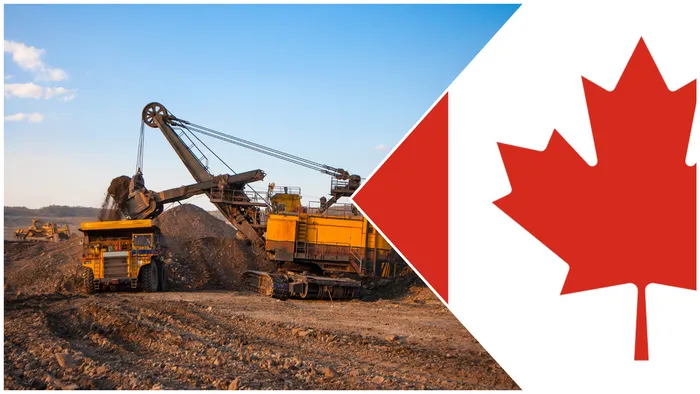
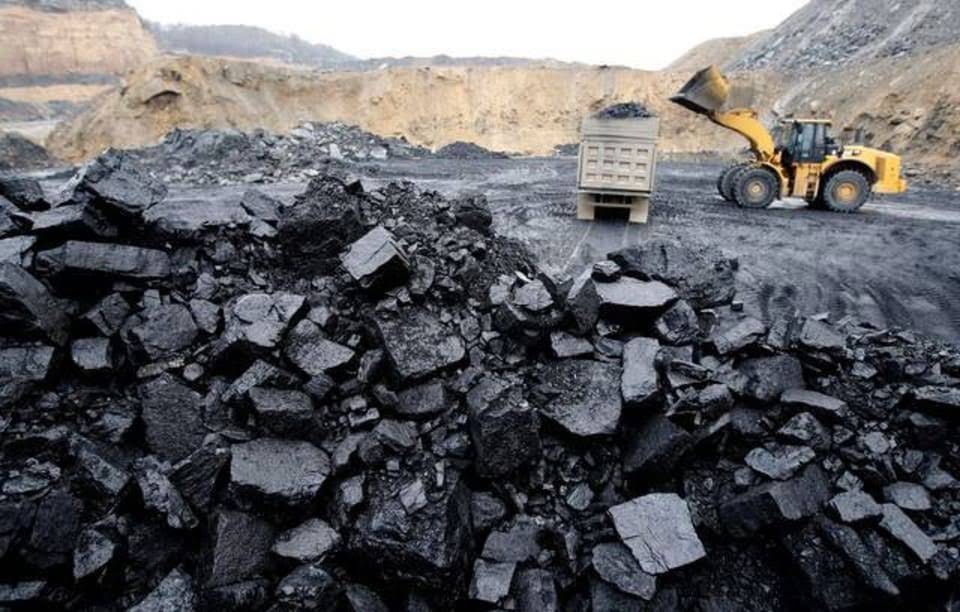

The MPO has already approved 21 nation-building projects—15 particular projects and six transformative strategies—representing over C$126 billion in total investment and supporting over 60,000 well-paying employment. These actions expand the organization’s operations. The federal government boosted the Indigenous Loan Guarantee Program from C$5 billion to C$10 billion and broadened its scope to encompass significant projects in all economic sectors in order to increase Indigenous engagement in resource development.
Sharp Gains in Capital Markets’ Reaction
Since reform expectations started to grow, a number of Canadian mining equities have seen significant gains, demonstrating how rapidly policy confidence has transferred into market momentum. The share price of Canada Nickel Company (TSXV: CNC) increased by more than 70%, from C$1.03 on November 6, 2025, when its Crawford nickel deposit was named a national interest project, to C$1.76 on May 13, 2026. After its Sisson tungsten mine project was approved, Northcliff Resources Ltd. (TSX: NCF) produced even better gains, rising from C$0.18 to a top of C$0.58 and continuing to trade at C$0.38 on May 13 for a 111% gain.
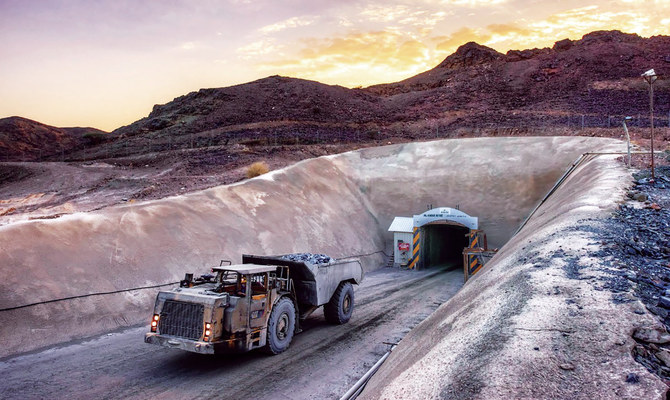
Leaders in the sector are reacting by making significant investment pledges. The third-largest gold producer in the world, Agnico Eagle Mines Ltd., recently revealed plans to invest about $14 billion in Ontario, with $12 billion going toward current operations through 2030 and $2 billion going toward the expansion of the Detour Lake Underground gold mine and the Upper Beaver gold-copper development. It is anticipated that the investment will boost Ontario’s GDP by around $5 billion and generate 1,600 new employment.
The Federal Agenda Is Aligned with Provincial Governments
Provincial governments have enthusiastically embraced federal changes and are putting complementing measures in place to draw mining investment. With its “One Project, One Process” structure, which unifies cross-ministerial approvals, Ontario has set the standard. Agnico Eagle’s historic investment was made possible by the province’s establishment of a C$70 million Indigenous Participation Fund and the tripling of its Indigenous Opportunities Financing Program to C$3 billion in loan guarantees.
In an effort to modernize permitting procedures, New Brunswick has gone so far as to propose legislation to repeal and replace its 41-year-old Mining Act. The strategically important Lake George antimony project, which has about 800,000 metric tons of antimony-bearing ore with an estimated in-situ value of $1 billion at current market rates, is being vigorously pursued by the province in search of private partners.
Despite optimism, risks still exist.
Although industry has mostly embraced the reforms, doubts nevertheless exist. The government has not yet disclosed specifics on how environmental review procedures would be modified, and environmental organizations have expressed worries that expedited timetables may jeopardize the integrity of environmental evaluations. Furthermore, regardless of legislative advancements, commodity price volatility continues to be the principal factor influencing mining firm success.
However, Canada’s mining reform signifies a significant change in its economic approach. The nation is putting itself in a position to turn its enormous resource endowment into a competitive advantage in the global competition for vital minerals by lowering regulatory friction and boosting policy certainty.