
Rio Tinto CEO Simon Trott is driving a company-wide cost-cutting initiative, which aims to streamline the company for billions in savings and has put jobs squarely in the spotlight.
💼 A Trillion-Dollar Restructuring
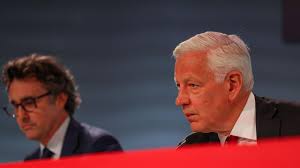
At the company’s recent annual general meeting in Perth, Trott announced that streamlining operations is central to the mining giant’s new strategy.
- New Business Divisions: Since taking over in August 2025, Rio Tinto has been reorganized into three main divisions to simplify management and improve accountability:
- Ambitious Financial Targets: The CEO has targeted unlocking 5billionto5billionto10 billion from the company’s asset base through a combination of divestments and operational efficiencies.
- Efficiency Gains So Far: Trott noted that operations have already delivered US$650 million in productivity benefits since his tenure began.
👀 The Job Situation
Much of the attention is centered on the future of Rio Tinto’s workforce, especially its white-collar employees. While Trott has declined to comment on specific numbers, reports have painted a clear picture.
- Potential White-Collar Cuts: There are widespread reports, citing company sources, that Rio Tinto could cut as much as 20% of its white-collar workforce at its headquarters in Perth, Australia. Some media outlets have suggested these cuts could be as high as 20%.
- Focus on Global Streamlining: Trott has confirmed the company is streamlining operations across all divisions globally, not just in Perth. This follows an earlier announcement of unspecified job cuts affecting non-union roles in Canada’s Newfoundland and Labrador and Quebec operations.
- Shielding Frontline Roles: A key point during the AGM was Trott’s assurance that frontline and operational mine site roles will be protected from the redundancies. The changes are focused on management and support functions.
🏗️ Enduring a “Winning Formula”
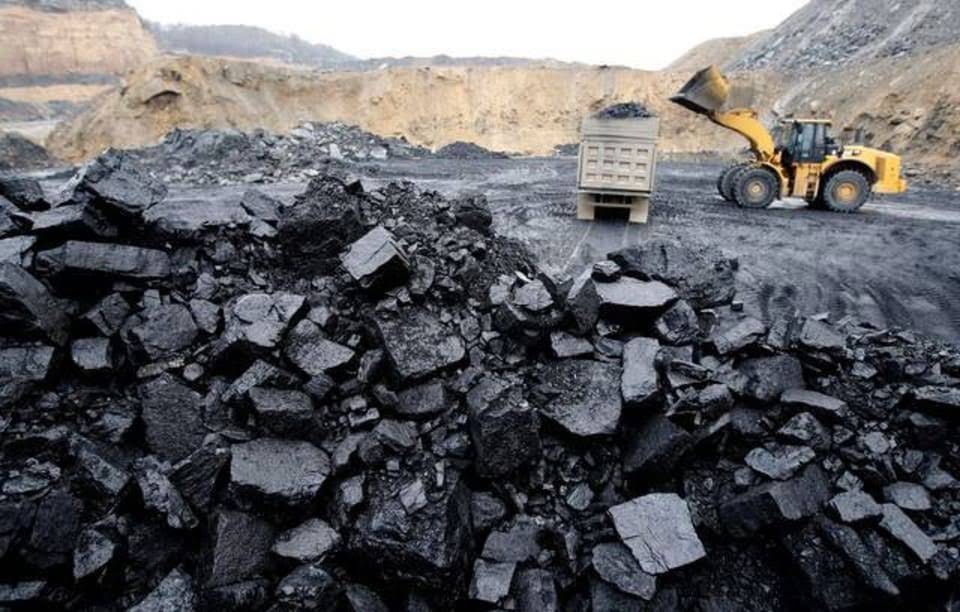
The cost-cutting comes as Rio Tinto doubles down on its diversified portfolio, which Chairman Dominic Barton called a “winning formula”.
Trott believes the company’s mix of assets—the “amazing assets and development assets in lithium, aluminium and copper”—positions it for the future, with long-term demand tied to electrification and energy security.
Chairman Barton framed the present moment as one of intense global change, noting that de-globalization and supply chain fragmentation are increasing competition for mined materials. “The fragmentation and the fact that everyone wants materials for their own place totally affects the supply chain, which means we have more demand, and it’s still hard to put these online,” Barton