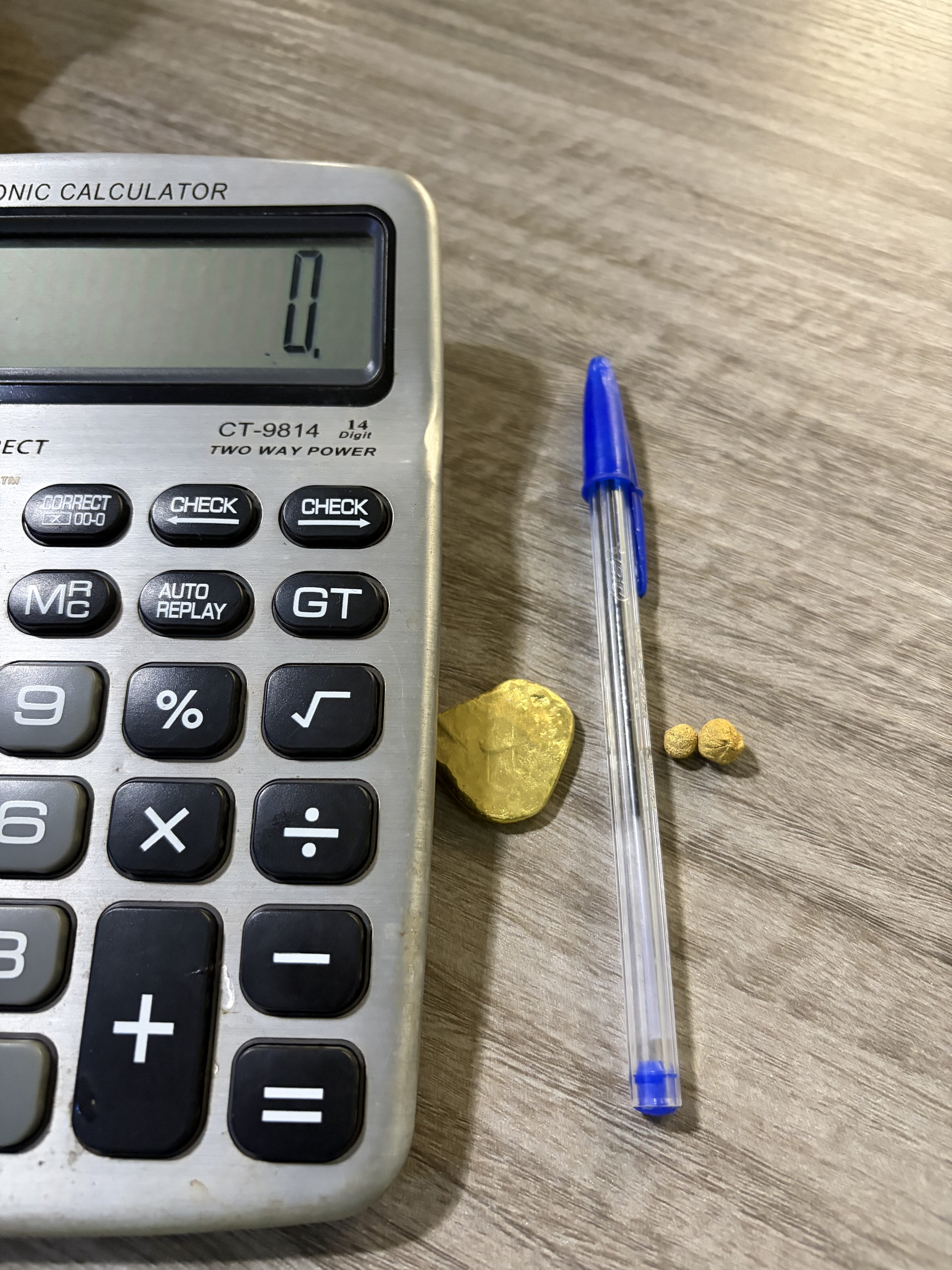

Gold prices remain under pressure, with spot gold trading around $4,627–$4,656 per ounce on April 7, 2026, as heightened geopolitical tensions, a stronger U.S. dollar, and shifting interest rate expectations continue to drive sharp fluctuations in the precious metals market. After touching an all-time high of approximately $5,600 per ounce in late January, gold has experienced a volatile first quarter, including a 16% correction from its peak and its worst monthly performance since 2008 in March.
🚨 Market Snapshot (April 7, 2026)
| Instrument | Price | Change |
|---|---|---|
| Spot Gold | $4,627–$4,656/oz | -0.5% to -0.6% |
| COMEX Gold Futures | ~$4,656/oz | -0.6% |
| Spot Silver | $71.94–$72.39/oz | -1.2% to -0.6% |
| Brent Crude | ~$110/bbl | Volatile |
| U.S. 10-Year Yield | ~4.38% | Elevated |
Source: CNBC TV18, Investing.com, Wedbush
📉 Why Are Gold Prices So Volatile?
Gold’s traditional safe-haven appeal has been overridden by macro factors, creating a paradoxical environment where escalating conflict fails to boost bullion prices. Several forces are driving the volatility:
1. Geopolitical Tensions – The Iran Factor




U.S. President Donald Trump has set a Tuesday 8 p.m. ET deadline for Iran to reopen the Strait of Hormuz, warning that Iran could be “taken out” if it fails to comply. Iran has rejected a U.S.-backed 45-day ceasefire proposal, instead demanding sanctions relief and security guarantees. The standoff has disrupted global energy flows, pushing Brent crude above $110 per barrel.
2. Inflation Fears & Higher-for-Longer Rates
Rising oil prices have stoked inflation expectations, which in turn dampen prospects for near-term interest rate cuts by the Federal Reserve. Higher interest rates reduce the appeal of non-yielding assets like gold. The market now prices near-zero chance of rate cuts in 2026, with some analysts even discussing the possibility of a rate hike.
3. Stronger U.S. Dollar
The U.S. Dollar Index has climbed above the 100 mark, making gold more expensive for international buyers and adding downward pressure on prices.
4. Liquidation & Margin Calls
The sharp market moves have forced forced liquidations from hedge funds that were over-leveraged in “long gold” trades. Investors have also been selling gold to cover losses elsewhere and meet margin calls.
5. Overheated Positioning
Gold’s rapid ascent in January – rising too quickly – attracted speculative “hot money.” When sentiment shifted, these risk-tolerant investors fled, amplifying the downside. Gold’s implied volatility rose, and its correlation with equity markets increased, temporarily weakening its traditional避险 properties.
🏦 What Major Banks Are Saying (Bullish Long-Term)
Despite near-term weakness, major financial institutions remain overwhelmingly bullish on gold’s long-term trajectory.
| Institution | 2026 Year-End Target | Key Rationale |
|---|---|---|
| Goldman Sachs | $5,400/oz | Private investor “stickiness,” central bank buying (~60 tonnes/month), ETF inflows (~500 tonnes since 2025), Fed easing |
| UBS | $5,000 avg (2026) | “Risk that gold extends bull run for couple more years is rising” |
| Merrill | $5,500–$6,000 (end-2026) | Structural factors (fiscal deficits, dollar weakness, central bank diversification) intact |
| Various analysts | Long-term uptrend | De-dollarization, U.S. fiscal sustainability concerns, central bank gold purchases |
Source: Goldman Sachs, UBS, Merrill, Business Standard
Goldman Sachs recently reaffirmed its $5,400 year-end target despite gold’s worst