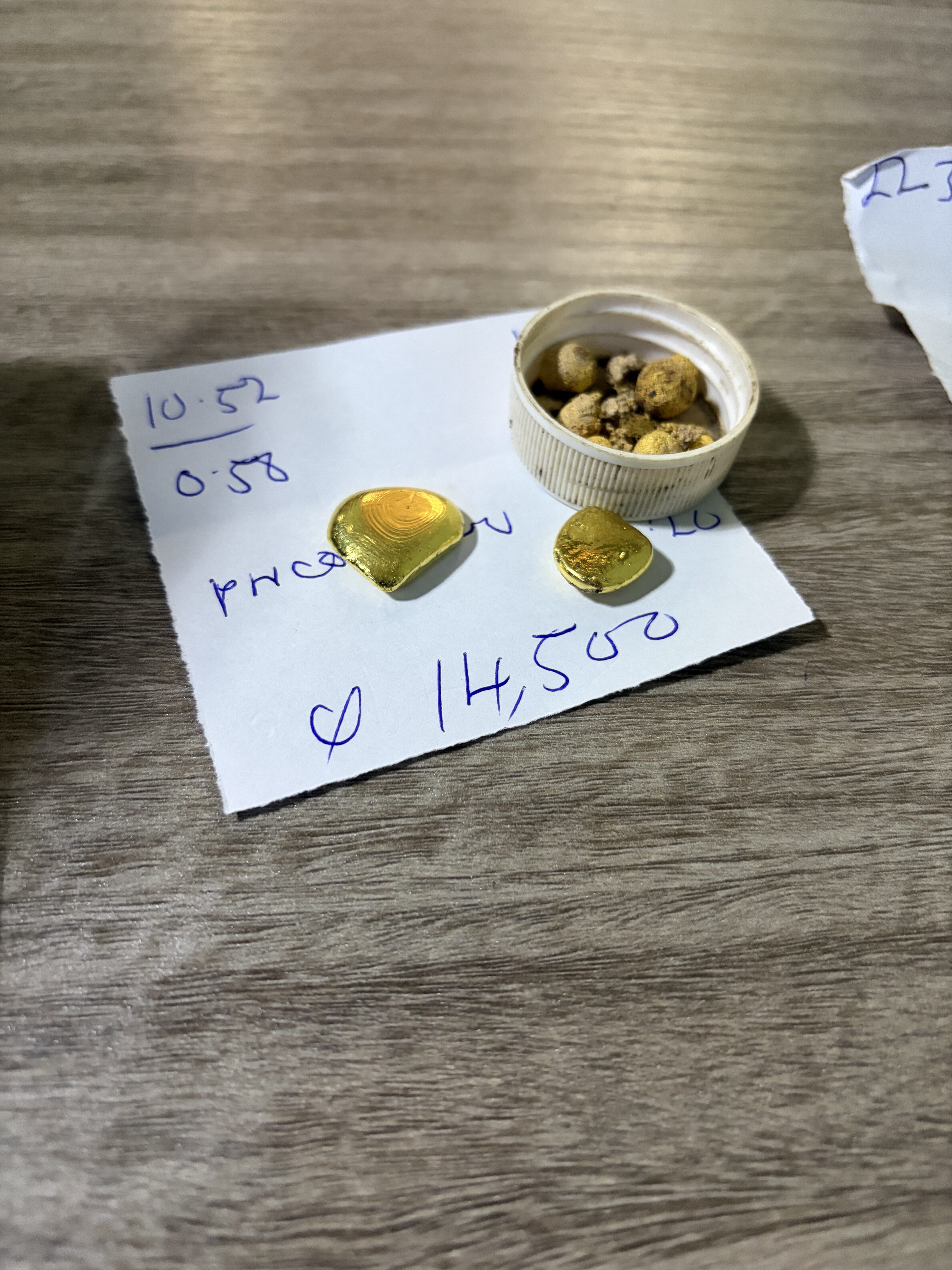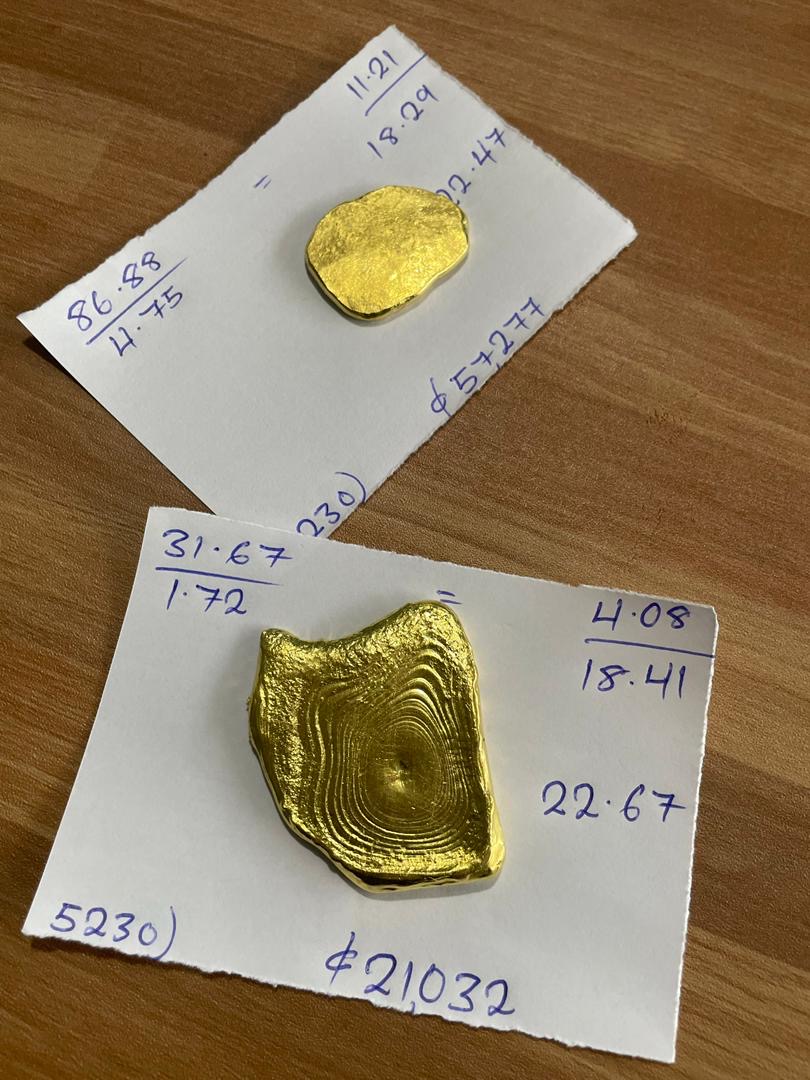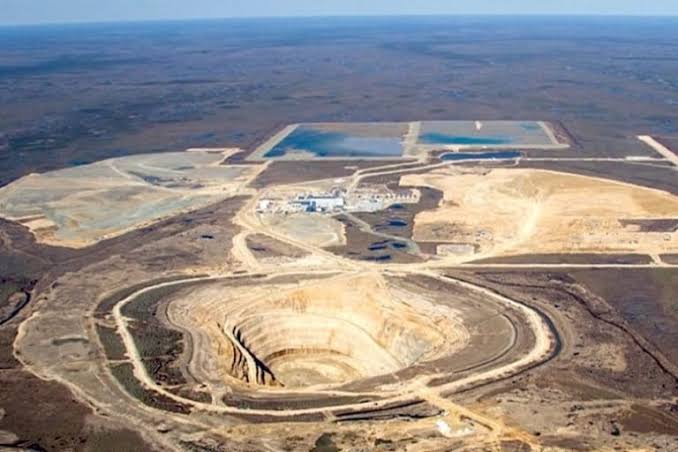

Starting a gold mining operation in Africa can be a rewarding but challenging venture. This guide provides a high-level overview of the key steps and considerations for new entrants.
⚖️ Legal and Regulatory Considerations: Know the Rules of the Game
Before prospecting for gold, it’s crucial to understand the legal landscape. Before prospecting for gold, it’s crucial to understand the legal landscape, which varies by country but is becoming stricter. Several African nations, including Ghana, Mali, and Guinea, are rewriting ownership rules and increasing state participation in mining projects. A major trend is the move to a “performance-first” model, where governments are revoking mining licenses from investors who fail to actively develop their assets and meet their obligations.

Here are some other critical trends to watch:
- Higher State Participation: Many countries are demanding larger stakes in mining projects. For example, Mali has updated its mining code to increase state and local participation in projects to at least 35%.
- Reserved Sectors: In Ghana, small-scale mining licenses are reserved exclusively for Ghanaian citizens. Foreigners are strictly prohibited from participating in this sector.
- Gold Trade Controls: In a significant shift, Ghana has prohibited foreigners from directly trading gold, with all exports now requiring a special ministerial license.
- New Laws and Incentives: Keep an eye on new regulations like Zambia’s 2026 Local Content Law, which mandates mining companies to prioritize local suppliers and labor. Conversely, Zimbabwe has recently reduced mining fees and introduced tiered pricing to attract investment.
- Streamlined Permitting: South Africa has implemented new legislation aimed at cutting mining permit approval times from 3 years to just 90 days.
🗺️ A Step-by-Step Guide to Starting Your Operations
- Conduct Detailed Research and Choose Your Country
- A thorough feasibility study and risk assessment for your chosen country are non-negotiable first steps. This research should cover political stability, security, infrastructure, and the local fiscal regime (taxes, royalties).
- Consider countries like Ghana, with 140.6 tonnes of gold reserves and a mature industry, South Africa, Zimbabwe, DRC, Côte d’Ivoire, Mali, and Tanzania, all of which are major producers with billions of dollars in recent investment.
- Secure the Correct Mining License
- The process to get a license can be complex and has different stages. You will need to apply for the appropriate permit through the country’s mining ministry.
- The main types of licenses are:
- Reconnaissance Permit: For initial surveys and mapping over a large area; you cannot drill or excavate.
- Exploration/Prospecting License: Grants you the right to explore a specific area and take samples.
- Mining Lease: The final permit that gives you the right to commercially extract and process ore. In Ghana, this can be for up to 30 years and is signed by the President.
- Many countries have shifted to a stricter, performance-based regime, where licenses are tied to progress. If you secure a license, you are expected to commit to a development timeline.
- Build Strong Local Partnerships
- You cannot operate in a vacuum. Forming joint ventures with licensed local companies is essential for gaining community acceptance, navigating bureaucracy, and securing permits. At the same time, be aware that local companies must often retain significant ownership, as in Tanzania where local firms must have a minimum 5% shareholding.
- Beyond legal partners, building relationships with local governments, tribal leadership, and community stakeholders is critical to securing land access and mitigating disputes.
- A major part of this is signing a Community Development Agreement (CDA) , which commits you to investing a portion of your revenue into local infrastructure and social projects.
- Develop Your Mine and Process the Ore
- Exploration: Once you have your license, you must conduct detailed geological surveys to quantify your gold resources and define economically viable ore bodies.
- Mine Plan: Develop a plan detailing the mining method (e.g., open-pit, underground), production targets, and a timeline.
- Processing: Acquire the necessary equipment to crush the rock and extract the gold. To mitigate environmental harm and meet increasingly strict standards, consider modern methods like mechanized shaking tables that avoid the use of mercury and cyanide. A growing number of governments, like Ghana and Zambia, are actively promoting mercury-free technologies and supporting miners in adopting them.
- Technology: For small to medium-scale operations, “modular” or “compact” processing plants that are pre-fabricated and easily shipped to Africa are an increasingly popular and affordable option.
- Sell Your Gold and Comply with Export Regulations
- Selling your final product (gold bars or concentrate) is subject to strict government oversight.
- Official Channel: In many countries, the state has a monopoly on gold purchases, especially from small-scale miners. In Ghana, you must sell your gold through the official Gold Board and obtain a special ministerial license to export.
- Documentation: You will need to provide a full paper trail for your gold’s origin to prove it was mined legally.
📊 Considerations for Different Scales of Mining
Your approach will differ significantly based on the scale of your intended operation.
- Artisanal & Small-Scale Mining (ASM): ASM is a significant part of Africa’s gold production, employing over 30,000 people in Zambia alone. As a foreigner, you are generally restricted from owning and operating an ASM mine (especially those under 25 acres) as this sector is reserved for local citizens in most countries. Your best path into ASM is to formalize an existing informal operation into a legal cooperative or business. This involves helping miners obtain licenses, adopt safety measures, and improve their practices.
- Large-Scale Mining (LSM): This is the domain of major industrial mining where capital costs start in the hundreds of millions of dollars. For example, WIA Gold’s feasibility study for a new mine in Namibia estimated a construction cost of US358.8million∗∗[reference:32][reference:33],whileanotherprojectinZimbabwecameinat∗∗358.8million∗∗[reference:32][reference:33],whileanotherprojectinZimbabwecameinat∗∗583.4 million.
🌍 Spotlight on Key Gold Mining Destinations (Q1 2026)
While Africa is not a monolith, some countries stand out for their gold potential.
💰 Financing Your Venture and Understanding Capital Costs
Securing funding is a major hurdle. The required capital varies dramatically based on the scale and nature of the project.
- Capital Costs: For a large-scale mine, initial capital expenditure can range from 250milliontoover250milliontoover580 million.
- Operating Costs: Once running, you face ongoing costs. All-in sustaining costs (AISC) in Africa currently range from 1,000/ozto1,000/ozto1,890/oz.
- Mine Economics: To see if a project makes financial sense, companies use metrics like:
- Net Present Value (NPV): The total value of a project in today’s money, considering all future cash flows.
- Internal Rate of Return (IRR): The expected annual percentage return on the investment. Feasibility studies show IRRs of 32.5% to 38% are possible in the current high gold price environment.
- Payback Period: How long it takes to recover the initial investment. For some African projects, this can be as short as 1.7 to 1.8 years.
💎 Key Takeaways and Your Next Steps
- Due Diligence is Everything: A successful mining venture starts with thorough research into a country’s legal, political, and operational environment. Pay close attention to resource nationalism trends and land ownership issues.
- Formalization is Key: Whether you are small or large-scale, operating legally and transparently is the only path to long-term success.
- Comprehensive Feasibility Studies: Use a scoping study for an initial estimate, but a Definitive Feasibility Study (DFS) is required to secure funding. A DFS provides a bankable, detailed assessment of the mine’s geology, engineering, and financials.
Africa’s gold mining sector holds significant opportunities, but it requires meticulous planning, deep local knowledge, and strict adherence to regulations.
Since every country has unique regulations, which gold mining destination in Africa are you most curious about? Let me know if you’d like a deep dive into a specific nation’s laws, investment costs, or local partnership requirements.