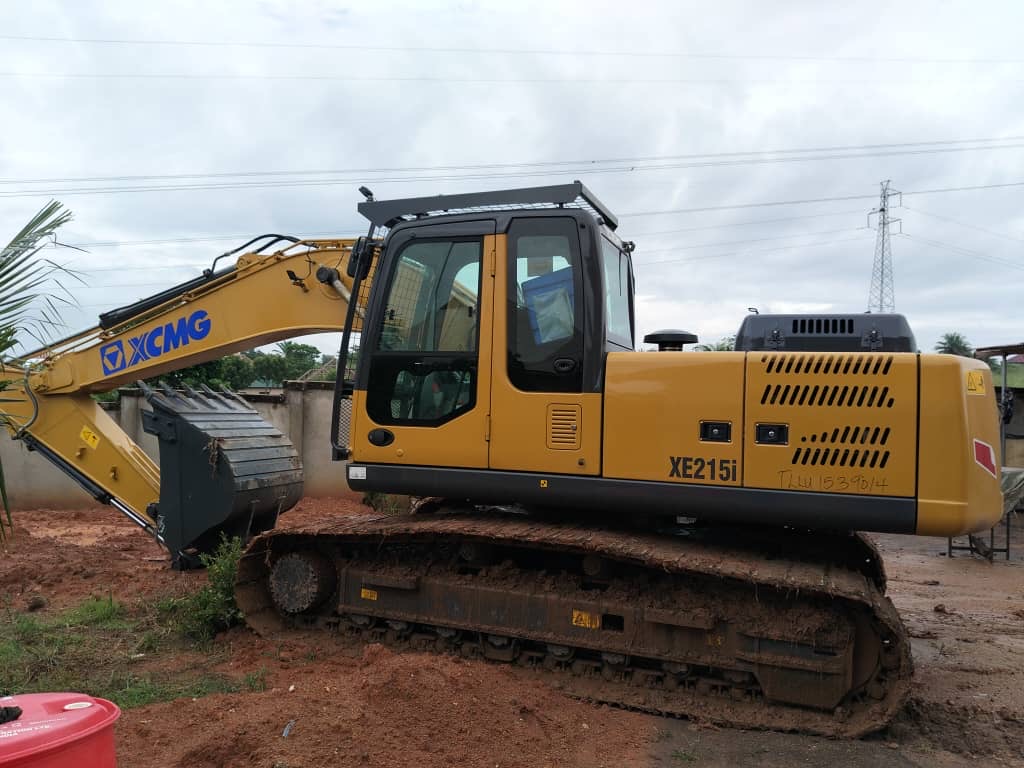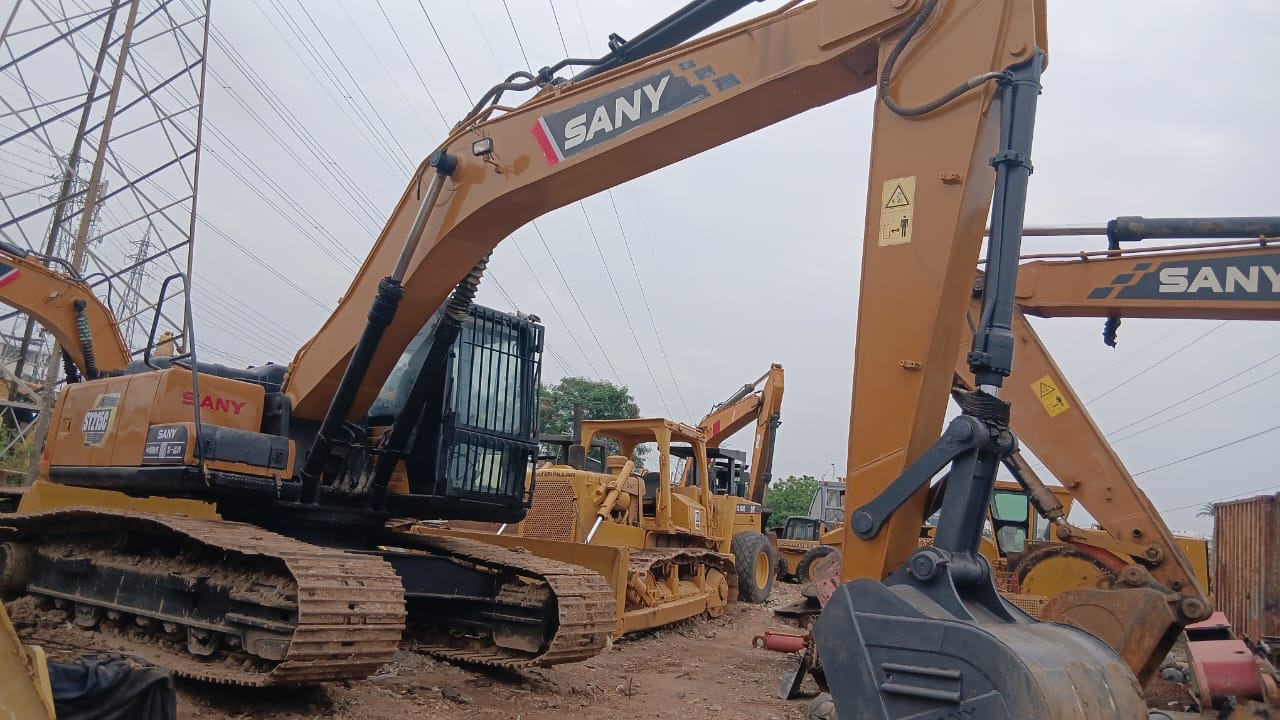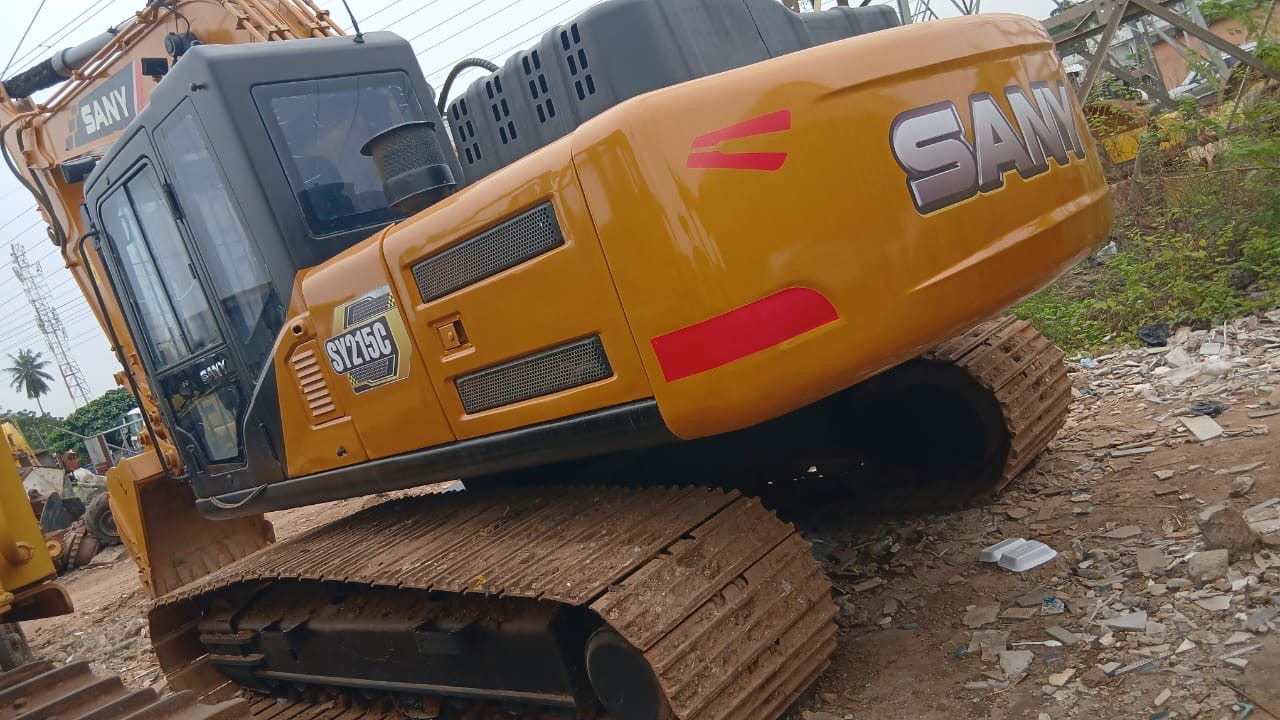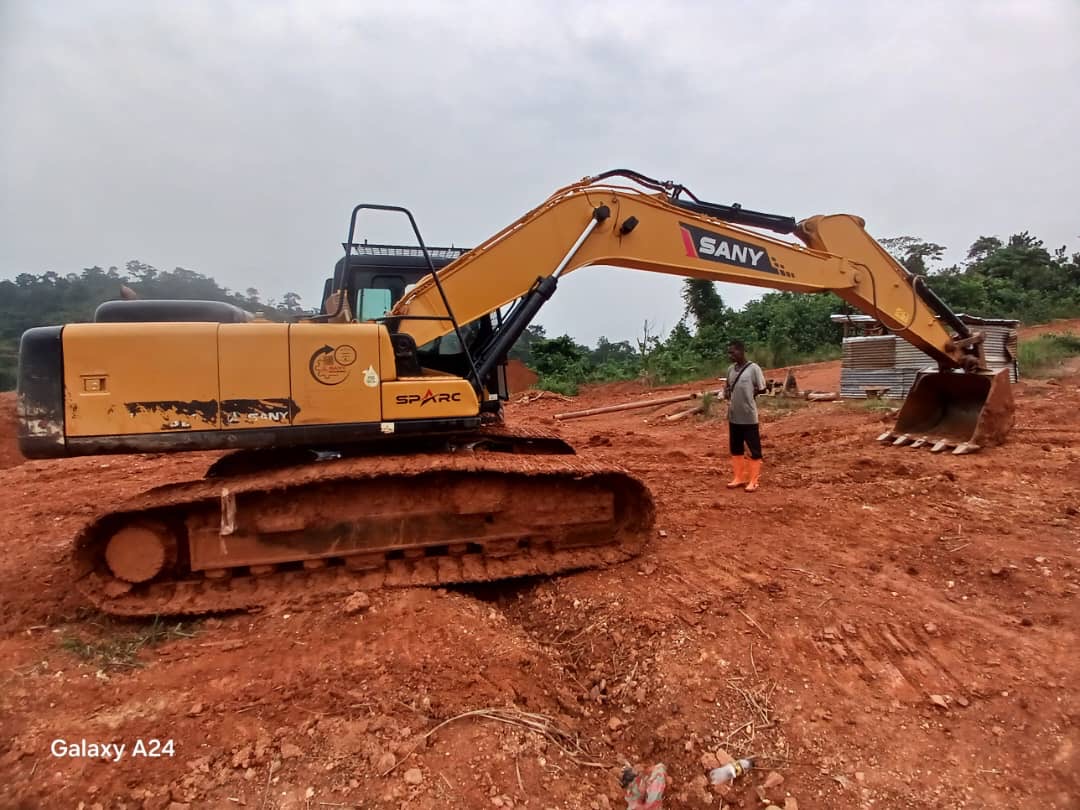

India’s heavy equipment market is dynamic and currently being shaped by a mix of both domestic challenges and strong export growth. For businesses looking to trade, there are several modern digital platforms available, alongside a well-established market for used equipment.
📊 Market Overview: A Tale of Two Trends
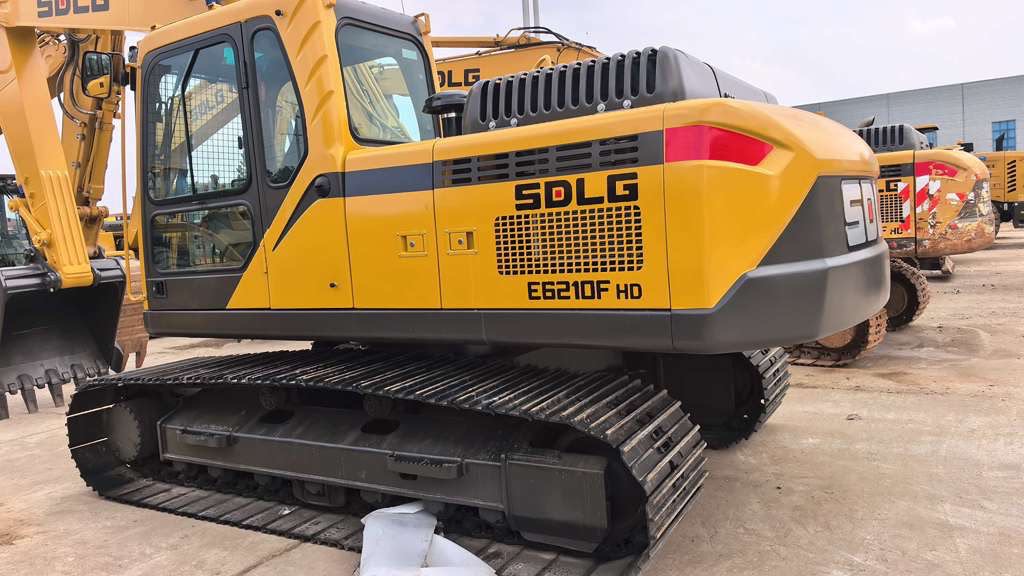
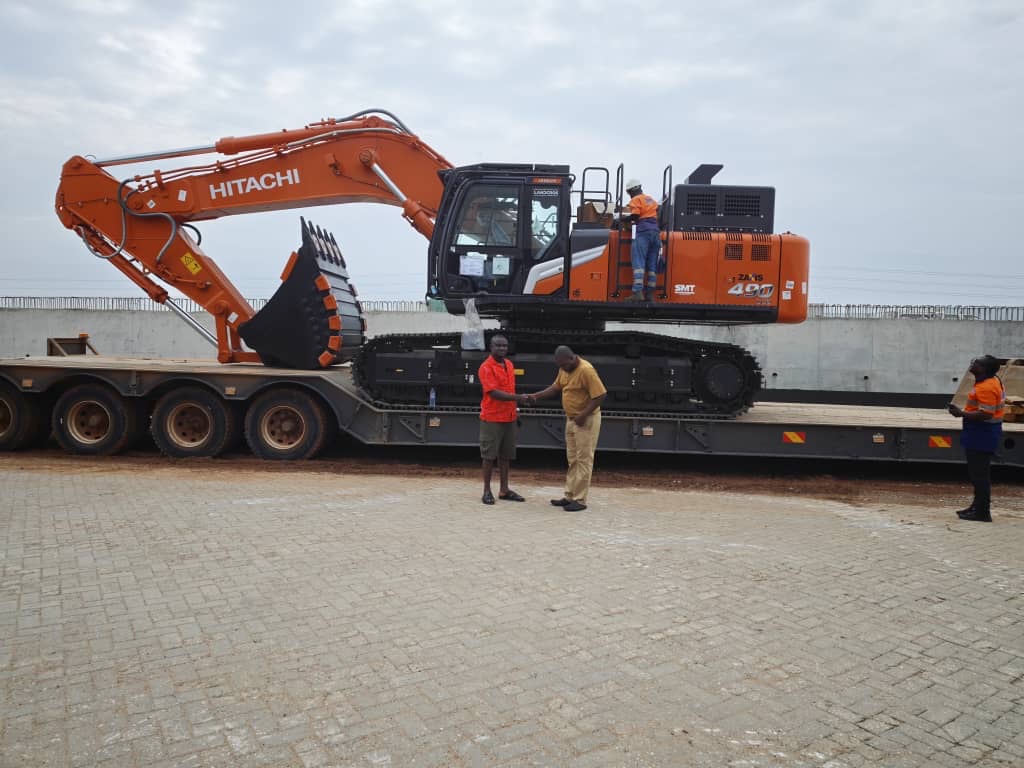
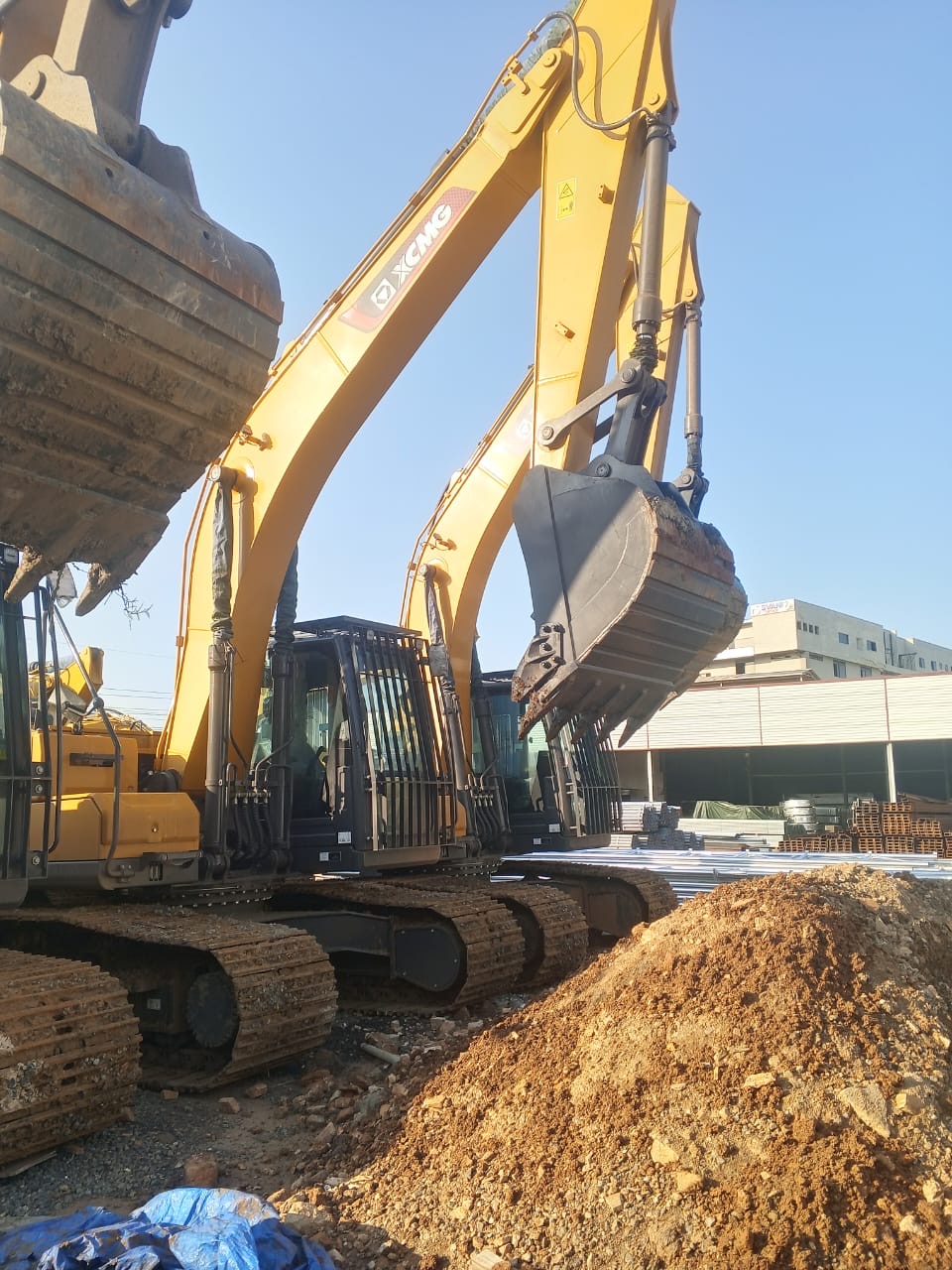
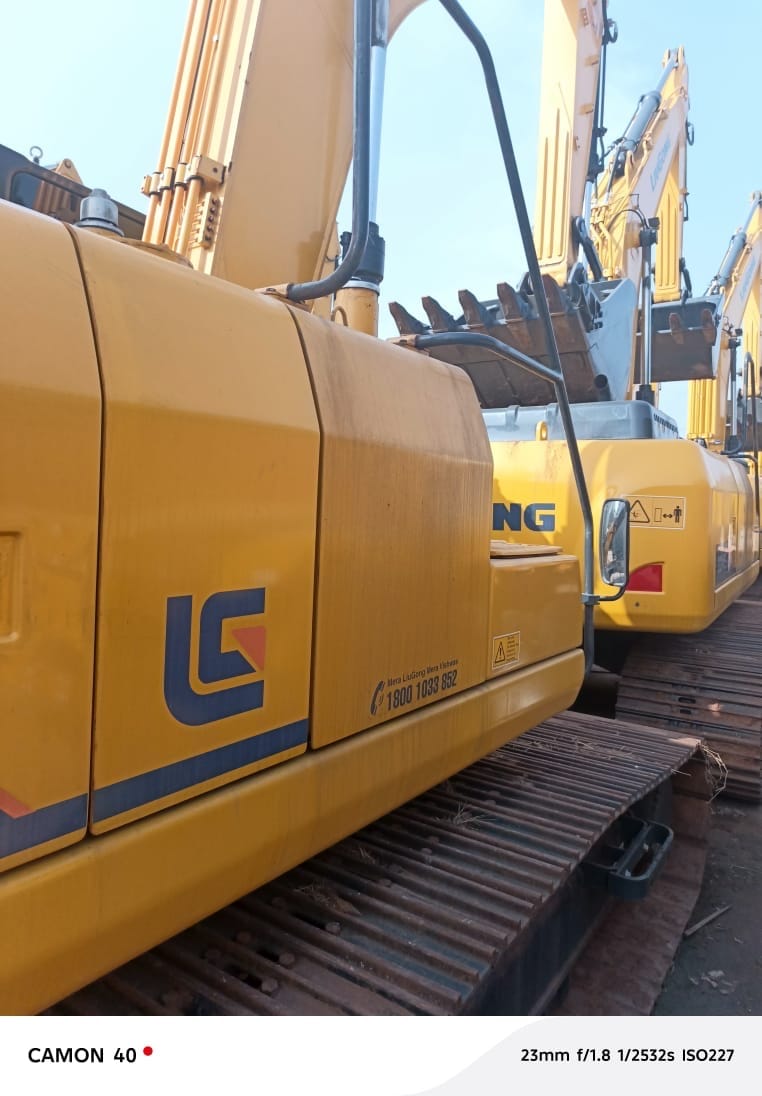
The Indian heavy equipment industry is at an interesting crossroads. While there has been a recent slowdown in domestic sales, the export market is showing robust growth.
- Domestic Demand Softens: Domestic sales faced challenges in late 2025 and into 2026. For example, retail sales dipped by 1.2% in February 2026 and 2.25% in April 2026, impacted by a slowdown in infrastructure project execution and operators utilizing existing fleet capacity.
- Exports Show Strong Growth: This domestic slowdown is counterbalanced by a significant boost in exports, highlighting the global competitiveness of Indian-made equipment.
- Long-Term Outlook Remains Positive: The long-term outlook remains robust, driven by massive government spending on infrastructure. The market is projected to grow significantly, with the heavy-load moving equipment segment alone expected to exceed USD 3.55 million by 2030.
🛠️ How and Where to Trade: A Digital Shift
The days of relying solely on local dealers are changing. Several online platforms now offer transparent and efficient ways to buy, sell, and rent equipment.
Additionally, construction material giant Infra.Market offers a marketplace for heavy equipment parts and services, and also provides rental options through its acquired entity, Equiphunt.
♻️ The Thriving Used Equipment Market
For many contractors, buying used equipment is not just a fallback but a strategic financial decision.
- A Market of Significant Scale: The used construction equipment market is highly mature, offering affordability and reliability, and is expected to cross ₹10,000 crore in the coming years.
- Compelling Financial Benefits: Used equipment typically costs 30–60% less than new machinery, allowing you to save significantly on capital investment. It also depreciates more slowly, offering a better resale value down the line.
- Buyer Tips: When buying used, always check the machine’s service history, opt for platforms that offer certified inspections, and verify all documents (like registration and insurance) to avoid future legal hassles.
⚖️ Key Regulatory & Tax Considerations
If you are importing or exporting, you must navigate India’s regulatory framework. The most critical requirement is obtaining an Importer Exporter Code (IEC) from the Director General of Foreign Trade (DGFT). Other key steps include:
- HS Code Classification: Determine the correct Harmonized System (HS) code for your machinery to identify duty rates and any restrictions.
- ICEGATE Registration: Register your IEC on the ICEGATE portal for electronic filing of customs documents.
- Benefit from the EPCG Scheme: If you are an exporter, the Export Promotion Capital Goods (EPCG) scheme allows you to import capital goods at zero customs duty. In exchange, you commit to an export obligation worth six times the duty saved.
- Stay Updated on Trade Policies: India’s foreign trade policy is subject to change. For instance, the DGFT revised export policies in January 2025, so always check the latest policy at the time of import/export.
Heavy equipment trading in India is clearly being transformed by technology, offering more transparency and efficiency.