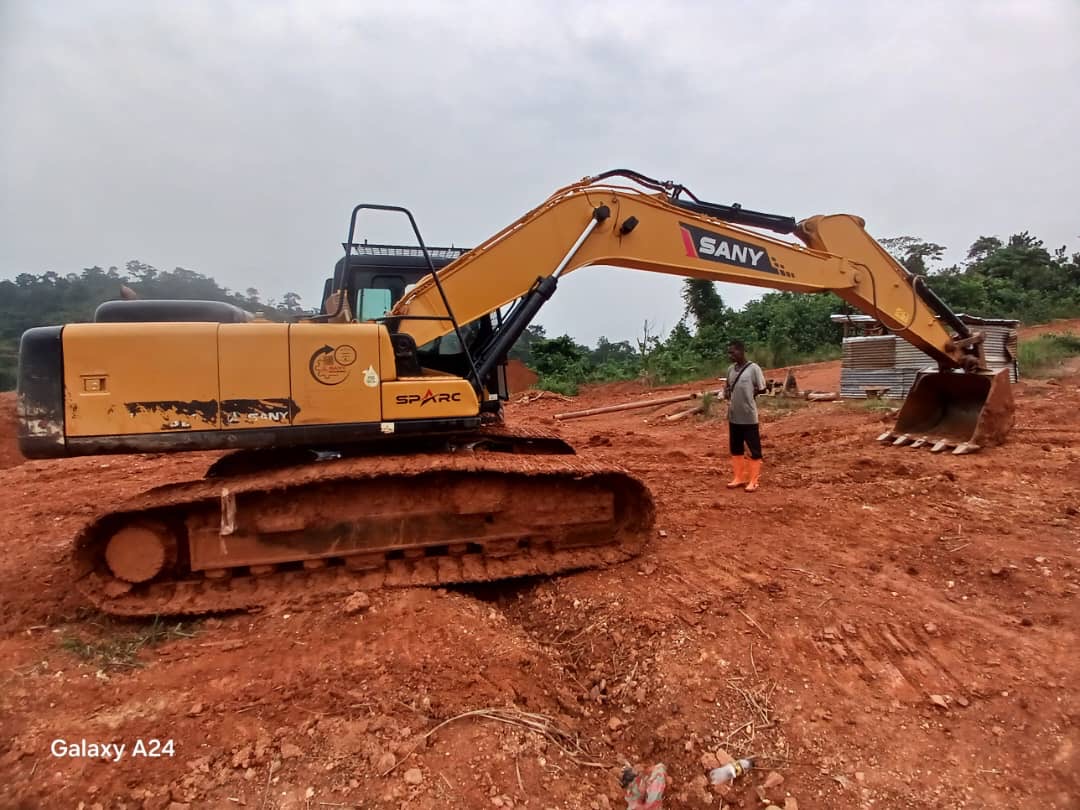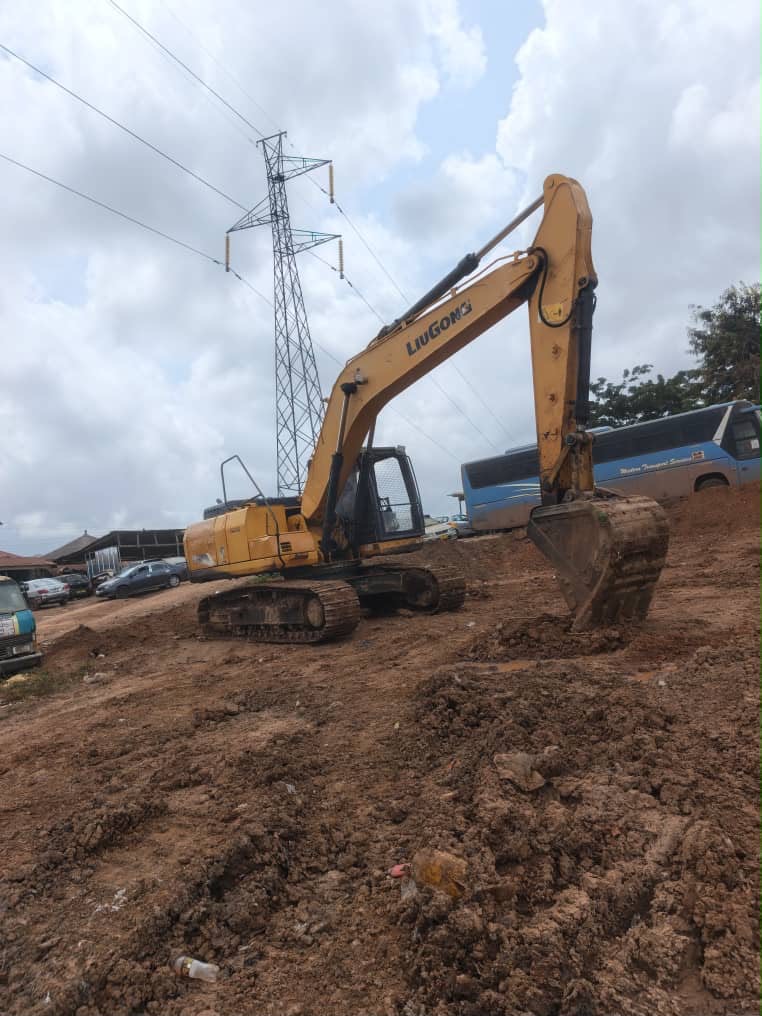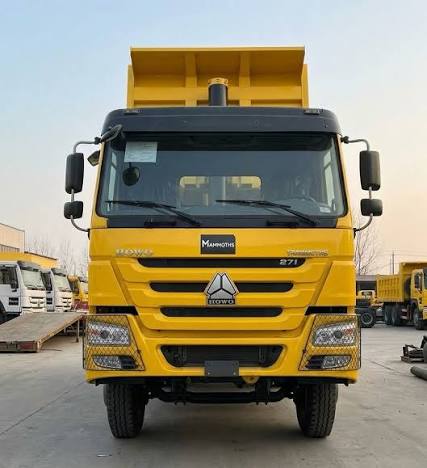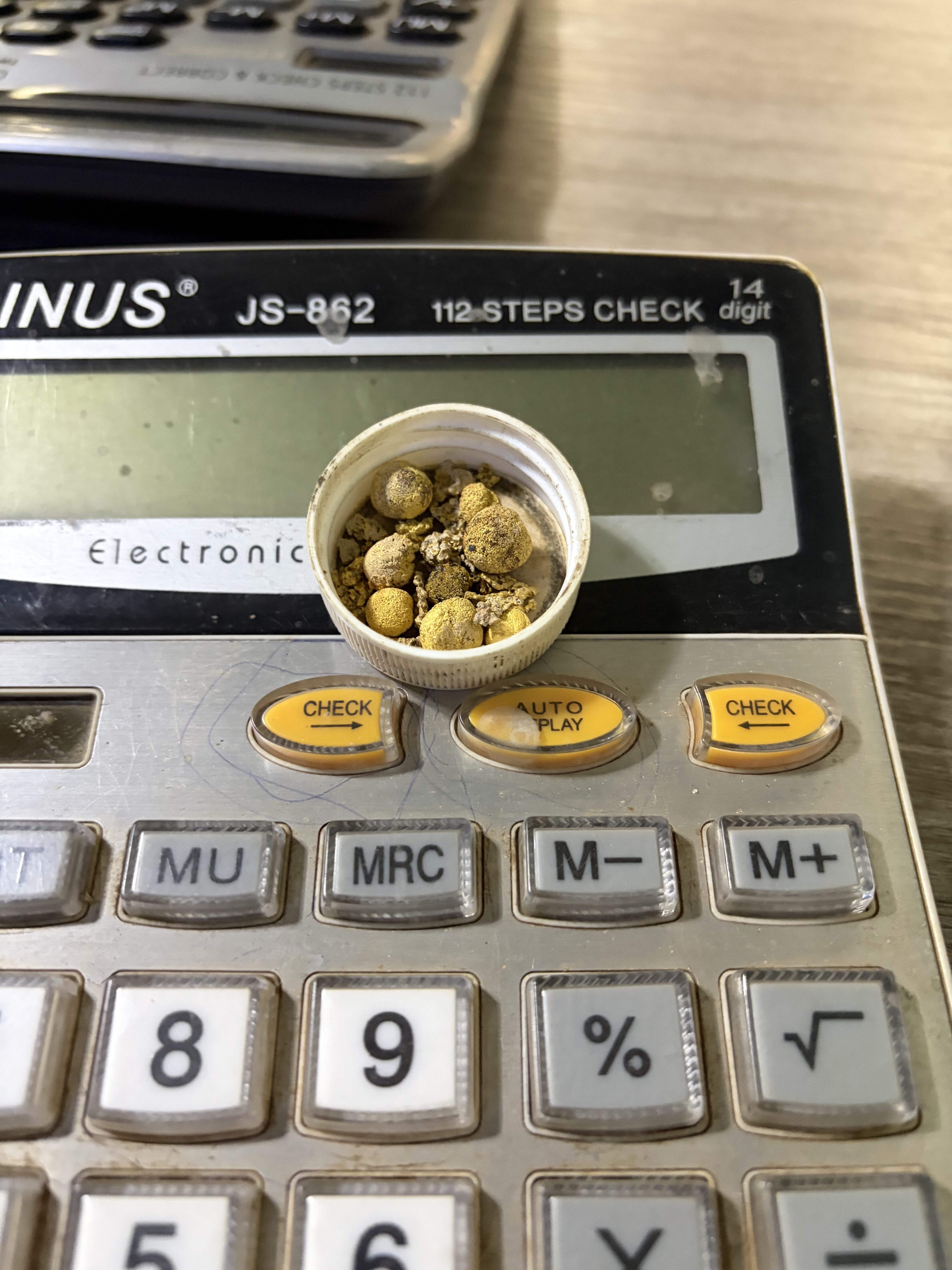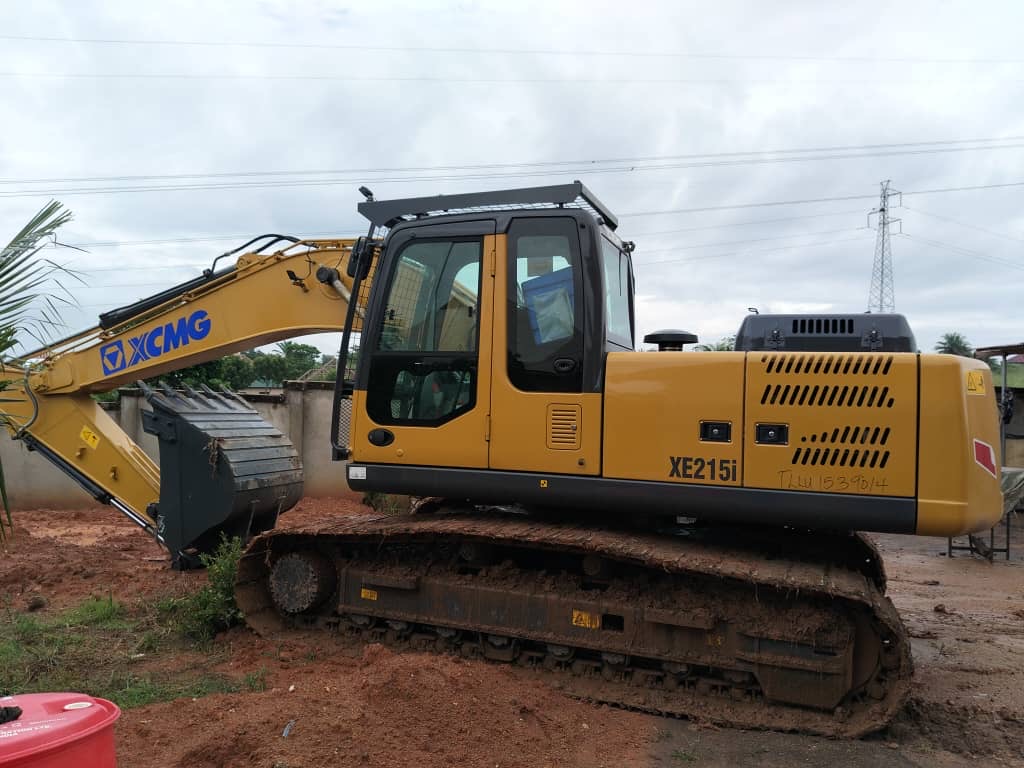

I searched for information on how to register a heavy equipment company as an investor, but the search results did not provide a direct, step-by-step guide for this specific process. The information available primarily covers either the general business registration process for such a company or the financing perspective for acquiring equipment .
Based on the available information, the process can be broken down into two key parts: first, establishing the company itself, and second, positioning it to make investments.
📝 Part 1: Registering the Heavy Equipment Company
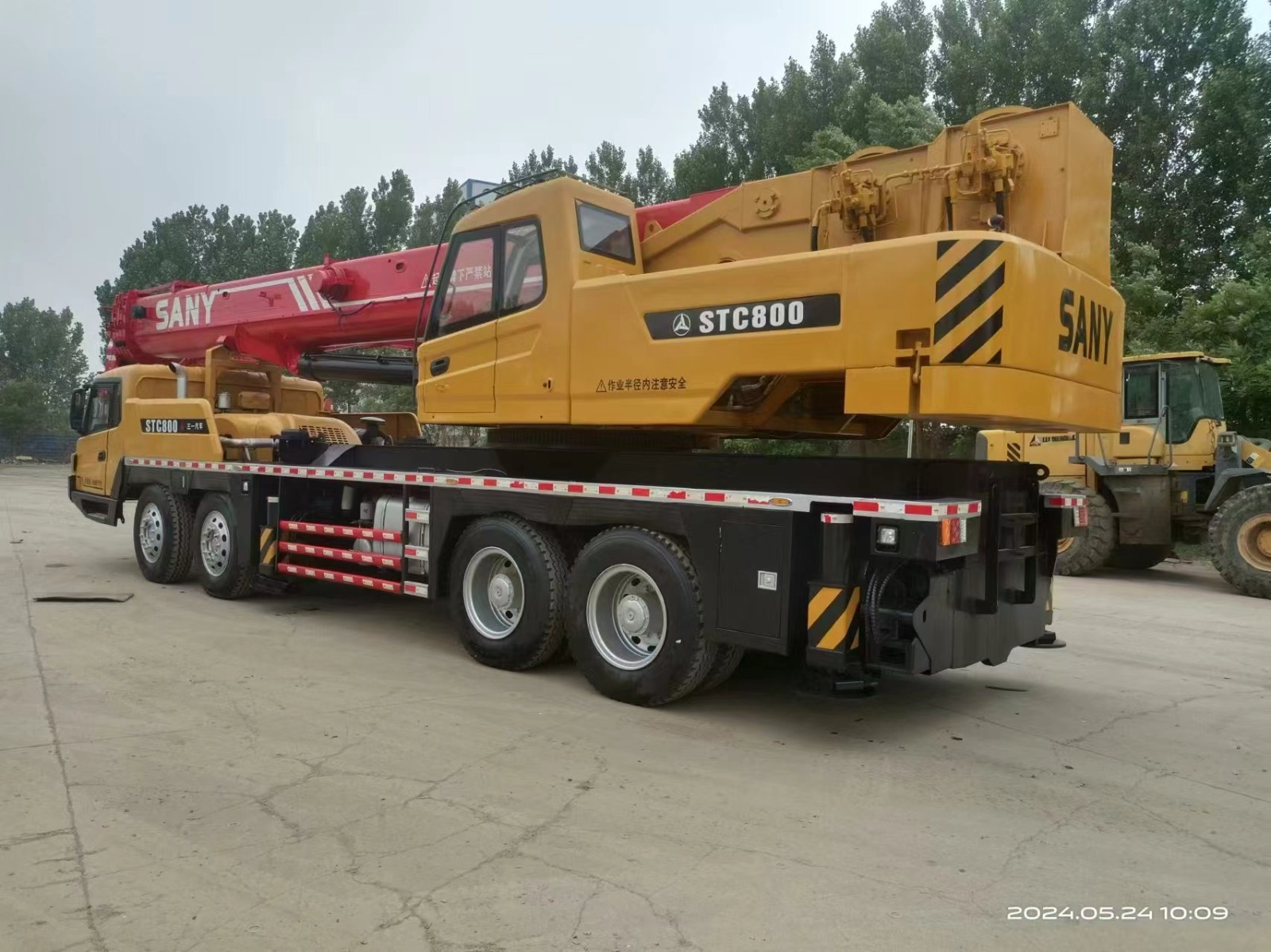
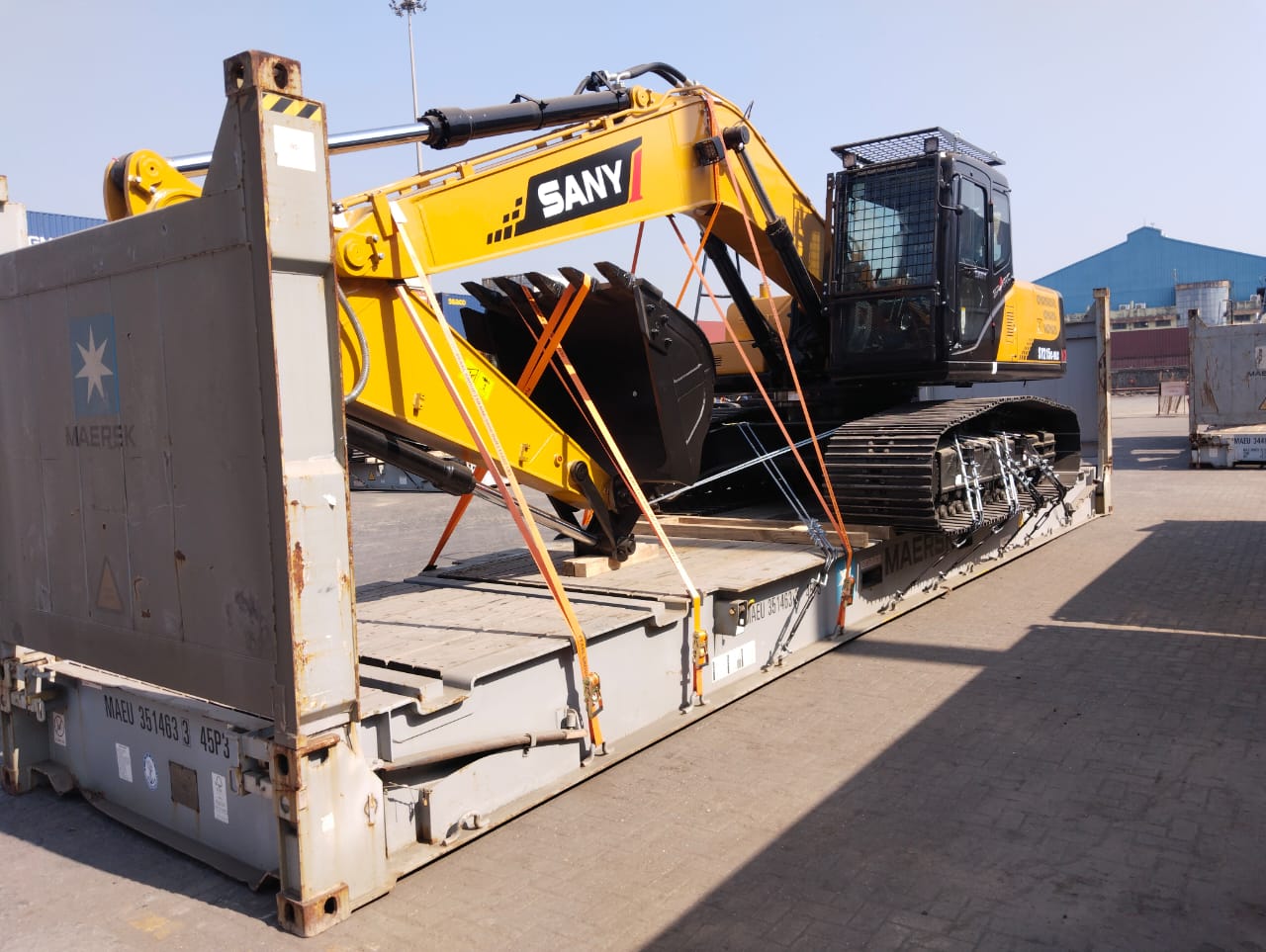

This is the foundational step to create a legal entity capable of making investments. According to general business registration principles, you would need to fulfill several requirements :
- Define the Company Structure: Determine the basic framework of your company. This includes identifying the shareholders (investors in the company), deciding on the company’s name, and appointing a legal representative or法定代表人 .
- Secure a Registered Address: You must have a legal and valid registered address for your company. This is typically a commercial property, as residential addresses are generally not permitted for business registration. You will need to provide proof of ownership or a lease agreement for this address .
- Determine Business Scope and Capital: Clearly define your company’s business scope. Since you intend to operate as an investor, you should include activities like “investment in heavy equipment” or “equipment leasing” in your business scope. Regarding capital, many jurisdictions operate under a registered capital subscription system (认缴制), meaning you don’t need to pay in the full amount immediately, but you should set a reasonable amount based on your planned investment activities .
- Prepare and Submit Documents: You will need to prepare essential documents, including the company’s articles of association (公司章程) and registration application forms. These documents, along with the identification documents of the shareholders and the legal representative, are then submitted to the local company registration authority (e.g., theAdministration for Market Regulation, which was formerly the工商部门) .
💰 Part 2: Preparing to Operate as an Investor
Once your company is registered, the next step is to prepare for its role as an investor in heavy equipment. This involves understanding the financial and risk landscape from an investor’s or lender’s point of view. The search results offer valuable insight into how financial viability is assessed, which is crucial knowledge for a new investment company .
When your company seeks to invest in or finance heavy equipment, the providers of capital (which could be banks, leasing companies, or other investors) will evaluate the deal using a framework often called the “5 Cs” :
- Character: This assesses the trustworthiness and track record of your company’s management. They will look for a stable and transparent financial history .
- Capacity: This is the most critical factor: can the business comfortably afford the investment payments, even during slower months? They will analyze your company’s cash flow, revenue consistency, and profit margins .
- Capital: This refers to the “skin in the game”—the amount of your own money you are putting into the investment. A larger down payment or demonstrated liquidity can significantly improve your investment proposal’s strength .
- Collateral: In the context of heavy equipment, the asset itself is the primary collateral. Lenders will evaluate the equipment’s make, model, age, condition, and its potential resale value. Standard, well-maintained equipment with a strong market is viewed more favorably .
- Conditions: This covers the external factors that could impact your investment, such as the health of the construction industry, economic cycles, interest rates, and seasonality .
To be a credible investor, your newly registered company should prepare a strong file that addresses these points, including business financials, bank statements, and detailed information on the equipment you plan to invest in .
I hope this clarifies the initial steps involved. Because registration procedures can vary significantly by country and region, I suggest you check the specific requirements with your local business registration authority.
If you can tell me the specific country or region where you plan to register, I may be able to find more targeted information for you.