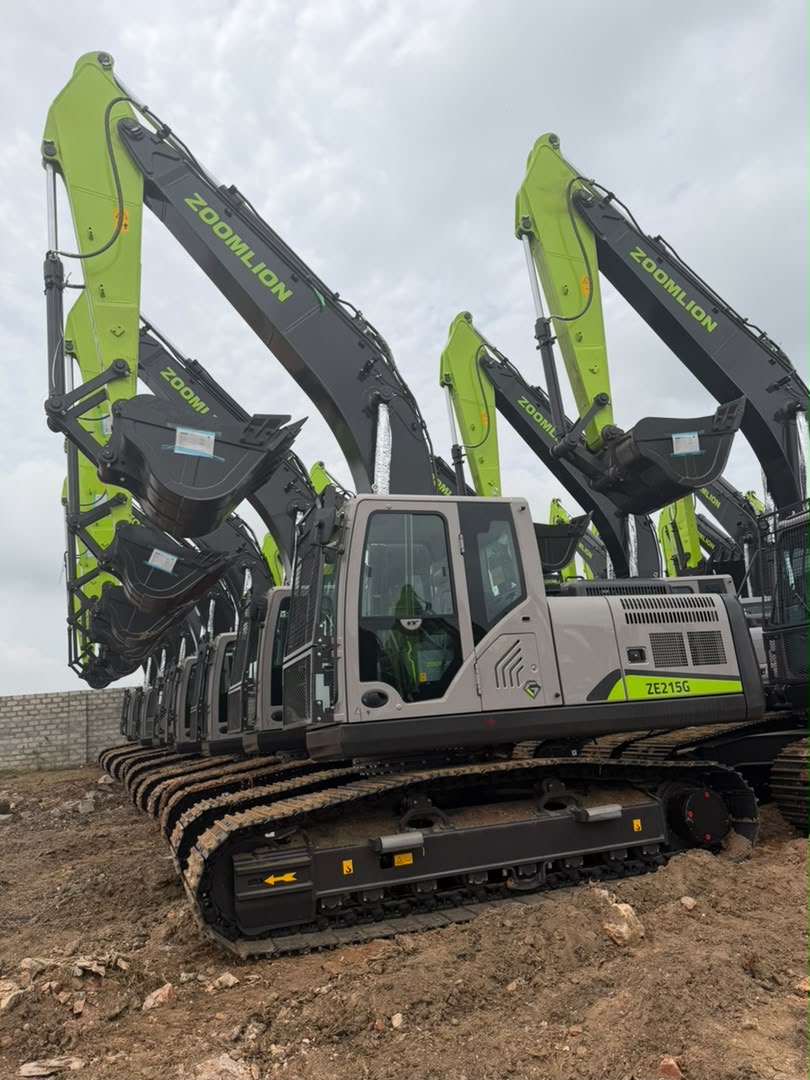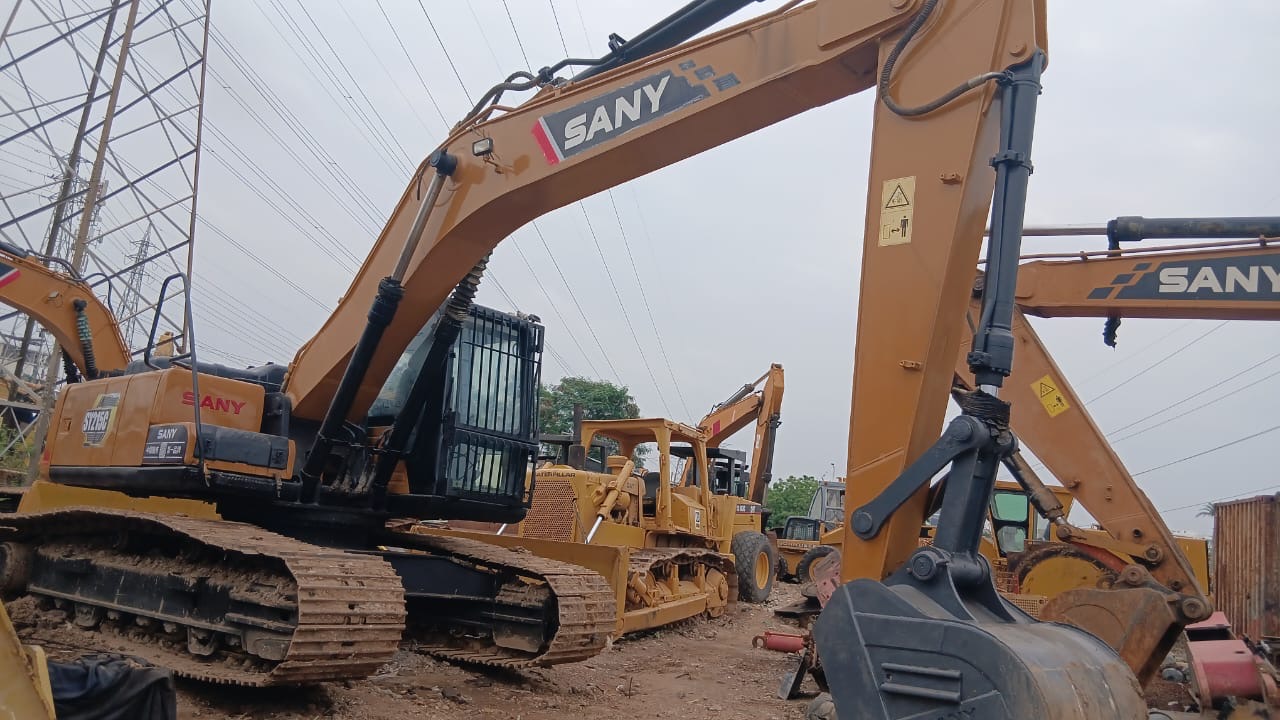

India’s heavy equipment sector is on a powerful growth trajectory, fueled by the government’s massive push for infrastructure development and domestic manufacturing. Whether you are considering an equipment purchase for a project or an equity investment in a manufacturing company, the market presents significant opportunities backed by strong policy support .
Here is a comprehensive overview of the key factors shaping this market to help you make an informed decision.
📈 A Market Driven by Unprecedented Government Investment

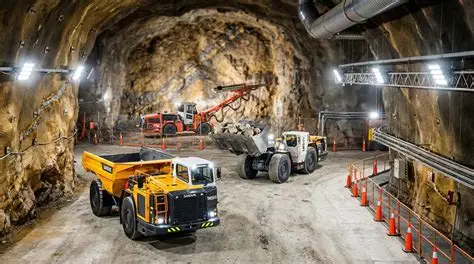

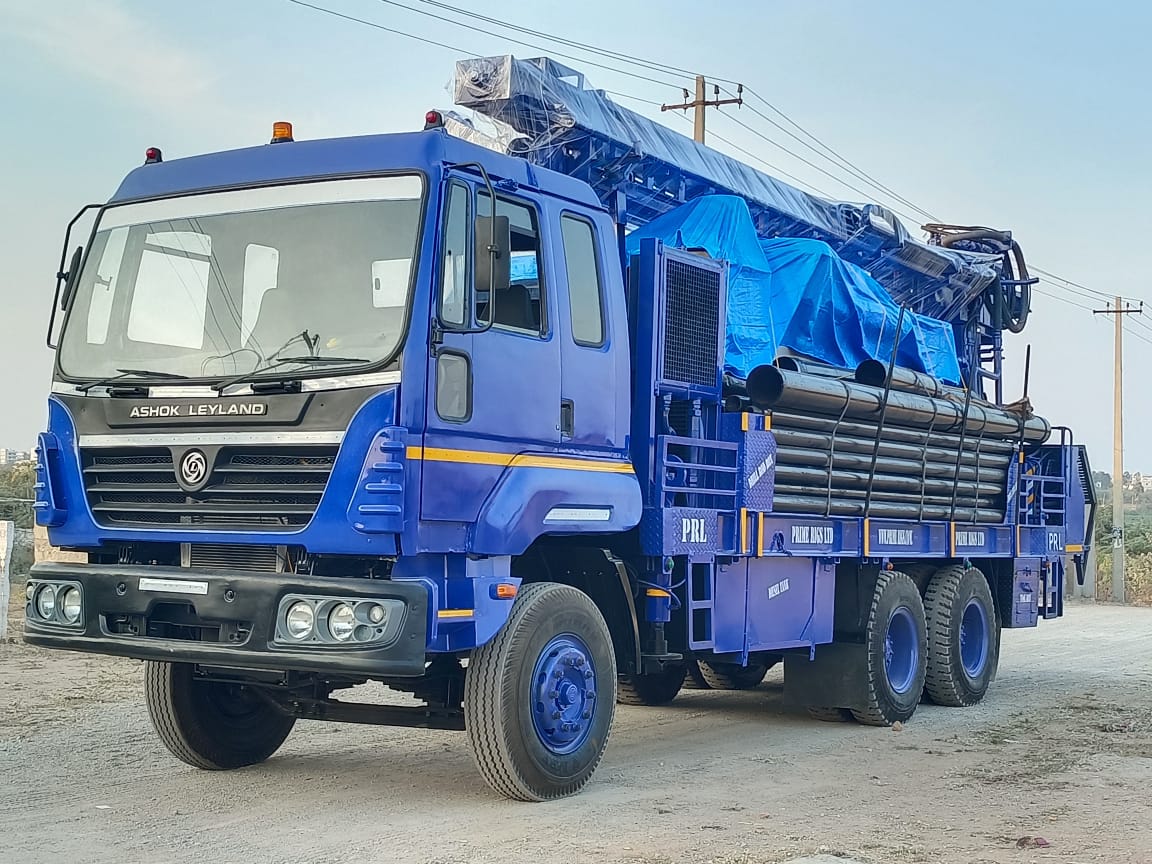
The primary engine of growth for the heavy equipment sector is the government’s sustained and record-high capital expenditure (capex). This spending is directly translating into demand for machinery across the country .
- Record-High Capex: The government has set a capital expenditure outlay of ₹12.2 lakh crore (approximately US$1.72 trillion in infrastructure investment planned through 2030) for the fiscal year 2026-27. This massive investment is being channeled into building and upgrading national highways, railways, metro rail projects, and ports .
- Focus on Infrastructure: Key projects like the expansion of the national highway network by 10,000 km, operationalizing 23 new waterways, and developing 35 Multi-Modal Logistics Parks are creating sustained, long-term demand for heavy equipment .
- Emerging Sector: Shipbuilding: A new and noteworthy area of growth is shipbuilding, which has recently been granted “infrastructure status.” This move is expected to unlock significant investment and demand for specialized heavy equipment in the coming years .
🇮🇳 Strong Policy Support for “Make in India”
The government is not just a buyer of equipment; it is actively fostering an environment for domestic manufacturing. This creates a favorable landscape for investors looking at the production side of the industry .
- Production Incentives: A new Scheme for Enhancement of Construction and Infrastructure Equipment (CIE) is being introduced with a proposed outlay. The plan includes providing incentives of 12-16% on large investments (over ₹500 crore) in manufacturing advanced equipment like tunnel boring machines, cranes, and crawlers .
- Reducing Import Dependence: The policy aims to boost self-reliance by encouraging domestic value addition. Manufacturers may be required to achieve 30-50% local value addition to qualify for these incentives, which will strengthen the entire supply chain .
- Impressive Manufacturing Growth: These policies are already bearing fruit. The production value of the capital goods sector, including heavy engineering equipment, has nearly doubled from ₹2,87,233 crore in 2019-20 to ₹5,69,900 crore in 2024-25 .
🏭 Opportunities for Direct and Portfolio Investment
Your investment strategy could focus on the demand for the equipment itself or the growth of the companies that manufacture it.
For Project-Based Investment (End-Users)
If your interest lies in acquiring equipment for construction, mining, or infrastructure projects, the market is expanding with clear product trends.
- Product Demand: The market for heavy-load moving equipment alone is projected to reach over 3,300 units by 2030, with revenues exceeding $3.55 million .
- Shifting Preferences: There is a notable shift towards more cost-efficient and domestically manufactured products. For instance, wheel-based rollers have overtaken traditional steel chain rollers in revenue, driven by their widespread adoption in manufacturing and infrastructure projects .
For Equity Investment (Investing in Companies)
For those looking at stock market investments, several Indian companies are strongly positioned to benefit from this boom. The table below summarizes three key players highlighted by market analysts .
💡 Key Considerations and Outlook
- Long-term Growth: Industry experts are highly optimistic, with predictions that India could overtake China to become the world’s second-largest construction equipment market by 2030, tripling its size to $25 billion .
- Short-Term Volatility: It is important to note that the sector can face near-term headwinds. For instance, rating agency Icra projected a muted growth of 2-5% for FY2026, citing factors like monsoon disruptions and a temporary slowdown in project awards .
- Technology Adoption: The industry is increasingly adopting advanced technologies like telematics, IoT for real-time monitoring, and automation under Industry 4.0 practices, which is enhancing efficiency and safety on project sites .
In summary, the case for investing in Indian heavy equipment is underpinned by strong macroeconomic fundamentals and decisive government action. While short-term fluctuations are normal, the multi-year growth story driven by infrastructure creation appears robust.
I hope this overview helps clarify the landscape. To provide more targeted information, it would be helpful to know if you are more focused on a particular segment, such as road construction, mining, or material handling equipment.