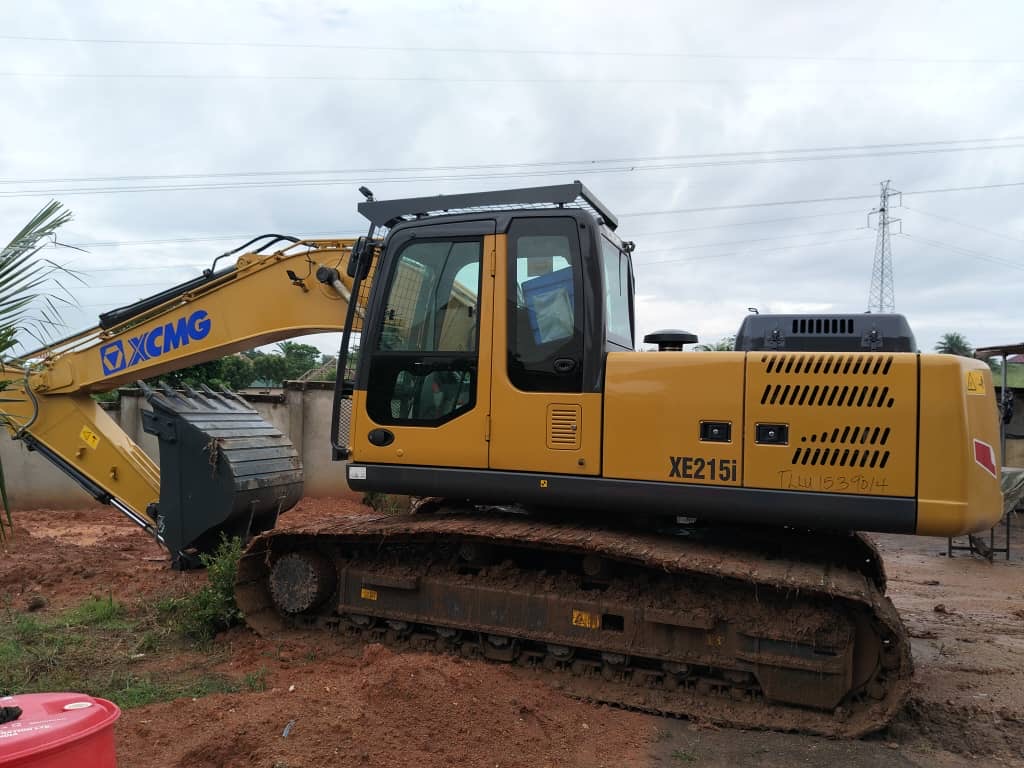

Investors in the heavy equipment industry face a complicated regulatory environment that differs greatly by location. It includes market competitiveness, environmental effect, equipment safety, and investor protection. For investors to minimize legal risks and optimize returns, a comprehensive due diligence and risk assessment procedure is crucial.
⚖️ Rules Particular to Finance and Investors Securities Laws (US): Any agreement in which an investor anticipates earnings from the work of a third party may be regarded as a “investment contract” and, as such, a security governed by SEC rules. The SEC, for instance, has taken action against trucking investment schemes in which investors funded trucks in return for leasing payments.
Insurer Investments (US): Insurers are legally allowed to invest in “equipment trust obligations” or certificates, which are securities backed by interests in heavy machinery or transportation, in a number of states, including Texas and Kentucky.
Regulator Investments (Australia): In order to safeguard its financial assets, the National Heavy Vehicle Regulator (NHVR) is required by the Heavy Vehicle National Law to invest its funds in a low-risk, secure manner.
Go-Back Programs (US): Strict usage and financial compliance requirements are imposed by certain regulations, such as Kentucky’s Equipment Revolving Loan Program, which control the use of public monies to support heavy equipment for conservation reasons.

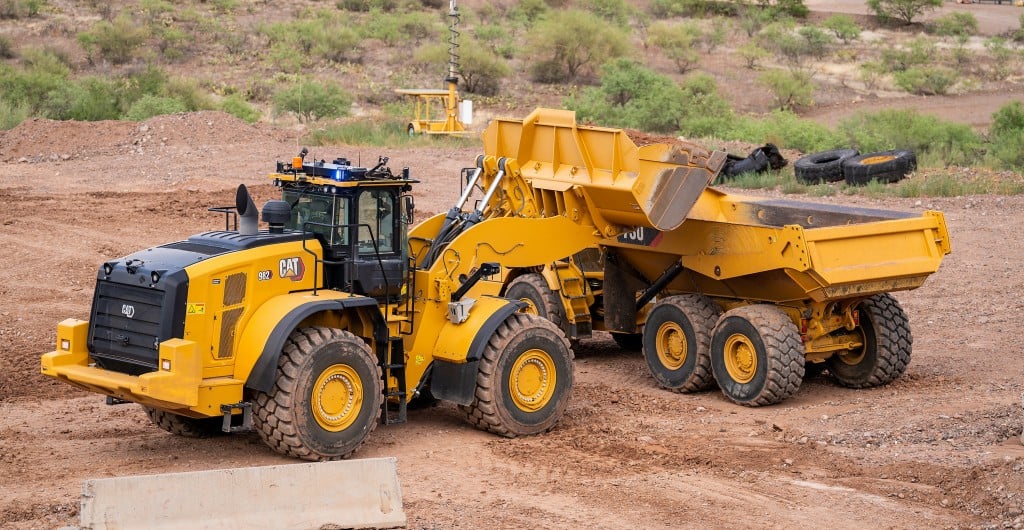
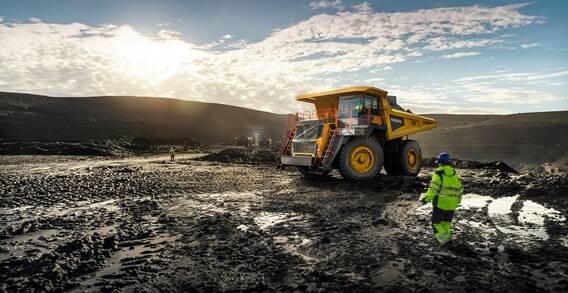
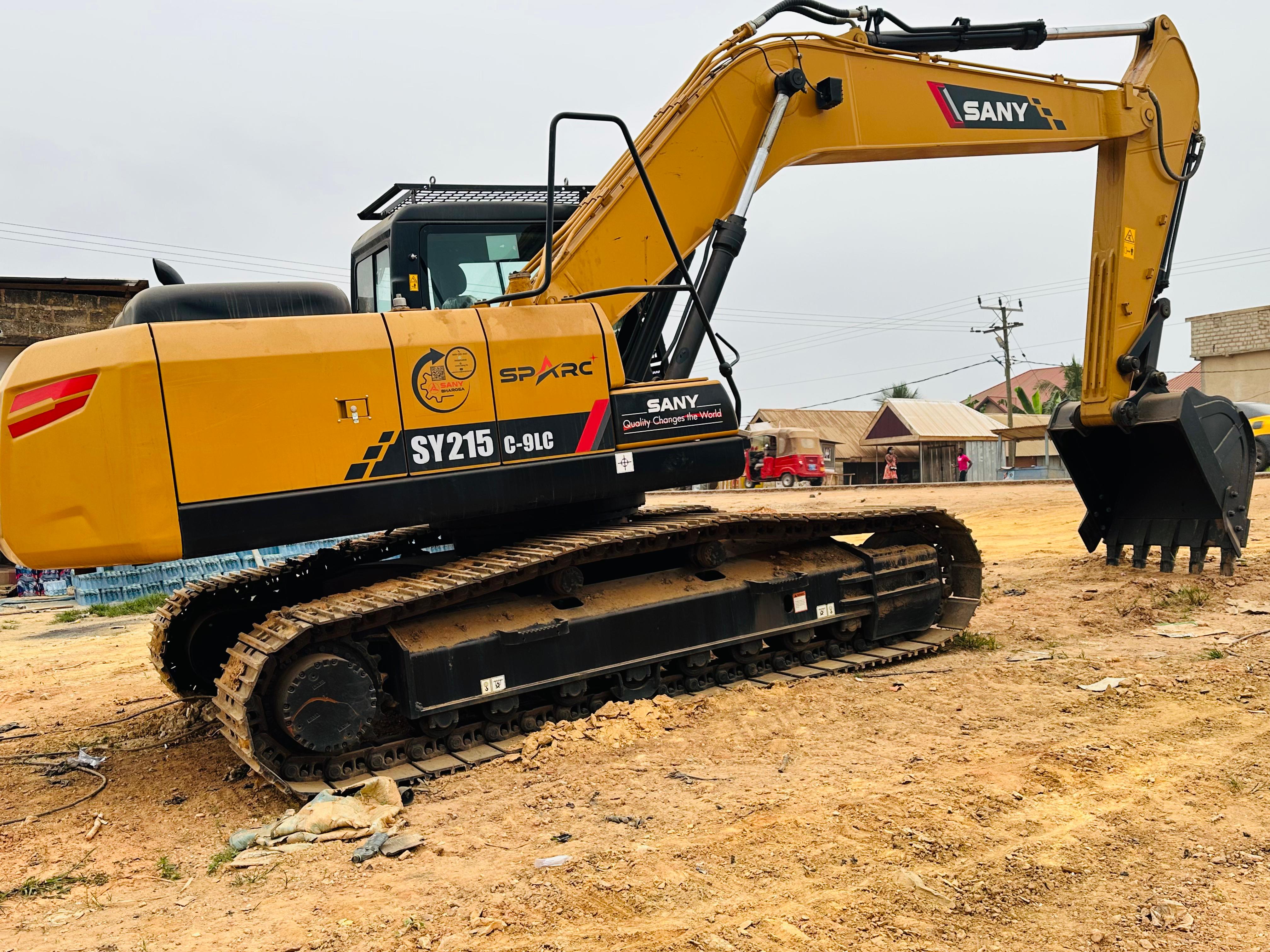
🛠️ Operational and Safety Standards Operator Competency & Training: Employers are required by US regulations like 29 CFR 1910.178(l)(1)(i) to make sure all operators are capable of operating powered industrial trucks safely; failure to do so may result in fines.
Mandatory Inspections (UK): To guarantee safety, the LOLER and PUWER standards in the UK mandate routine “Thorough Examinations” of lifting equipment and safety-critical components (such as brakes and steering). Fines and legal action may follow noncompliance.
Comprehensive Safety Frameworks (Australia): Businesses have a main duty of care to address risks related to mobile plant and equipment, such as the possibility of overturning, collisions, or mechanical failure, under the Work Health and Safety (WHS) framework.
Compliance Links to Insurance (Australia): Insurance companies mandate that heavy machinery be maintained and operated in accordance with safety regulations. Failing to do so could result in claim denials or void insurance coverage, posing a serious danger to one’s finances.
🌿 Environmental Regulations Stricter Emission restrictions: Due to the need for sophisticated parts like exhaust fluid systems and particulate filters, regions like the US (EPA Tier 4) and the EU (Stage V) have put in place restrictions that dramatically raise the cost of buying and operating heavy machinery.
Green technology incentives: A number of governments are establishing financial levers for equipment with zero emissions. This includes regulation goals like the EU’s “Fit for 55” strategy and grant schemes like California’s CORE or the Volkswagen Trust.
📊 Market and Competitive Behavior Antitrust Enforcement (US): The Department of Justice (DOJ) is actively pursuing price-fixing using algorithms and collusion in heavy equipment industries, including alleged cartels involving large rental corporations. Investors in businesses that engage in such methods face legal and reputational concerns as a result.
Sustainability Procurement (Norway): In order to achieve climate targets, Norway’s government extensively invests in zero-emission building equipment by using its procurement authority to put long-term sustainability ahead of short-term cost.
Import Regulations (India): Foreign producers and importers are impacted by the BIS Scheme X certification, which requires some heavy machinery to meet performance and safety requirements before being sold or used in India.