
Given Ghana’s status as Africa’s top gold producer and exporter of bauxite, manganese, and diamonds, investing in mining logistics contracts can be extremely profitable. However, success necessitates understanding complex rules, local content laws, and operational problems. Here’s a systematic strategy to help you evaluate the prospect.
- Why Ghana? Mining Logistics Opportunity
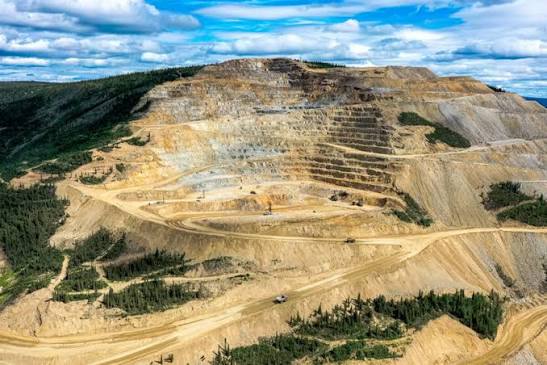
The Western, Ashanti, and Eastern regions have a robust mining sector, with operations focused on gold, bauxite, manganese, and limestone. Major players include Newmont Mining, Gold Fields, AngloGold Ashanti, and Ghana Manganese Company.
Infrastructure gaps: Due to limited rail networks, the majority of ore, fuel, heavy equipment, and supplies are transported by road. This creates an ongoing demand for dependable transportation, warehousing, and freight forwarding.
Local content mandates: The Minerals and Mining (Local Content and Local Participation) Regulations (L.I. 2431) compel mining enterprises to gradually source goods and services from Ghanaian-registered companies. This protects and prioritizes locally based logistics providers, providing a significant entry incentive if structured appropriately.
Port activity: Tema and Takoradi are the primary import/export hubs. Equipment, chemicals, and consumables arrive by sea and must be transported to mine sites, whereas bulk ore is shipped from mines to ports for export.
- Types of Logistics Contracts to Invest In
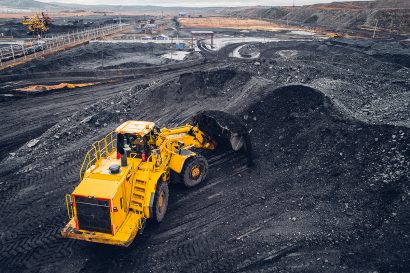
Ore and waste rock haulage involves transporting run-of-mine material from the pit to a processing plant or waste landfill. Usually done using articulated dump trucks, rigid trucks, or road trains.
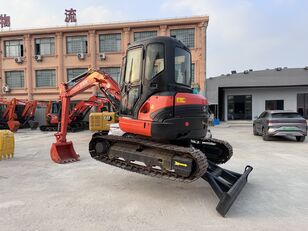
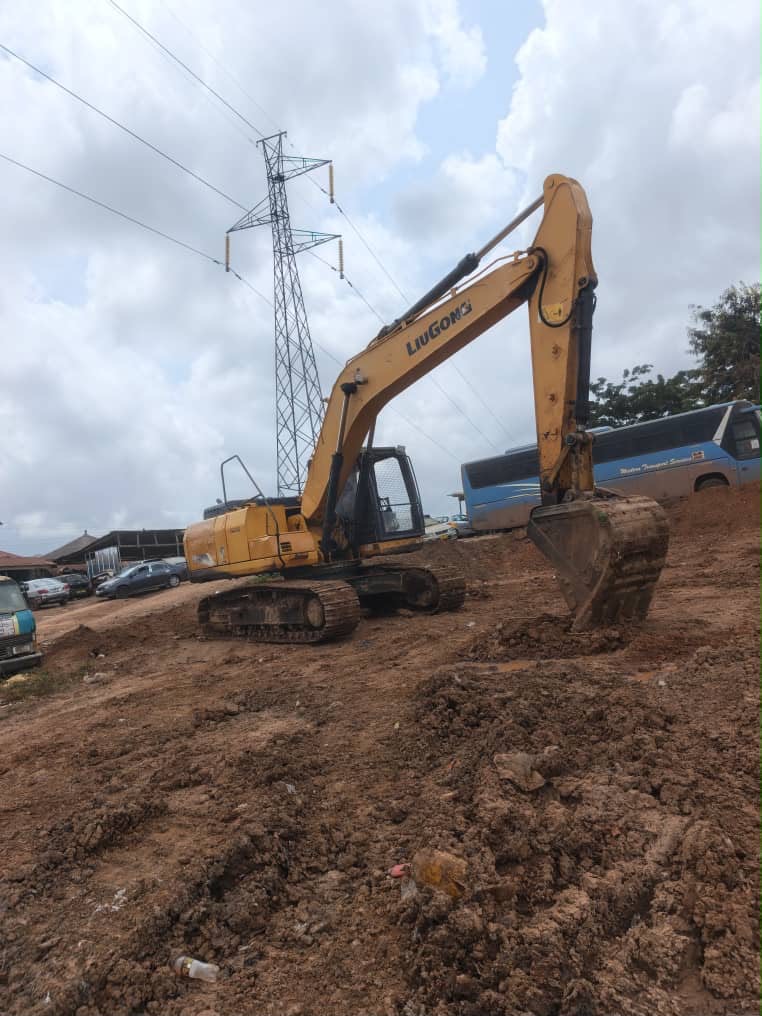
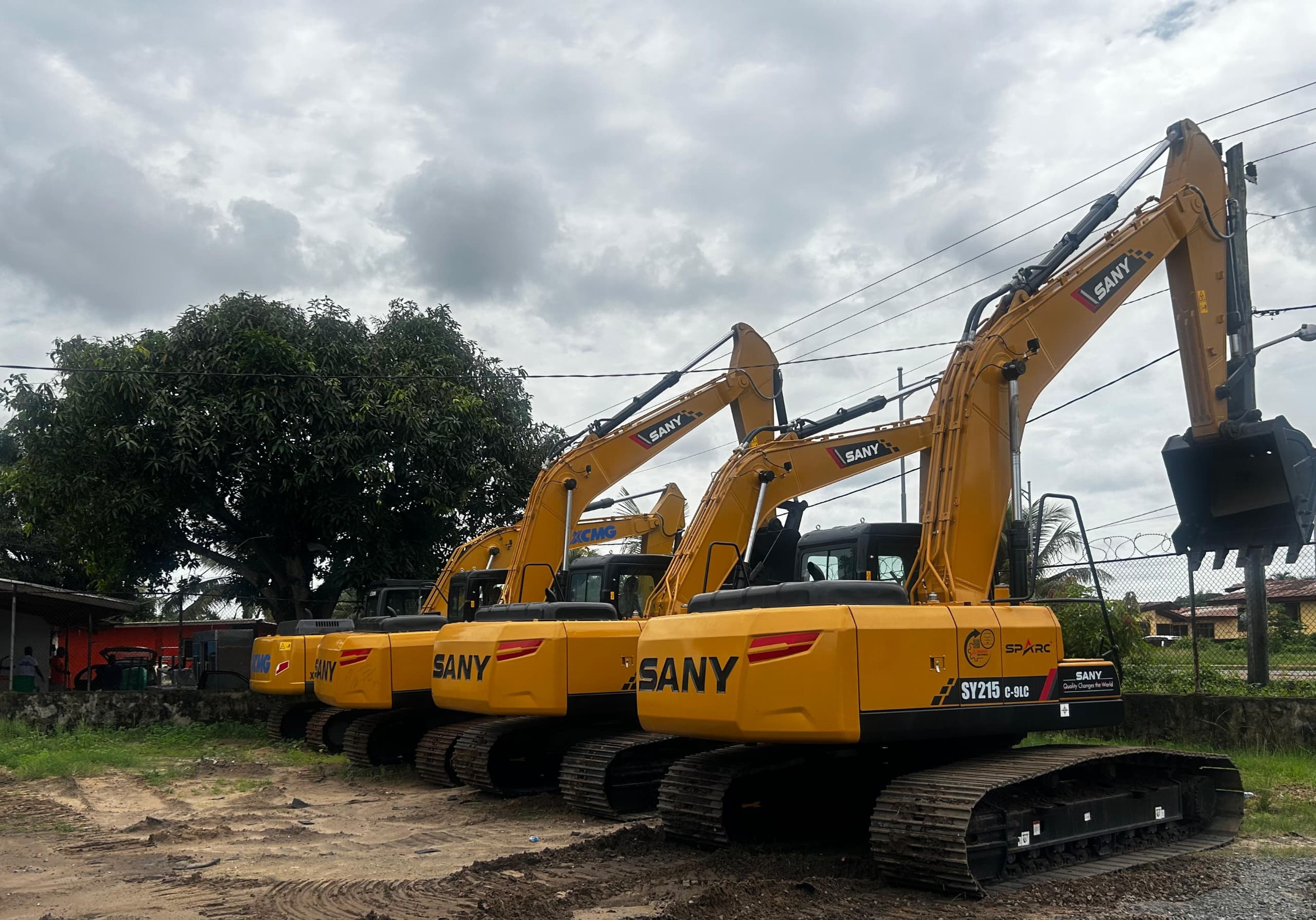
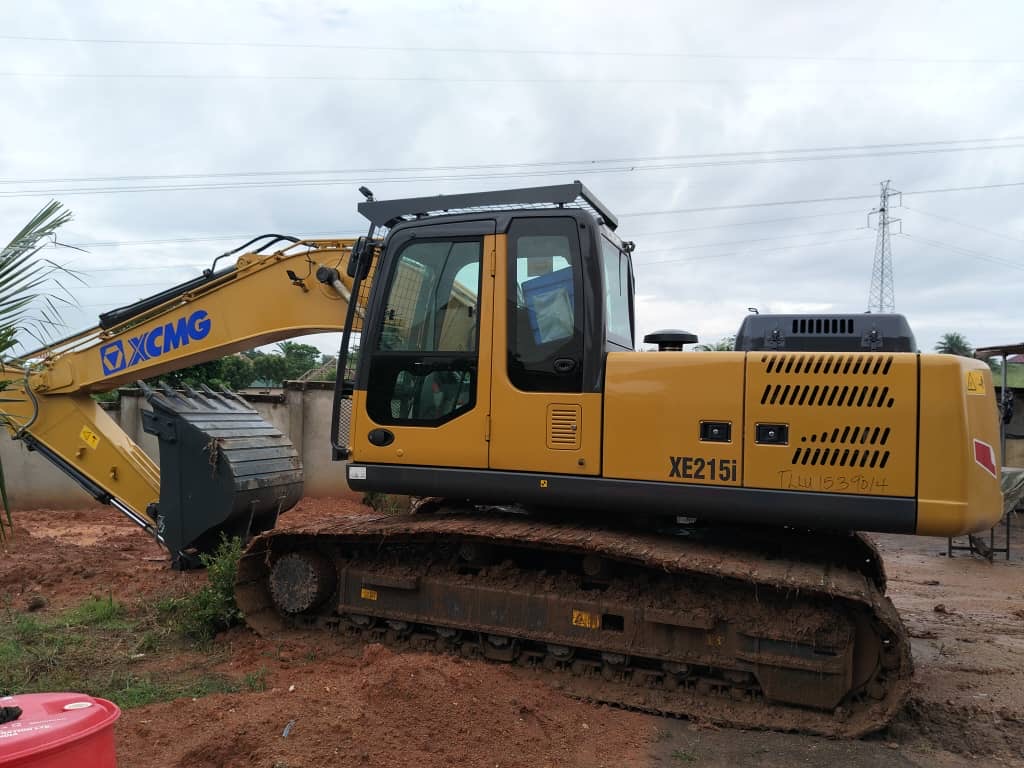
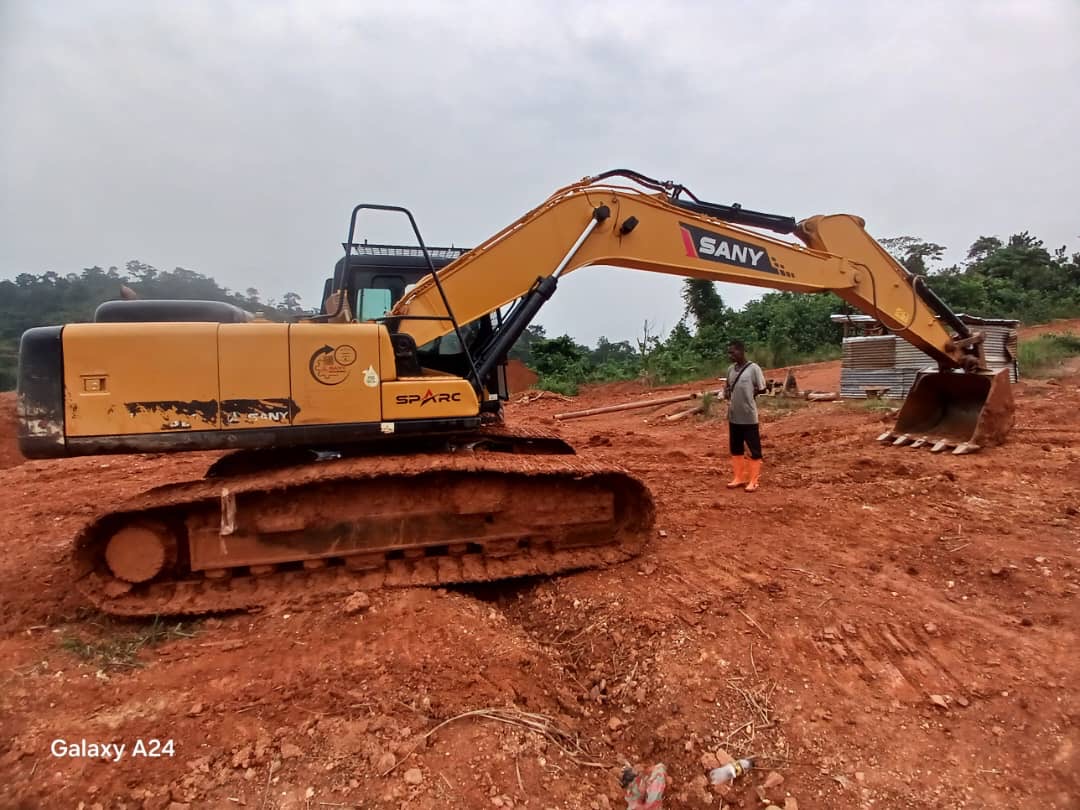
Heavy equipment and machinery transportation includes low-bed trailers, cranes, and escort services for excavators, crushers, and mill components.
Tanker trucks will provide diesel, HFO, and lubricants while adhering to strict safety and environmental procedures.
Camp logistics and supply chain management include the procurement and distribution of food, construction supplies, personal protective equipment, spares, and explosives (all under rigorous control).
Port handling and freight forwarding include the clearing, storing, and onward trucking of arriving mining equipment and outgoing mineral shipments.
Maritime logistics services include barge/transshipment of bauxite on the Volta River system, as well as lightering operations at Takoradi.
- Investment and Entry Structures
Set up a Ghanaian company: Most mining contracts are awarded to locally registered businesses. You can register a private limited corporation (the conventional vehicle) with the Registrar General’s Department. Foreigners can own 100%, however for local content, you may require a strategic Ghanaian partner.
Joint venture with an indigenous company: Under L.I. 2431, mining support service companies that are majority Ghanaian-owned are given priority in tender review. A partnership (e.g., 60% Ghanaian, 40% international) can enable these preferences while using your experience and funds.
Acquire or invest in an existing logistics company: This provides you with immediate operational experience, licenses, and even current fleet contracts. Examine liabilities, tax status, and contract legality.
Equipment leasing: Instead of bidding on service contracts directly, you can buy a fleet of trucks, excavators, and trailers and lease them to existing licensed contractors. This is capital-intensive yet less prone to operational issues.
Debt or convertible instruments: Offer financing to expanding haulage companies in exchange for a percentage of contract revenues or stock conversion rights.
- Critical Legal and Regulatory Framework.
Minerals Commission registration: Any company that offers mining support services must be registered with the Minerals Commission as a “Mine Support Service Provider.” This is required to legally contract with mining businesses. Application requires demonstrating technical and financial capacity.
Local Content Regulations (L.I. 2431): Key Provisions
For service procurement, give precedence to Ghanaian-owned enterprises, followed by joint ventures with at least 25% Ghanaian equity.
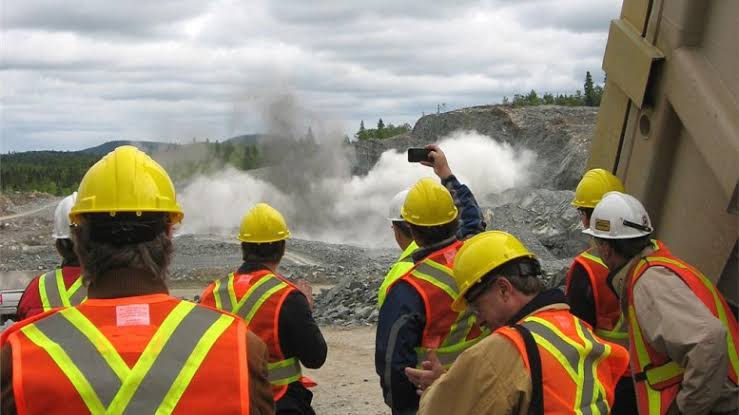
Mining businesses must submit yearly local content plans and report on procurement expenditures.
Graduated targets for municipal procurement; penalties may apply for noncompliance.
Ghana Investment Promotion Centre (GIPC): If you are a wholly foreign entity, you must register and meet the minimum foreign capital requirements.
Taxation: 25% corporate tax, 15% VAT (some mining services may be zero-rated if exported, but local haulage is VAT-applicable), withholding taxes on contracts, fuel levies, and import duties on vehicles/equipment.
Environmental and safety permits: The EPA needs licenses for every operation that has a major environmental impact (bulk fuel storage, waste management). Mine sites have high safety regulations; you’ll need to train employees and frequently seek site-specific certification.
- Due Diligence Essentials
Contract terms: Long-term haulage contracts with big miners (Gold Fields, Newmont) are highly sought after, but only after a competitive tender process. Verify contract duration, tonnage guarantees, payment periods (often 30-60 days after invoice), fuel price escalation clauses, and force majeure.
Client dependability: Not all small- to medium-sized miners pay on time. Understand their financial situation, output prospects, and hedging strategies.
Fleet condition and maintenance capacity: The mining road conditions are tough. Determine the availability of spare parts, local workshop facilities, and skilled mechanics.
Fuel supply risk: Diesel is a significant cost. Check if the contract allows for fuel price adjustments, and obtain dependable bulk fuel sources or on-site storage.
Title to mineral rights: Some contracts are linked to a specific mining lease; check its validity and remaining term. There is no use in investing in a haulage contract for a mine with two years remaining and no guarantee of renewal.
- Major Risks and Mitigations
Commodity price volatility: Gold is relatively stable, while bauxite and manganese prices might fall, resulting in mining closures or delayed payments. Diversifying among commodities and having strong payment security can help to mitigate risk.
Currency risk: Revenue in USD (frequently), but operating expenditures in Ghana cedis (fuel and salaries). A significant cedi devaluation might eat away at margins if contracts are fixed in cedi. Negotiate dollar-indexed or dual-currency payment terms.
Regulatory risk: Changes in local content thresholds, tax increases, or the unexpected implementation of previously permissive regulations. Maintain positive relationships with the Minerals Commission and local business bodies such as the Ghana Chamber of Mines.
Operational hazards: Accidents on public and mine transport routes are a persistent threat. Robust fleet management, GPS tracking, and extensive insurance are not optional. Mine clients will require tight safety compliance.
Security: Certain mining regions (particularly in the Western region) are subject to occasional illicit mining (“galamsey”) incursions, armed robberies, or community problems. Communicate with local officials and community leaders.
- Practical Steps to Begin Investing
Market research and networking: Attend the Ghana Mining and Energy Summit, contact key mine procurement departments, and establish ties with freight forwarders and the Ghana Chamber of Mines.
Engage a local law firm with mining and commercial experience to advise on registration, local content structure, and contract negotiation.
Incorporate and register your company with the Registrar General, GIPC (if applicable), Ghana Revenue Authority for tax identification, and the Minerals Commission for mine support service provider status.
Purchase or lease modern equipment – fuel-efficient, dependable trucks from OEMs with local dealer assistance (e.g., Volvo, MAN, Shacman for trucks; Caterpillar, Komatsu for earthmoving).
Secure a pilot contract, possibly as a subcontractor to an established logistics company, while you create your own track record.
Implement strong financial and safety management systems, which are required for pre-qualification with serious miners.
Arrange enough funding – local banks such as Ecobank, Stanbic, and ABSA Ghana understand the mining services sector and may provide asset financing or working capital in exchange for confirmed contracts.
Conclusion
Investing in mining logistics contracts in Ghana can provide consistent, dollar-linked cash flows and significant growth as mine output increases. The trick is to organize your investment so that it complies with local content regulations, secures attractive contract terms with creditworthy clients, and maintains a strict safety and fleet maintenance culture. Engage local legal and industry professionals early to avoid the pitfalls that trap inexperienced international investors.