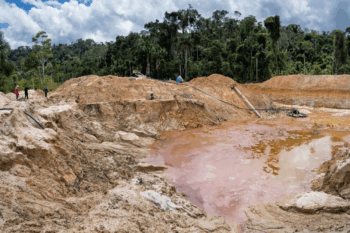

In 2026, China and Namibia considerably strengthened their strategic cooperation by signing deals on oil, uranium, lithium, rare earths, infrastructure, agriculture, and technology. The collaboration underlines China’s long-term goal of securing essential energy and mineral supplies while also assisting Namibia’s ambitions for industrialization and value-added processing.
Key Agreements
During President Netumbo Ndaitwah’s state visit to Beijing in July 2026, the two nations signed eight cooperation agreements, including:
Cooperation on critical minerals Energy Development Infrastructure Investment Economic collaboration framework Technology transfer Skill development Industrial collaboration Agricultural collaboration
A key part of the agreements is a pledge to process more minerals in Namibia rather than exporting raw materials, which is consistent with Namibia’s beneficiation plan.
Oil: A New Strategic Frontier.
Namibia has emerged as one of the world’s most promising offshore oil provinces, thanks to significant finds in the Orange Basin.
Key advancements include:
Shell and TotalEnergies have discovered an estimated 2.6 billion barrels. Namibia is expected to become Africa’s fourth-largest oil producer by 2030 if current projects go ahead. China wants to strengthen cooperation in petroleum development, infrastructure, and associated energy industries.
For China, Namibia provides an opportunity to diversify its crude supply sources outside the Middle East and Russia.
Uranium: Strengthening An Existing Partnership
Uranium remains the foundation of China-Namibia resource relations.
Highlights include:
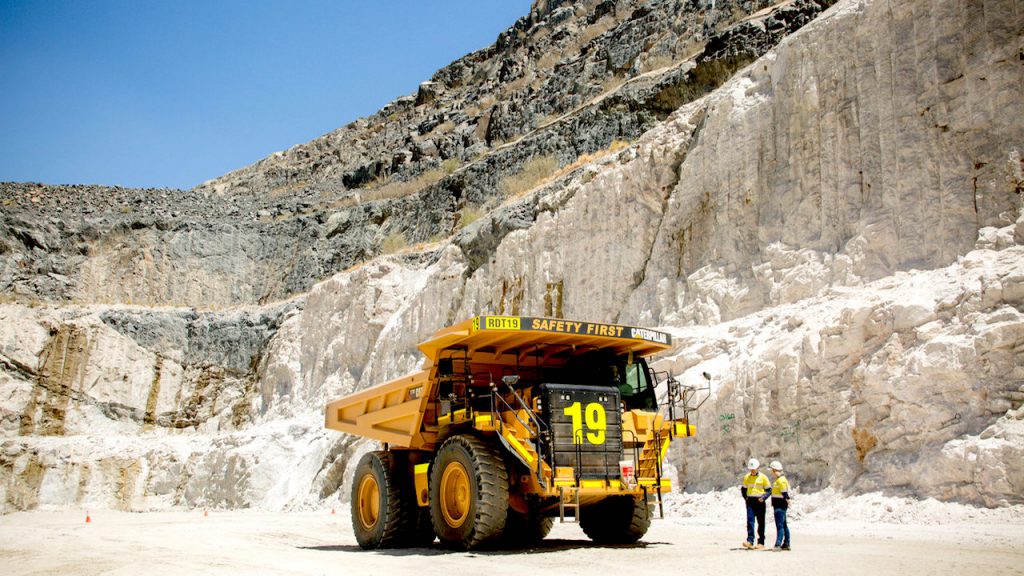
China already buys about 25% of Namibia’s exports, with uranium accounting for roughly 85%. Chinese corporations have invested almost US$4.2 billion in Namibia, primarily in the metals sector. Cooperation currently extends beyond mining and includes: Uranium processing involves technology transfer, worker training, and downstream industrial growth.
Earlier in 2026, Namibia accepted Chinese participation in the Etango uranium project via China National Nuclear Corporation (CNNC), boosting China’s position in the country’s nuclear fuel supply chain.
Lithium and Critical Minerals
Lithium has become another strategic priority.

The joint statement expressly identifies:
Lithium, Uranium, and Rare Earth Elements
as priority minerals for enhanced bilateral cooperation.
These minerals are necessary for:
Topics covered include electric vehicle batteries, renewable energy, grid storage, innovative manufacturing, and defense technology.
Unlike many standard mining agreements, the partnership prioritizes local value addition over mere extraction.
Why is China investing?
China has the following objectives:
The country aims to secure long-term supply of essential minerals, develop renewable energy and nuclear sectors, diversify global energy imports, strengthen economic influence in southern Africa, and grow industrial collaborations abroad.
Namibia fits into this plan because it combines world-class uranium resources with burgeoning oil output and significant lithium prospects.
Benefits for Namibia
The collaboration may supply Namibia with:
Benefits of greater foreign direct investment include infrastructure finance, job creation, technology transfer, local processing industries, export diversification, and better technical skills.
President Nandi-Ndaitwah has stressed job creation, industrialization, and economic diversification as key policy objectives, aligning the accords with Namibia’s overall development program.
Risks and Challenges.
Despite the opportunities, numerous difficulties persist:
Challenges in resource development include reliance on a single export market, commodity price volatility, environmental concerns, ensuring local communities benefit, and balancing international investment with national sovereignty.
Successful implementation will be dependent on transparent regulation, good governance, and ongoing investment in local capabilities.
Investor’s Perspective
For investors, the increased China-Namibia collaboration emphasizes numerous areas that could benefit over the next decade:
Offshore Oil Exploration and Production Uranium mining and nuclear fuel supply networks Lithium prospecting and battery materials. Rare Earth Development Mining Equipment and Services Logistics and Port Infrastructure Mineral Processing and Beneficiation Renewable energy supports mining operations.
Namibia has the potential to become one of Africa’s most strategically vital resource economies in the coming decade if it successfully develops both its offshore oil resources and its critical minerals sector while growing domestic processing.