
Investing in Ghana’s wholesale heavy equipment market can be extremely rewarding, but it necessitates negotiating a unique set of circumstances: a commodity-driven economy, enormous infrastructure deficits, and a competitive landscape dominated by Asian imports. Here’s an organized description of the potential, entry tactics, and hazards.
- Why Ghana? The Demand Drivers
Ghana’s economy is among the most stable and business-friendly in West Africa. Several sectors provide consistent demand for heavy machinery:
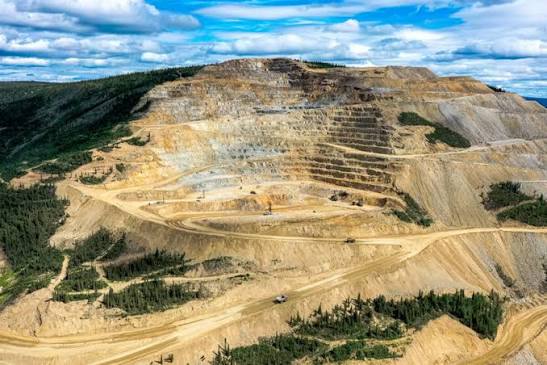
Mining (gold, bauxite, manganese): The source of export revenue. Large-scale miners (Newmont, Gold Fields, AngloGold Ashanti) and a large number of small-scale/artisanal miners require excavators, bulldozers, dump trucks, crushers, and drilling rigs.
Construction and Real Estate: The rapid urbanization of Accra, Kumasi, and Takoradi drives demand for concrete mixers, tower cranes, backhoe loaders, graders, and rollers. Government affordable housing developments contribute to this.
Infrastructure (Roads, Railways, and Ports): The government routinely awards large contracts (typically to Chinese corporations) for road networks, Tema Port expansion, and railway rehabilitation. These initiatives necessitate enormous fleets.
Agriculture Mechanization: The government’s priority (Planting for Food and Jobs 2.0) is to promote tractors, harvesters, irrigation equipment, and agricultural processing machinery.
- The Wholesale Landscape: What’s Selling?
“Wholesale” usually refers to an importer/distributor selling to dealers, rental firms, contractors, or large end users. Market segments:
A. New equipment.
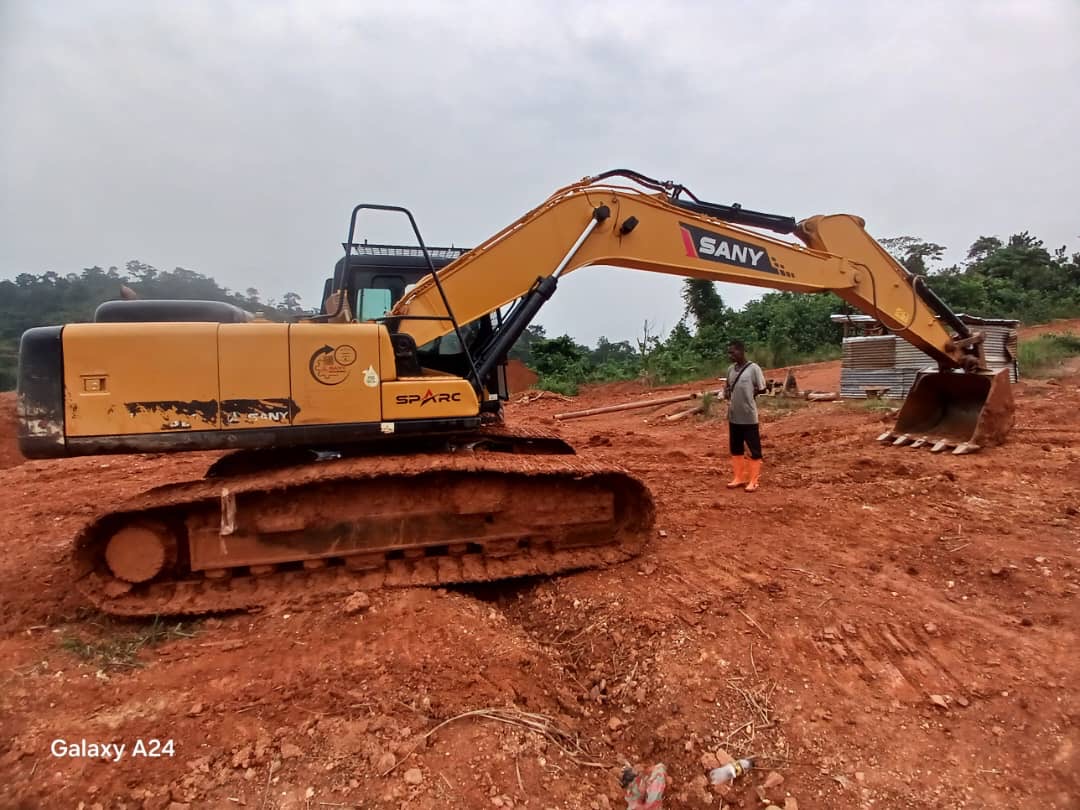
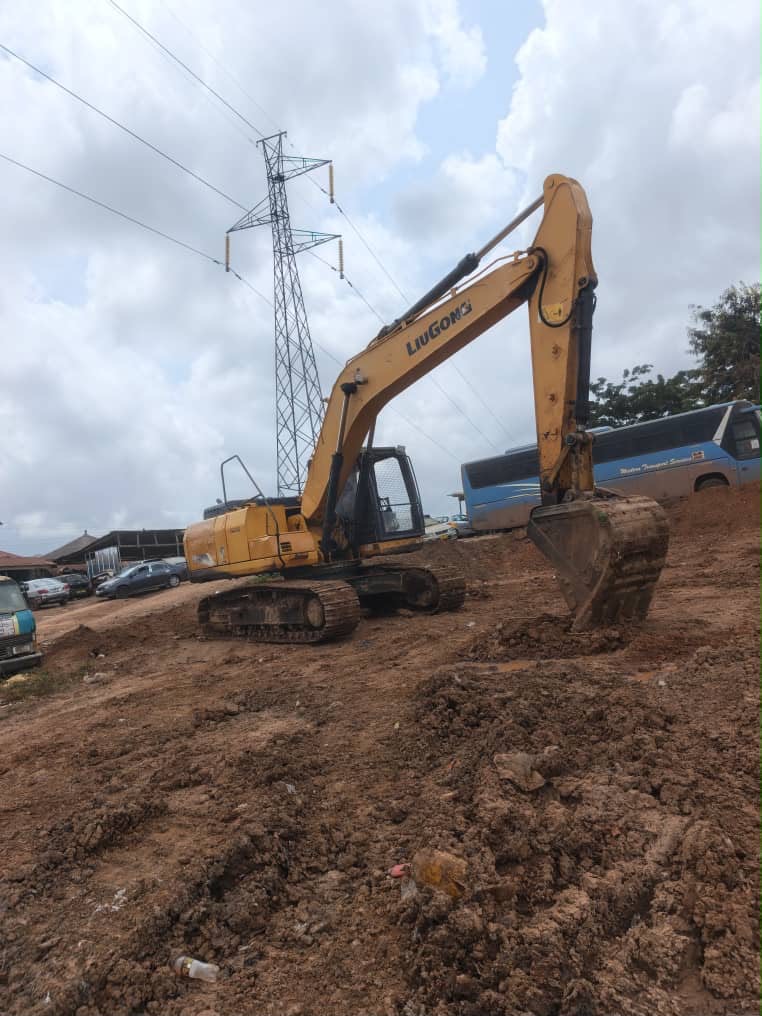
Dominant players include CAT (Mantrac Ghana), Komatsu, Volvo, SANY, XCMG, LiuGong, and Zoomlion. Chinese companies such as SANY, XCMG, and SDLG have aggressively seized market share by offering prices 20-40% lower than Western goods and financing options.
Wholesale Angle: Becoming an authorized dealer for a Tier-2 Chinese brand that does not already have a strong Ghanaian presence. You would import containerized or RoRo (roll-on/roll-off) shipments and resell to local plant hire firms. The margins are thin, but the volume might be substantial.
B. Used/Refurbished Equipment (A Huge Opportunity)
High demand: Most local contractors and small-scale miners cannot afford modern CAT or Komatsu equipment. They choose reliable used equipment from Japan, Europe, or the United States.
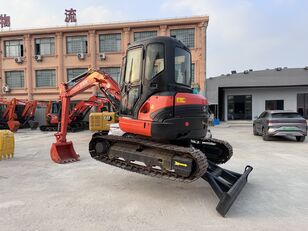
Popular models include CAT 320/330 excavators, CAT D6/D8 bulldozers, Volvo L120/L150 wheel loaders, Howo/Sinotruk dump trucks, and Toyota/Land Cruiser pickups (for supervisory fleets).
Wholesale Model: You buy used units at auctions (Ritchie Bros., Japanese auctions) or from European dealers, transport them to Tema Port, and then sell wholesale to local dealers or straight to mining concessions. Even after import duties, the difference between the international auction price and the landed price in Ghana can be 25-50%.
C. Rent-to-Own or Leasing
Many significant mining service contractors (e.g. Danful Resource and African Mining Services) occasionally sublease equipment. Wholesaling with a lease-purchase option for smaller contractors is a rising concept that ensures higher returns.
- Financial Considerations and ROI Expectations
Capital Requirement: A genuine wholesale operation costs between $500,000 and $2 million. This includes the initial inventory (5-10 machines), shipping, duties, yard set-up, and operating capital. You can start small with dropshipping or brokering, but wholesale inventory fosters trust.
Margins:
Used equipment: Gross margin of 20-35% on landing cost. Net after duties, logistics, cost, and currency hedging is typically 12-18%.
New equipment dealerships: Factory margins are low (5-10%), but the main money is made in after-sales (parts and service), where margins can be 30-50%.
Pricing and Payment: Ghana is a cash/haggle market. However, significant mining firms may pay net 30-60 days. Many wholesale transactions with Chinese contractors are cash-based. Expect to offer financing or at least flexible terms in order to secure large contracts.
Currency Risk: The Ghanaian cedi (GHS) has historically devalued against the dollar (by 10-20% every year). As a wholesaler, you must price your equipment in USD (or Euro) and convert promptly, or set up a forex buffer. Receiving payment in cedi and then purchasing more shares in dollars is a typical margin-destroying trap.
- Key Challenges to Prepare For:
Import Duties and Clearance: Heavy equipment is subject to import duties, VAT, the GETFund charge, the ECOWAS levy, and other taxes. Total import taxes can range from 20 to 30% of the CIF value. Used automobiles over ten years old are subject to increased penalties; consult the current Ghana Customs (GRA) tariff book. Customs valuation can be arbitrary; having a qualified clearing agent is a must.
Port Congestion & Logistics: Tema Port can become congested. To prevent demurrage, you’ll need a bonded storage located outside of the port. Overland transport costs to mining areas (such as Obuasi and Tarkwa) are significant.
Certification and Compliance: Certain categories of imported equipment must meet the Ghana Standards Authority (GSA) criteria. Electrical and explosive atmosphere equipment (for mining) must be certified. A lack of sufficient documentation can result in a seizure.
After-Sales and Parts: The availability of parts is the single most important competitive advantage for large companies. If you wholesale a machine and are unable to offer filters, hydraulic hoses, or tracks within 48 hours, you will lose repeat customers. In addition to the machinery, you must invest in a parts inventory.
Competition: Chinese corporations (SANY, XCMG) operate their own mega-wholesale yards in Tema, giving substantial discounts and bank financing. Japanese used-equipment importers (typically Lebanese and Indian-owned enterprises) are well-established. Differentiation is difficult without a niche.
Land and political risk: Ghana is stable, but mining restrictions can change rapidly. A crackdown on illegal mining (galamsey) could temporarily halt equipment sales. You must understand your end-user to avoid accidentally giving computers to prohibited activity, which might result in legal difficulties.
- Practical Entry Strategy Roadmap
Market Visit and Partner Identification: Spend at least four weeks in Accra, Kumasi, and Tarkwa. Meet the following people: equipment sellers from the Abossey Okai and Spintex industrial districts, the Ghanaian Contractors Association, and the Ghana Chamber of Mines. Seek out a local partner—a Ghanaian co-owner greatly simplifies property acquisition, customs ties, and mining-sector trust.
Choose a Niche: Instead than competing with Mantrac on D8 dozers, try focusing on a single category, such as used excavators (20-40 ton) for small-scale miners, agricultural tractors, or quarry crushing equipment. Alternatively, you might become the regional wholesaler for a certain Chinese brand looking to expand into Ghana.
Establish a Yard and Bonded Warehouse: Purchase land (leasehold, normally for 50 years) along the Accra-Tema road or near Takoradi port. A 2- to 5-acre fenced yard with a rudimentary workshop is required to inspect, repaint, and minor-repair machines before selling.
Master the Supply Chain: Work with a trusted sourcing agent in Japan (for secondhand excavators/hybrids) or Europe (for Volvo/Doosan). Negotiate shipment consolidation by filling 40-foot open-top containers or using RoRo services. Establish a dollar-denominated account in Ghana (most banks offer Foreign Exchange Accounts) to protect your revenue.

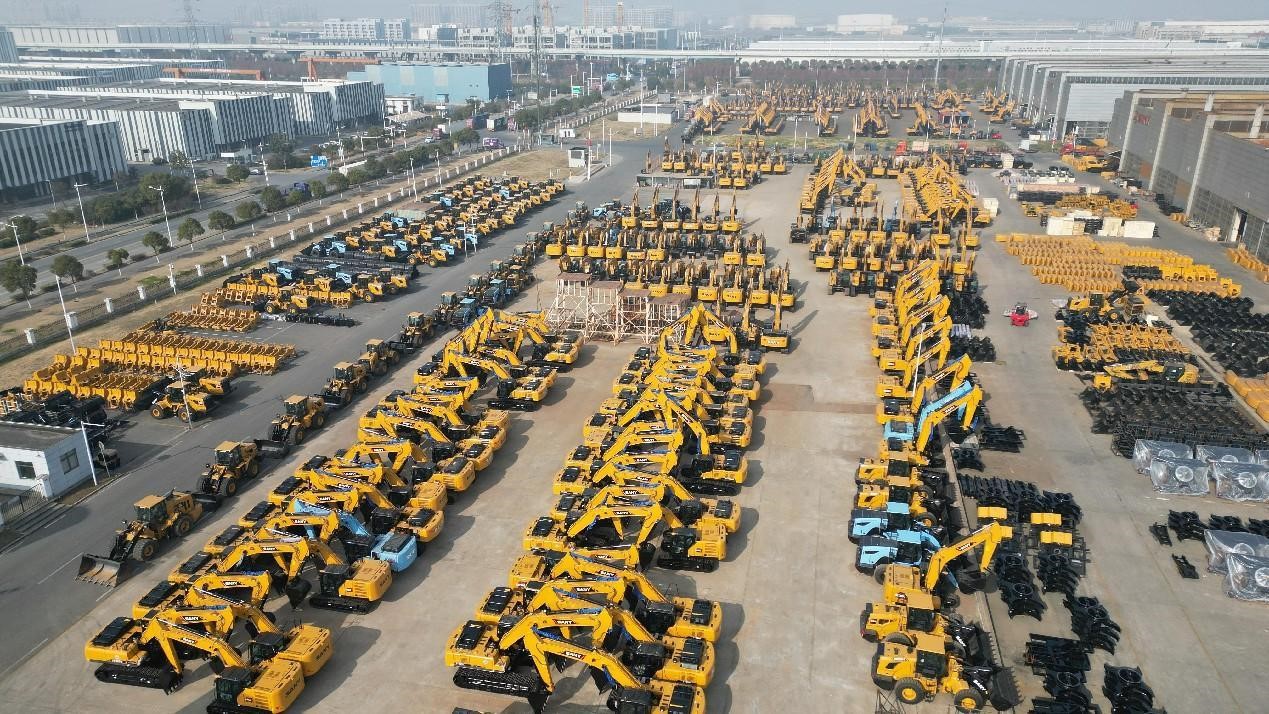

Create a Service and Parts Offer: Even if you are a wholesaler, your inventory must appear to be in working order. Hire a few skilled Ghanaian technicians (many of whom have been educated by Mantrac/Komatsu) and stock up on fast-moving parts such as bucket teeth, hoses, filters, and undercarriage components. This changes your yard from a “scrap lot” to a legitimate wholesale location.
Market Aggressively Through On-the-Ground Networks: Forget digital ads. Print A4 flyers with your stock list (brand, model, year, hours, and price USD) and distribute them to mining sites, local assembly areas, and building material stores. Join the Ghana Heavy Equipment Operators’ Association. Word-of-mouth from delighted contractors who can attest that your machines do not blow engines is your most effective marketing tool.
- The Competitive Edge: Financing for Wholesalers
A true gap: many local small-scale mining contractors and builders require equipment but lack bank collateral. As a well-funded wholesaler, you can implement hire-purchase arrangements in which you keep the machine title until 50-70% is paid and install a concealed GPS kill switch for repossession. This results in greater margins (18-25% interest on financing) plus the wholesale margin, but it necessitates a strong legal structure and recovery team. This model is risky, yet in high demand.
Final Verdict
Investing in Ghana’s wholesale heavy equipment sector has a high level of risk and return. Given Africa’s infrastructure and resource needs, demand is real and unlikely to lessen. Success, however, is determined less by the equipment and more by your ability to handle currencies, navigate customs bureaucracy, and establish a local network that trusts your after-sales service. If you can bring a container of low-hour excavators, spare parts, and a technician, you’ll find buyers within weeks—provided you’ve hedged the cedi correctly. Investing in Ghana’s wholesale heavy equipment market can be highly profitable, but it requires navigating a specific set of conditions: a commodity-driven economy, massive infrastructure gaps, and a competitive landscape dominated by Asian imports. Here’s an organized description of the potential, entry tactics, and hazards.
- Why Ghana? The Demand Drivers
Ghana’s economy is among the most stable and business-friendly in West Africa. Several sectors provide consistent demand for heavy machinery:
Mining (gold, bauxite, manganese): The source of export revenue. Large-scale miners (Newmont, Gold Fields, AngloGold Ashanti) and a large number of small-scale/artisanal miners require excavators, bulldozers, dump trucks, crushers, and drilling rigs.
Construction and Real Estate: The rapid urbanization of Accra, Kumasi, and Takoradi drives demand for concrete mixers, tower cranes, backhoe loaders, graders, and rollers. Government affordable housing developments contribute to this.
Infrastructure (Roads, Railways, and Ports): The government routinely awards large contracts (typically to Chinese corporations) for road networks, Tema Port expansion, and railway rehabilitation. These initiatives necessitate enormous fleets.
Agriculture Mechanization: The government’s priority (Planting for Food and Jobs 2.0) is to promote tractors, harvesters, irrigation equipment, and agricultural processing machinery.
- The Wholesale Landscape: What’s Selling?
“Wholesale” usually refers to an importer/distributor selling to dealers, rental firms, contractors, or large end users. Market segments:
A. New equipment.
Dominant players include CAT (Mantrac Ghana), Komatsu, Volvo, SANY, XCMG, LiuGong, and Zoomlion. Chinese companies such as SANY, XCMG, and SDLG have aggressively seized market share by offering prices 20-40% lower than Western goods and financing options.
Wholesale Angle: Becoming an authorized dealer for a Tier-2 Chinese brand that does not already have a strong Ghanaian presence. You would import containerized or RoRo (roll-on/roll-off) shipments and resell to local plant hire firms. The margins are thin, but the volume might be substantial.
B. Used/Refurbished Equipment (A Huge Opportunity)
High demand: Most local contractors and small-scale miners cannot afford modern CAT or Komatsu equipment. They choose reliable used equipment from Japan, Europe, or the United States.
Popular models include CAT 320/330 excavators, CAT D6/D8 bulldozers, Volvo L120/L150 wheel loaders, Howo/Sinotruk dump trucks, and Toyota/Land Cruiser pickups (for supervisory fleets).
Wholesale Model: You buy used units at auctions (Ritchie Bros., Japanese auctions) or from European dealers, transport them to Tema Port, and then sell wholesale to local dealers or straight to mining concessions. Even after import duties, the difference between the international auction price and the landed price in Ghana can be 25-50%.
C. Rent-to-Own or Leasing
Many significant mining service contractors (e.g., BCM and African Mining Services) occasionally sublease equipment. Wholesaling with a lease-purchase option for smaller contractors is a rising concept that ensures higher returns.
- Financial Considerations and ROI Expectations
Capital Requirement: A genuine wholesale operation costs between $500,000 and $2 million. This includes the initial inventory (5-10 machines), shipping, duties, yard set-up, and operating capital. You can start small with dropshipping or brokering, but wholesale inventory fosters trust.
Margins:
Used equipment: Gross margin of 20-35% on landing cost. Net after duties, logistics, cost, and currency hedging is typically 12-18%.
New equipment dealerships: Factory margins are low (5-10%), but the main money is made in after-sales (parts and service), where margins can be 30-50%.
Pricing and Payment: Ghana is a cash/haggle market. However, significant mining firms may pay net 30-60 days. Many wholesale transactions with Chinese contractors are cash-based. Expect to offer financing or at least flexible terms in order to secure large contracts.
Currency Risk: The Ghanaian cedi (GHS) has historically devalued against the dollar (by 10-20% every year). As a wholesaler, you must price your equipment in USD (or Euro) and convert promptly, or set up a forex buffer. Receiving payment in cedi and then purchasing more shares in dollars is a typical margin-destroying trap.
- Key Challenges to Prepare For:
Import Duties and Clearance: Heavy equipment is subject to import duties, VAT, the GETFund charge, the ECOWAS levy, and other taxes. Total import taxes can range from 20 to 30% of the CIF value. Used automobiles over ten years old are subject to increased penalties; consult the current Ghana Customs (GRA) tariff book. Customs valuation can be arbitrary; having a qualified clearing agent is a must.
Port Congestion & Logistics: Tema Port can become congested. To prevent demurrage, you’ll need a bonded storage located outside of the port. Overland transport costs to mining areas (such as Obuasi and Tarkwa) are significant.
Certification and Compliance: Certain categories of imported equipment must meet the Ghana Standards Authority (GSA) criteria. Electrical and explosive atmosphere equipment (for mining) must be certified. A lack of sufficient documentation can result in a seizure.
After-Sales and Parts: The availability of parts is the single most important competitive advantage for large companies. If you wholesale a machine and are unable to offer filters, hydraulic hoses, or tracks within 48 hours, you will lose repeat customers. In addition to the machinery, you must invest in a parts inventory.
Competition: Chinese corporations (SANY, XCMG) operate their own mega-wholesale yards in Tema, giving substantial discounts and bank financing. Japanese used-equipment importers (typically Lebanese and Indian-owned enterprises) are well-established. Differentiation is difficult without a niche.
Land and political risk: Ghana is stable, but mining restrictions can change rapidly. A crackdown on illegal mining (galamsey) could temporarily halt equipment sales. You must understand your end-user to avoid accidentally giving computers to prohibited activity, which might result in legal difficulties.
- Practical Entry Strategy Roadmap
Market Visit and Partner Identification: Spend at least four weeks in Accra, Kumasi, and Tarkwa. Meet the following people: equipment sellers from the Abossey Okai and Spintex industrial districts, the Ghanaian Contractors Association, and the Ghana Chamber of Mines. Seek out a local partner—a Ghanaian co-owner greatly simplifies property acquisition, customs ties, and mining-sector trust.
Choose a Niche: Instead than competing with Mantrac on D8 dozers, try focusing on a single category, such as used excavators (20-40 ton) for small-scale miners, agricultural tractors, or quarry crushing equipment. Alternatively, you might become the regional wholesaler for a certain Chinese brand looking to expand into Ghana.
Establish a Yard and Bonded Warehouse: Purchase land (leasehold, normally for 50 years) along the Accra-Tema road or near Takoradi port. A 2- to 5-acre fenced yard with a rudimentary workshop is required to inspect, repaint, and minor-repair machines before selling.
Master the Supply Chain: Work with a trusted sourcing agent in Japan (for secondhand excavators/hybrids) or Europe (for Volvo/Doosan). Negotiate shipment consolidation by filling 40-foot open-top containers or using RoRo services. Establish a dollar-denominated account in Ghana (most banks offer Foreign Exchange Accounts) to protect your revenue.
Create a Service and Parts Offer: Even if you are a wholesaler, your inventory must appear to be in working order. Hire a few skilled Ghanaian technicians (many of whom have been educated by Mantrac/Komatsu) and stock up on fast-moving parts such as bucket teeth, hoses, filters, and undercarriage components. This changes your yard from a “scrap lot” to a legitimate wholesale location.
Market Aggressively Through On-the-Ground Networks: Forget digital ads. Print A4 flyers with your stock list (brand, model, year, hours, and price USD) and distribute them to mining sites, local assembly areas, and building material stores. Join the Ghana Heavy Equipment Operators’ Association. Word-of-mouth from delighted contractors who can attest that your machines do not blow engines is your most effective marketing tool.
- The Competitive Edge: Financing for Wholesalers
A true gap: many local small-scale mining contractors and builders require equipment but lack bank collateral. As a well-funded wholesaler, you can implement hire-purchase arrangements in which you keep the machine title until 50-70% is paid and install a concealed GPS kill switch for repossession. This results in greater margins (18-25% interest on financing) plus the wholesale margin, but it necessitates a strong legal structure and recovery team. This model is risky, yet in high demand.
Final Verdict
Investing in Ghana’s wholesale heavy equipment sector has a high level of risk and return. Given Africa’s infrastructure and resource needs, demand is real and unlikely to lessen. Success, however, is determined less by the equipment and more by your ability to handle currencies, navigate customs bureaucracy, and establish a local network that trusts your after-sales service. If you can deliver a container of well-priced, low-hour excavators, spare parts, and a technician, you’ll be able to find customers in a matter of weeks—as long as you hedged the cedi correctly.