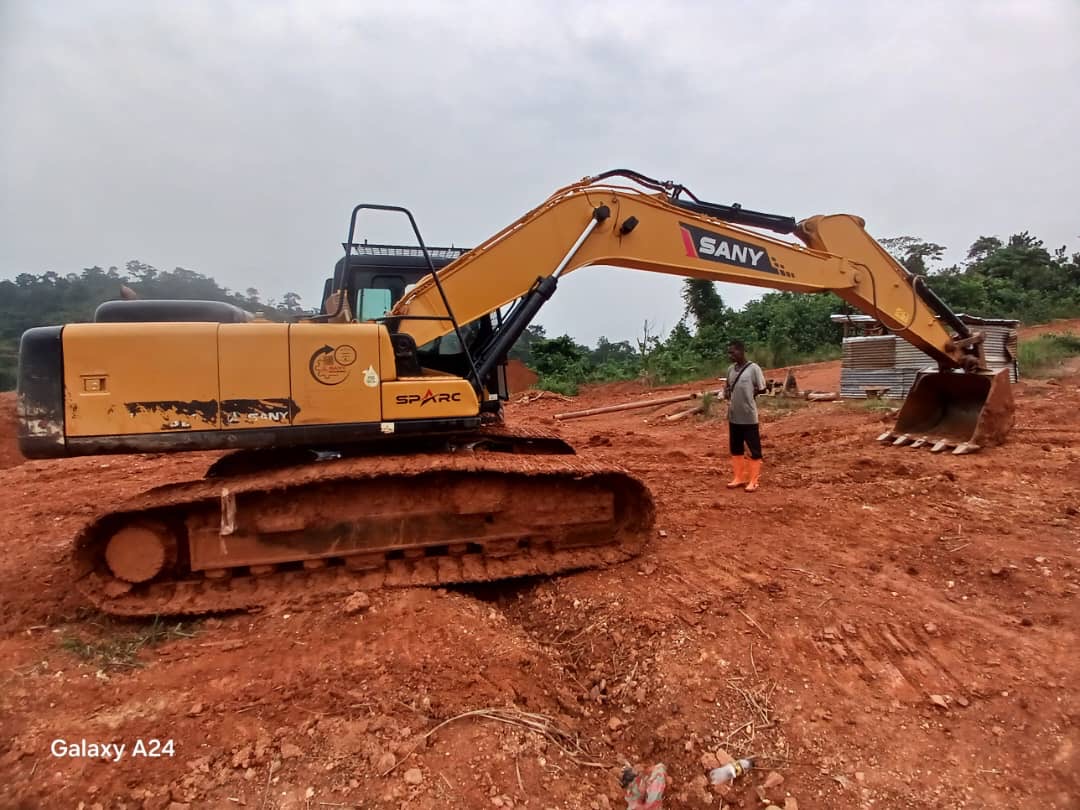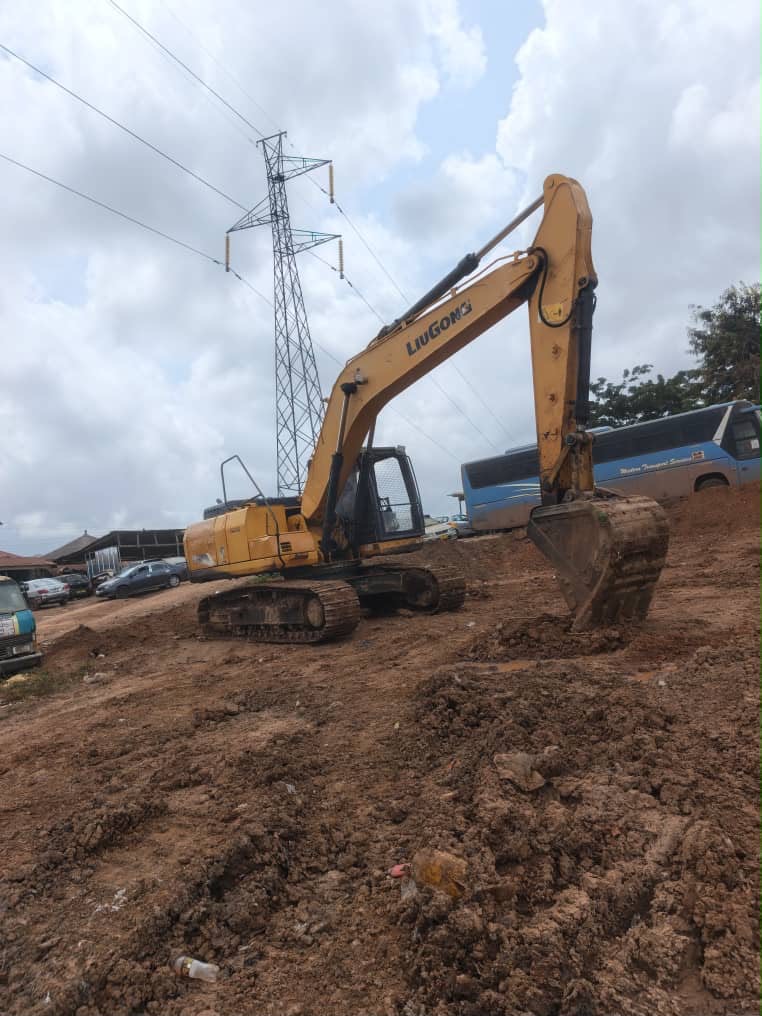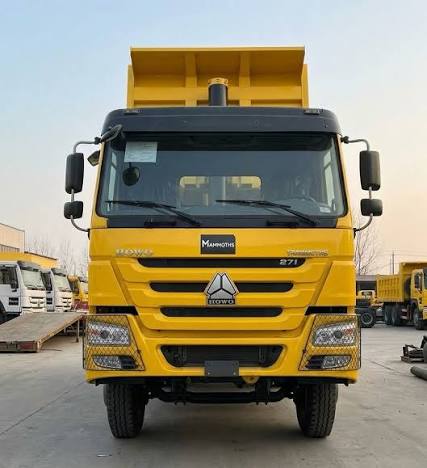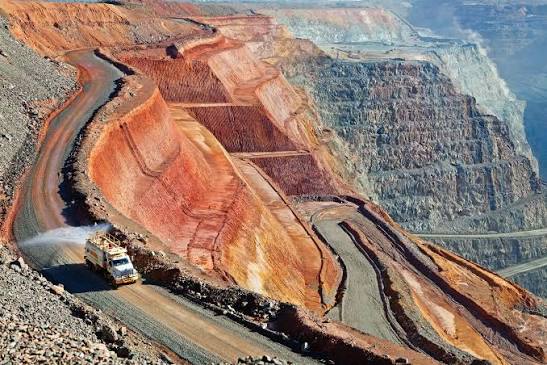

When you hear the phrase “investors’ regulations for heavy equipment,” it usually refers to the legal, tax, safety, and environmental rules you must follow before investing in heavy machinery, whether it is purchasing equipment to lease out, running a fleet, or investing in a company that owns and operates it. The specific restrictions vary depending on your position (owner, lessor, lender, or equity investor), industry (construction, mining, agricultural, forestry, etc.), and jurisdiction.
Below is a complete explanation of the regulatory areas that are most important to an investor, with an emphasis on the US framework and international references.
- Ownership, Titling, and Registration Priority rights and unambiguous legal ownership must be established before any action is taken.
Titling and registration: Unlike automobiles, most heavy equipment (excavators, bulldozers, loaders) does not have a uniform state title system in the United States. Ownership is established through the bill of sale, manufacturer’s certificate of origin (MCO), and financing documentation. Certain equipment, such as mobile cranes, commercial trucks, and trailers, must be titled and registered with the state Department of Motor Vehicles.
UCC-1 filings: To perfect a security interest as a lender or lessor, you must file a UCC-1 financing statement with the Secretary of State of the debtor’s state of incorporation. This notifies the world about your lien. Failure to file, or filing wrongly, might result in the loss of equipment in a borrower’s bankruptcy.
International registries: If you’re investing in cross-border equipment, the Cape Town Convention and associated protocols (for example, mining, agricultural, and construction equipment) establish an international registry for security purposes. Understand the local rules and the worldwide filing system.
- Environmental and Emissions Regulations. This is frequently the most significant compliance burden and a key source of obsolescence risk.
Tier Standards (Tier 1-5) of the United States Environmental Protection Agency require diesel-powered off-road equipment to satisfy increasingly stringent emissions limitations. As of 2024-2025, many countries demand Tier 4 Final or an equivalent. Older Tier 3 or uncontrolled equipment can be:
Banned from sale or import.
Use is prohibited on certain job sites (particularly government-funded projects).
Retrofits are required, which might be costly.
California Air Resources Board (CARB): CARB frequently leads and exceeds the EPA. The Off-Road Regulation requires fleet owners to track, label, and retire outdated equipment, as well as fulfill fleet average emission targets. The latest Advanced Clean Fleets rule basically prohibits new internal combustion engine technology in many categories by the 2030s.
Idling laws and noise ordinances: Many states and municipalities have idling restrictions and decibel limitations. Noncompliance might result in fines that reduce returns.
Spill prevention and hazardous materials: The equipment contains fuel, oil, and hydraulic fluid. If you own or operate a fleet yard, the EPA’s Spill Prevention, Control, and Countermeasure (SPCC) rule may require you to develop a plan and implement containment systems for oil storage of more than 1,320 gallons.
- Safety and Operator Standards End users are affected by safety rules, but investors who lease or own fleets face indirect liability if they fail to maintain compliance equipment.
OSHA (Occupational Safety and Health Administration) regulates workplace safety in construction, general industry, and maritime. Key Rules:
Daily equipment inspections (seatbelts, ROPS/FOPS, backup alarms, and lights).
Crane operator certification and inspection (OSHA 1926 Subpart CC).
Excavation and trenching equipment needs.
MSHA (mining Safety and Health Administration): If the equipment runs on a mining site, it is subject to MSHA authority. Equipment must be “permissible” in gassy underground mines, and MSHA has its own inspection and maintenance regulations.
Operator licensing: Many states need commercial driver’s licenses (CDL) for haul trucks and any other on-highway activity. Crane operators require nationally recognized credentials.
As an investor, you’ll want to see a great safety compliance record; OSHA infractions on a project including your equipment might result in liability for the managing contractor or equipment owner.
- Import, Export, and Tariffs If you import machinery from another country or export used equipment, you will be subject to customs and trade laws.
U.S. Customs and Border Protection (CBP) requires that imports meet EPA emission certifications. For non-road engines, you will likely require EPA Form 3520-21. Non-compliant engines cannot be permanently imported unless exempted.
Tariffs (Sections 232 and 301): Steel and aluminum tariffs, combined with taxes on Chinese-made machinery, have dramatically increased the cost of some new equipment and parts. These are subject to change depending on trade policy and can have an impact on asset value and ROI.
Used heavy construction equipment may be subject to Export Administration Regulations (EAR) if it has possible military applications (e.g., bulldozers with armored cab mounts). Understand your end user and destination.
- Finance, Leasing, and Securities Laws The way you arrange the investment affects which securities and consumer protection requirements apply.
The distinction between an equipment lease and a loan is that true leases have different tax and bankruptcy status than secured loans. The “economic substance” is important to the IRS and courts.
Usury and lending licenses: If you finance equipment sales with interest, you may be required to obtain a state lending license, unless an exemption exists. Leasing corporations are frequently excluded, but be wary of rent-a-charter arrangements.

Securities regulations (for pooled investment vehicles): If you raise funds from passive investors to purchase a fleet of equipment, the investment contracts are most certainly “securities” under the Howey standard. You must follow the Securities Act of 1933 (Regulation D offering), the Investment Company Act, and possibly register as an investment adviser unless an exception applies. Real equipment funds and REIT-like structures exist, but they must be carefully structured.
- Tax regulations If you follow the regulations, investing in equipment might provide significant tax benefits.
Depreciation (MACRS): The majority of heavy equipment lasts five or seven years. You can hasten depreciation by employing a 200% falling balance.
Section 179 Expensing: Allows for immediate expensing of up to a specific amount (subject to phase-out) in the year the equipment is put into service. Limits fluctuate on an annual basis.
Bonus depreciation is currently being phased down (60% for 2024, 40% for 2025, etc.), although it remains significant. Both new and secondhand equipment can qualify.
Clean vehicle/equipment credits: The Inflation Reduction Act includes incentives for commercial clean vehicles (up to $40,000) and charging infrastructure. Electric and hydrogen-powered construction equipment may qualify.
State property taxes: Many counties apply an annual ad valorem tax to equipment. You must disclose the equipment to the tax assessor. Leasing businesses frequently factor this into lease costs.
Sales/use tax: Equipment purchases are normally subject to sales tax (unless a resale or rental fleet exemption exists). Lease deals sometimes necessitate the collection of sales tax on each lease payment. Rules vary greatly by state.
- Insurance and Liability. Investors must obtain enough insurance coverage to protect the asset and third-party claims.
Contractual requirements: Almost all contracts (construction, mining, agriculture) require the equipment owner to hold general liability, vehicle liability (if on the road), and physical damage insurance. Lessors require lessees to designate them as an additional insured.
Workers’ compensation: If you have personnel operating equipment, you must have WC coverage.
Environmental impairment liability is increasingly sought by sophisticated investors, particularly on job sites with confirmed contamination.
- International Operations and Multijurisdictional Fleets. If you transfer equipment across borders or invest in a foreign market:
EU Machinery Directive and CE marking: Equipment placed into operation in the EU must bear CE marking and a Declaration of Conformity.
UKCA/UKNI: Following Brexit, the UK will require its own conformity markings.
Road traffic laws: Any self-propelled vehicle that uses public roadways must adhere to width, weight, illumination, and licensing regulations. Temporary import permissions (carnets) may be required.
Local content and investment regulations: Some nations, such as Nigeria, Brazil, and Indonesia, mandate local ownership or content in mining/construction equipment for government projects.
- Telematics and Data Privacy. Modern equipment includes factory-installed telemetry. Investors should discuss data ownership and privacy.
Data ownership: The contract must define who owns the machine data, whether the owner, lessee, or dealer. You might need data to track usage, maintenance, and location.
Privacy rules (GDPR, CCPA): If telematics collects personally identifiable information about drivers (video in cab, biometrics), you must follow local privacy legislation.
Key Takeaways from an Investor’s Due Diligence Checklist If you’re assessing a heavy equipment investment, consider the following:
Title/Lien perfection: Is there a clear line of ownership and a correctly filed UCC-1?
Emissions tier compliance: Is the fleet at risk of becoming obsolete due to forthcoming EPA/CARB rules?
Safety/OSHA/MSHA audit: Are there any pending violations or injury claims?
Import duty/tariff exposure: Does the purchase price include all landing charges, and can you pass them along?
Tax structure: Have you considered the complete impact of MACRS, 179, bonus depreciation, and state sales/property taxes?
Securities law compliance: If third-party funds are pooled, is the offering appropriately structured under Regulation D or another exemption?
Insurance coverage: Are the policies adequate, and do they name the appropriate entities as extra insureds/loss payees?
Operating jurisdiction rules: If your business is multi-state or worldwide, are you aware of each territory’s registration, tax, and compliance requirements?
Data protection: Who owns the telematics stream, and is it GDPR/CCPA-compliant?
Regulatory tailwinds: Are there any clean-equipment grants or tax credits available?
Heavy equipment can provide significant risk-adjusted returns through lease yields, tax breaks, and asset appreciation – but the regulatory environment is complicated. It is prudent to consult with a specialized equipment attorney, tax expert, and insurance broker early on in the process.