
Investing in mining contracting in Africa is a high-reward, high-risk bet on the continent’s resource boom. You are not purchasing mineral rights or the mine itself; rather, you are providing the drilling, blasting, earthmoving, haulage, and processing services required to keep mines running. This strategy can create significant cash flows with less geological risk than mining ownership, but it has its own set of issues.
Here’s an organized discussion of the opportunities, threats, and practical issues for 2026.
- Why are mining contracts being awarded in Africa right now? Increasing demand for essential minerals The energy shift is driving significant investment in copper, cobalt, lithium, nickel, rare earths, and graphite, with much of it concentrated in Africa (DRC, Zambia, Zimbabwe, Tanzania, Mali, Ghana, and so on). Mines are expanding, and new projects are under development, all of which require contractors.
Undercapitalized local contractors Many local players lack the financial resources to purchase huge fleets of excavators, dump trucks, and drill rigs. International contractors with access to equipment financing and maintenance knowledge can help bridge this gap.
shift toward contract mining. Junior miners, as well as some mid-tier companies, are increasingly outsourcing mining operations to contractors in order to preserve capital and lower fixed expenses. This trend is spreading throughout Africa.
- What services can you offer? Mining contracts are not one-size-fits-all. Typical service levels are:
Exploration drilling: reverse circulation (RC) and diamond core drilling
Blasthole drilling and blasting: production drilling, controlled blasting.
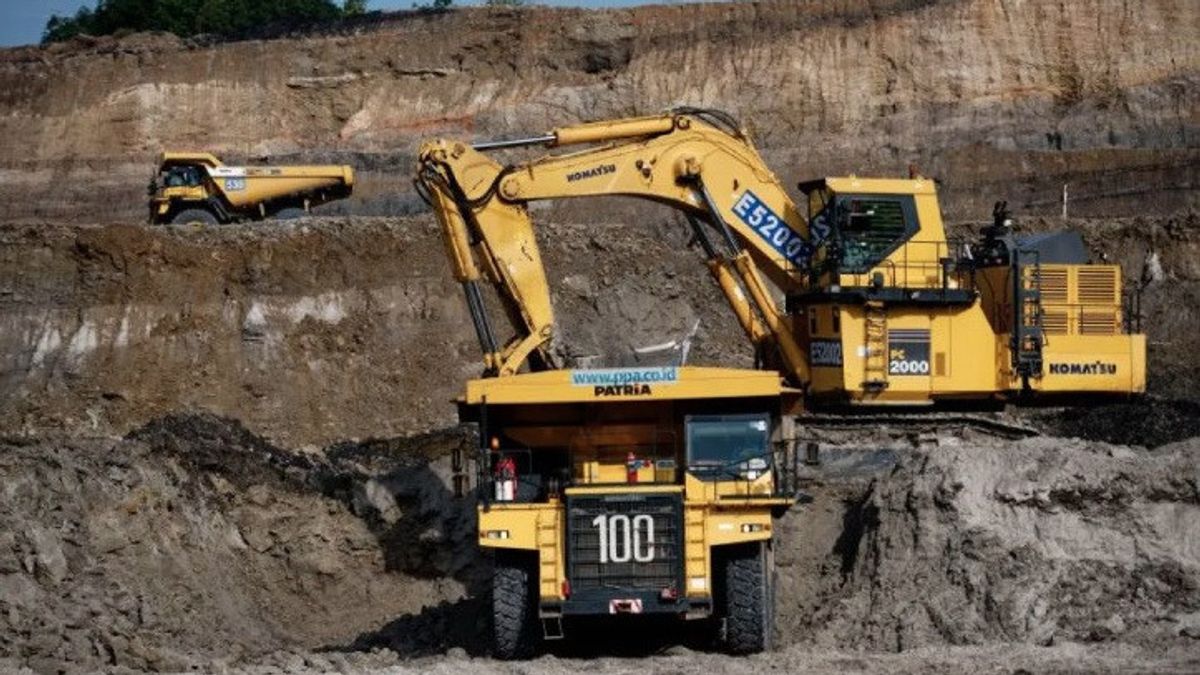
Load and carry rubbish and ore from the pit to the stockpile or crusher.
Crushing and screening: on-site material processing
Tailings and garbage management: dam building, restoration
Equipment rental and maintenance: dry or wet hire (with operator/maintenance).
Underground development includes decline sinking, lateral development, and ground support.
Full contract mining entails running the whole mining fleet at a per-tonne or per-cubic-meter rate.
The more comprehensive your service bundle, the higher the revenue—and the capital required.
- Key Markets to Watch Country’s Key MineralsOpportunity for contractors The Democratic Republic of CongoCopper, CobaltMassive open-pit and subsurface operations; continual demand for earthmoving, drilling, and underground development Zambia’s minerals include copper and emerald.Established mining sector, but operations require modernization; contract mining is still expanding. South Africa produces PGMs, gold, coal, and manganese.Highly established but mature; potential in subterranean contracting and plant hire. Ghana’s gold industry is dominated by major producers, with drilling and load-and-haul contracts available for juniors. In Mali and Burkina Faso, open-pit gold miners often use contractors and have reasonably stable frameworks. Zimbabwe’s lithium, gold, and PGM development requires contractors for both open-pit and underground operations. Tanzania contains gold, graphite, and nickel.The government supports mining investment; new projects are coming online. Botswana, NamibiaDiamonds, uranium and copperHigh requirements, yet stable regulatory regimes; equipment supply potential.
- Business Models and Entry Strategies Direct stock investment in an established contracting company Invest in a local or regional contractor to acquire quick fleet, customer contracts, and market knowledge. This is the quickest entry but necessitates extensive due research.
Greenfield start-ups Create a new organization, import equipment, and bid on contracts. This provides you control, but it requires strong local contacts and upfront funds. To comply with local content rules, you will most likely need to collaborate with a local citizen or entity.
Joint Venture with a Mine Some miners are willing to develop specific joint venture contracting arms or long-term agreements to secure capacity. This can result in guarantyd revenue and equipment utilization.
Asset-heavy leasing or wet hiring involves owning the fleet and leasing it to the mine on an hourly or tonnage basis, with or without operators. This is less dangerous than taking complete responsibility for meeting production targets.
Specialist services within a certain niche Exploration drilling, raise boring, and engineering services are less capital intensive and can be scaled across numerous clients. Margins are frequently larger, although utilization is contingent on exploration budgets.
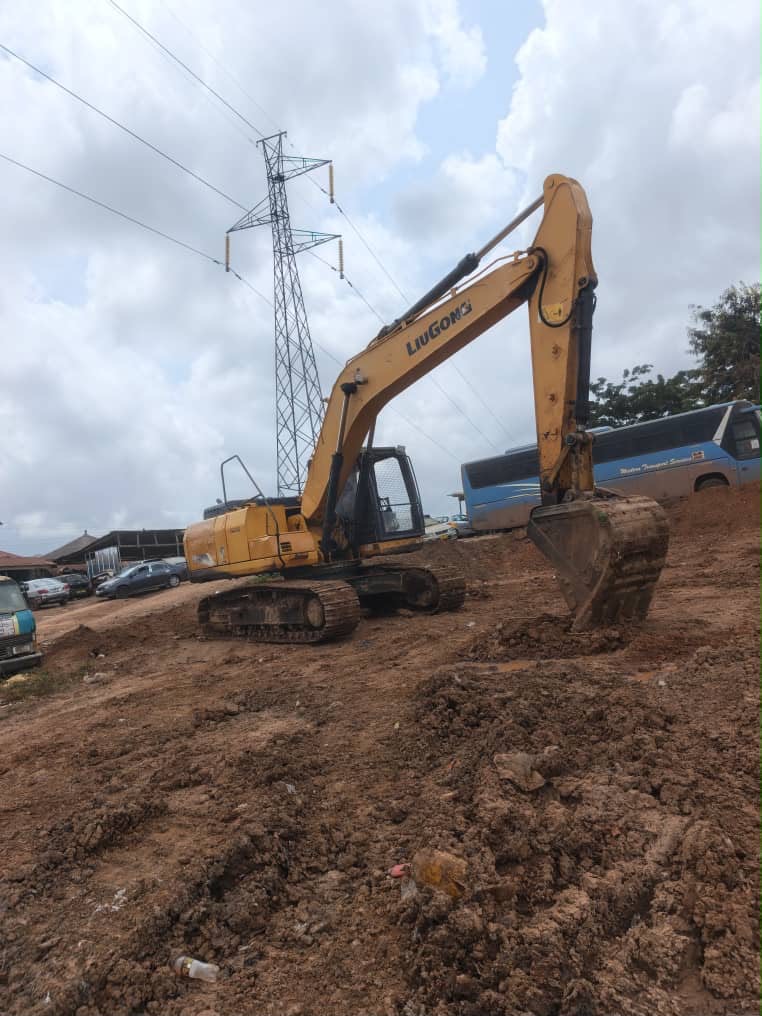
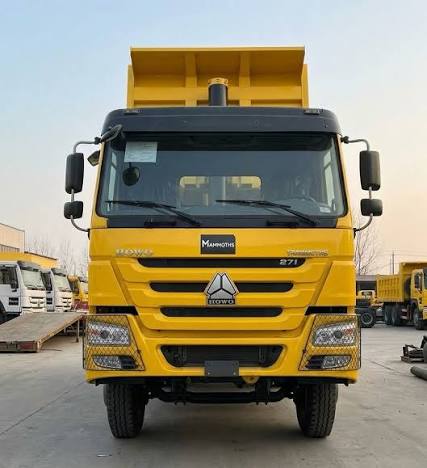
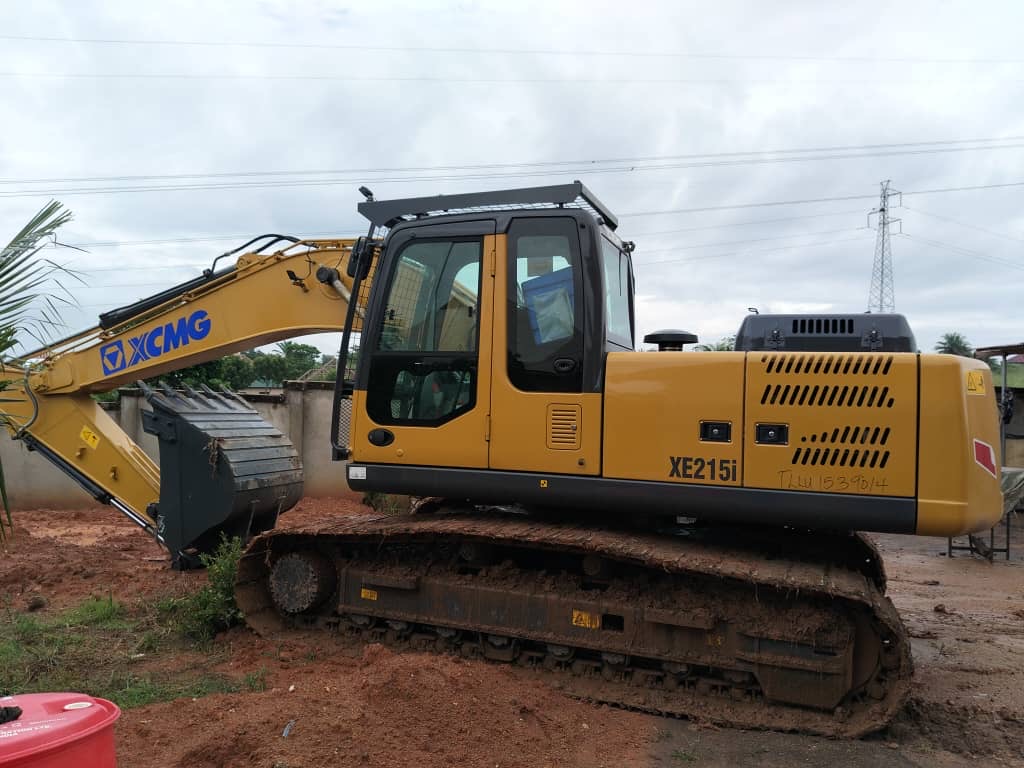
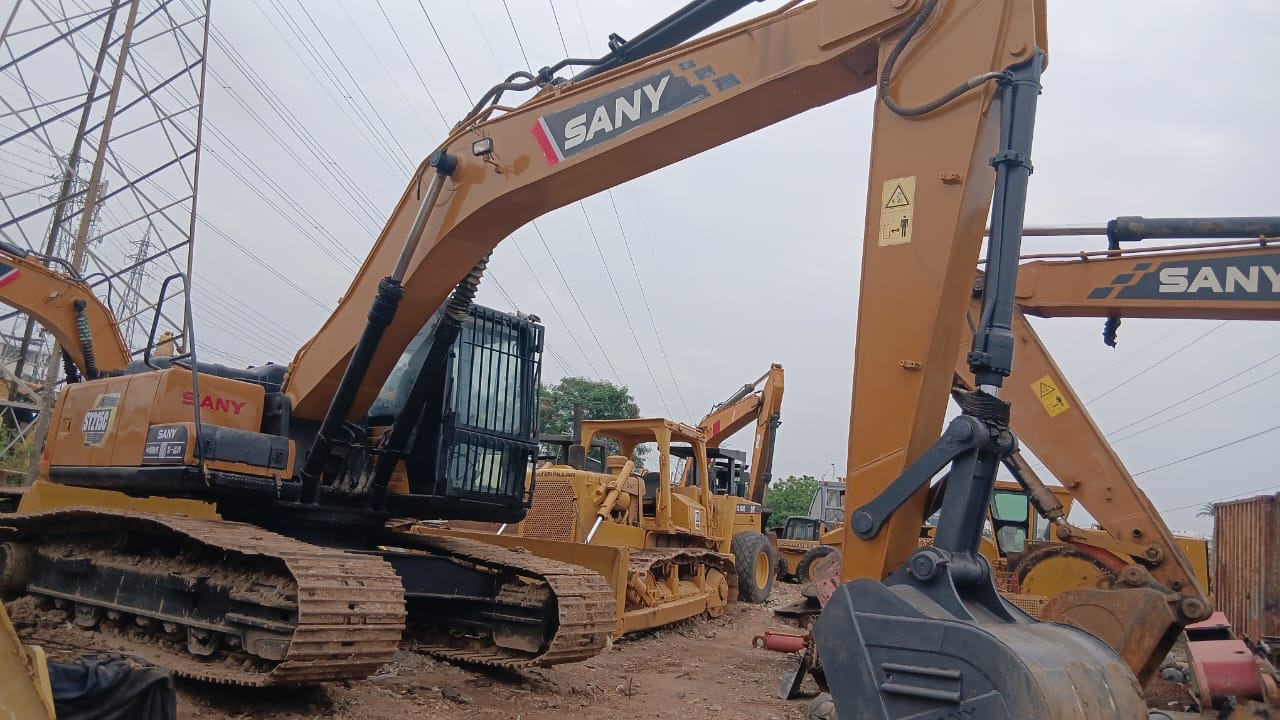
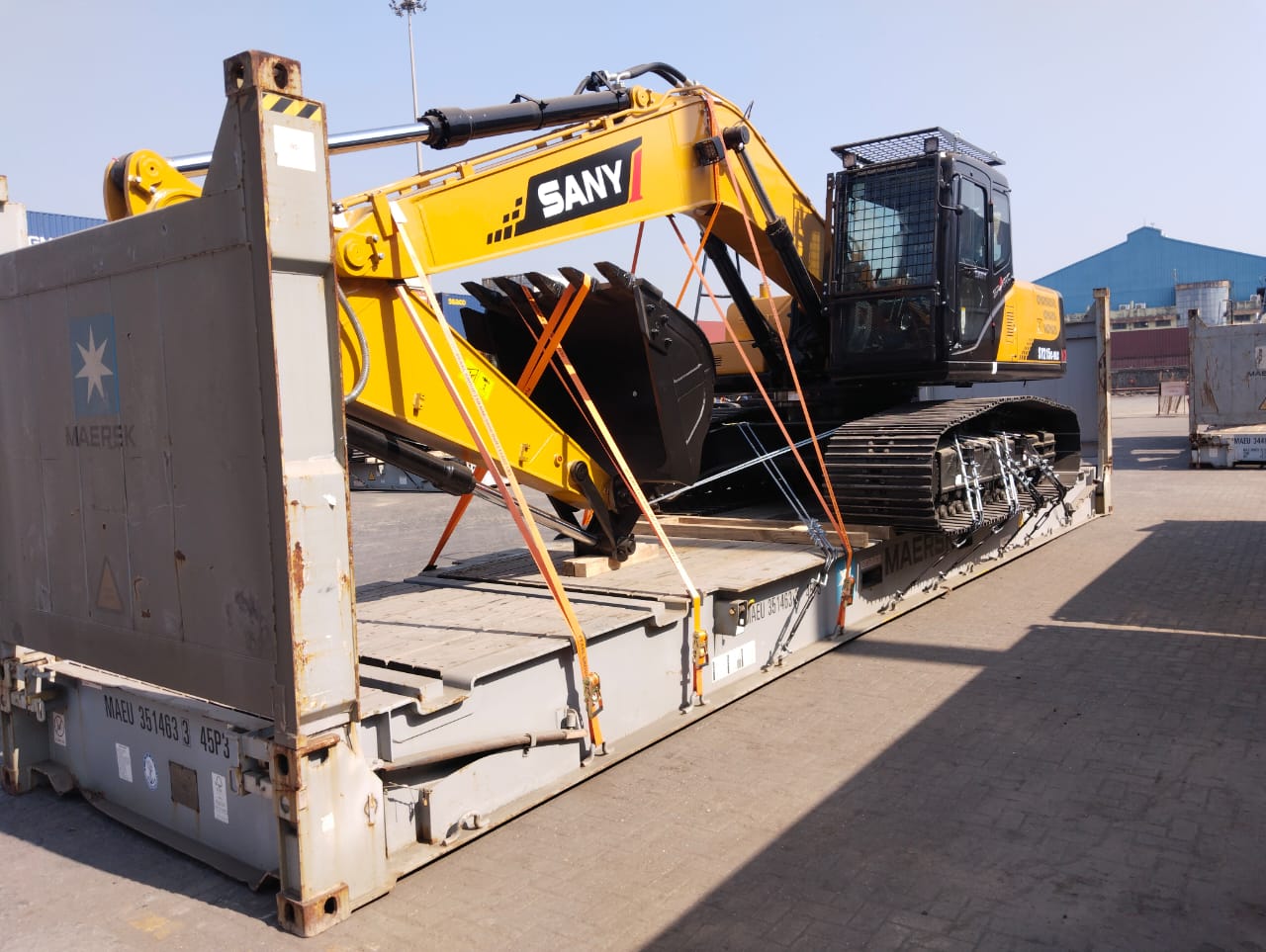
- Financials: Capital requirements. A moderate earthmoving fleet (5 excavators, 10 articulated dump trucks, a dozer, grader, and water cart) can easily cost $3-$7 million to operate, depending on size. Increase working capital for fuel, tires, payroll, and mobilization. Full-contract mining start-ups often require $10-$20 million or more.
Revenue Models
Each ton of material moved
Per cubic meter blasted
Hourly equipment rental.
Lump sum for development meters.
Typical margins for well-run contractors are 15-25% EBITDA before depreciation and finance. Because of the high capital intensity, the return on capital utilized is frequently between 8 and 15% over a cycle—a good but not bonanza.
Payment Risk Miners, particularly juniors, may delay payment. Contracts must include take-or-pay clauses, milestone payments, and performance guaranties. In some nations, retaining title to equipment might be a safeguard.
- The Risk Landscape Political and Regulatory Risk Mining codes fluctuate. The governments of the Democratic Republic of the Congo, Zambia, Mali, and Zimbabwe have renegotiated royalties, implemented local content limits, or prohibited foreign ownership. A durable investment treaty or Bilateral Investment Treaty (BIT) protection can be beneficial, but the true shield is strong local collaboration and compliance.
Currency and Convertibility Contracts are frequently denominated in USD, but expenditures (labor, fuel, and local purchases) are in the local currency. If the local currency depreciates, your USD revenue may pay fewer local costs, unless contract escalation terms are strict. In other nations, withdrawing USD remains a bureaucratic issue.
Security The Sahel, portions of eastern DRC, and northern Mozambique offer significant security threats to personnel and equipment. Kidnap and ransom insurance, safe logistics, and a liaison with government personnel are frequently required.
Operational challenges
Extreme equipment wear due to abrasive geology and bad roads
The supply chain lead time for spares can be months.
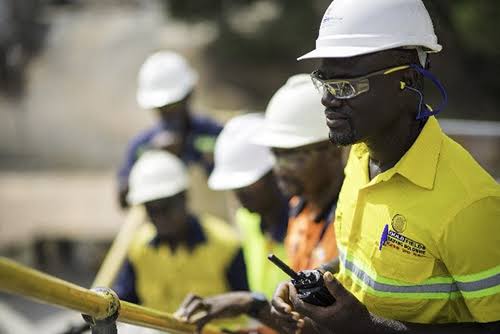
There is a shortage of skilled operators and mechanics, therefore you will need to train extensively.
Reliable power and water are seldom guaranteed; self-supply is often required.
Environment, Social, and Governance (ESG) International lenders and big mining clients are demanding higher ESG criteria. Poor safety records, labor issues, or environmental incidents can result in a blacklist. Being a responsible operator is not just an ethical need, but also a commercial necessity.
- How to invest without purchasing a shovel. You do not have to start a contracting company from beginning. Alternatives:
Publicly traded mining service businesses with African exposure (e.g., Perenti, Capital Limited, Ausdrill, African regional contractors listed in Johannesburg or London). Liquidity varies.
Private equity firms focused on African resource infrastructure. Some funds acquire and combine small contractors in order to gain scale.
Equipment financing and leasing entails funding equipment for local contractors while retaining a security stake in the fleet and off-take contract. This is a quasi-equity/debt play involving collateral.
Junior mining streamers/royalty firms indirectly fund miners, who then utilize your contractors. Not just contracts, but exposure to the entire value chain.
- Important success parameters for direct investment. A trusted local citizen or entity opens doors, obtains licenses, and navigates bureaucracy. Vesting and control must be strictly structured.
Long-term mine contracts – seek contracts with proven operators lasting 3-5 years, rather than short-term spot employment.
Fleet management obsession: Africa destroys equipment; a world-class maintenance program and parts inventories are the difference between profit and loss.
Conservative financing entails avoiding overleveraging with hard currency loans, matching debt tenor to contract life, and maintaining cash buffers.
Portfolio diversification involves spreading investments across countries and commodities in order to reduce the risk of a single project failing.
Insurance and risk transfer include comprehensive political risk insurance (MIGA, ATI, and private markets), equipment all-risk coverage, and key person insurance.
- Outlook (2026 onward) The African mining contracting market is expected to increase significantly, particularly in copper/cobalt (Central African Copperbelt) and lithium (Zimbabwe, Mali, and DRC). However, tighter local content laws will compel foreign contractors to truly empower local partners and develop local worker capacities. The winning model will most likely be a hybrid: an international corporation offering finance, technology, and best practices, closely linked to a reputable local body that secures political access and a license to operate.
If you’re serious about this space, the immediate following actions are:
Commission a thorough national risk and market analysis for your desired country/commodity.
Identify and evaluate potential local partners (legal, reputational, and financial background investigations).
Visit operations and talk to mine managers about their issues with present contractors—that’s where the potential is.
Investing in African mining contracting can yield solid, long-term results, but only if you approach the situation with open eyes, enough capital, and a long-term dedication to operational excellence and local partnerships.