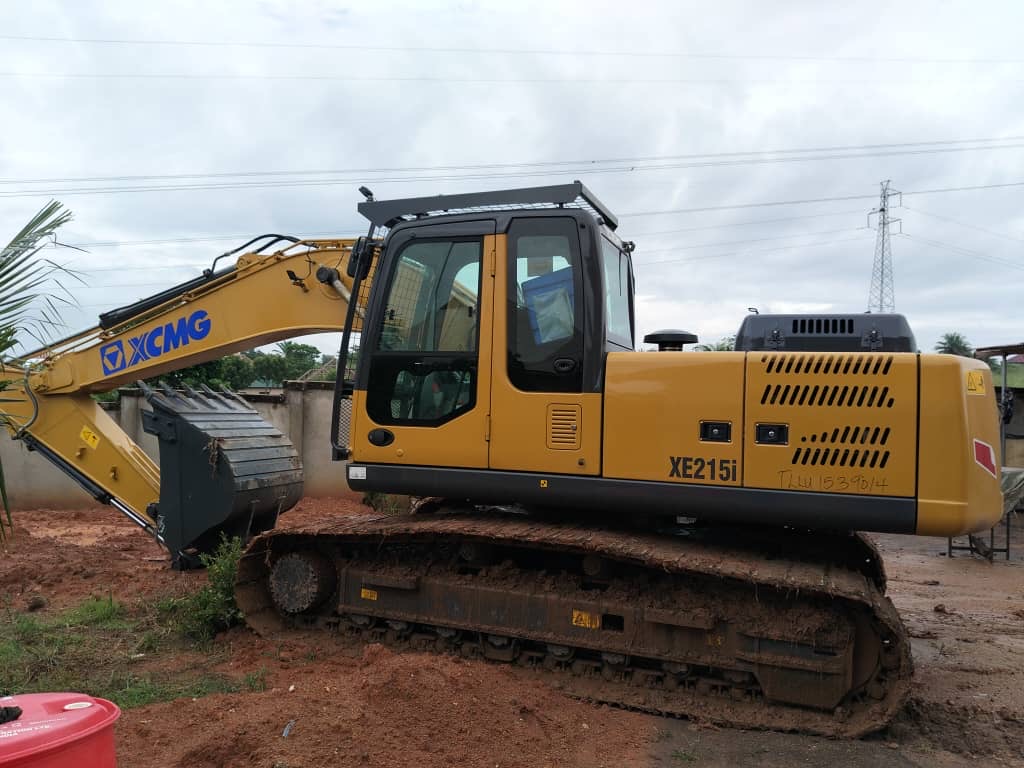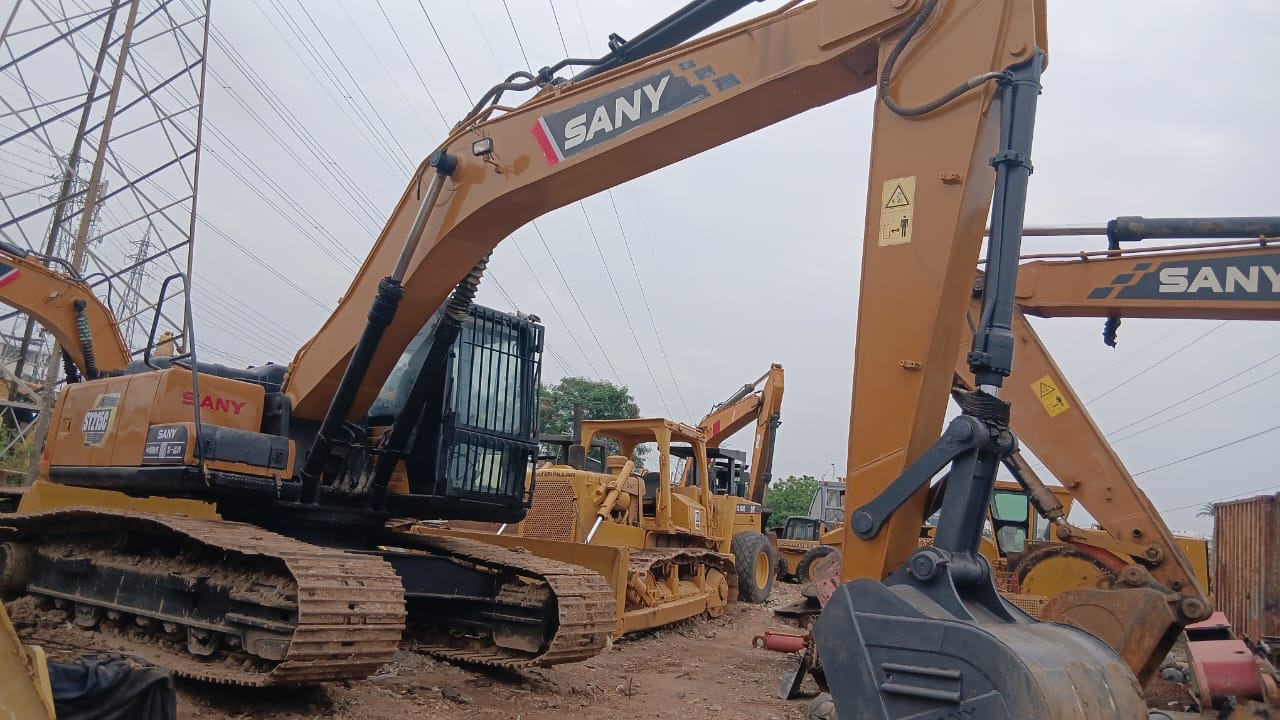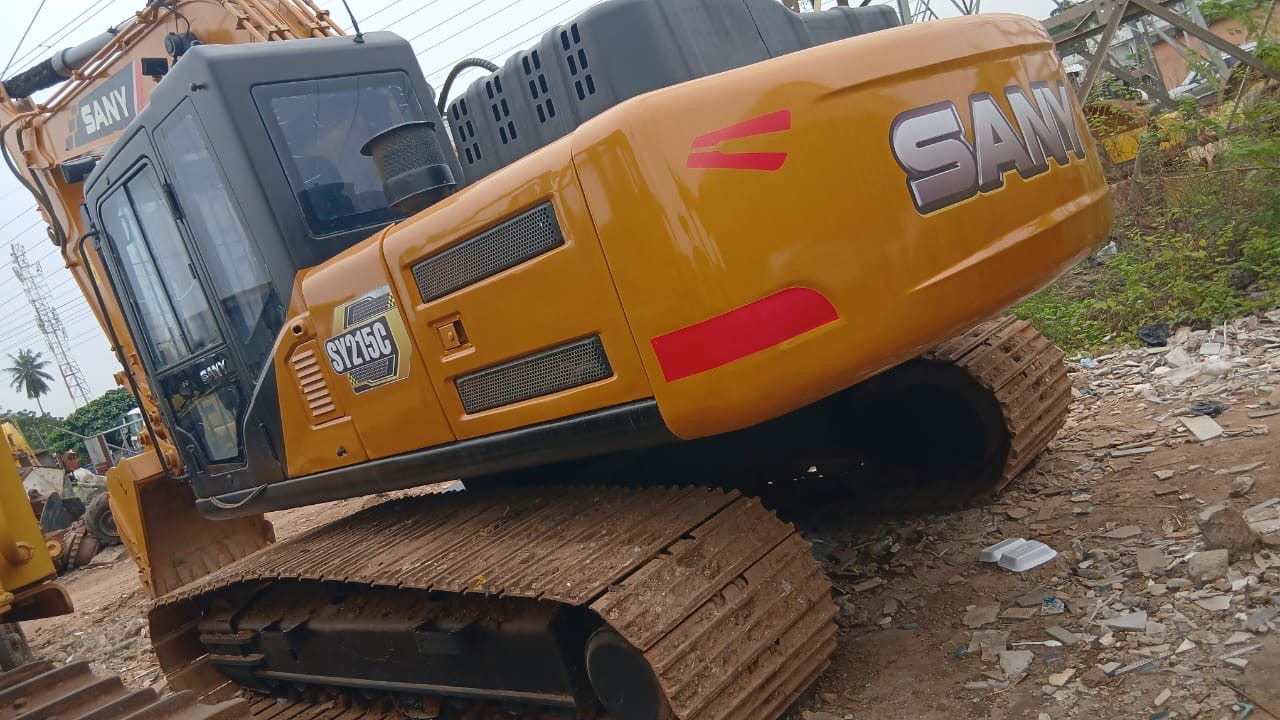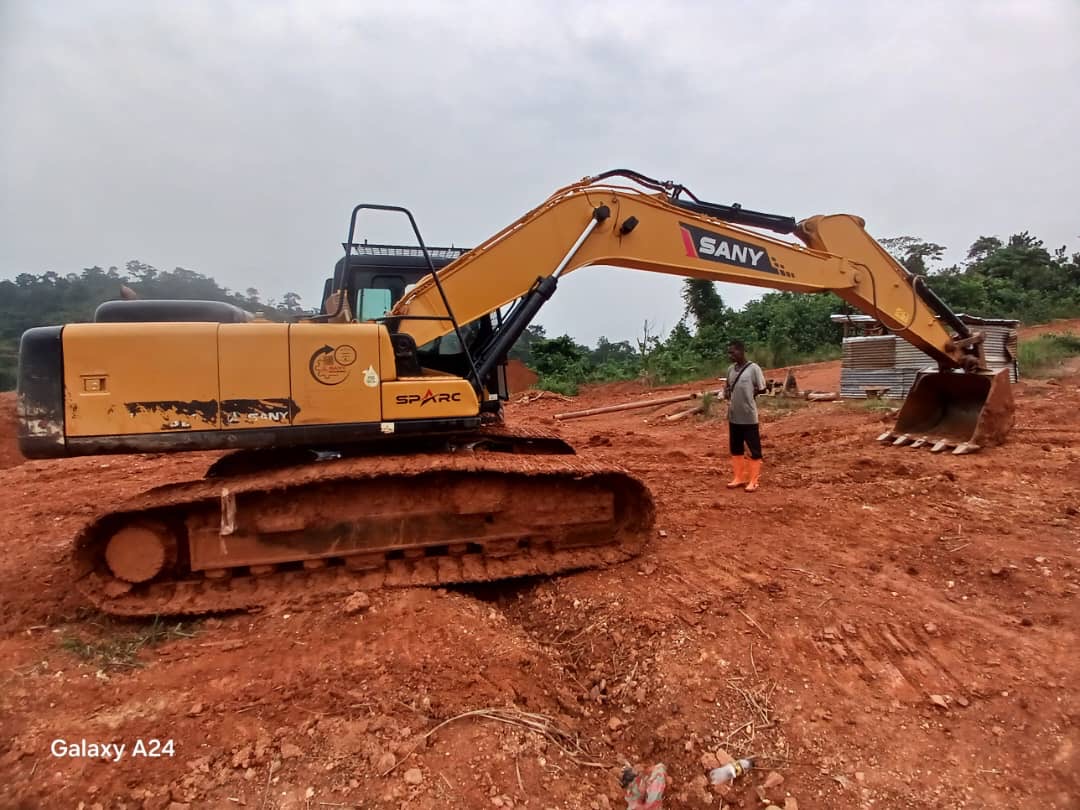

One important and quickly growing sector of India’s construction equipment business is the excavator rental market. The market, which is part of the larger earthmoving equipment rental market, is estimated to be worth over USD 1.5–2 billion and is expected to grow at a compound annual growth rate (CAGR) of 7–9% through 2030 thanks to significant infrastructure investments, a move toward asset-light business models, and a sizable unorganized sector that is gradually formalizing.
A thorough analysis of the market is provided below.
- Market Size and Growth Prospects Current Estimate: In 2023–2024, the Indian construction equipment rental industry was estimated to be worth ₹12,000–15,000 crore (USD 1.5–1.8 billion). About 35–40% of that amount is made up of excavators (crawler, wheeled, and small).
Growth Rate: As rental penetration increases, a CAGR of 7–9% is anticipated between 2024 and 2030, marginally exceeding the growth of equipment sales.
Rental Penetration: Historically low by international standards (about 10–15% vs. 30–40% in developed nations), suggesting substantial headroom.
- Segmenting the market By Type of Excavator:
The majority of the rental fleet consists of crawler excavators (20–50 tons), which are utilized for heavy infrastructure, mining, and bulk earthwork.
The fastest-growing category is mini excavators (1–6 tons), which are used for narrow-site constructions, interior demolition, and urban utility work. Demand for rentals is rising dramatically.
Wheeled excavators are becoming more and more popular for use in municipal and road applications.
By Length of Rental:
Short-term (daily/weekly): Most prevalent, particularly with seasonal projects and small contractors.
Long-term (monthly/annual): Preferred by well-established infrastructure companies looking to avoid capital expenditures; frequently includes operator and maintenance contracts.
By Industry of End Use:
Real estate and construction: about 45% (residential, commercial, and industrial buildings).
Roads, highways, railroads, metro systems, irrigation, and ports make up about 35% of the infrastructure.
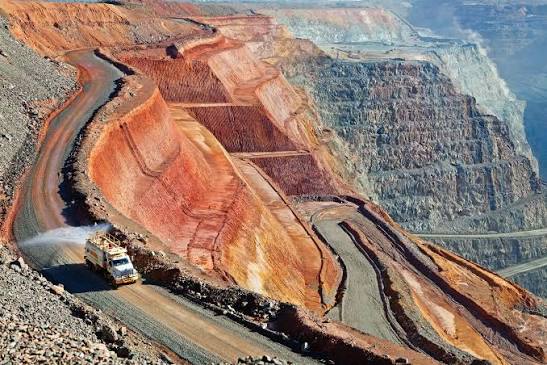
About 15% comes from mining and quarrying (coal, iron ore, limestone, aggregates).
Agriculture & Others: about 5% (pond excavation, land development, etc.).
- Important Growth Factors Government Infrastructure Push: Demand has been supported by the National Infrastructure Pipeline (NIP), Bharatmala, Sagarmala, PM Gati Shakti, and extensive road and highway expansion.
Cost and Flexibility Benefits: Renting eliminates maintenance, insurance, and depreciation risks, enabling fleet scaling with project cycles, and avoids a significant initial capital expenditure (an excavator can cost ₹30 lakh to ₹1 crore+).
Skilled Operator & Maintenance Bundling: Nowadays, the majority of rentals include service support and qualified operators, which boosts output and decreases downtime—a crucial value proposition.
Unorganized Contractor Ecosystem: Millions of small contractors in India’s construction industry are unable to purchase heavy equipment, hence renting is still the most common choice.
Post-COVID Supply Chain Reorientation: Renting is becoming more popular among contractors than waiting for the delivery of new equipment.
- The Competitive Environment Despite being extremely fragmented, the market is gradually consolidating.
Regional and Pan-Indian Organized Rental Companies
One of the first organized companies with a sizable fleet of excavators was Quippo, which is currently a part of Sany India’s rental division.
Sanghvi Movers is a significant participant in the renting of cranes and excavators, particularly for heavy-duty applications.
ABC Infra Equipment Rentals is a rapidly expanding company that sells excavators with telemetry capabilities.
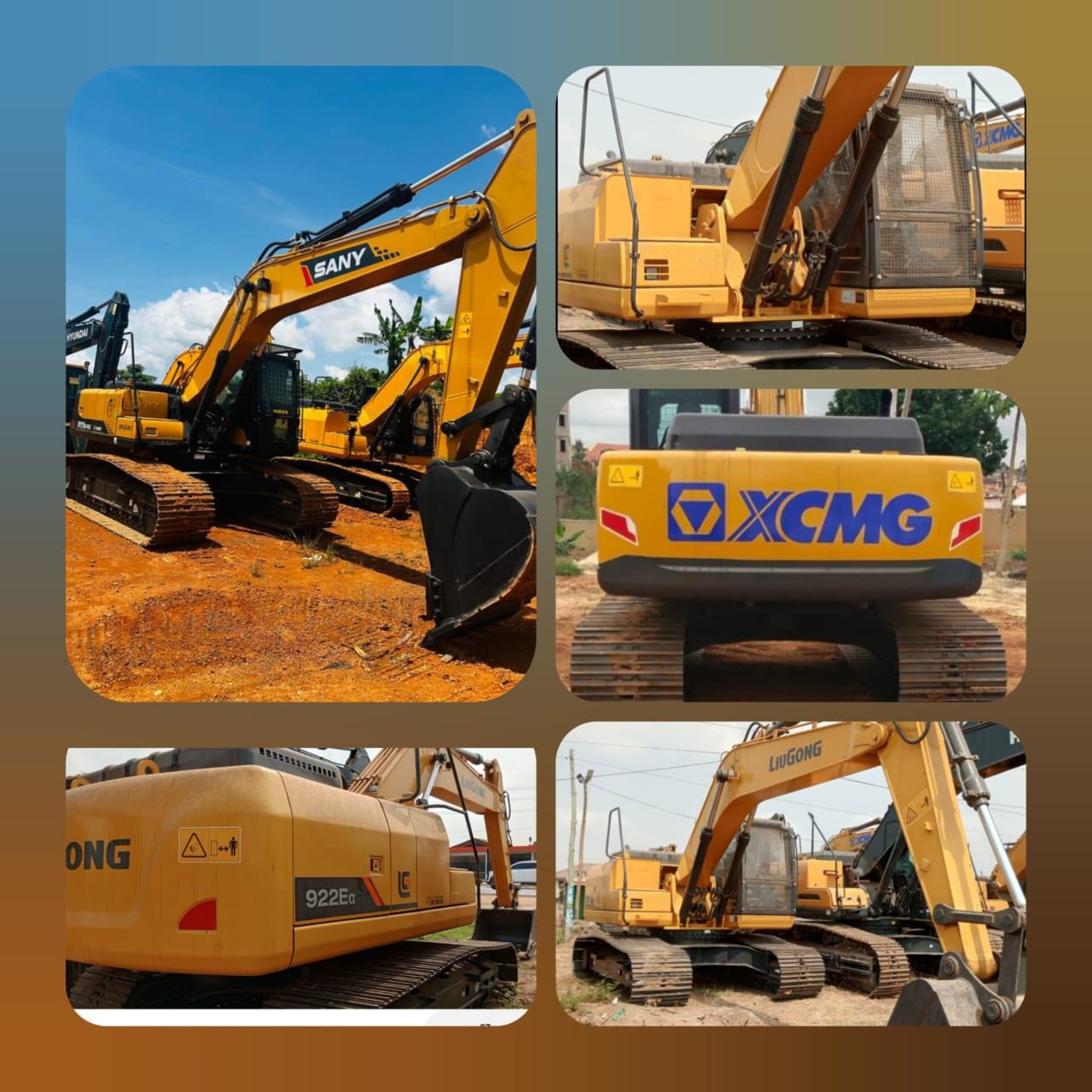
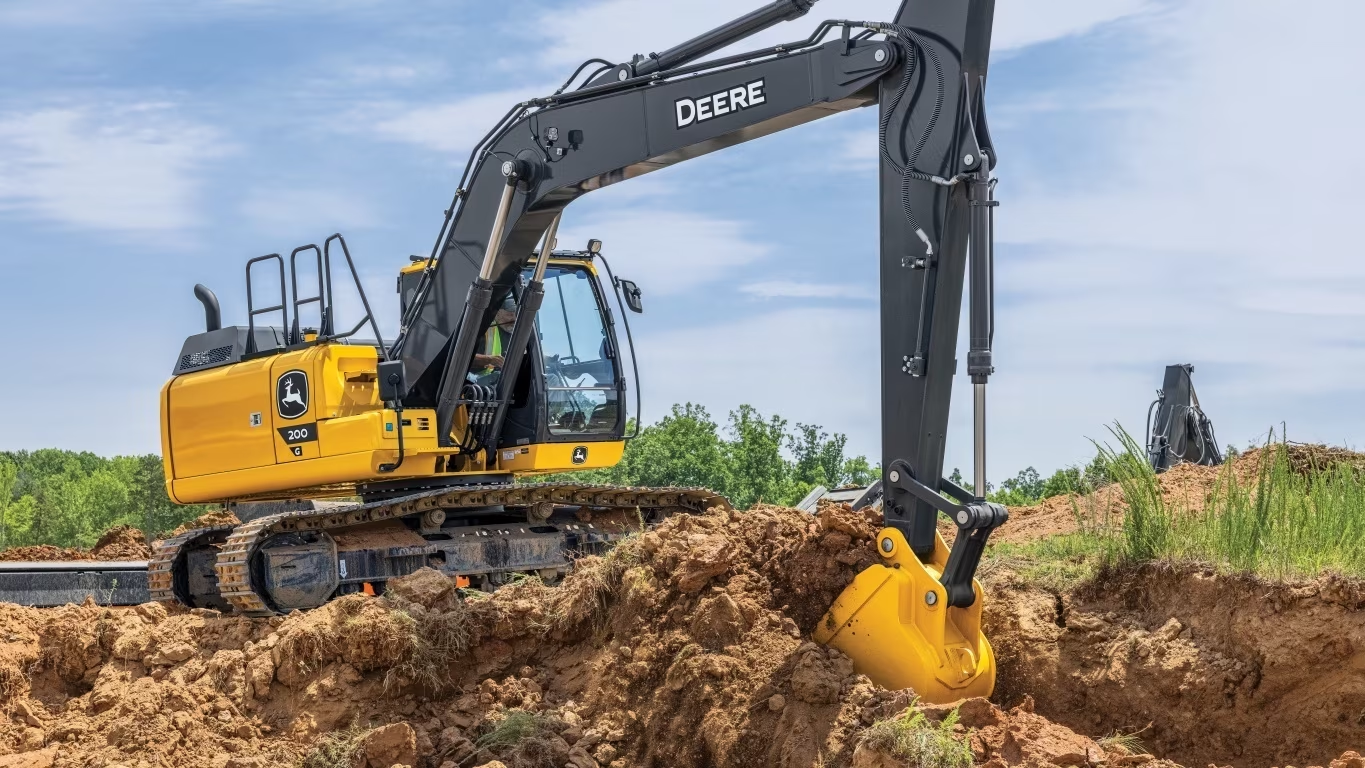
Regional leaders with diverse fleets include Patel Infrastructure and Gayatri Projects (asset rental divisions).
A sizable captive fleet is periodically made available for external rental by L&T’s equipment rental division.
OEM-driven Leasing & Rentals
Direct rental programs, certified pre-owned rentals, or partnerships with NBFCs/rental platforms are currently offered by Tata Hitachi, JCB India, Komatsu, Caterpillar, SANY, Hyundai, and Kobelco.
OEMs are concentrating more on “Equipment-as-a-Service” (pay-per-use) models.
Equipment Marketplaces and Digital Aggregators
Online systems that link fleet owners and contractors include InfraBazaar, Heavy Equipment Rentals (HER), Equip9, BuildSupply, and GetMyEquipment. These platforms frequently offer telemetry, financing integration, and transparent pricing.
Particularly for micro and mid-range excavators, these tech-first businesses are formalizing a formerly opaque sector.
Disorganized Local Participants
capture between 60 and 70 percent of the rental market, especially in semi-urban and rural locations. They compete on pricing, but they frequently don’t have contemporary equipment, safety regulations, or maintenance standards.
- Important Market Trends Digitization and Telematics: Usage-based pricing, GPS tracking, fuel monitoring, and geo-fencing are becoming commonplace, which lowers abuse and conflicts.
Change from Dry Rental to Wet Rental: More than 70% of excavator rentals are now “wet leases,” which include an operator and fuel/maintenance.
Growth of Organized Subscription Models: Particularly in mining and long-term infrastructure projects, weekly/monthly subscriptions with assured uptime are becoming more popular.
Mini Excavator Boom: The need for 2–5-ton mini excavators has increased dramatically due to urbanization and confined city worksites. This segment is growing quickly among fleet owners.
Electric and Hybrid Exploratory Rentals: Although commercial feasibility is currently limited, a few OEMs (JCB, Tata Hitachi) have introduced electric micro excavators; trial rental programs are in progress in metropolitan areas.
Equipment Finance & Leasing Innovation: Flexible lease-to-own arrangements that conflate buying and renting are being offered by NBFCs and captive financiers.
- Hotspots for Regional Demand Because of their concentrated infrastructure and urban initiatives, Maharashtra, Uttar Pradesh, Gujarat, Tamil Nadu, and Karnataka account for more than half of the rental demand.
Jharkhand, Odisha, Chhattisgarh, and Madhya Pradesh are mineral-rich areas with substantial mining excavator rental uptake.
Compact and crawler excavators are becoming more and more necessary for road and hydro projects in the northeastern and hilly states.
- Difficulties and Pain Points High Idle Time & Asset Utilization: For many fleet operators, average utilization is between 50 and 60 percent, which puts pressure on profits.
Skilled Operator Shortage: Despite bundling, there is still a shortage of skilled operators, and it is challenging to hire and retain them.
High fuel and maintenance costs might reduce profitability, particularly for older fleets in the disorganized market.
Price War with the Unorganized Sector: The market is distorted by undercutting by regional suppliers who neglect timely maintenance, insurance, and safety.
Regulatory Obstacles: RTO permissions, interstate movement taxes, and overloading regulations might cause deployment delays.
Access to Affordable Finance: Small fleet owners’ capacity to modernize is sometimes hampered by their inability to obtain loans for new excavators.
- Outlook for the Future (2025–2030) Rental penetration is predicted to surpass 20% by 2030, and the rental sector will continue to surpass sales of owned equipment.
As big corporations and OEM-backed platforms buy smaller regional fleets, consolidation will quicken.
IoT and AI-based fleet management will become differentiators, and “connected excavators” with real-time productivity data will fetch high rental prices.
Particularly in places with pollution limits, ESG compliance will encourage certain projects to rent electric or low-emission excavators.
A sustainable demand pipeline is ensured by the government’s ongoing efforts to build infrastructure (Gati Shakti, high-speed rail, metro expansions, and green energy corridors).
In conclusion, the Indian excavator rental market is a fast-paced, rapidly expanding industry where internet platforms and structured companies are progressively reconstructing a previously disjointed landscape. The “rent over buy” calculation is already well-established for contractors and project owners, while fleet investors prioritize increasing utilization, implementing technology, and providing end-to-end solutions that include maintenance and skilled labor.