
At the heart of Western Australia’s Pilbara iron ore region, mining giant BHP Group, alongside Rio Tinto and Caterpillar, has launched a major trial of battery-electric haul trucks aimed at reducing emissions from large-scale mining operations.
The trial involves two Cat 793 XE Early Learner battery-electric haul trucks operating at BHP’s Jimblebar iron ore mine in the Pilbara. After extensive testing in the United States, the trucks have completed more than 100 operating hours and over 200 test laps in one of the world’s toughest mining environments.
Why the trial matters
Haul trucks are among the largest sources of diesel consumption and greenhouse gas emissions in mining. Replacing them with battery-electric alternatives is considered critical for achieving industry decarbonization goals. BHP has stated that electrifying its haul fleet is a key part of its target to reduce operational greenhouse gas emissions by at least 30% from 2020 levels by FY2030.
What is being tested?
The companies are evaluating:
- Battery performance under Pilbara conditions
- Charging infrastructure requirements
- Operational productivity and maintenance needs
- Static charging systems
- Dynamic charging technology that could recharge trucks while they are moving
The next phase of the project will focus on dynamic charging, which could significantly improve efficiency by reducing downtime for recharging.
Industry-first collaboration
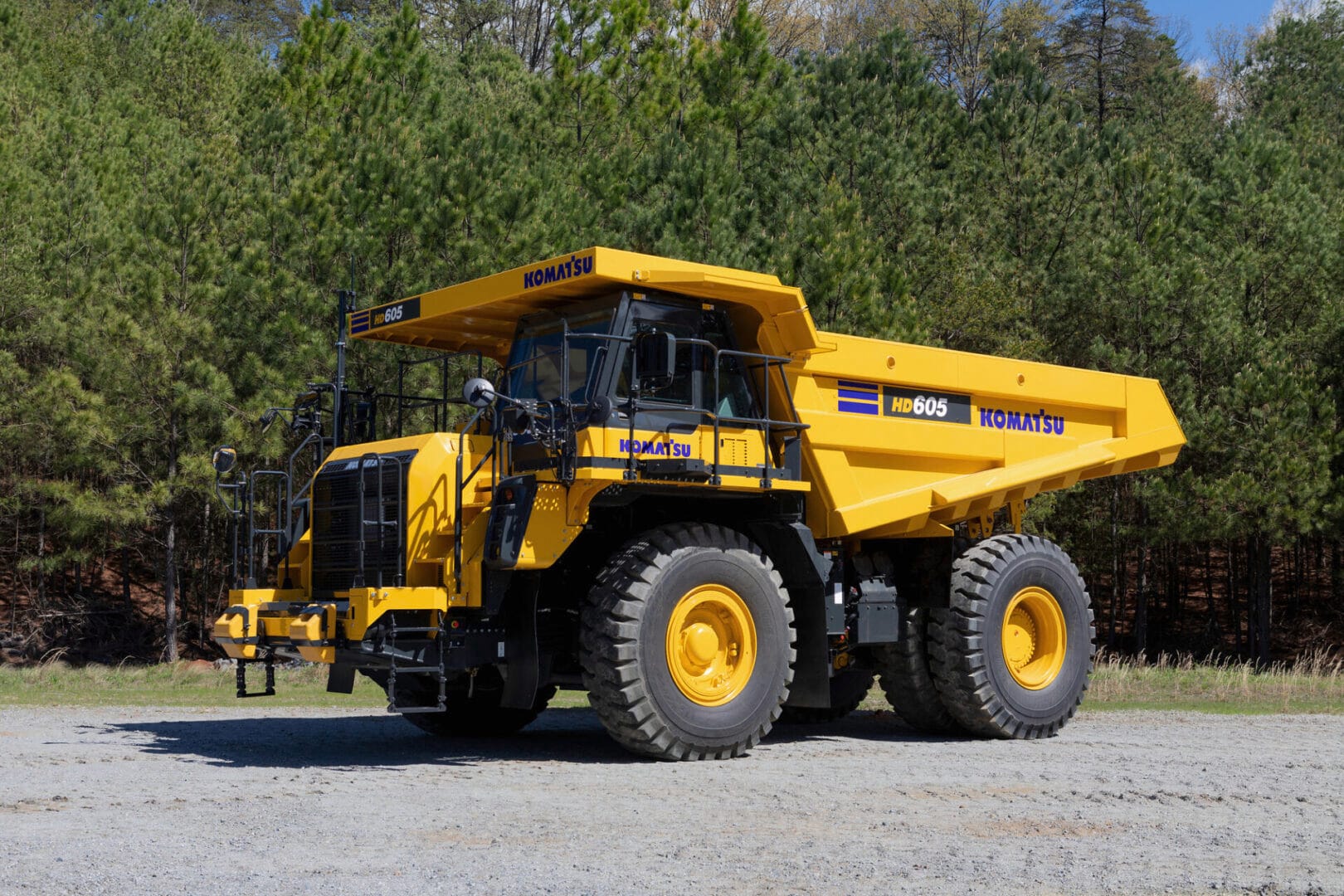
The initiative is notable because competitors BHP and Rio Tinto are sharing knowledge and test results to accelerate the development of zero-emission mining technology. Earlier plans also included testing battery-electric trucks from Caterpillar and Komatsu across Pilbara operations.
Potential impact
If successful, the trial could pave the way for widespread deployment of battery-electric haul trucks across the Pilbara, one of the world’s largest iron ore producing regions. The data gathered will help determine whether electric haulage can match the productivity of diesel fleets while significantly reducing fuel consumption and emissions.
The project highlights a broader trend in Australian mining, where major operators are increasingly investing in electrification technologies to support long-term net-zero commitments.