
The heavy equipment market in West Africa is a dynamic, price-sensitive sector driven by infrastructure gaps, mining, and agricultural modernization. It’s dominated by used machinery imports, but new sales are growing with Chinese OEMs and local assembly gaining ground. Here’s a structured overview.
- Key Markets by Country Nigeria – Largest market by far. Demand fueled by road/bridge construction, real estate, and oil & gas. Lagos is the main import hub, though port congestion and forex volatility are major headaches.
Ghana – Stable, growing market. Strong mining sector (gold, bauxite) and sustained government spending on roads. Tema port handles most heavy equipment imports.
Côte d’Ivoire – Fast-rising infrastructure market (Abidjan metro, bridges, port expansions). Politically stable, attracting French and Chinese contractors.
Senegal – Emerging hub for mega-projects (new city of Diamniadio, regional rail). Mostly French- and Chinese-backed.
Guinea, Mali, Burkina Faso – Mining-led (gold, iron ore, bauxite). Equipment demand closely tied to mining investment cycles and security conditions.
Niger, Benin, Togo – Smaller markets, often fed by transit trade from Nigeria or used equipment flowing from Europe via Cotonou/Lomé ports.
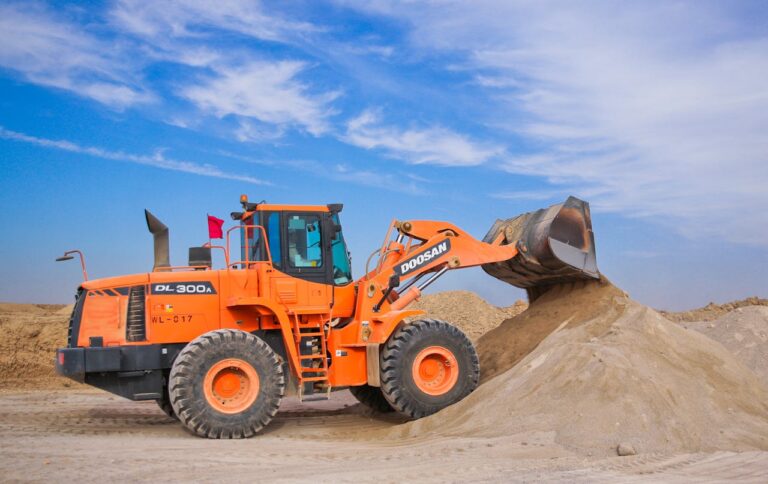
- What Equipment Sells Earthmoving – Excavators (20–50 tonnes), bulldozers, wheel loaders, motor graders, articulated dump trucks.
Road construction – Asphalt pavers, compactors, concrete mixers/pumps.
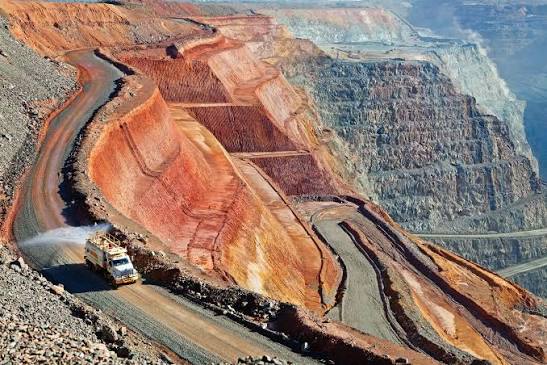
Mining-specific – Large rigid dump trucks, high-capacity excavators, drill rigs.
Cranes – Mobile and all-terrain cranes for port and construction projects.
Agricultural – Tractors (70–120 HP), combine harvesters, irrigation pumps (strong push by governments for food self-sufficiency).
- New vs. Used Equipment Used equipment dominates (est. 70–80% of transactions). Imported mostly from Europe (Belgium, Netherlands, Germany), Japan, and the USA. Low prices, weak financing for new machines, and a huge spare-parts ecosystem make used gear the default for local contractors.
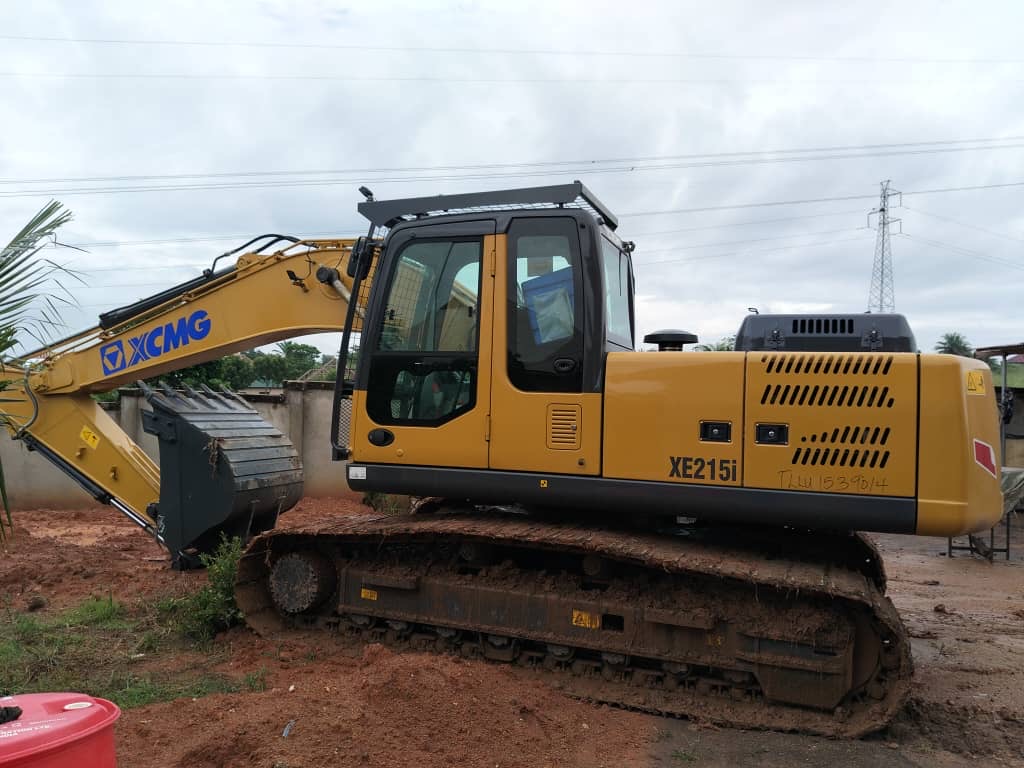
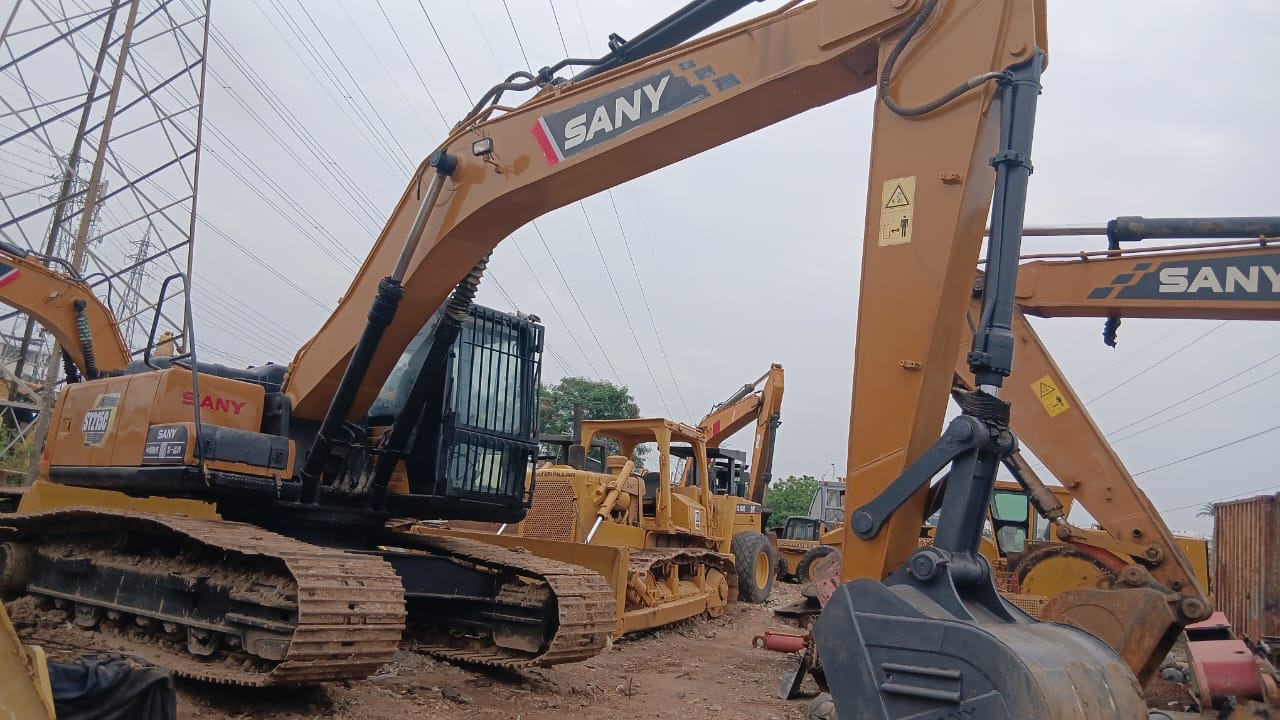
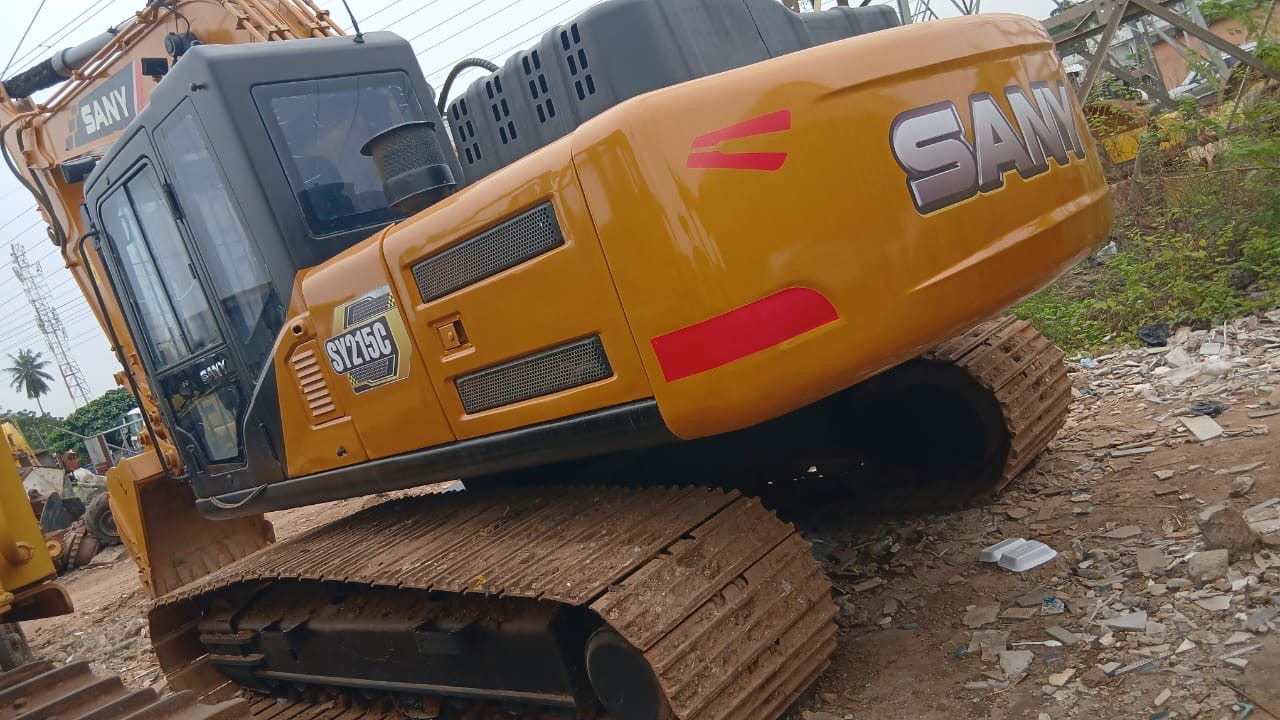
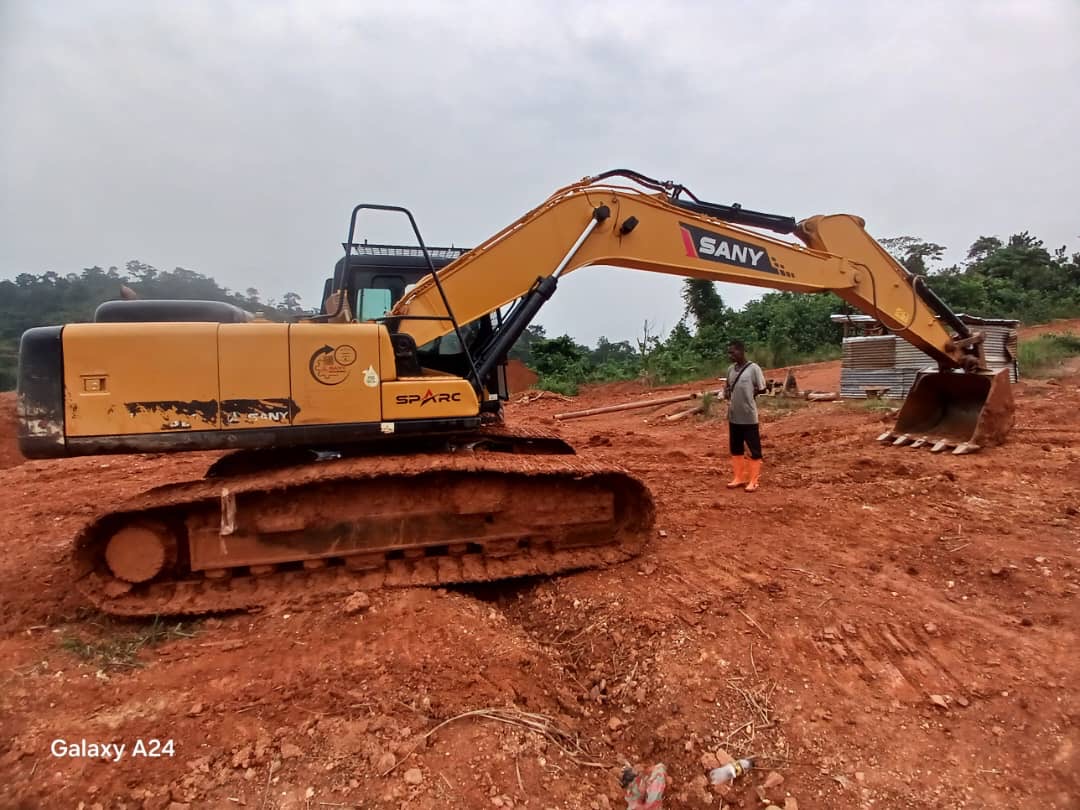
New equipment – Bought by large mining companies, international contractors, and government projects tied to concessional loans. Caterpillar, Komatsu, Volvo CE are established, but SANY, XCMG, LiuGong, Zoomlion are rapidly expanding with competitive pricing and vendor financing.
“Grey market” re-imports – Some machines end up in West Africa after being auctioned in the Middle East or Europe, often with unclear service histories.
- Distribution & Sales Channels Authorized dealers – Caterpillar is represented by Mantrac (Nigeria, Ghana, Sierra Leone, Liberia) and BIA Group (Côte d’Ivoire, Senegal, Guinea, etc.). Komatsu has local distributors. Many European brands (JCB, Liebherr) also have regional partners.
Independent importers/traders – A huge, informal network that sources used machines from auctions (Ritchie Bros., Euro Auctions) and sells on open lots or via WhatsApp/Facebook groups.
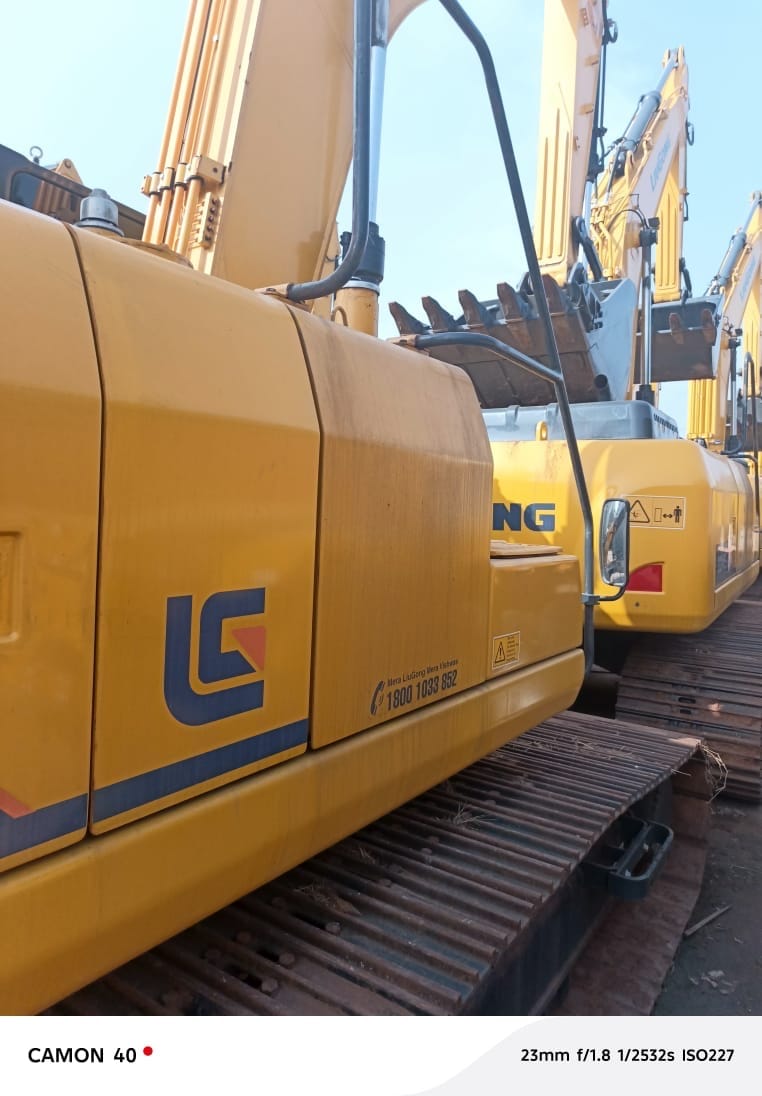
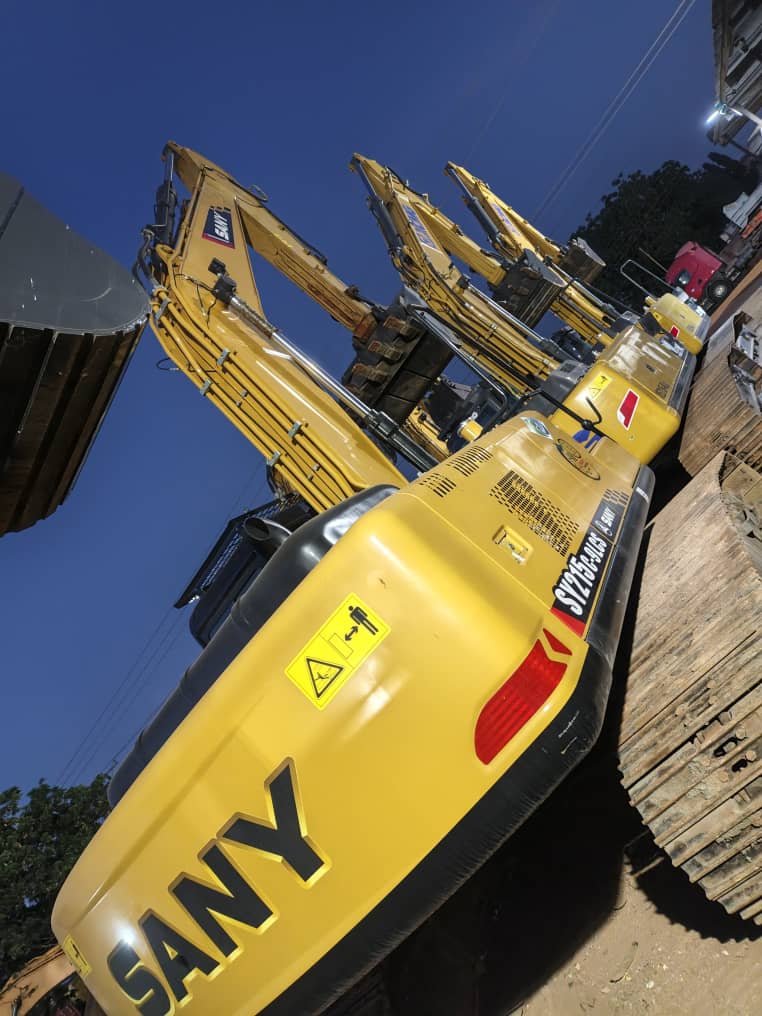
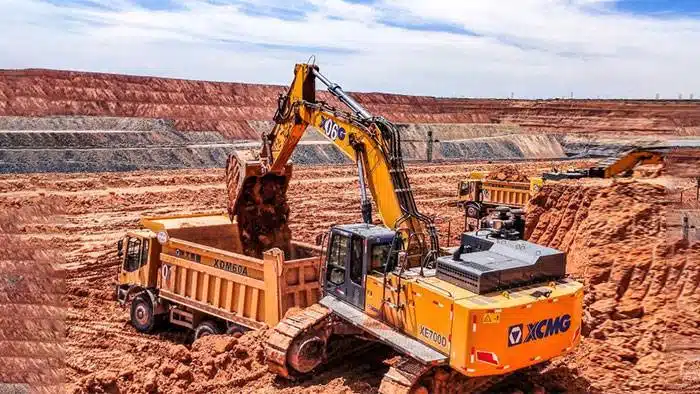
Chinese brand showrooms – Often set up in capital cities with spare parts warehouses and in-house financing.
Online platforms – Jiji (Nigeria), Ghana Machinery Hub, Afrindex, and global aggregators like Machinery Trader are increasingly used for both new and used listings.
- Demand Drivers Infrastructure push – The African Union’s Programme for Infrastructure Development (PIDA) and national plans (Nigeria’s highway projects, Ghana’s “Year of Roads”) are steady demand generators.
Mining boom/bust cycles – Gold prices keep artisanal and industrial mining active in the Sahel; Guinea’s Simandou iron ore project will be a huge equipment consumer.
Agriculture mechanization – Governments subsidize tractors and harvesters (e.g., Nigeria’s Agricultural Mechanization Programme), creating batch demand.
Port and urban development – Port expansions in Abidjan, Tema, Dakar, and Lagos Free Zone all require heavy lifting and earthmoving gear.
- Challenges Forex & currency risk – The Nigerian naira and Ghanaian cedi have seen sharp depreciation, making imported machinery expensive overnight. CFA-franc zone is more stable.
Financing – High interest rates (often >20%) limit local contractor purchasing power. Lease-to-own and supplier credit are rare but growing.
Logistics & port delays – Customs clearance can take weeks; demurrage charges pile up quickly, inflating final costs.
After-sales & parts – Skilled technicians are scarce. Chinese machines sometimes suffer from parts availability, though leading brands now stock major depots in Nigeria and Ghana.
Security/Political risk – Insurgencies in the Sahel (Mali, Burkina Faso, Niger) and sporadic unrest disrupt projects and make equipment recovery risky.
- Trends & Opportunities Local assembly – Nigeria’s Innoson and partners assemble tractors and trucks. Ghana and Côte d’Ivoire are looking at knockdown kits for construction machinery to reduce costs and create jobs.
Rental market growth – Large projects increasingly use rental fleets from companies like Eazi Access (Ghana) or local hire firms, offering short-term equipment without huge CAPEX.
Telematics & fleet management – Mining operators are adopting GPS tracking and remote monitoring to improve utilization and prevent theft.
AfCFTA impact – The African Continental Free Trade Area should ease cross-border movement of machinery and create integrated logistics networks, spurring equipment demand in corridors like Lagos–Abidjan.
Chinese concessional loans – Many equipment packages are tied to Chinese-funded infrastructure deals (e.g., EXIM Bank loans), bundling construction gear with project execution.
- Price References (Indicative, 2026) Used 20-ton excavator (2015–2018, e.g., Cat 320D/Komatsu PC200) – $50,000–$80,000 delivered Lagos/Accra
New Chinese 5-ton wheel loader – $35,000–$50,000 (ex-works + shipping)
Used bulldozer D6 size – $60,000–$100,000 depending on hours
Agricultural tractor (75 HP, new, with implements) – $18,000–$25,000 (government-subsidized packages)
Actual prices vary wildly with condition, import duties (which can be 5–20% plus VAT), and exchange rates.
Bottom Line West Africa’s heavy equipment market is a volume game dominated by used machinery and price competition. For sellers, success requires a local partner who can handle logistics, forex, and after-sales service. New entrants from China and India are reshaping the landscape, while traditional OEMs focus on high-end mining and large government contracts. If you’re looking to buy or sell, Nigeria and Ghana are the natural entry points, but don’t overlook the stable CFA-zone Francophone markets where projects are bankable and currency risk is lower.