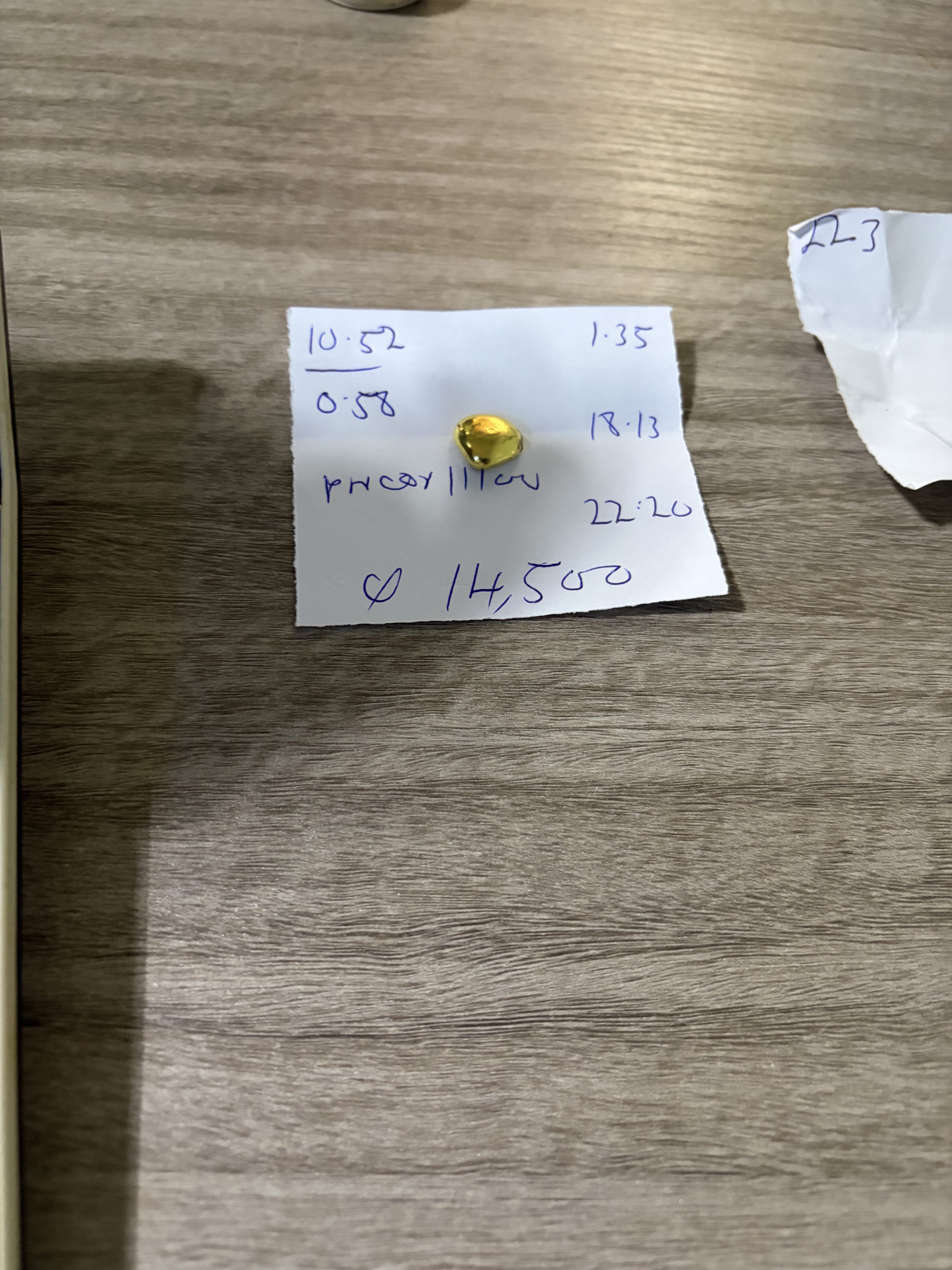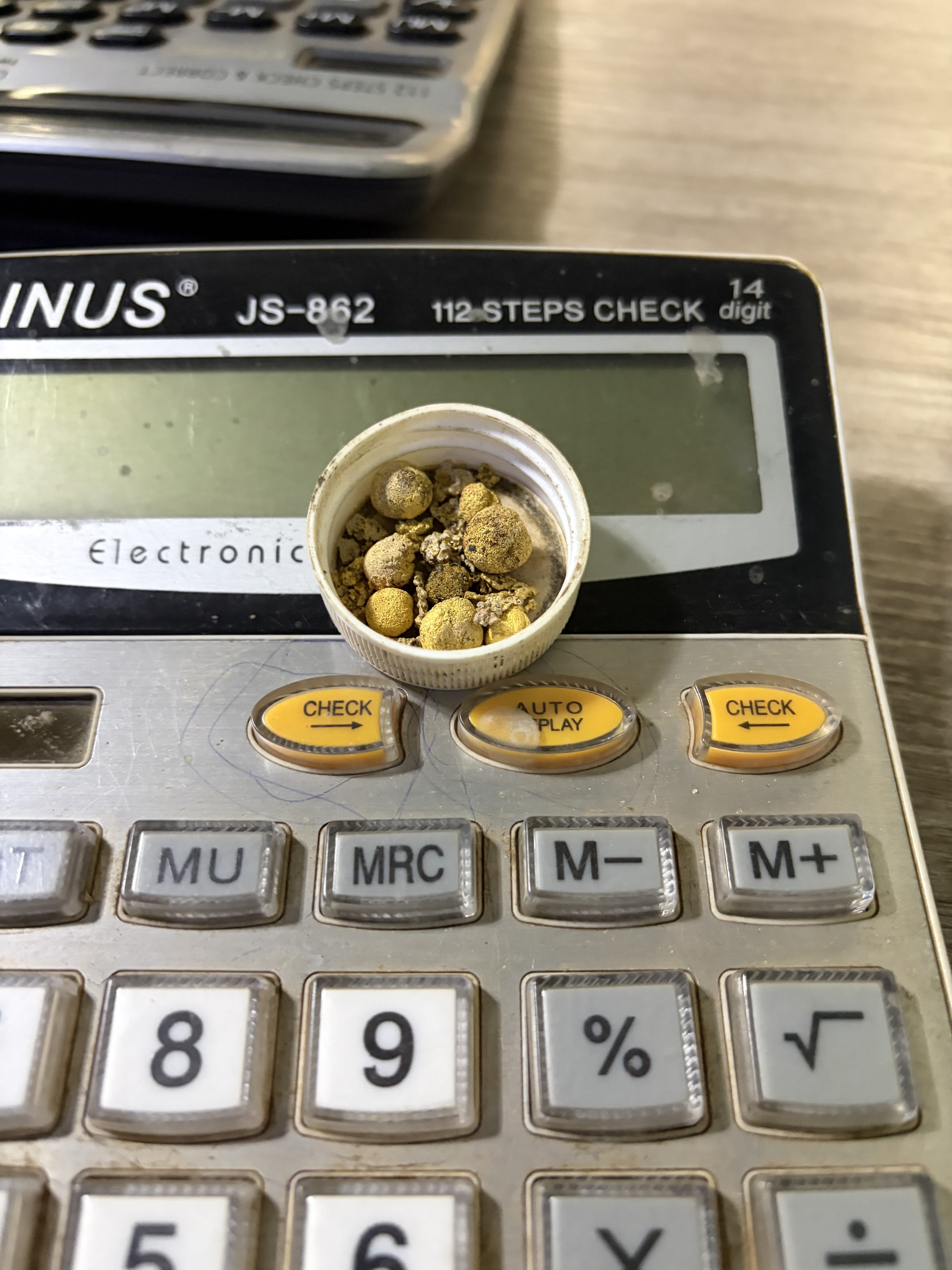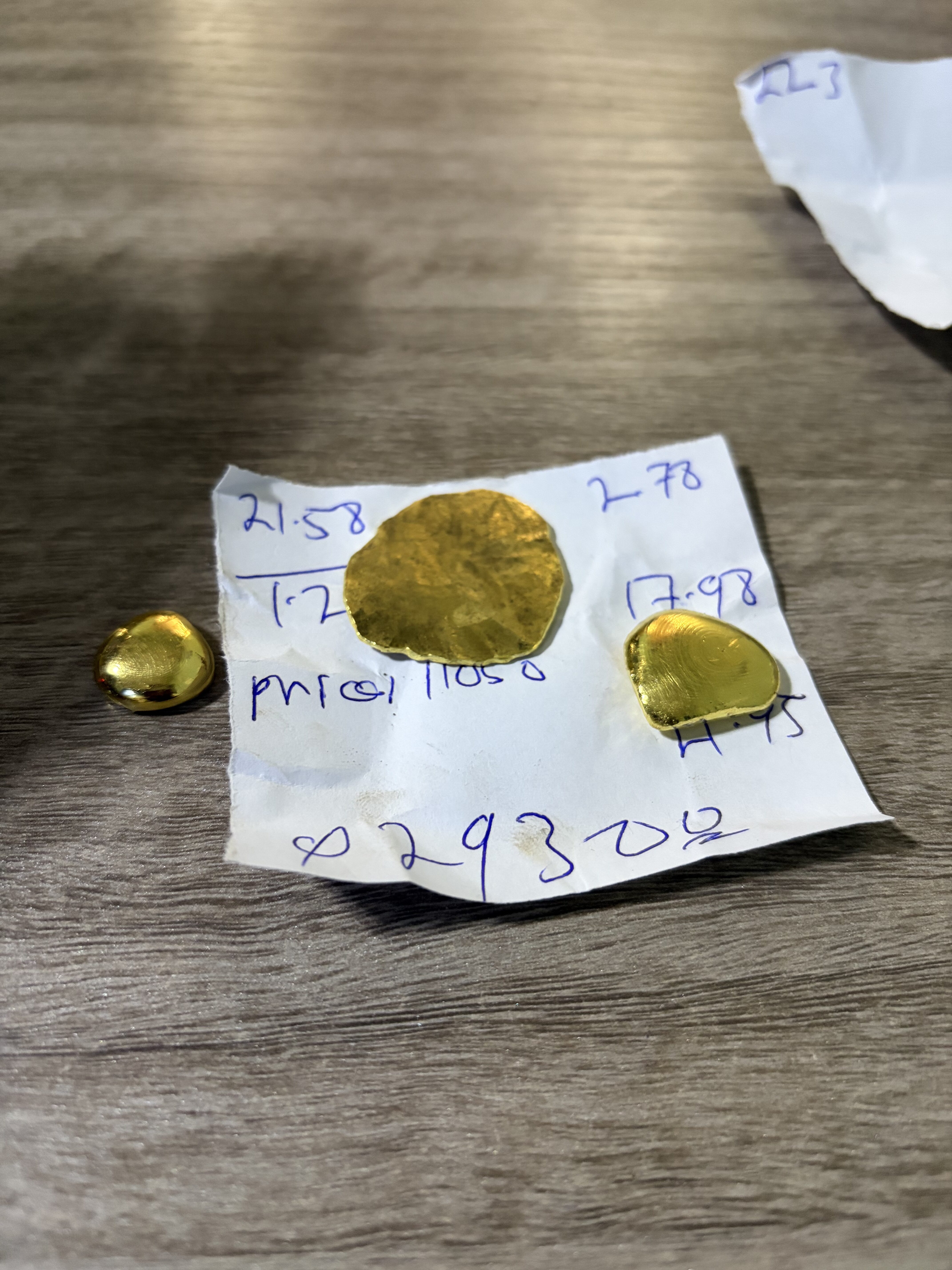

Gold rose to a more than two-month high on Wednesday, August 12, as U.S. inflation data came in largely in line with expectations, putting less pressure on the Federal Reserve to raise rates in September.
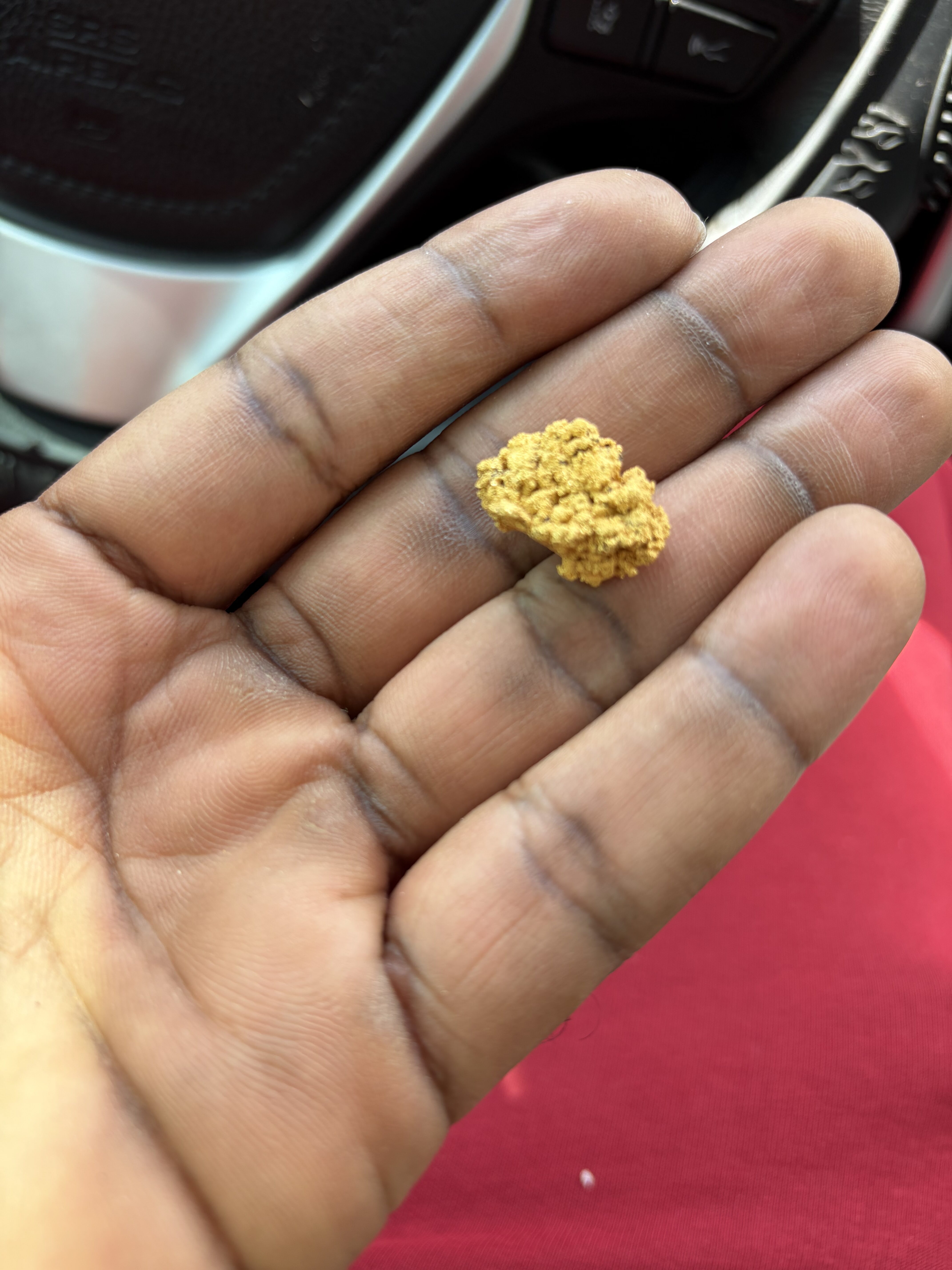

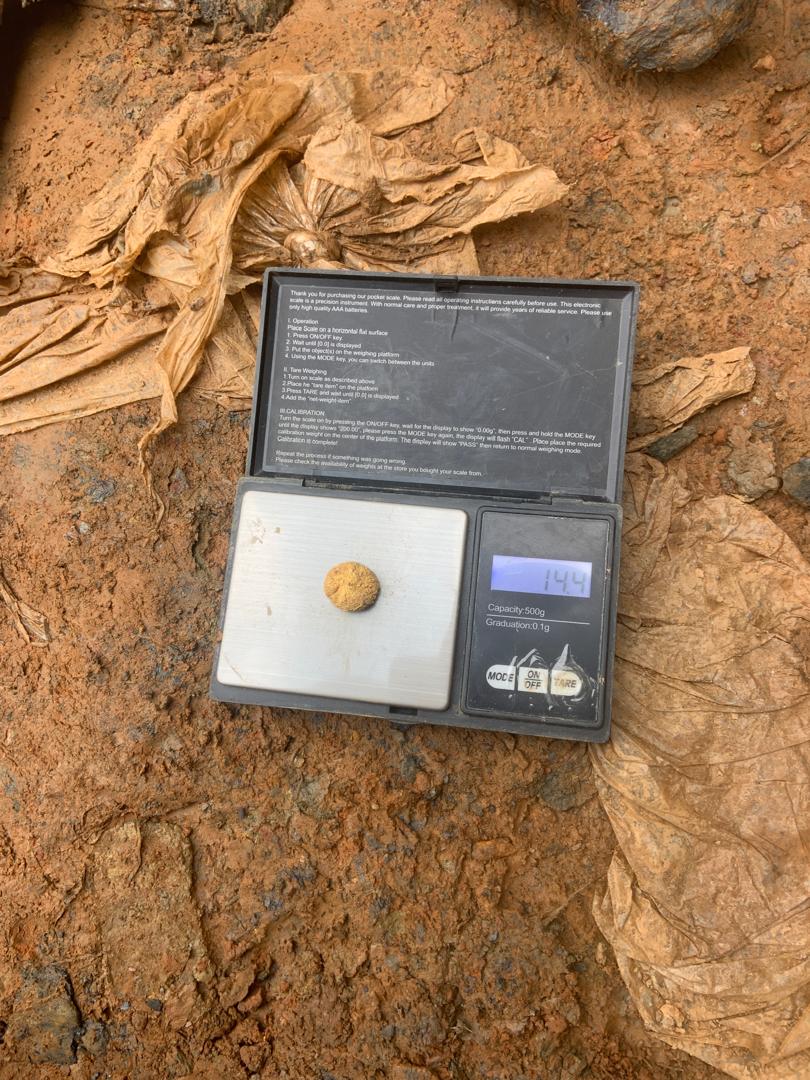

What fueled the rally? Spot gold increased by 0.9% to $4,406.64/oz, after briefly rising above $4,430 and reaching its highest level since June 5. US gold futures finished 0.6% higher at $4,467.50 per ounce. The July CPI in the United States climbed 0.1% month on month, matching predictions, after falling 0.4% in June. The data lowered expectations for a September Fed rate rise. Lower projected rates tend to strengthen gold by lowering the opportunity cost of owning a non-yielding asset. A weaker US dollar and strong technical momentum also helped gold rise above its 100-day moving average of $4,387. Why does this matter for gold?
The essential signal is not only that inflation has fallen. Inflation remained elevated, but did not surprise investors on the upside. This offers the Fed less urgent justification to tighten policy.
As a result, the market is moving toward a potentially more favorable combination for bullion:
Lower inflation expectations lead to lower rates, a weaker dollar, and increased demand for gold.
Gold’s move above $4,400/oz is very noteworthy from a technical standpoint. If prices can sustain their breakout, attention may go to past highs and, finally, the $4,500 mark. However, Thursday trade saw some profit-taking, with gold sliding marginally after reaching a two-month high.
Bottom line: The CPI report reduced the immediate prospect of another Fed raise, giving gold bulls opportunity to climb higher. The next significant catalysts are US labor-market statistics, Treasury rates, the dollar, and Fed commentary, all of which will determine whether this is a sustained breakout or just another short-term surge.