
A mining equipment database might mean a variety of things based on your function, such as maintenance, procurement, operations, research, or software development. The following is a systematic description of what such a database normally contains, the various types that exist, and how you can access or create one.
- Types of Mining Equipment Databases Type PurposeTypical Users Manufacturer Parts Catalog provides OEM part numbers, exploded schematics, specifications, and supersessions.Maintenance planners and procurement Fleet/Asset ManagementReal-time location, hours, fuel, status, and work orders.Mine operations and dispatch. Maintenance and reliabilityWork order history, failure codes, MTBF, and prices.Reliability engineers and planners Database includes model specifications, pricing, production data, and ownership information for investors, analysts, and equipment dealers. Safety and compliance measures include inspection records, incident reports, regulatory checks, and the presence of HSE officers. IIoT/ Sensor DatabaseTelemetry: vibration, temperature, pressure, payload.Data Scientists, Condition Monitoring
- Key Data Fields. You’ll find A well-structured mining equipment record often includes:
General Information
Equipment ID/Serial Number/VIN
Make, model, and year of manufacture
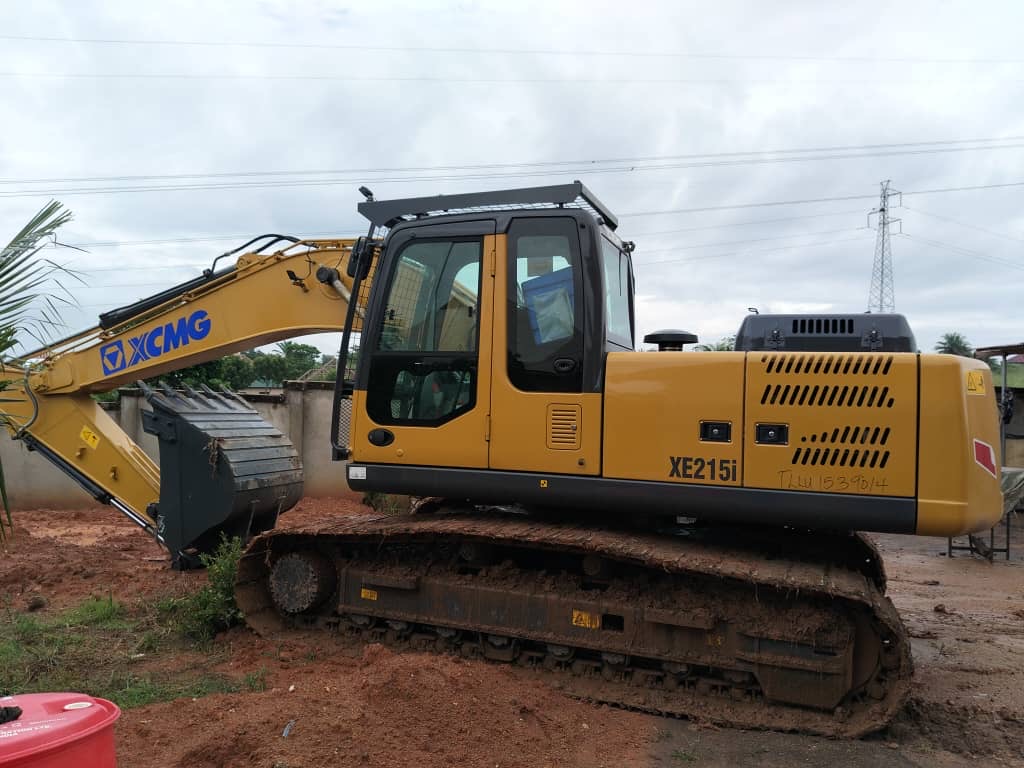
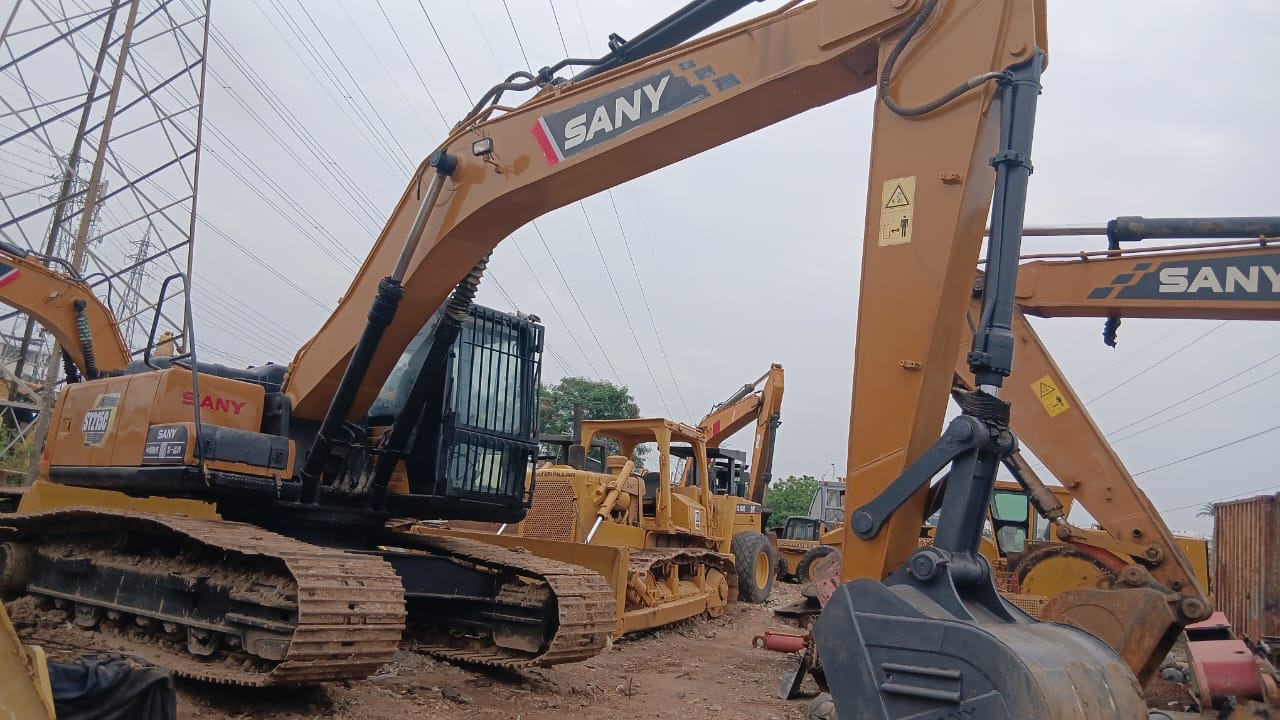
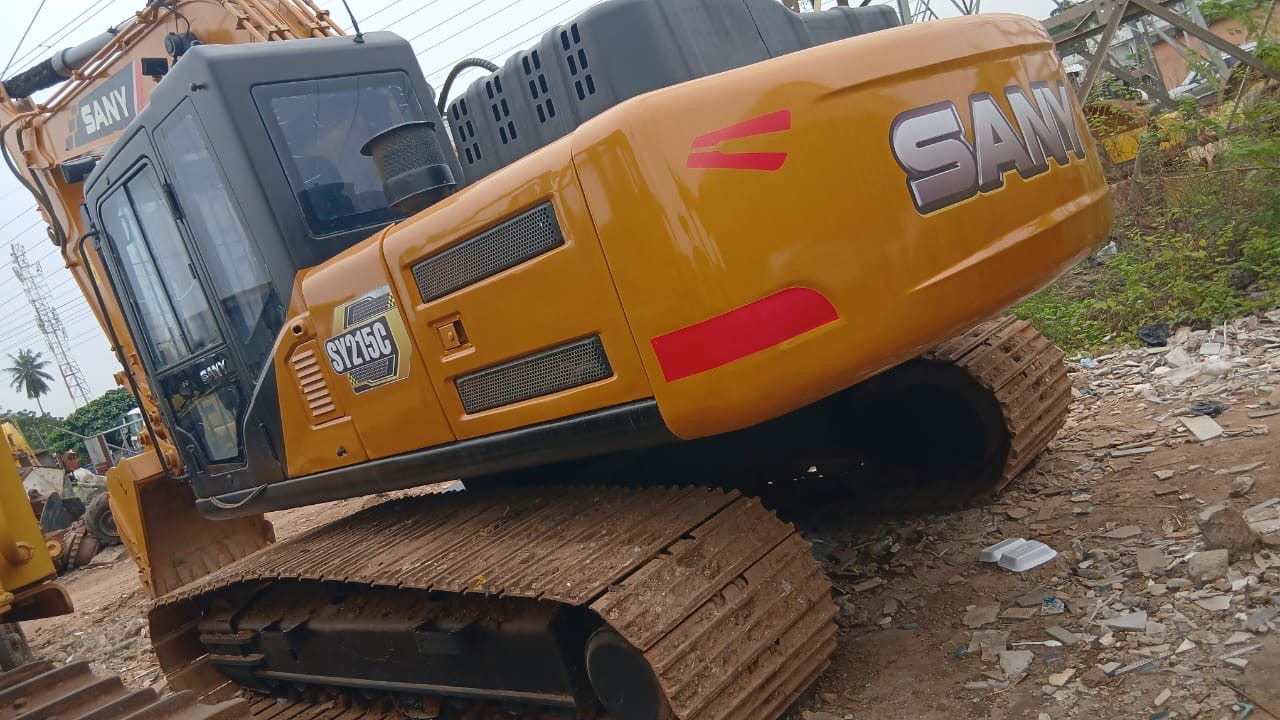
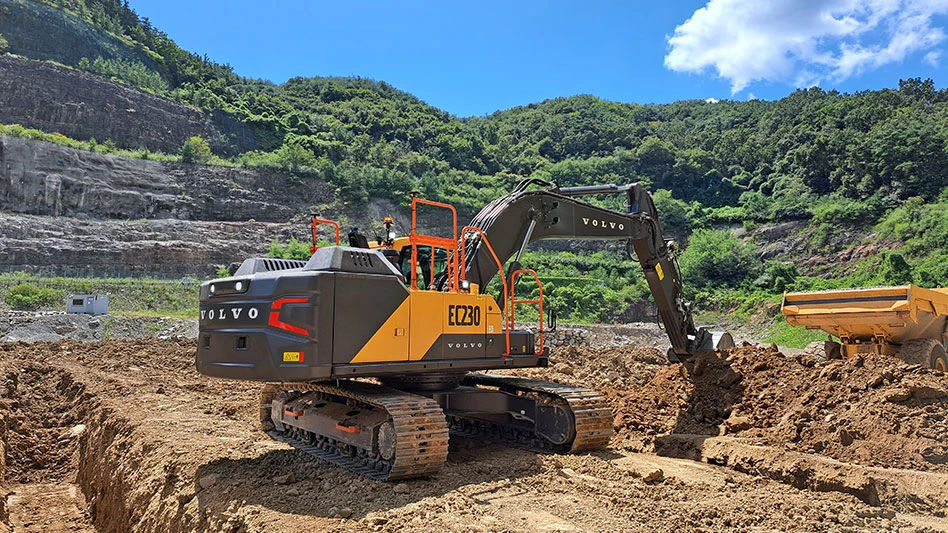
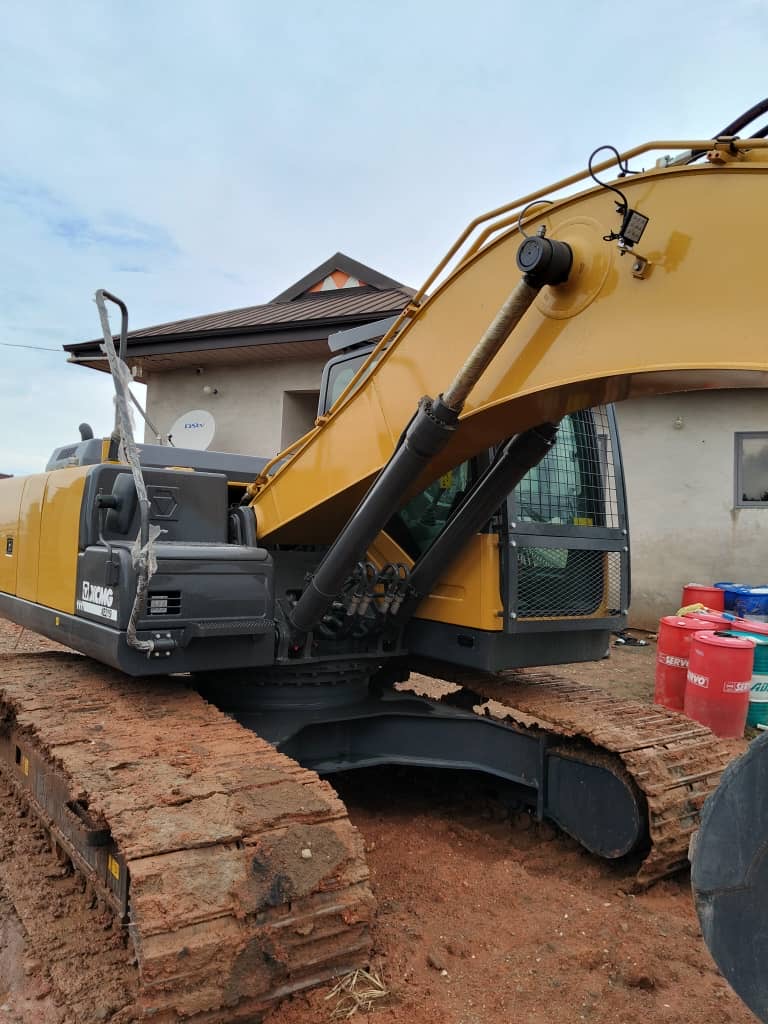
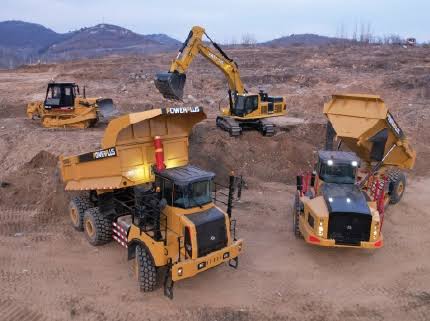
Asset types include haul trucks, excavators, loaders, drills, and dozers.
Deployment site, mine, or department
Technical Specifications
Engine model and power rating.
Payload capacity and bucket size
Operating weight and dimensions
Emission Tier Level
Ownership and Financial
Purchase date, cost, and lease/ownership status.
Depreciation schedules and book values
Insurance details
Fleet management systems provide operational data.
hours ran (SMU / odometer)
Fuel consumption and cycle counts
Location (GPS)
Payload tons per cycle.
Maintenance History
Work order number, date, and description.
Replaced components and part numbers
Labour hours and costs
Downtime Duration
Failure codes (for example, ISO 14224-aligned)
Condition Monitoring
Oil analysis findings and wear metals
Vibration signatures
infrared thermography images
Non-destructive test findings (ultrasound, magnetic particle)
- Examples of Actual Databases and Systems. OEM Parts Catalogs
Caterpillar SIS (Service Information System) is web-based and requires subscription.
Komatsu PartsBook – Online Parts Lookup.
Hitachi, Liebherr, and Sandvik all have their own computerized parts catalogs.
Commercial Market Databases (Specifications and Market Analysis)
The Parker Bay Company’s mobile mining equipment database (population, production, and specifications). Manufacturers and analysts frequently use this term.
The GlobalData Mining Intelligence Center includes equipment fleet data.
Asset databases, such as S&P Global and RPMGlobal, are frequently used in life-of-mine cost models.
Fleet Management Software (operational Databases)
Wenco (Hitachi), MineStar (Caterpillar), Modular Dispatch, and Hexagon all store current and historical equipment data in centralized SQL databases.
Open/Public Data
US Mine Safety and Health Administration (MSHA) – equipment incident and inventory data (no precise specifications, but can identify equipment kinds per mine).
Government mining registries (such as Australia’s MERLO) occasionally provide equipment lists for big operations.
- How to Create a Simple Equipment Database Yourself If you require a lightweight solution (for example, for a small business or academic project), a relational database such as Microsoft Access or SQLite will suffice. Here is a simple schema to get you started.
Core Tables
Text and equipment. ——— Equipment_id (PK) Serial_number Make Model Type (haul truck, excavator) Site Status (active, standby, sold) Purchase_date Initial_cost
Work_Order ———- wo_id (PK) equipment_id (FK) date_opened date_closed failure_description failure_code component labor_hours parts_cost
Telemetry (Time Series) The following information is provided: reading id (PK), equipment id (FK), timestamp, engine hours, fuel rate, payload, latitude, and longitude. You may then execute searches such as “total downtime by failure code last quarter” or “cost per hour for each truck”.
- Important Considerations Standardize data for mixed fleets by mapping manufacturer-specific failure codes to a common standard, such as ISO 14224, which is widely used in the petroleum, petrochemical, and natural gas industries.
Integration: A modern mining database typically pulls data from many sources (ERP for costs, CMMS for maintenance, Fleet Management for operations) via APIs or ETL processes.
Cloud-based solutions (Azure, AWS) are increasingly used by major operators for scalability and real-time dashboards, replacing on-premise solutions.
Security and redundancy: In remote mine sites, provide offline sync and regular backups.
- Next Steps Industry Supplier: Request a demo of Parker Bay’s Mobile Mining Equipment Database, which includes large surface trucks, excavators, and loaders.
OEM Portal: If your fleet is all the same brand, start with the manufacturer’s web portal for parts and service history.
DIY Learning: Look through public datasets on Kaggle (search “mining equipment”); there are synthetic datasets that can be utilized for predictive maintenance projects.
Consultants such as RPMGlobal, SRK Consulting, and Accenture can assist in implementing enterprise-grade asset databases.
If you have a more particular requirement—such as “I need a list of all haul trucks in the world with payloads over 200 tonnes” or “I want to design a maintenance database for a gold mine”—please let me know so that I can delve deeper into that specific scenario.