
Investing in a wholesale heavy equipment business in Ghana can be extremely successful, but it takes meticulous planning, local understanding, and a long-term mindset. Below is a structured review of the potential, critical success criteria, hurdles, and actionable activities to take.
- Why West Africa? The Market Opportunity
West Africa is one of the world’s most rapidly developing regions for infrastructure, mining, and agriculture. The following factors promote demand for heavy machinery:
Infrastructure development includes massive road, bridge, port, and rail projects (for example, the Lagos-Abidjan corridor, the Dakar-Bamako rail line, and Ghana’s railway renovation).
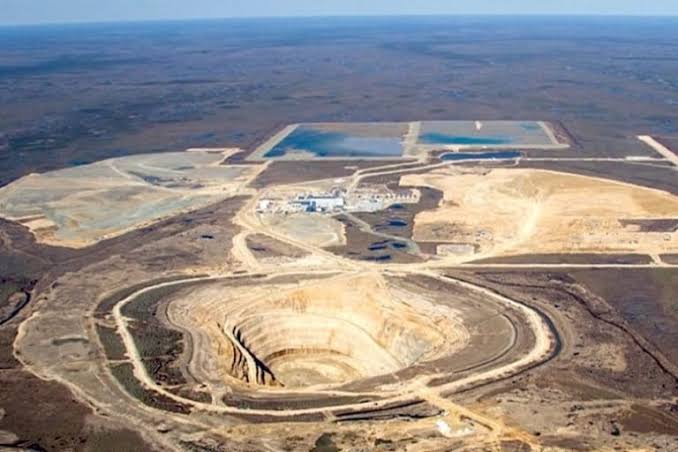
Mining booms include gold (Ghana, Mali, Burkina Faso), bauxite (Guinea), iron ore (Sierra Leone, Guinea, Liberia), lithium, and oil and gas (Nigeria, Senegal).
Agriculture mechanization: Governments and funders advocate for modern farm equipment such as tractors, harvesters, and irrigation systems.
Construction and real estate: Cities like Lagos, Accra, Abidjan, Dakar, and Abuja are seeing rapid urbanization.
Used equipment demand: Price-sensitive markets frequently prefer reconditioned or low-hour used machines to expensive new ones.
- Equipment in Highest Demand
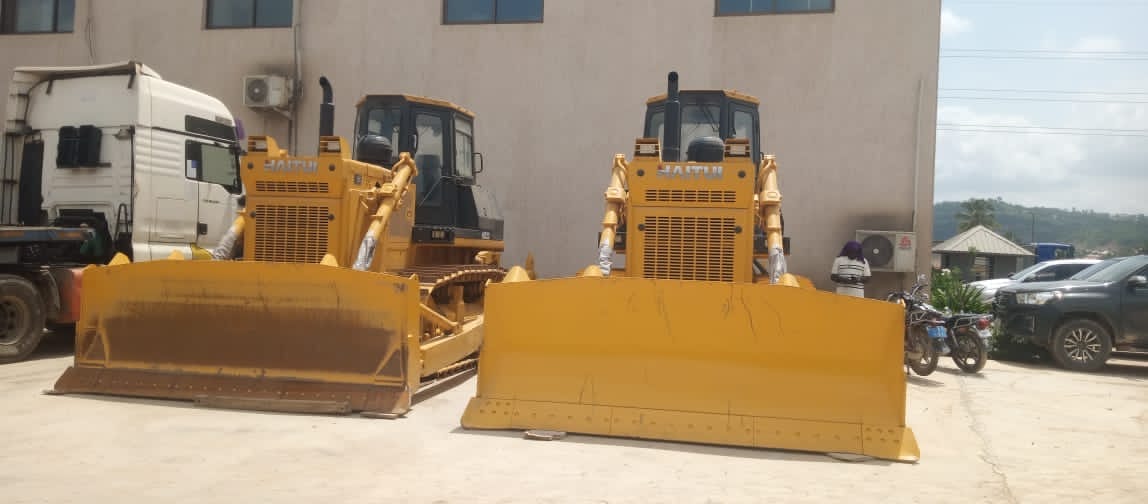
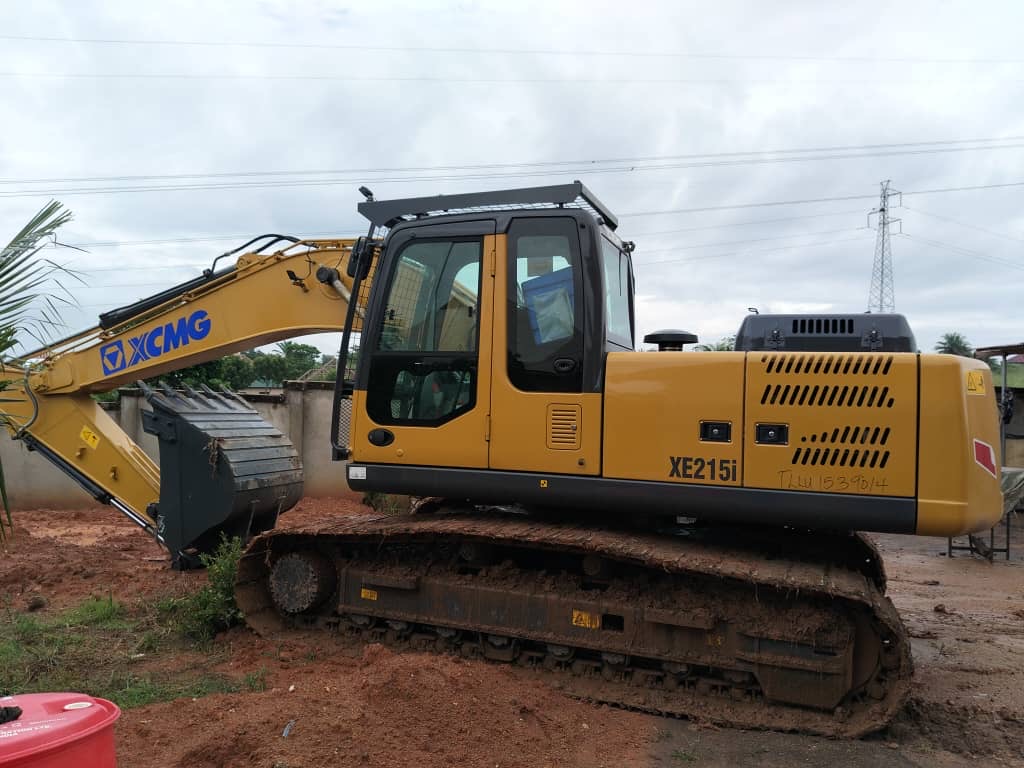
Earthmoving equipment includes excavators, bulldozers, motor graders, wheel loaders, and backhoe loaders.
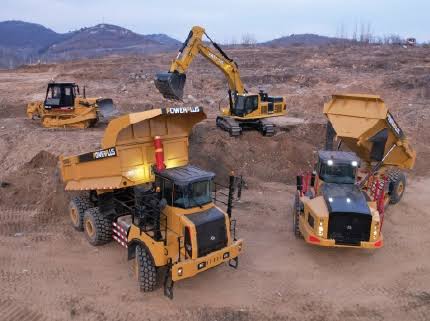
Mining equipment includes large dump trucks, drilling rigs, crushers, and conveyor systems.
Construction equipment includes concrete mixers, mobile cranes, tower cranes, forklifts, and compactors.
Agriculture: Tractors (50-150 horsepower), combine harvesters, planters, and tillage equipment.
Material handling: Telehandlers and rough-terrain forklifts
Power generation: Diesel generators (essential due to grid instability).
New vs. Used split: There is a substantial market for quality used equipment (3-8 years old) from Japan, Europe, and the United States, which is frequently favored due to lower prices and easier maintenance. New machinery are primarily sold to large contractors, governments, and mines through financing.
- Competitive Landscape
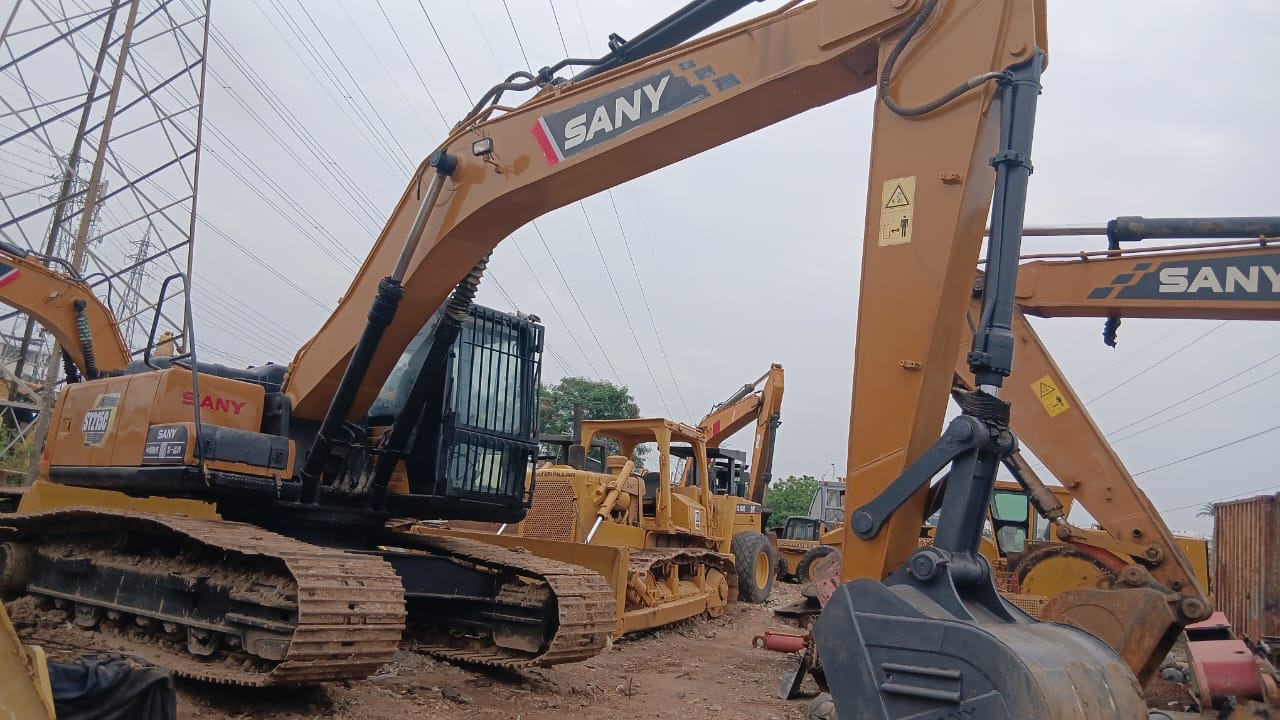
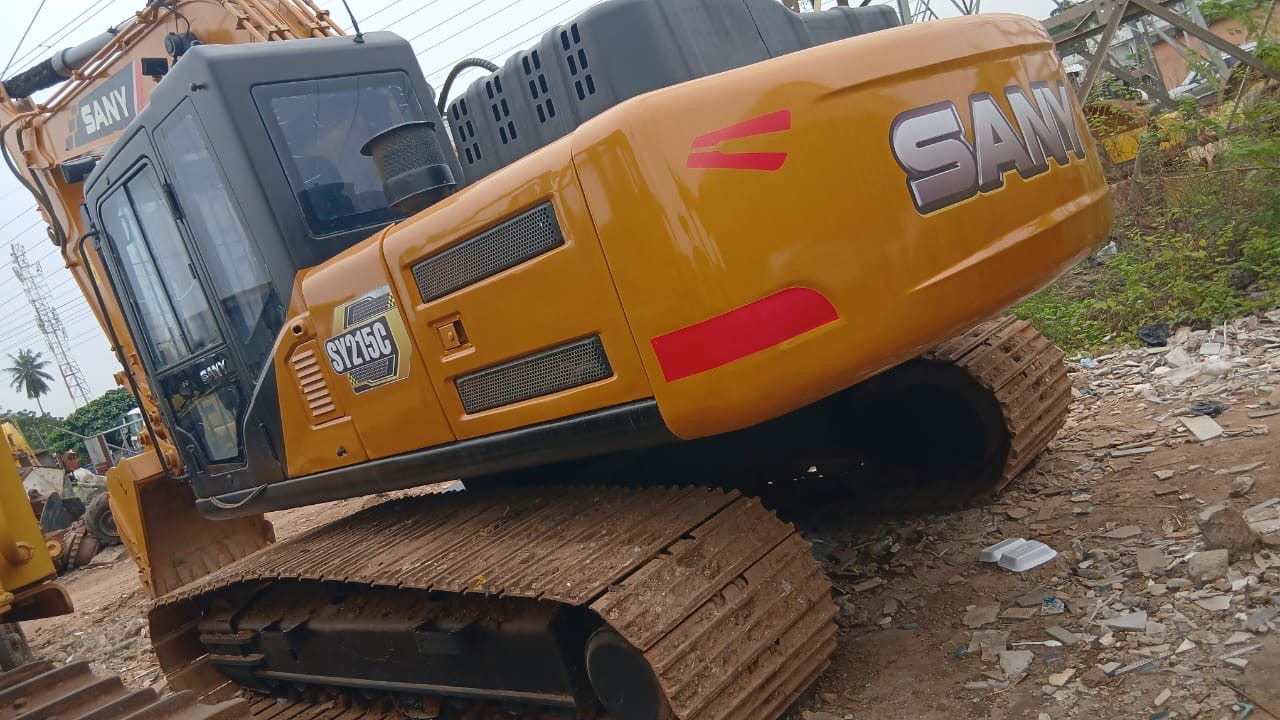
Authorized global OEM dealers include Caterpillar (Mantrac, JA Delmas), Komatsu (BIA Group), Volvo CE, Hitachi, Doosan, SANY, XCMG, and LiuGong. They dominate large-scale projects, but their primary concentration is on new sales with aftermarket support.
Independent wholesalers/importers: These companies purchase used machinery in bulk from auctions in Japan, Europe, or the United States, restore it locally, and sell it at a competitive price. The margins can be considerable.
Chinese manufacturers are gaining ground quickly with low-cost new machines (SANY, XCMG, SDLG, LiuGong). They sometimes provide vendor financing.
Rental companies: A rising segment—many contractors choose to rent, resulting in a downstream channel for wholesalers.
Your wholesale niche could be:
Import excellent old equipment in bulk and resell it to smaller dealers, rental firms, or contractors directly.
Exclusive distribution of a lesser-known but dependable brand (such as a mid-tier Chinese, Indian, or Turkish manufacturer).
Specializing in a specific vertical (mining or agriculture) or machine type.
- Entry Strategies.
A. Pure Wholesale (Import & Distribution)
Purchase containers/roll-on-roll-off shipments of old equipment from reputable sources.
Open a yard near a port (Lagos, Tema, Abidjan, Dakar, or Lome) and sell wholesale to local dealers and end customers.
Minimal after-sales care; emphasis on volume and quick turnover.
B. Value-Added Wholesale (Refurbishment, Warranty)
Import, refurbish locally (cleaning, painting, repairs), test, and provide short warranties.
This results in 15-25% higher prices than raw “as-is” imports.
Workshop facilities, mechanics, and a stockpile of replacement parts are required.

C. Dealership of a New Brand
Secure exclusive distribution rights for a brand that is not well-represented in West Africa.
Must invest extensively in spare parts, service training, and marketing—greater initial costs but higher long-term margins and brand value.
D. Work with local entrepreneurs.
Joint venture with a West African businessman who has political connections, land, and access to the local market. You contribute funding, foreign sourcing, and technological expertise.
- Financial considerations.
Startup cost estimate (indicative; varies per country):
Small-scale used equipment wholesaler: $200,000 to $500,000 (inventory, shipment, yard setup, licensing).
Mid-size with workshop and showroom: $1 million to $3 million.
Exclusive dealership: $3 million to $10 million+ (parts inventory, training, demo fleet, branding).
Margins:
Used equipment wholesale has a gross margin of 15-30% per unit after reconditioning.
In a new equipment dealership, machine sales account for 8-18% of revenue, while parts and servicing account for approximately 25-40%.
Strong aftermarket revenue stream: parts and service typically account for 40-60% of total profit.
Finance and Payment Risks:
Many local buyers have limited access to credit. Offering trade credit or installment plans can increase sales, but it requires careful credit management.
Letters of credit for imports are frequent; see trade finance or working capital facilities.
Currency fluctuation (Naira, Cedi, and CFA franc) poses a significant risk. Transactions in dollars are frequently required, as is hedging.
- Logistics & Supply Chain
Sourcing hubs include Japan (Yahoo! Japan auctions, USS auctions), Europe (Ritchie Bros., Mascus, Autoline), and the United States (IronPlanet, MachineryTrader). Shipping times range from 4 to 8 weeks.
Ports include Lagos (Apapa), Tema (Ghana), Lome (Togo), Abidjan, and Dakar. Lome is fast becoming a transshipment center.
Customs and Duties: Duties vary between 5-20%, depending on the ECOWAS Common External Tariff classification and country-specific levies. Some countries provide tariff exemptions for mining and agricultural equipment. Use a reputable customs broker.
Inland transportation: Road conditions might be bad, and heavy hauling necessitates specialized trailers. Consider transit expenses to landlocked countries (Burkina Faso, Mali, Niger).
- Regulatory and Legal Environment
Business registration is done by local investment promotion agencies (NIPC Nigeria, GIPC Ghana, CEPICI Côte d’Ivoire, and APIX Senegal).
Machinery generally qualifies for reduced duties under the ECOWAS Trade Liberalization Scheme if it is produced inside the region.
Import restrictions: Some nations prohibit the importation of used equipment that is more than a specific age (for example, Nigeria imposes age restrictions on used vehicles, which also apply to construction machinery—generally “no older than 15 years” or equivalent). Verify the age limitations.
Local content laws: In mining and oil and gas, local content requirements may mandate a local partner or a certain percentage of local ownership, limiting your market access.
- Key Challenges and Risk Mitigation
Challenge Mitigation
To deal with currency devaluation, consider pricing in USD or hedging, maintaining a high stock turnover, and negotiating terms with suppliers.
Corruption and bureaucracyPartner with a respected local firm; engage skilled clearing agents; and rigorously adhere to regulations.
To address infrastructure deficits, locate the yard near a decent road and port, and consider investing in power and water if necessary.
Skilled labor scarcity.Train mechanics locally, starting with experienced expatriate trainers.
After-sales support expectationsEven a wholesaler must offer technical support and spare parts. Begin small.
To mitigate political instability, diversify among 2-3 nations, avoid high-risk zones, and consider purchasing political risk insurance.
Competition from global dealers.Concentrate on niche markets, old equipment, or underserved brands; prioritize pricing and availability. - Practical Steps for Launching
Market Research Trip: Visit 2-3 targeted countries (Nigeria, Ghana, Côte d’Ivoire, and Senegal). Meet the contractors, mining businesses, equipment dealers, and trade associations.
Choose a Country and Legal Structure: If you know English, consider starting in Ghana or Nigeria, or in a francophone country (Côte d’Ivoire, Senegal). Register a firm and receive the relevant import licenses.
Secure a Yard and Workshop: Lease or purchase land with easy port access, ideally in an industrial zone.
Build Supplier Relationships: Attend auctions and reach agreements with reputable used equipment exporters in Japan and Europe. Inspect equipment in person or employ inspectors.
Pilot Shipment: Import a small batch (5-10 units) of popular models, such as 20-ton excavators, Cat D6 bulldozers, and tractor-loader-backhoes. Evaluate the market response and logistical chain.
Develop Financing Solutions: Work with a local bank or microfinance organization to provide asset financing to purchasers. Consider the leasing models.
Marketing and Sales: Create a simple website, use Instagram/WhatsApp (which is commonly used for B2B in West Africa), and attend trade shows (such as WAMPEX in Ghana, NIA Expo in Nigeria, and SIM Senegal).
After-Sales Strategy: Even as a wholesaler, establish a network of independent mechanics or collaborate with a service center. Offer a basic warranty to foster trust.
- Long-term Outlook
West Africa’s population is expected to treble by 2050, and urbanization will intensify. The African Continental Free Trade Area (AfCFTA) aims to decrease barriers, potentially transforming the continent into a single larger market. Heavy equipment demand will continue strong, particularly in infrastructure, mining, and agriculture. Those who build a strong brand, provide consistent supply, and offer consumer financing will get a considerable market share.
To summarize, investing in a wholesale heavy equipment business in West Africa requires significant capital but can result in high profits provided risks are mitigated, after-sales service is prioritized, and strong local partnerships are established. Starting with high-quality secondhand equipment in a logistics-friendly country like Ghana or Togo, then progressively expanding into new machine dealerships or leasing, is a tried-and-true strategy.