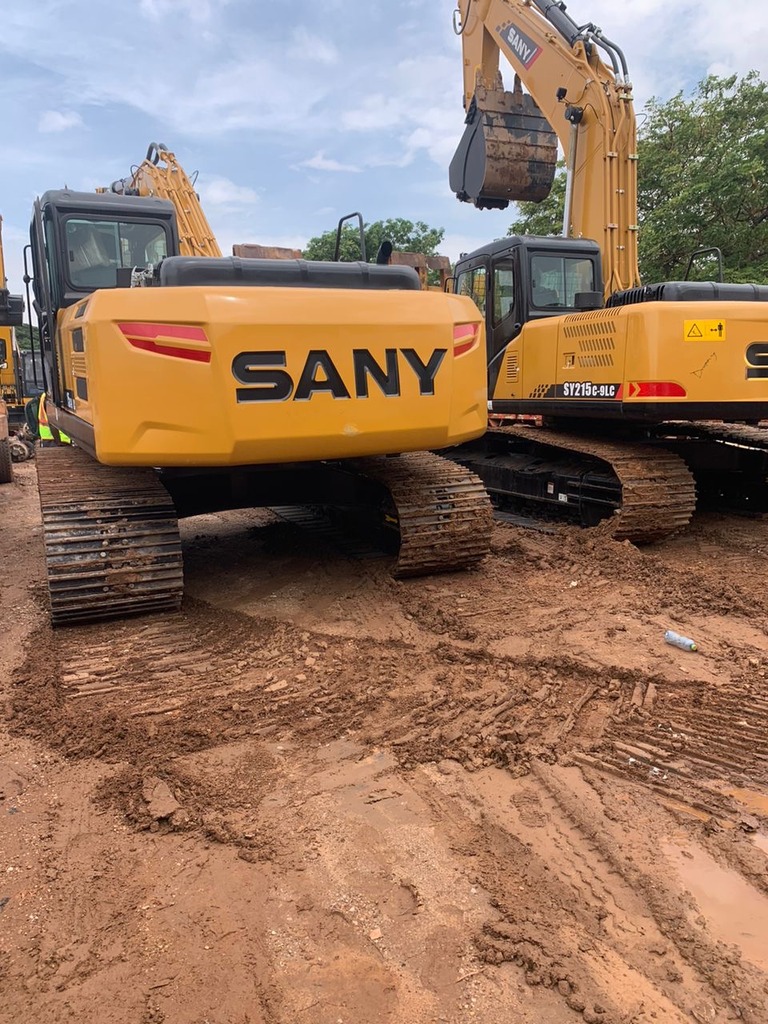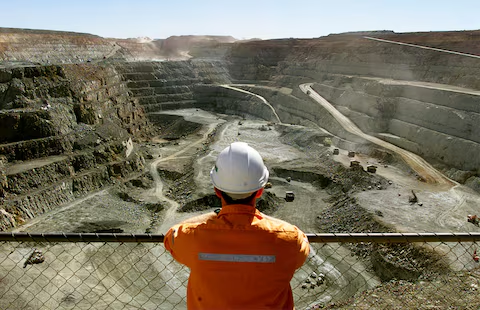

Francophone Africa is becoming a vital component of global supply chains for minerals. Guinea owns 25% of the world’s bauxite, whereas the DRC provides 70% of the world’s cobalt. These resources change geopolitical supply systems and propel the energy transformation. The region’s operational environment is changing as a result of the revival of investor appetite. The host governments are calling for actual local value creation and state involvement, mining rules are being updated, and enforcement is becoming more assertive. Risk and returns are being structurally rebalanced between states and investors.
Financing early and mid-stage enterprises is still challenging. Commercial lenders are still discouraged by long development cycles, hefty capital expenditures, and sovereign risk, and there is very little large-scale local finance. This directly affects sponsors. It is impossible to approach projects solely from an asset-driven or technological perspective. The capacity to structure around these limitations from the beginning, incorporating stakeholder alignment, finance strategy, and regulatory trajectory into the fundamental project design, is now necessary for bankability.
Value will be unlocked by sponsors who can combine clever structuring, rigorous execution, and a thorough grasp of how financing, regulation, and geopolitics interact in this market.
Local collaborations and fostering confidence
Developing trust with African nations is crucial, especially in light of the region’s past with regard to resource extraction and economic distribution. The quality of the local anchor—a partner with a solid track record—determines market access. Formal and informal governance frameworks are made possible by strong relationships.
Examine their actual business operations. Speak with their staff. It’s a sign of good governance if they stick around and talk positively about management. In contrast to extractive aim, real collaborations indicate a sincere commitment to local economic development. Although it takes effort, forming these alliances significantly lowers political tension and permitting delays.
Local government and content as a tactic
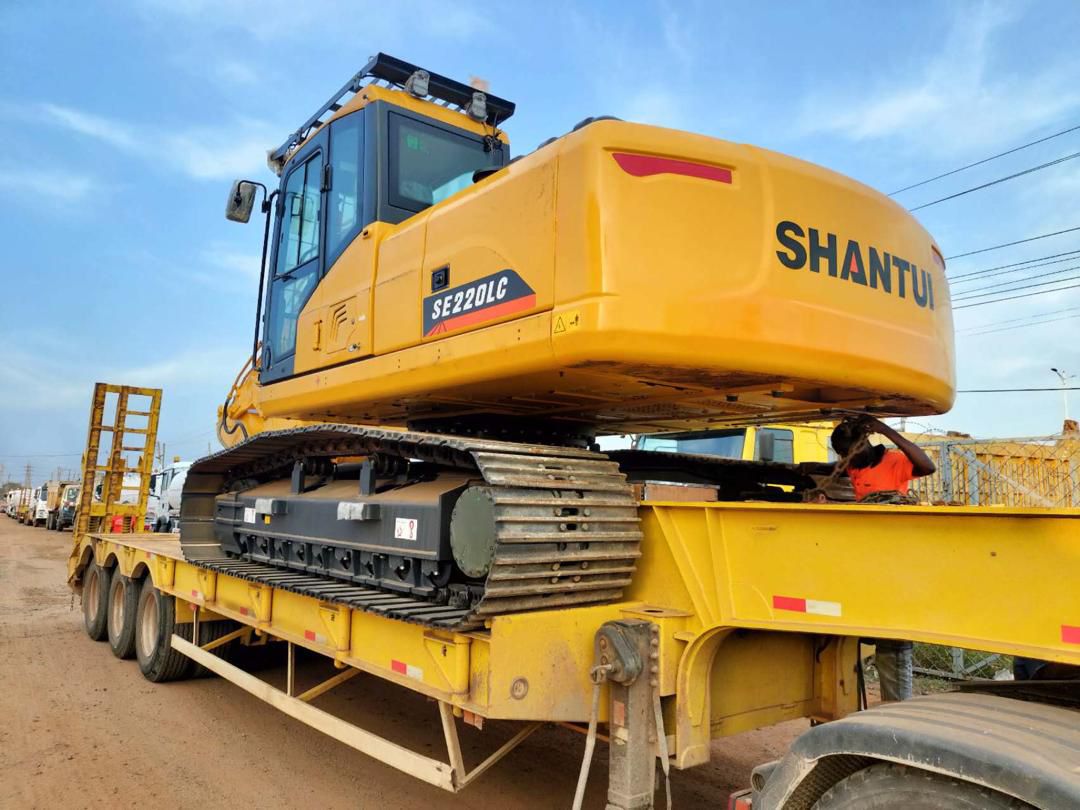
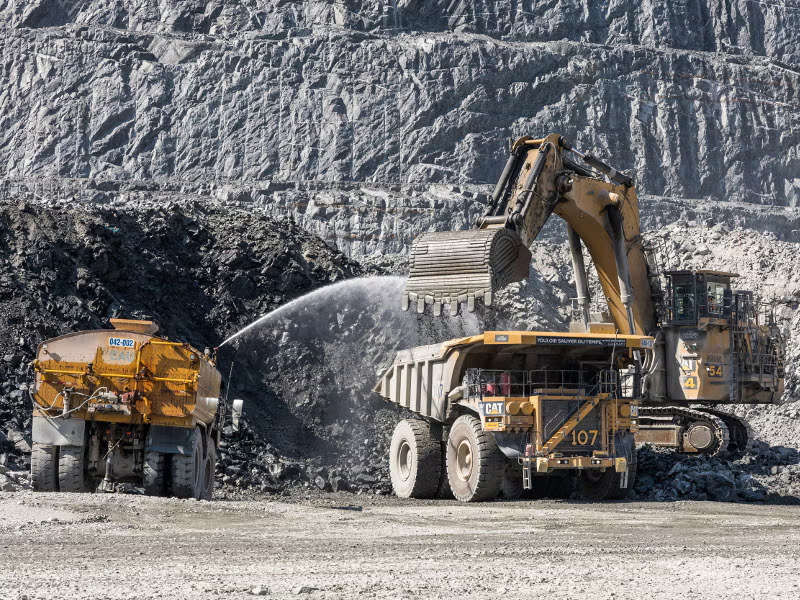
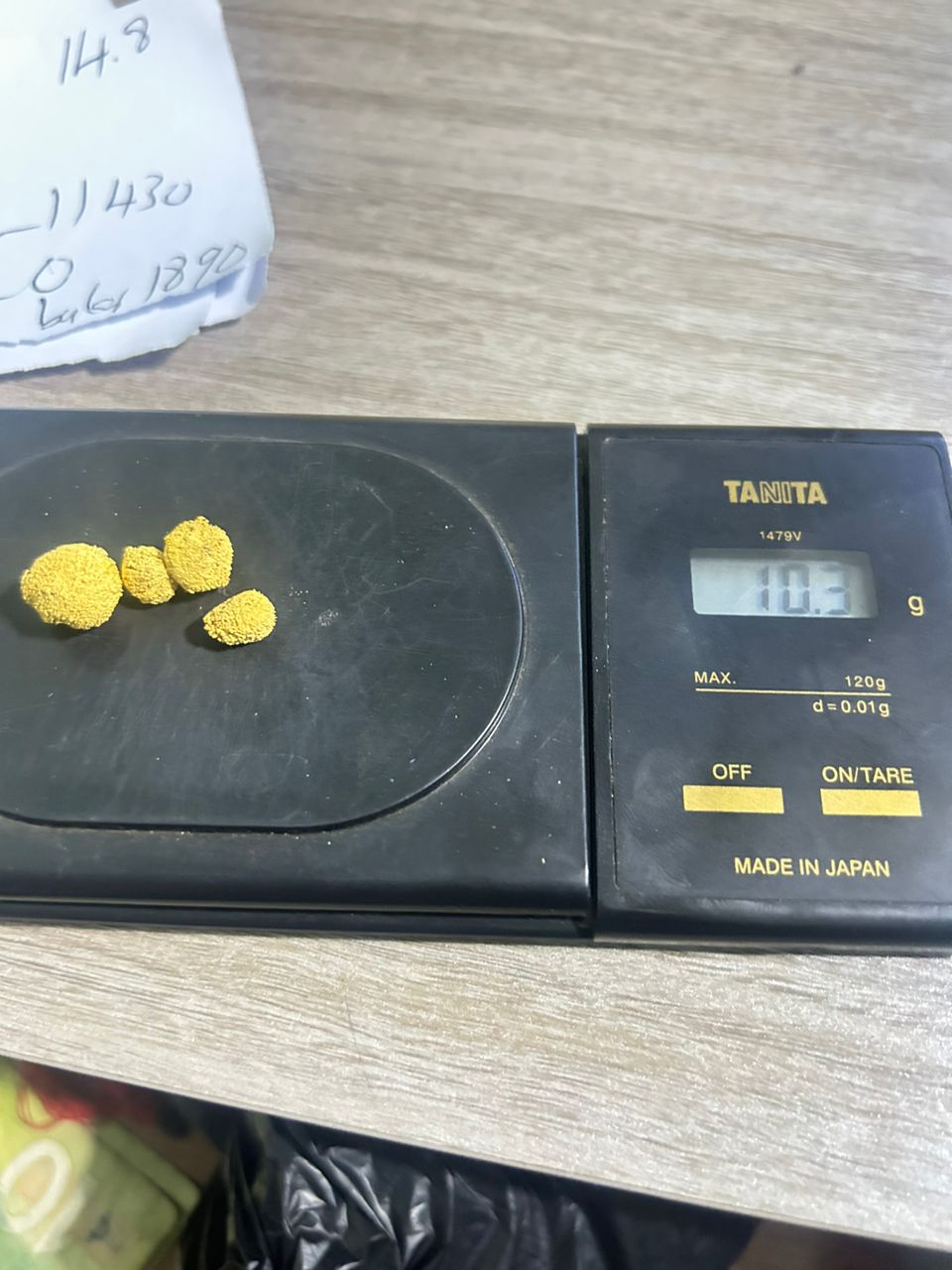
The need for local content is growing, but its execution is still uneven, more due to a lack of ability than malice. These cannot be met by compliance frameworks alone. It necessitates significant investment in local ecosystems, including education, skill development, mentoring, and bolstering the capacity of the private sector. Instead of treating it as an incidental expense, treat it as strategic governance. Local workforce development promises, community benefit agreements, and environmental permits provide authority legitimacy and lessen arbitrary permitting.
Structure of the project and approach to market entry
It is necessary to build scale gradually. Because sponsors believe mega-projects are successful, far too many ventures fail. Large projects lack flexibility, concentrate risk, and require enormous upfront capital. The DRC’s Grand Inga hydropower project serves as an example of both the scope of the opportunity and the difficulty of its implementation. Despite being strategically significant and technically sound, it has frequently experienced delays related to finance, risk allocation, and structuring. Pilot operations and brownfield initiatives provide a more practical starting point. Without the constraint of an excessive capital structure, they allow foreign investors to test hypotheses on the ground, gain insight into the regulatory environment, and cultivate connections with authorities and stakeholders.
This is illustrated by the Kipushi mine in the DRC. It was revived through a limited funding structure with offtake agreements after twenty years of idleness. Phased production proved to be much more manageable than starting green because it was built on known geology and pre-existing infrastructure. After then, performance proved credible and led to expansion under better funding conditions.
Cross-border difficulties and regional integration
In West and Central Africa, cross-border mining corridors continue to encounter structural challenges. Material friction is caused by borders, customs, import taxes, and gaps in government coordination.
Practical interconnection is still in its infancy, despite considerable political backing for regional integration. Niger is a major producer of uranium, while Mali and Burkina Faso are Africa’s third and fourth-largest producers of gold. These export industries rely on dependable transit schedules and cross-border logistics.Regional integration is a functional prerequisite for project bankability in that situation. Cost structure and operational continuity are directly determined by cross-border efficiency for landlocked states.
Reinterpreting political danger
Globally, political risk insurance has become prohibitively expensive or unavailable for resource projects. This does not imply that doing business in Francophone Africa is unfeasible. Governance issues are not unique to Africa, and many of the factors that influence them come from outside the continent.
The question is how investors react, not if there are governance issues. Governance and compliance standards must not be compromised; doing so would be futile in the long run. Moralistic stances are unappealing and seldom effective. Disciplined realism is what works. When sponsors are sincere and consistent in their involvement, credible and complying initiatives progress even in flawed conditions.
In many parts of Africa, especially Francophone Africa, people come first in business, followed by projects. Give yourself time to observe, listen, and comprehend before fostering connections, mutual respect, and trust. Poor decision-making and compliance risk are fostered by excessive hurry. Projects advance when relationships are managed appropriately, with trust serving as the foundation. Investors should not mistake a lack of bankability for poor headline governance measures. As long as political realities are evaluated with clarity rather than platitudes, sound projects—those that are financially feasible, create jobs, generate income, and are backed by robust compliance frameworks—remain investable.
Combining strict adherence with sensible project planning and a thorough comprehension of how trust is established and preserved in each host state is the true differentiator.