
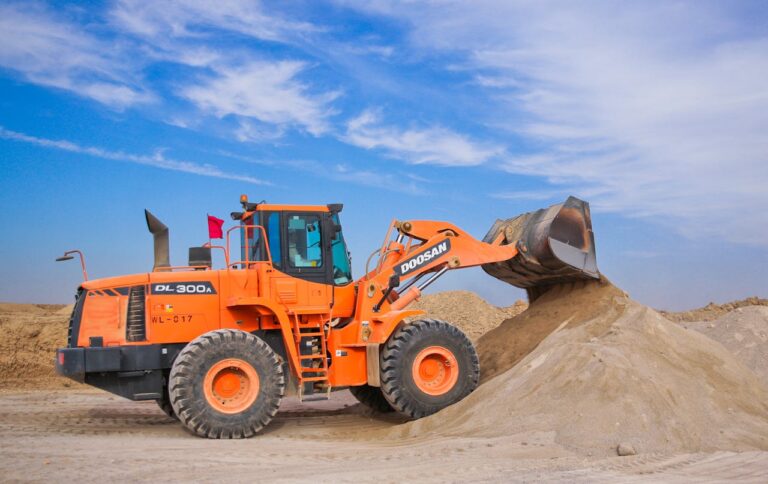
Despite previous economic downturns, the wheel loader market in Africa is a dynamic landscape that is expected to gradually recover and develop modestly due to significant infrastructure projects and robust regional demand.
📊 Executive Summary: Forecasts & Market Trends
2024 saw a sharp decline in the African market, with consumption dropping to between 21,000–30,000 units and a market value of
571𝑀–571M–779M. Over the following ten years, a gradual recovery Africa Wheel Loader Market is anticipated.
Growth Rate: Through 2035, the market is expected to expand at a Compound Annual Growth Rate (CAGR) of +1.8% to +2.0% in volume and +2.9% to +3.2% in value.
Market Value (2035): The market is expected to be worth $1.1 billion (US dollars) by 2035.
Market Volume (2035): The market is anticipated to grow to a volume of roughly 37,000 units by that year.
Historical Context: The prediction is a tale of recovery from recent lows, with the 2024 contraction continuing a downward trend from a peak earlier in the decade.
👑 Prominent Market Participants
Global behemoths and niche regional firms coexist in Africa’s market.
International Giants: With a sizable market share, Caterpillar, Komatsu, Volvo Construction Equipment, Hitachi, and Liebherr are important companies. About 42.79% of the continent’s revenue in 2022 came from the top five businesses.
Important Local and International Experts:
Bell Equipment is a prominent South African local firm that provides heavy-duty equipment that is appropriate for the region.
JCB: A well-known brand in Africa, especially for its adaptable skid steer loaders and backhoes.
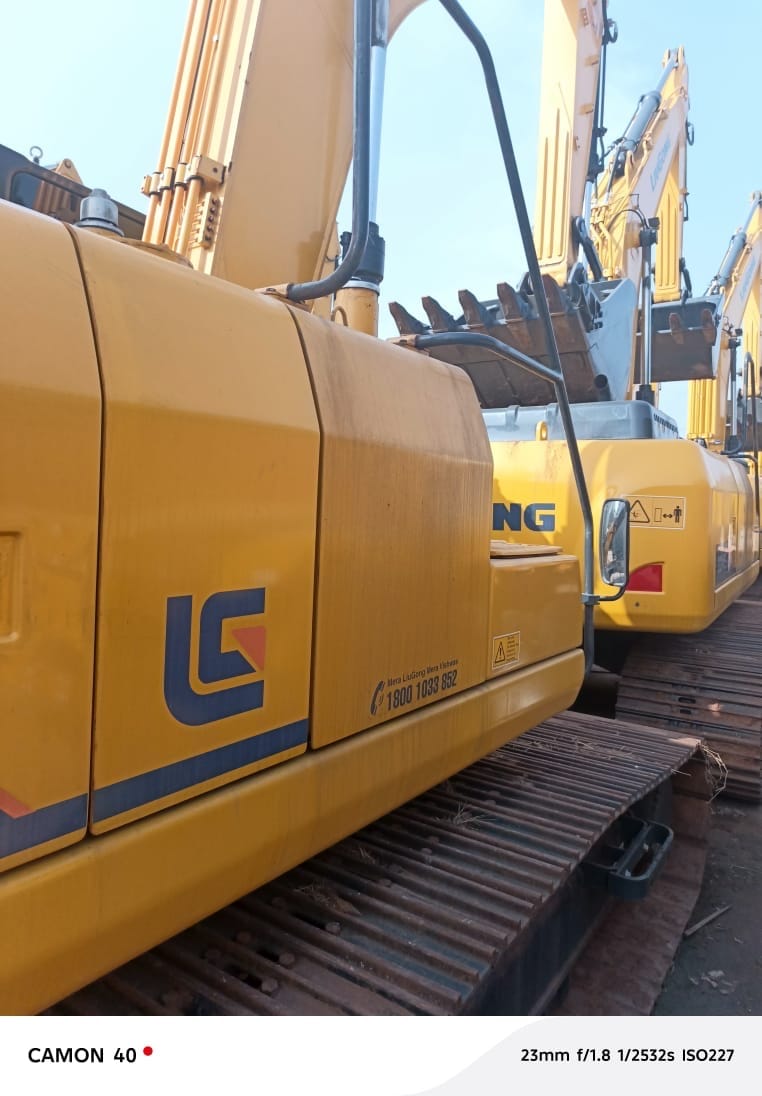
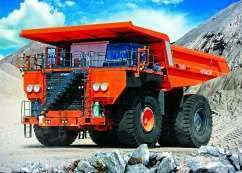
BEML Limited is a state-owned business in India that provides heavy machinery to the mining, railroad, and defense industries around the continent.
📈 Important Growth Factors
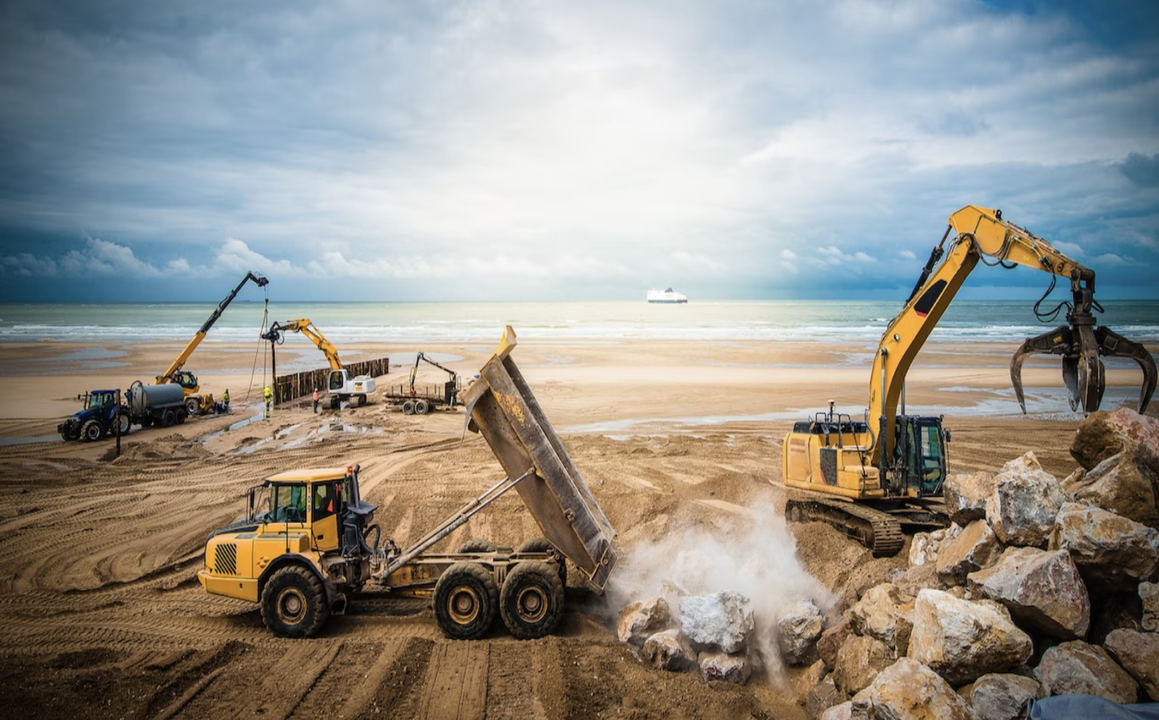
Infrastructure Boom: The main factor driving wheel loader demand is the continent-wide rush to construct homes, electrical grids, railroads, and highways. Important nations like Kenya, who have their own significant development goals, are essential to this expansion.
Mining and Agriculture: Wheel loaders are crucial to the mining industries in nations like Zambia and South Africa. These devices are increasingly being utilized in agriculture for jobs like bulk material transportation and grain handling.
Urbanization and Investment: The need for wheel loaders is being driven by the rapid urbanization and population increase. Significant investment drivers include major projects like port developments, rail networks, and cross-border highways under programs like the Belt and Road Initiative.
⚠️ Market Difficulties
The market is confronted with a number of challenges despite favorable factors.
High Costs: For smaller construction and agricultural businesses, the high upfront and ongoing costs of new machinery continue to be a significant obstacle.
Supply Chain & Logistics: Inadequate supply chain capacity and logistical challenges can hinder investment and impede the advancement of projects throughout the continent.
Skill Shortage: One major obstacle to market expansion is the dearth of competent operators who can operate wheel loaders safely and effectively.
Economic and Political Fragmentation: Manufacturers must traverse a challenging market due to the various regulatory, political, and economic frameworks found in 54 different countries.
🗺️ Local Hotspots
Wheel loaders are in high demand in major economic centers.
The three biggest markets are still South Africa, Nigeria, and Egypt, with South Africa serving as a major importer and distribution base.
Emerging Markets: Kenya, Ghana, Tanzania, Zimbabwe, and the Democratic Republic of the Congo (DRC) are major importers with substantial mining and infrastructure expansion potential.
Cross-Border Demand: There is a constant requirement for equipment due to large-scale projects that traverse borders in East and Southern Africa.
⚙️ Used Equipment and Chinese Manufacturers’ Ascent
Robust Used industry: Businesses that cannot afford new machinery are the main drivers of the robust used equipment industry. One of the main sources of reasonably priced, well-maintained used wheel loaders is the Gulf region, which includes Saudi Arabia and the United Arab Emirates.
Chinese Manufacturers’ Rise: By providing equipment that strike a compromise between affordability, value for money, and easy maintenance, companies like Liugong, SDLG, and XCMG have made considerable progress. This expanding footprint is highlighted by high-profile transactions like SDLG’s shipment of 300 units to Kenya, Tanzania, Nigeria, and Zimbabwe.
💎 Crucial Lesson for Stakeholders
Understanding the local demand for affordable and long-lasting equipment is crucial for companies wishing to enter or grow in the African market. Leveraging flexible ownership arrangements (such as leasing or secondhand equipment), offering top-notch localized service and support, and establishing strategic alliances to handle the region’s particular difficulties are likely to be key components of a successful plan.