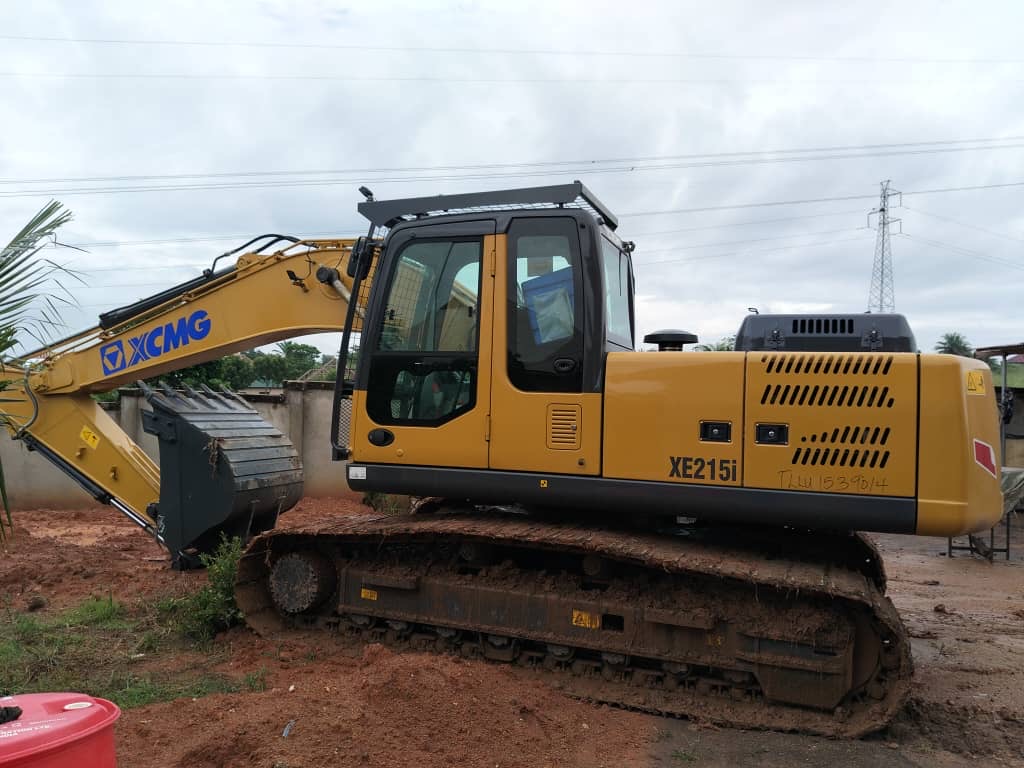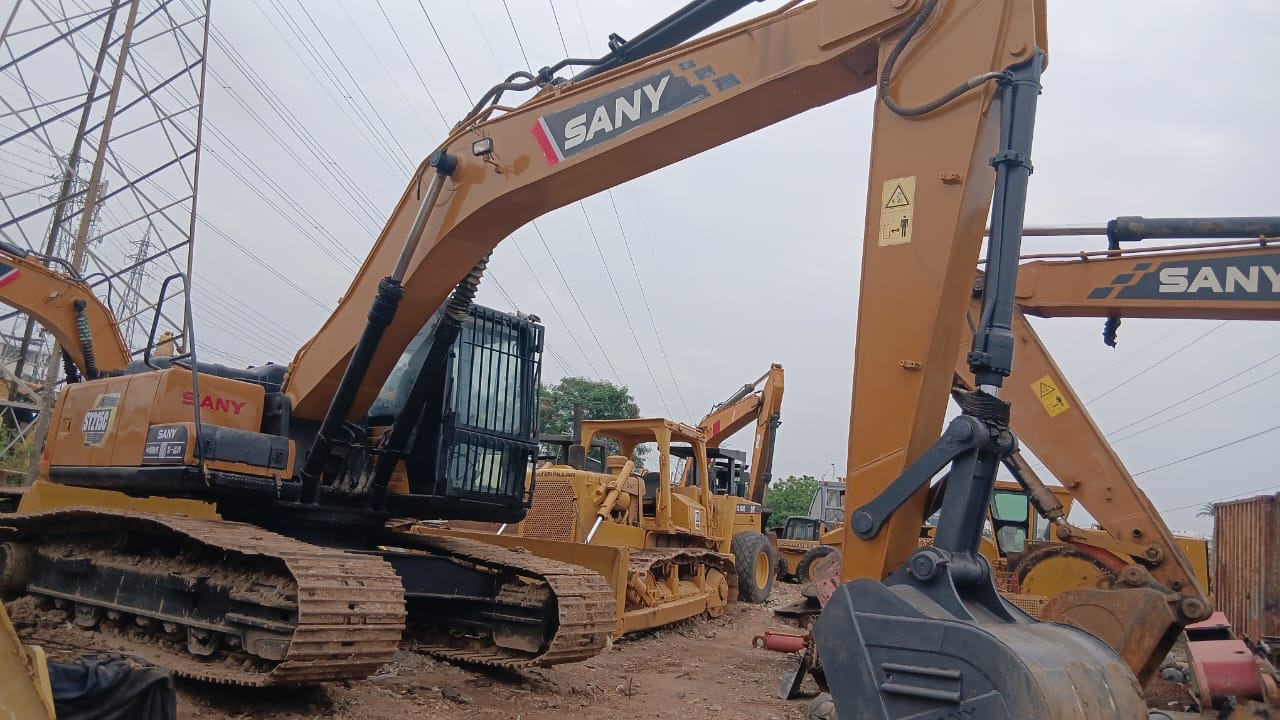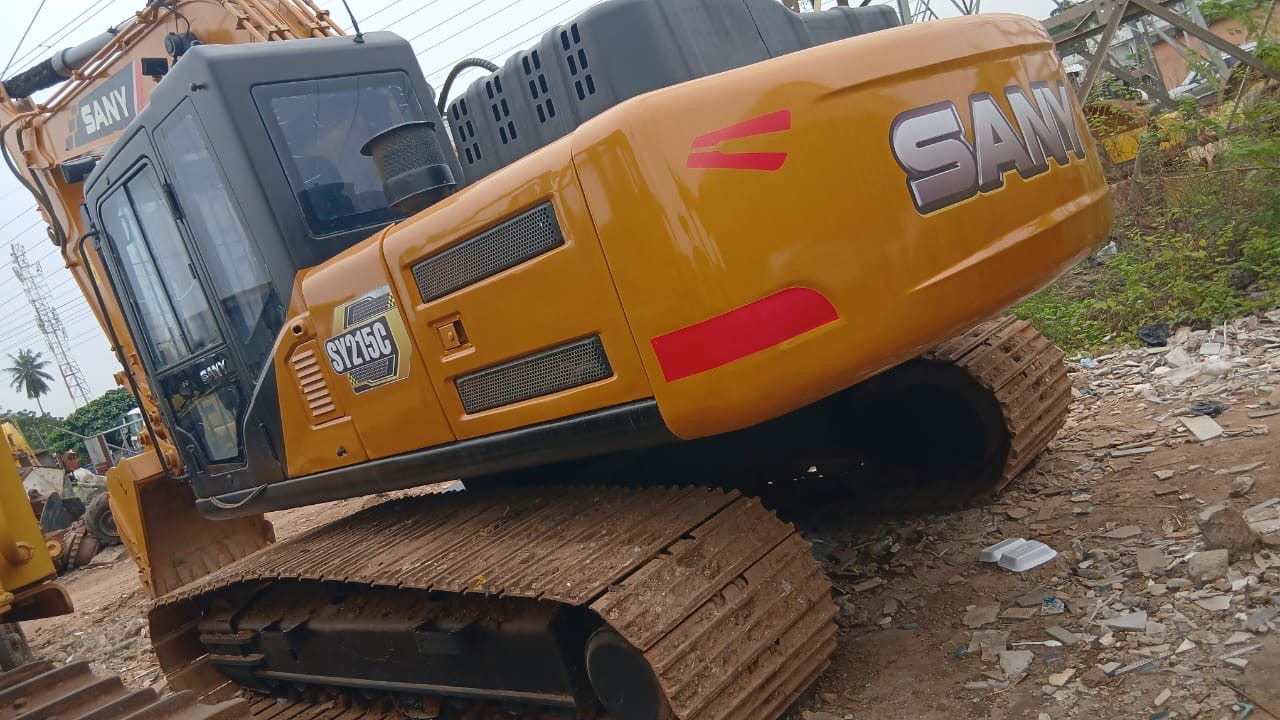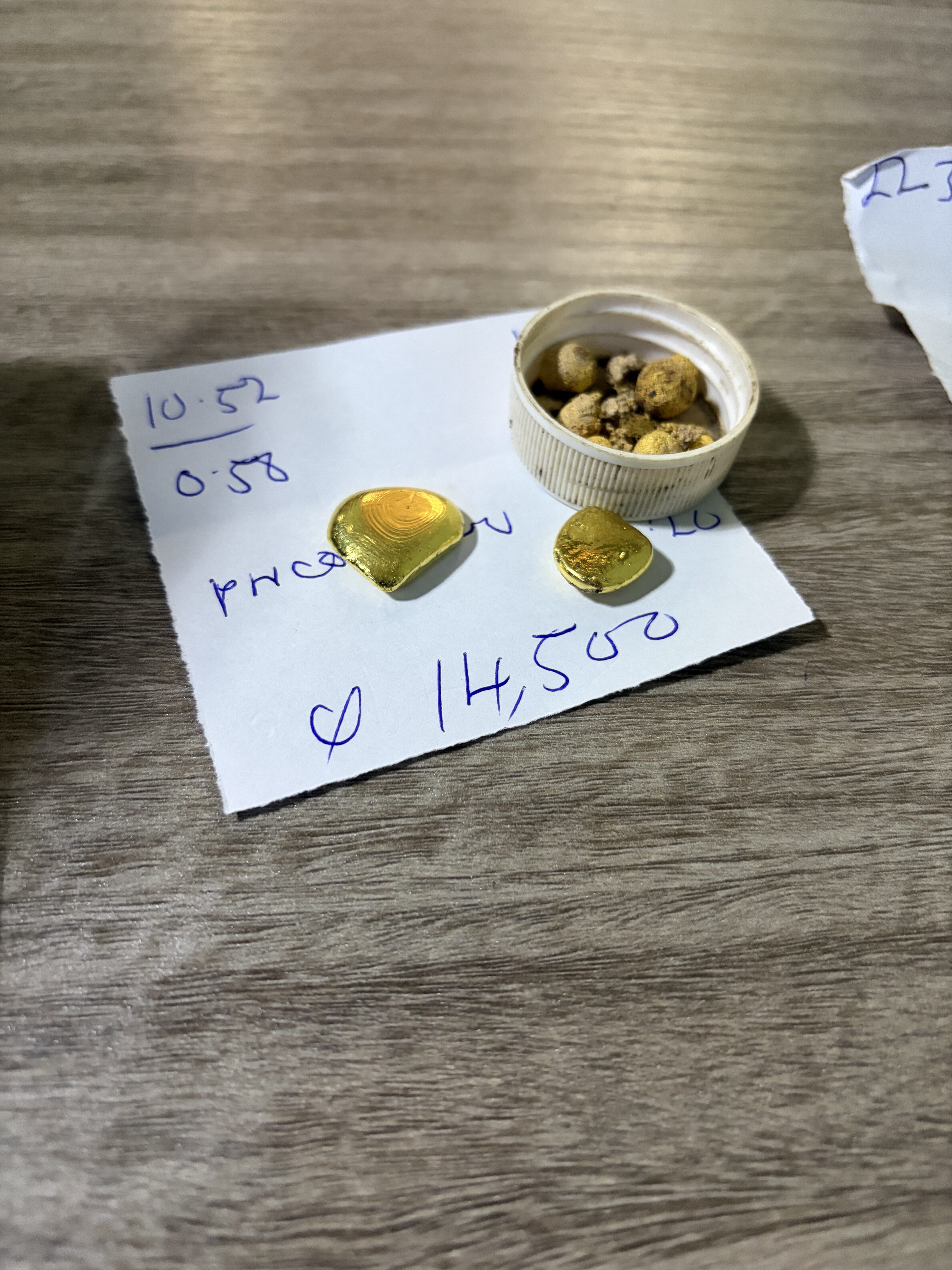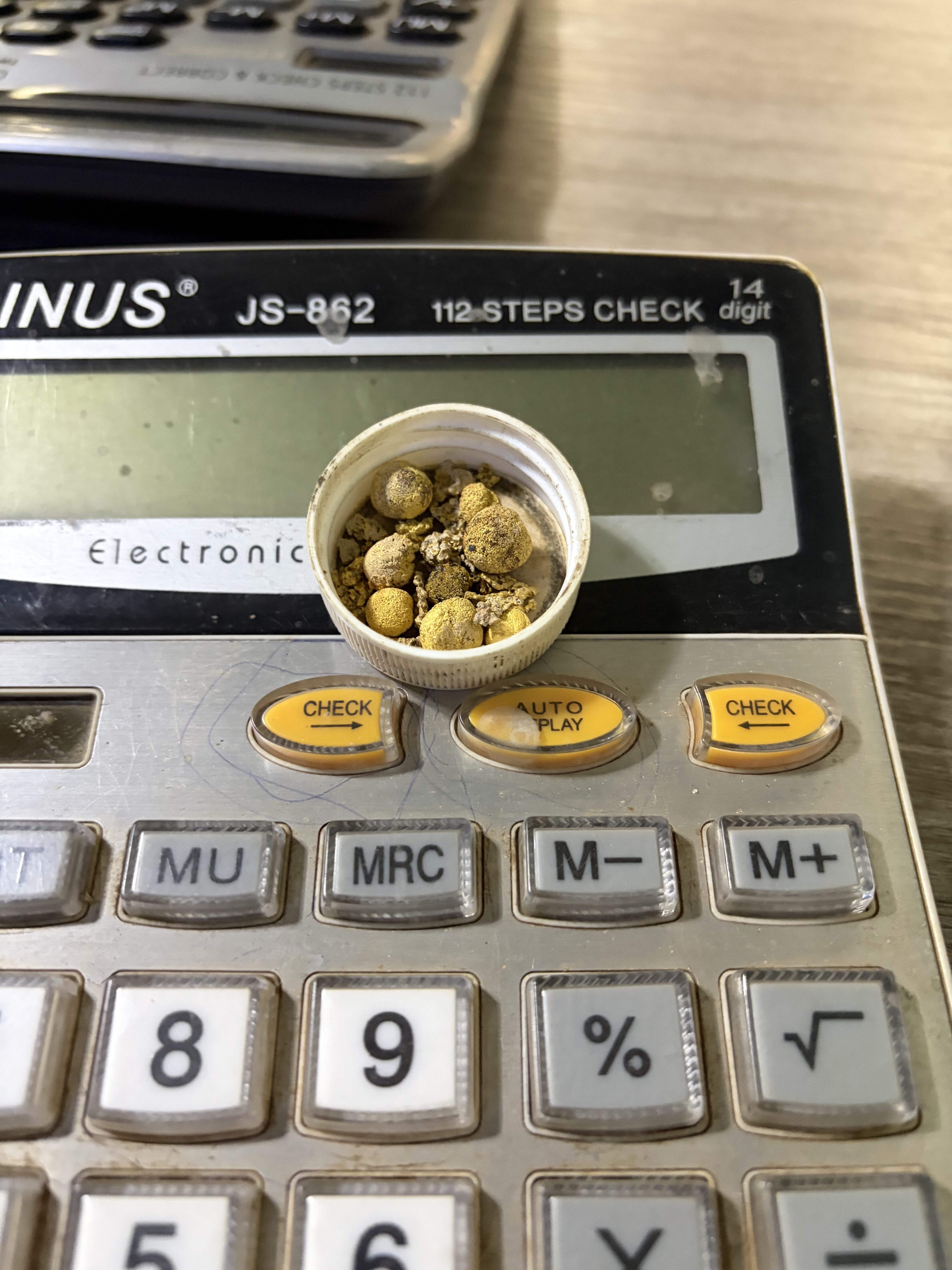

The global mining equipment market is positioned for steady growth, driven by the accelerating transition to clean energy and rapid technological advancements. While overall market conditions show moderate expansion, significant opportunities exist in high-growth segments such as automated and smart mining solutions.
📊 Market Size & Growth Forecast The mining equipment market is projected to grow at a compound annual growth rate (CAGR) of approximately 3.4% to 6% from 2025 to 2032, reflecting a generally positive long-term outlook. However, valuations vary depending on the scope of equipment analyzed:
General Mining Equipment: Values range from 123 – 123–219 billion in 2025, with forecasts reaching 160 – 160–278 billion by 2030–2032.
Heavy Mining Equipment: A more focused segment valued at ** 89.8 𝑏 𝑖 𝑙 𝑙 𝑖 𝑜 𝑛 𝑖 𝑛 2025 ∗ ∗ , 𝑝 𝑟 𝑜 𝑗 𝑒 𝑐 𝑡 𝑒 𝑑 𝑡 𝑜 𝑔 𝑟 𝑜 𝑤 𝑡 𝑜 89.8billionin2025∗∗,projectedtogrowto126.7 billion by 2035 at a more modest 3.5% CAGR.
Short-Term Outlook (2025–2026): Strong near-term momentum, with the market expected to grow from 1 , 577.6 𝑏 𝑖 𝑙 𝑙 𝑖 𝑜 𝑛 𝑡 𝑜 1,577.6billionto1,697.7 billion (7.6% CAGR).
Important Note: The substantial disparity in market size figures (e.g., 123 𝑏 𝑖 𝑙 𝑙 𝑖 𝑜 𝑛 𝑣 𝑠 . 123billionvs.1,894 billion) arises because some reports focus narrowly on machinery (e.g., trucks, excavators), while others adopt a broader definition encompassing all mining equipment, including supporting infrastructure and systems.
🚀 Key Growth Drivers Several powerful forces are reshaping the mining equipment landscape:
The Energy Transition: The shift toward renewable energy and electric vehicles is driving significant demand for critical minerals such as lithium, copper, and nickel. This “commodity supercycle” is fueling a new wave of mining projects and, consequently, equipment orders.
Technological Advancements: Perhaps the most transformative trend is the rapid adoption of automation and electrification. These technologies are enhancing safety, productivity, and sustainability. The global smart mining market, valued at 16.87 𝑏 𝑖 𝑙 𝑙 𝑖 𝑜 𝑛 𝑖 𝑛 2025 , 𝑖 𝑠 𝑝 𝑟 𝑜 𝑗 𝑒 𝑐 𝑡 𝑒 𝑑 𝑡 𝑜 𝑟 𝑒 𝑎 𝑐 ℎ 16.87billionin2025,isprojectedtoreach28.65 billion by 2030, growing at a robust 11.2% CAGR.
Sustainability Pressure: Mining companies are under immense pressure to decarbonize operations, leading to significant investments in electric and autonomous fleets. This is a key long-term trend that will define the next decade of equipment demand.
🏭 Key Companies & Competitive Landscape The market is highly concentrated, with a few global giants leading in traditional equipment and emerging players in automation:
Traditional Leaders: Caterpillar, Sandvik, Epiroc, and Komatsu dominate the heavy mining equipment segment.
Automation Pioneers: Sandvik leads the deployment of autonomous underground mining equipment, followed by Caterpillar and Epiroc. Notably, over half of the world’s tele-remote and autonomous underground mining vehicles are located in Australia and Canada, highlighting these regions as early adopters.
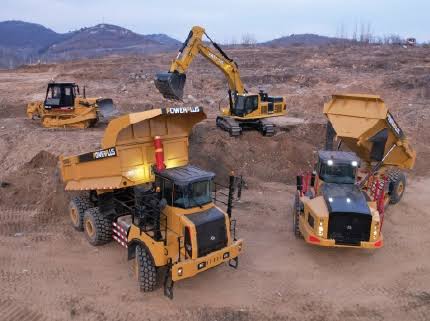
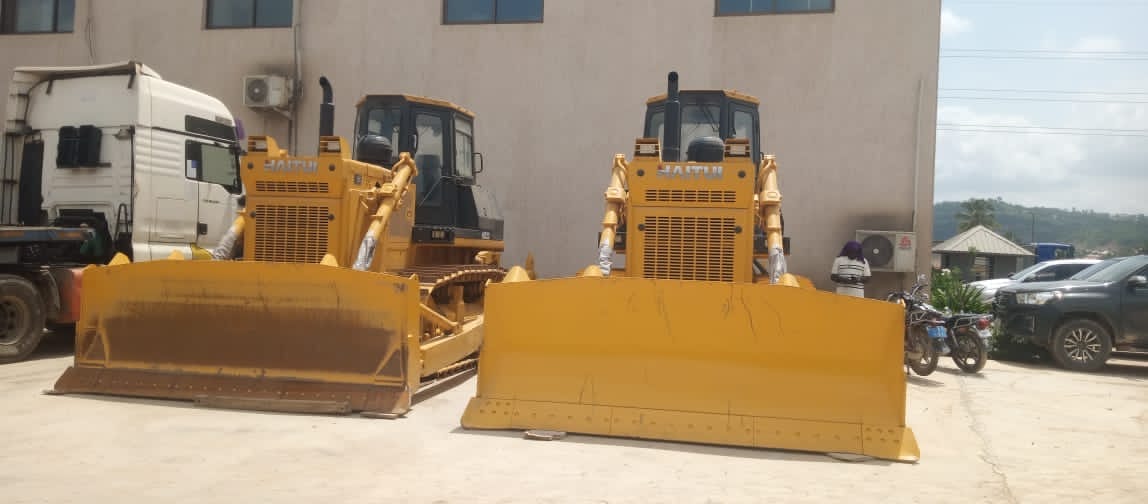
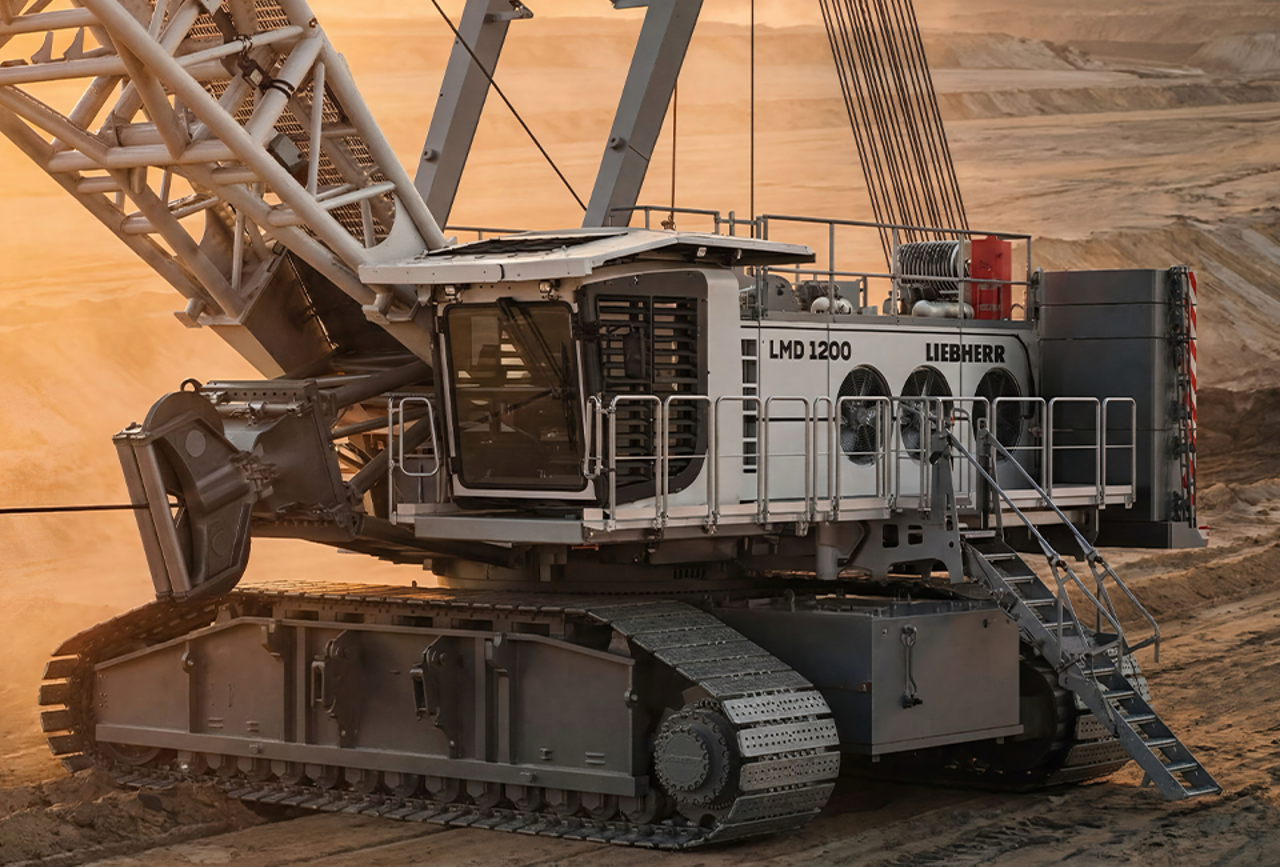
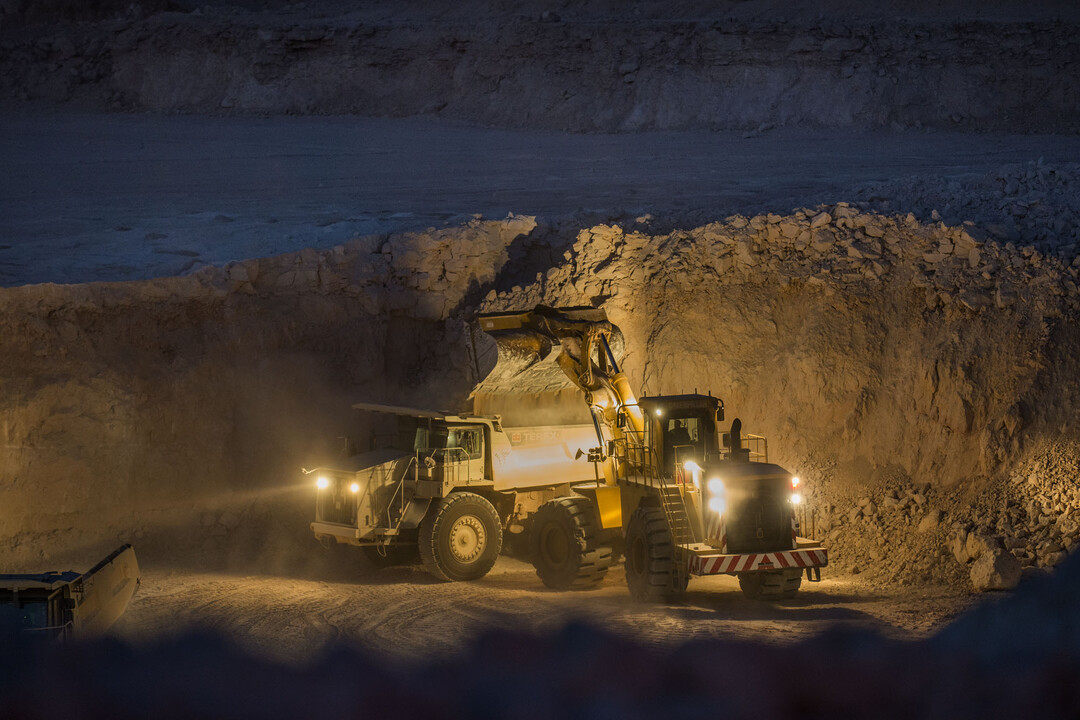
Regional Competitors: China is a significant force, with 13 companies among the global top 50 mining equipment manufacturers, including Sany and Zoomlion. The top 50 firms generated total sales of $76.7 billion.
🌍 Regional Market Analysis The Asia-Pacific region dominates the market, but growth opportunities are emerging across multiple regions:
Asia-Pacific (APAC): Holds the largest share by far, accounting for 60% of the global surface mining equipment fleet, driven largely by China’s extensive mining activities.
Middle East & Africa (MEA): Currently represents 9% of the surface mining fleet, but with significant mineral wealth, it is a region to watch for future growth.
North America & Europe: These are key markets for high-tech, automated equipment, with Canada and the US hosting major autonomous mining operations.
Latin America (LATAM): A critical region for copper and lithium extraction, making it a key market for large-scale mining equipment, particularly in Chile and Peru.
💰 M&A and Investment Landscape Strategic mergers and acquisitions are reshaping the industry, reflecting a push toward integrated technology solutions:
Caterpillar’s $1.1 Billion Bid for RPMGlobal: This deal underscores a major trend: mining equipment manufacturers are evolving into tech companies. By acquiring this mining software provider, Caterpillar aims to offer a complete, data-driven ecosystem.
Tega Industries and Apollo’s $1.5 Billion Acquisition of Molycop: This shows continued investor interest in specialized equipment and consumables, like grinding media, that are essential to mining operations.
Astec Industries’ $245 Million Acquisition of TerraSource: This deal highlights the ongoing consolidation in the broader industrial equipment sector.
Broader Investment Signals: Global mining markets gained momentum in late 2025, fueled by higher metal prices and stronger capital access. However, exploration budgets have contracted slightly, falling from 124.8 𝑏 𝑖 𝑙 𝑙 𝑖 𝑜 𝑛 𝑖 𝑛 2023 𝑡 𝑜 124.8billionin2023to124 billion in 2025, as companies focus on lower-risk, near-mine development over greenfield exploration.
🔍 Conclusion The mining equipment market is in a state of dynamic transformation. The core opportunity for investors lies not just in broad market growth but in targeting specific, high-growth niches:
Automation: The smart mining market, growing at 11.2% CAGR, presents a major opportunity.
Electrification: Investment in electric fleets and supporting infrastructure is critical and underfunded, with 52% of professionals reporting insufficient investment.
Critical Minerals: Equipment for lithium, copper, and nickel mining will see outsized demand driven by the energy transition.
To stay ahead in this evolving landscape, investors should focus on companies leading the charge in technology integration and those positioned in resource-rich, high-growth regions.
If you’d like to explore a specific segment—such as autonomous haulage systems, electric vehicle charging infrastructure for mines, or a particular regional market—feel free to let me know