
Although the world of heavy machinery is complicated, making wise decisions is essentially a straightforward, organized procedure. This guide will help you develop a safe, effective, and lucrative equipment strategy by guiding you through the six essential steps, from determining the needs of your project to putting a strong maintenance plan into action.
Step 1: Gain a thorough understanding of your project You need to know exactly what you need to do before you look at any machinery.
Describe the Scope: Pose important questions to yourself. What kind of work—such as material handling, grading, or excavation—will the equipment be used for the most? How much weight needs to be lifted or how much material has to be transported overall? What is the budget and schedule for the project?
Examine Your Workload: Be truthful about how you use it. Will the machine be utilized on a daily basis or just infrequently for certain tasks? Renting is frequently more cost-effective than purchasing if an equipment is used less than 40% of the time, according to a popular industry rule of thumb.
Think About the Environment: The state of the job site is crucial. Will the machinery be used on prepared, level areas or on steep, rough terrain? A compact machine may be necessary for a constrained setting, so you’ll also need to think about maneuverability and space limits.
🤔 Step 2: Make Fundamental Strategic Choices You can begin making high-level decisions once you have a clear project profile.
Selecting Between Used and New New Equipment: Provides optimal dependability, the most recent technology, and a comprehensive guarantee. For long-term projects when reducing downtime is crucial, this is frequently the best option.
Used equipment will keep its worth better because it has already experienced substantial depreciation and has a considerably lower initial cost. But it’s important to check for concealed damage and go over previous service records.
Selecting Between Purchasing and Renting This is a crucial choice that largely depends on your financial objectives and usage habits.
Features: Renting and Purchasing Ideal for equipment testing, seasonal peaks, and short-term tasks.everyday, regular, long-term use. Minimal or nonexistent upfront capital expenditure.obtaining funding or making a large capital investment. Maintenance is the rental provider’s responsibility.total accountability, necessitating a specialized maintenance schedule. High degree of flexibility. You can adapt your fleet to the needs of the project.Low. Regardless of workload, you are the owner of the asset. Long-Term WorthNo resale value or ownership of assets. possible high total expenses.increases equity and may end up being more economical in the long run. A hybrid approach is used by many prosperous businesses, which rent specialist machines or attachments for particular project stages while purchasing core equipment that runs continuously.
Step 3: Choose the Appropriate Equipment Type The appropriate tool for the task is necessary for every endeavor. To assist you in matching the machine to the task, these are the primary categories of heavy equipment.
Equipment for Earthmoving
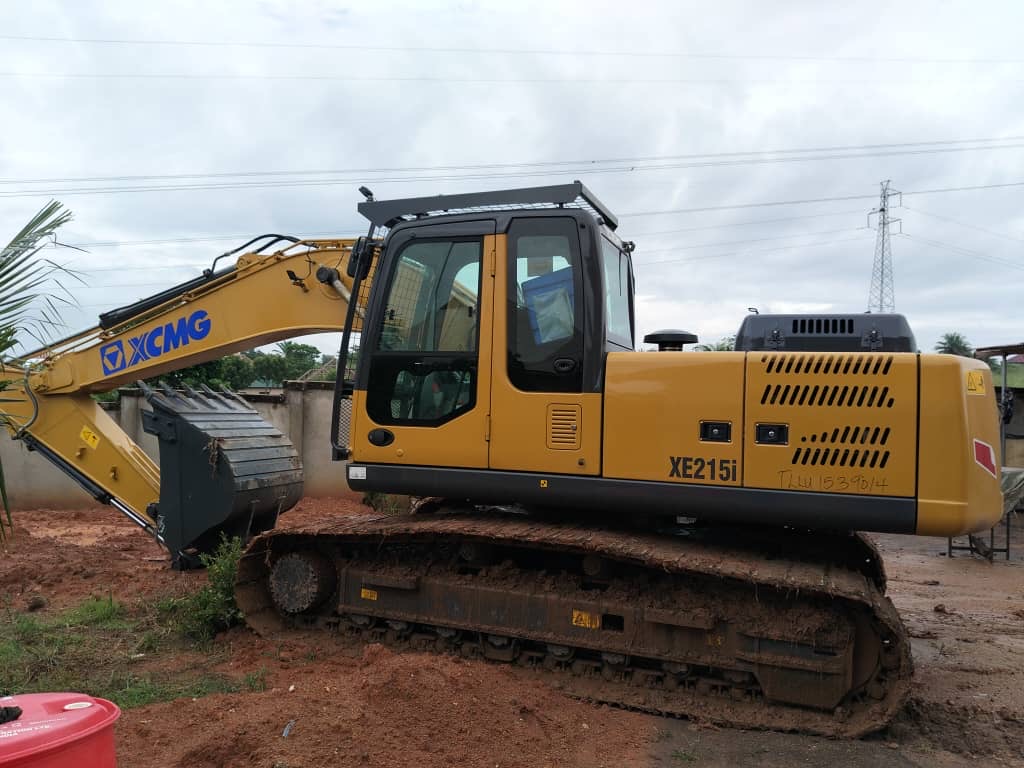
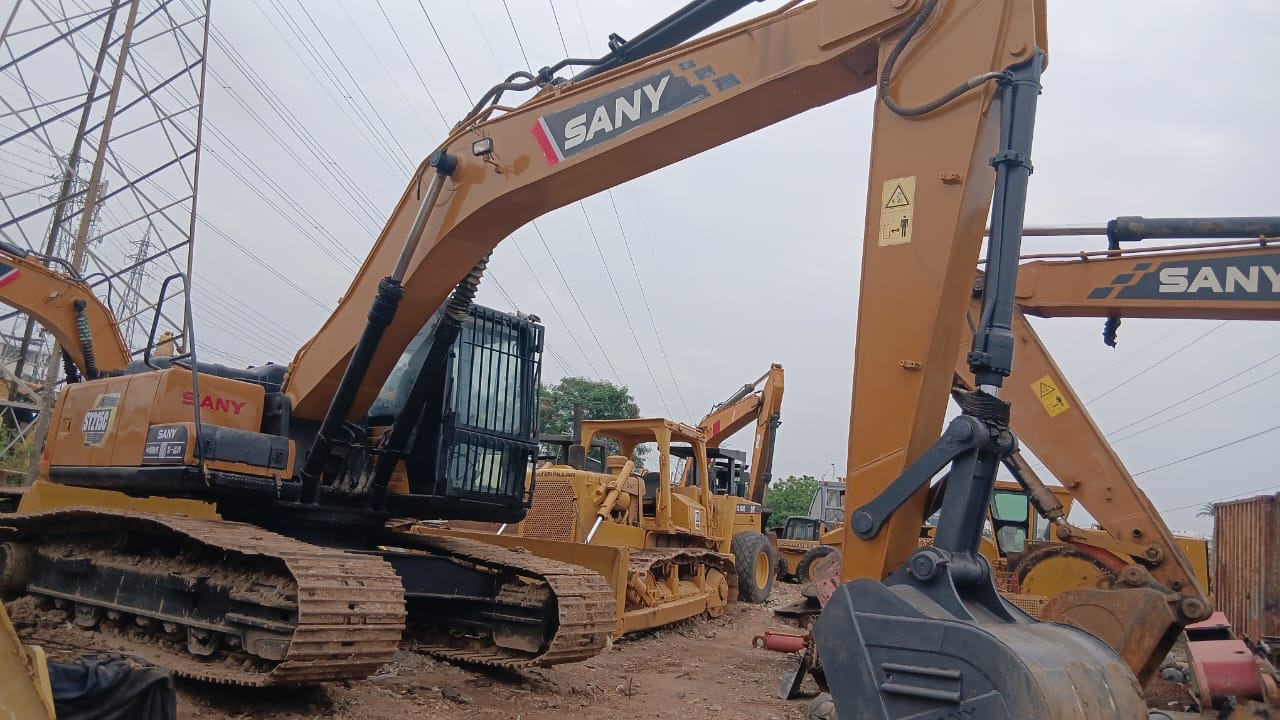
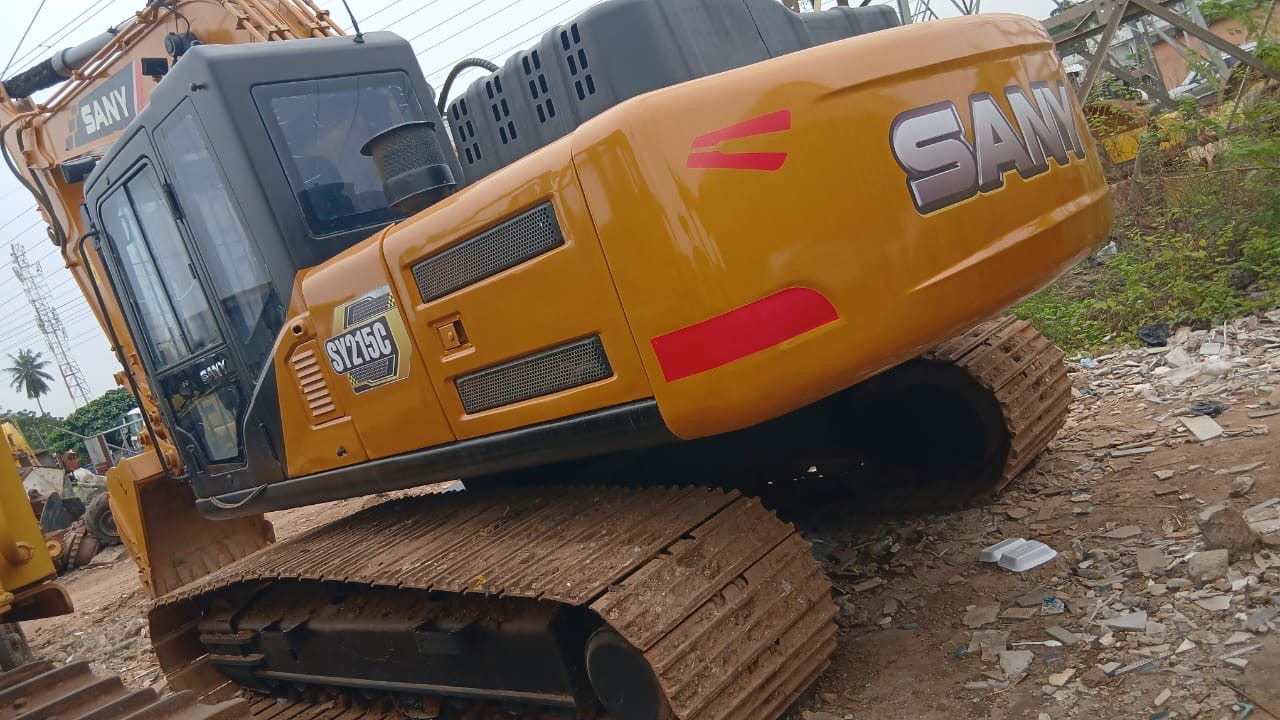
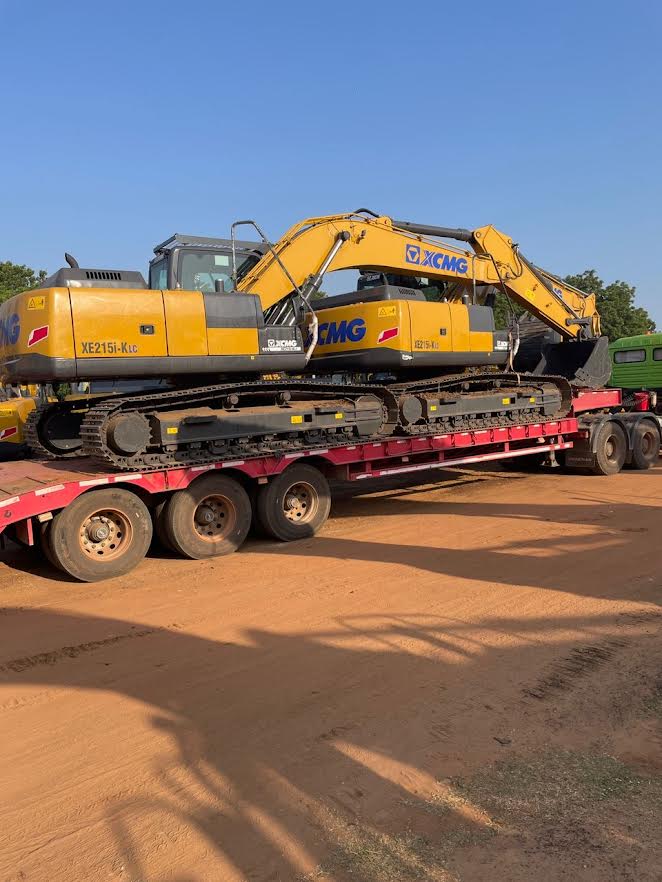
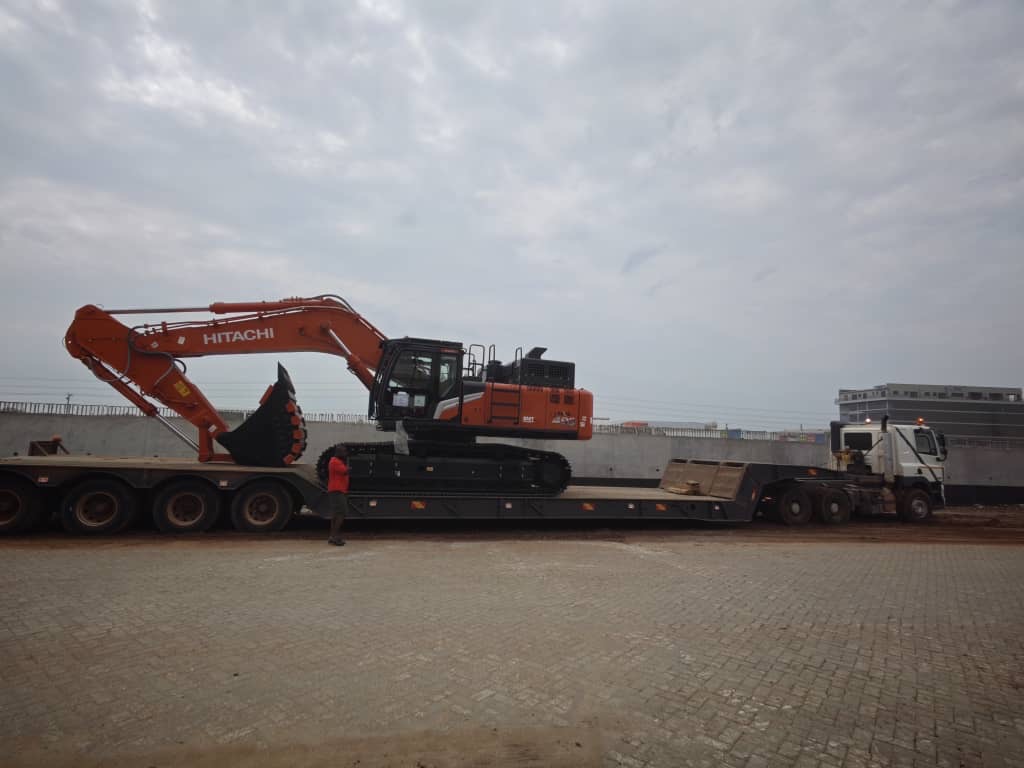
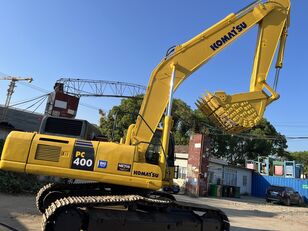
Excavators: The classic excavating tool, ideal for demolition, trenches, and foundations.
Bulldozers: Unrivaled at rough grading, clearing terrain, and pushing heavy loads.
Backhoe loaders are multipurpose machines that have a loading bucket on the front and a digging arm on the back. Perfect for small rooms and ordinary building.
Material Handling Equipment

Wheel loaders are used for backfilling, stockpiling, and loading goods onto vehicles.
Palletized products must be lifted and moved, or loads must be placed at a height and reach, using forklifts and telehandlers.
Cranes: For moving very big loads both vertically and horizontally.
Transporting Equipment
Dump trucks are the mainstay of material transportation on any site and come in a variety of sizes, from normal to enormous articulated vehicles.
Specialized Equipment
Asphalt Pavers & Rollers: Committed to constructing and compacting parking lots and roads.
Skid Steer Loaders: Compact, highly maneuverable machines with a wide range of attachments for site cleanup, demolition, and landscaping.
Step 4: Make Safety Your First Priority Safety is a fundamental operational practice that safeguards both your employees and your investment, not merely a policy.
Comprehensive Training: All operators must have the necessary certificates or licenses for the equipment they are using, as well as receive comprehensive training that includes practical instruction.
Daily Walkaround Inspections: Perform a thorough walkaround check prior to using any machinery. Verify that the tires or tracks are properly inflated and that there are no fluid leaks or broken parts. Catastrophic failures can be avoided with this fast check.
Site Awareness & Communication: Use signals or two-way radios to communicate clearly with ground personnel, be mindful of blind spots, and never approach operating equipment without authorization.
Wear the appropriate personal protective equipment (PPE) at all times, such as a hard hat, high-visibility vest, steel-toed boots, safety glasses, and hearing protection.
Safe Operation: Never jump off a machine and always use the “three-points-of-contact” rule (two hands and one foot, or two feet and one hand) when mounting and dismounting equipment. Only use the operator’s seat while wearing a seatbelt.
Respect the Machine’s Limits: Make sure you are aware of the machine’s load capacity and tipping angles, and never use it for a task for which it was not intended.
Step 5: Put a Proactive Maintenance Plan in Place The greatest method for lowering expenses, extending equipment life, and minimizing downtime is to implement a strong preventative maintenance (PM) strategy. Proper PM can increase asset life by 20–40% and decrease unplanned downtime by 30–50%.
Key Tasks for Inspection Frequency Check the levels of all fluids (coolant, hydraulic fluid, and engine oil) every day. Examine the brakes, tires, and tracks. Look around for any damage or leaks. Keep track of your engine’s hours. Examine the electrical, hydraulic, and track systems once a week. Replace or clean the air filters. Examine hoses and belts for wear. Water should be drained from fuel/water separators. Change the engine’s oil and filters once a month. As necessary, change the fuel and hydraulic filters. Every safety system (lights, alarms) should be tested. Seasonally or quarterlyExamine the engine, suspension, and undercarriage in great detail. Get the machine ready for severe weather (heating/cooling systems). It’s crucial to adhere to the manufacturer’s instructions found in your Operation and Maintenance Manual.
Step 6: Create a Long-Term, Sustainable Plan Look beyond the current project to maximize the effectiveness of your equipment plan.
Do more than merely consider the purchase price when calculating the Total Cost of Ownership (TCO). All expenses should be taken into account, including financing, insurance, fuel, upkeep, repairs, and potential resale value.
Think About Future Growth: If you anticipate that your company will grow, it might be a good idea to buy equipment that is marginally more capable than what you now need in order to prevent having to make an expensive upgrade down the road.
Collaborate closely with a dealer: One of your greatest resources is a trustworthy local dealer. An expert dealer can come to your job site, assist you in choosing the best machine and choices, and offer vital post-purchase assistance and support for many years to come.