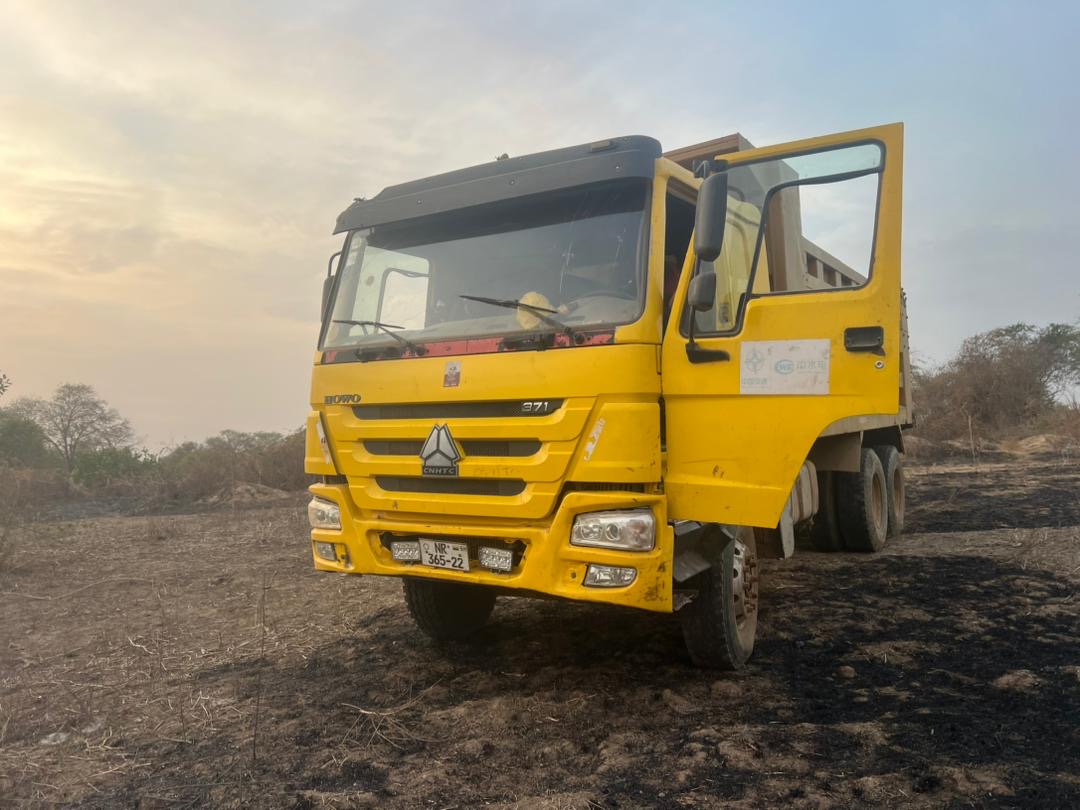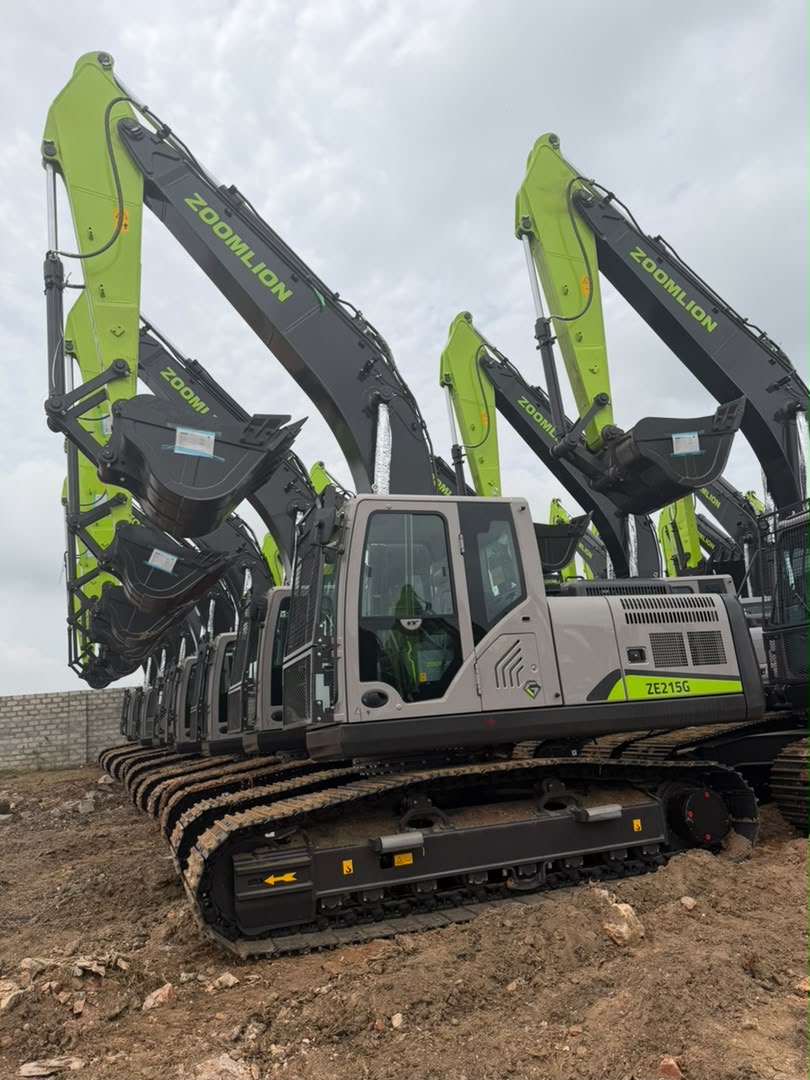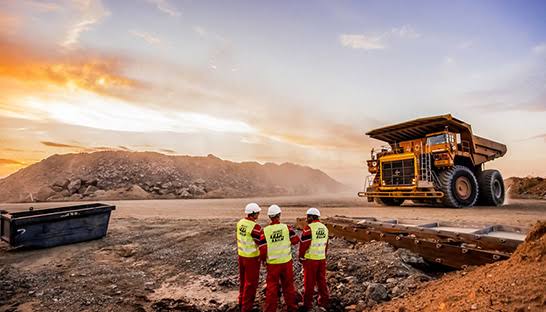

This guide provides a practical framework for investing in Ghana’s heavy equipment sector, covering market entry strategies, financial incentives, and risk management based on current market data and investment opportunities in sale,lease and rentals
📊 Executive Summary: Why Ghana?
Ghana is experiencing significant growth in infrastructure, mining, and commercial construction, driving strong demand for heavy equipment. The government is actively encouraging private investment through tax holidays and free zone incentives. The market offers two primary entry models: direct equipment sales/ownership for large-scale, long-term contracts, and rental models which offer faster ROI (18-24 months) with lower initial risk by targeting the small-to-medium scale mining and construction sector .
🏗️ 1. Market Opportunity & Key Equipment
The Ghanaian market is segmented by equipment type and application. Based on market forecasts and active investment listings, the following opportunities present the strongest potential:
💡 2. Investment Models: Sales vs. Rental
Choosing the right business model is critical. The data suggests a strong trend towards rental models to mitigate risk.
Model A: The Rental Model (High Liquidity)

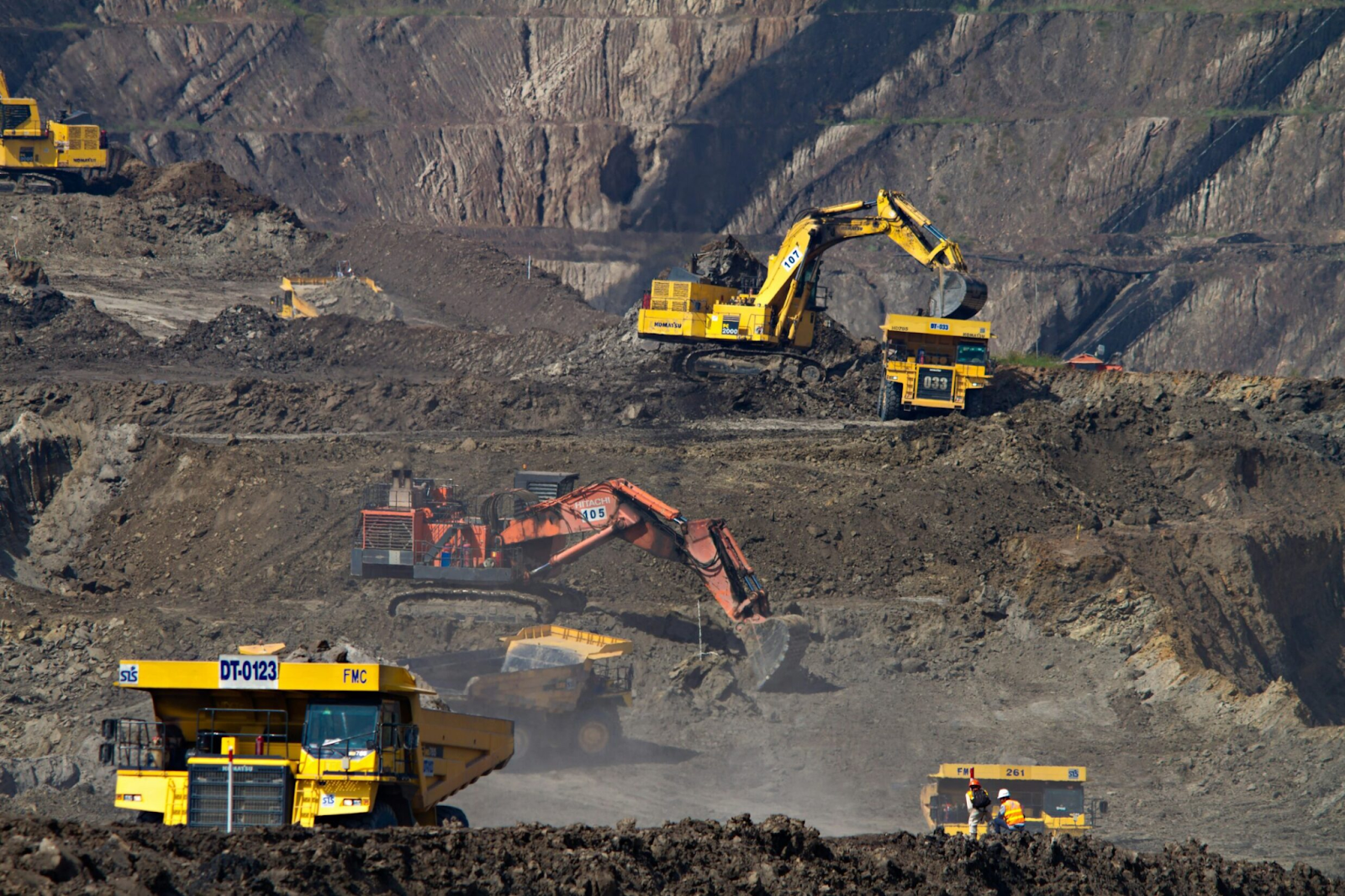

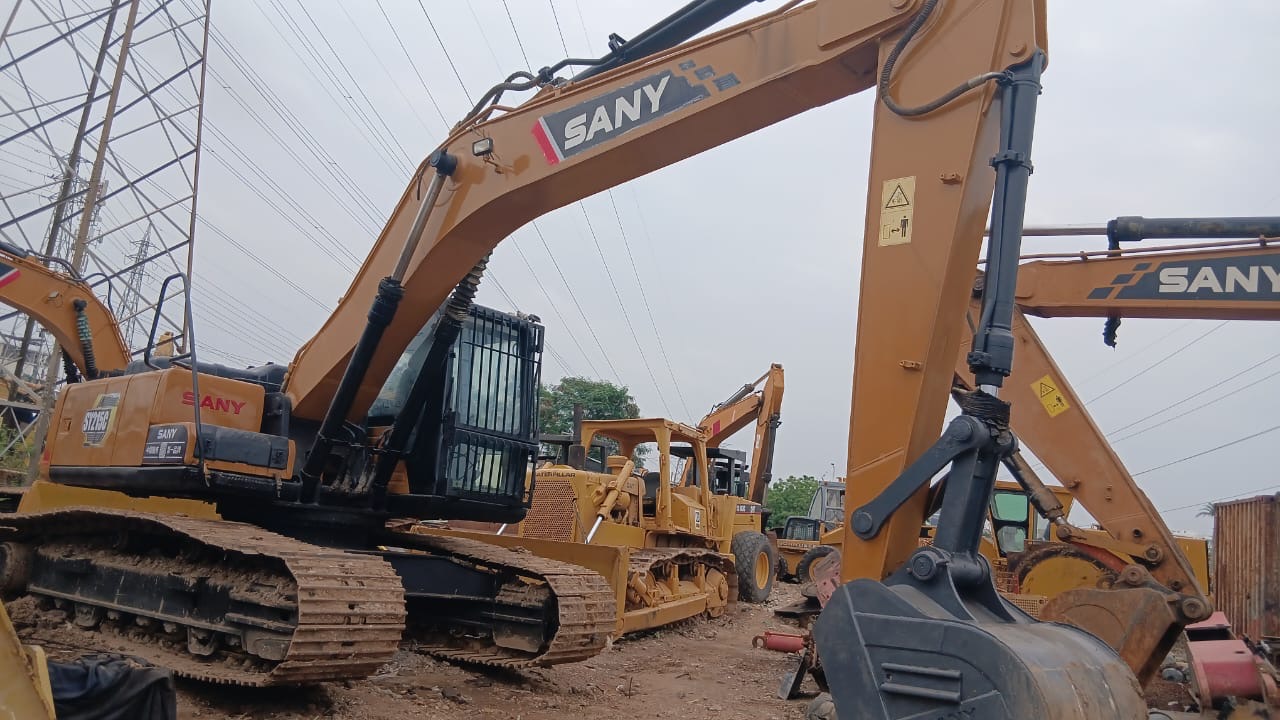
This model is particularly suited for investors looking at the mining sector. A concrete example from the market shows an investment of $500,000 to purchase 5-10 excavators .
- Revenue: Daily rates of $400-$600 per excavator.
- Projected Returns: Assuming 60% utilization, Year 1 revenue can reach $720,000, with profits estimated at $360,000 (ROI within 18 months) .
- Target Market: Small and medium-scale gold miners in the Eastern, Western, and Central regions who need equipment but cannot afford outright purchase .
Model B: Direct Sales/Leasing (Stable Margins)
This model focuses on large corporate clients, government contractors, and free zone developers.
- Target Market: Large infrastructure firms, mining multinationals, and agricultural processors.
- Competitive Advantage: Offering after-sales support and maintenance is a key differentiator, as lack of service is a major pain point for buyers .
💰 3. Financial Incentives & Tax Regime
Ghana offers substantial tax breaks to reduce the capital burden of importing heavy machinery.
Note: If you are importing machinery for rental or sale (not manufacturing inside a free zone), you will likely pay the standard import duties. However, registering as a “Free Zone Enterprise” is highly recommended if you plan to set up a workshop or assembly plant within zones like Tema or Shama .
⚠️ 4. Risk Analysis & Mitigation
Investors must navigate several operational risks unique to the Ghanaian market:
- Technical Workforce Gap: There is a limited supply of skilled operators and maintenance technicians. Mitigation: Budget for training programs or partner with local technical institutes to ensure you have qualified staff to maintain your fleet .
- Supply Chain Disruptions: Reliance on imported spare parts can lead to downtime. Mitigation: Maintain a significant inventory of critical spare parts (budget $30,000-$50,000 initially) .
- Regulatory Compliance: Mining equipment must comply with Ghanaian standards and safety regulations. Mitigation: Utilize the Ghana Free Zones Authority (GFZA) and Ghana Investment Promotion Centre (GIPC) to ensure all paperwork is processed correctly before import .
📝 5. Strategic Recommendations
- Start with a Niche: If your capital is limited (under $500,000), focus on the excavator rental market for small-scale miners. This model has proven high utilization rates and quick cash flow .
- Leverage Free Zones: If you plan to import machinery for re-export to neighboring countries (Burkina Faso, Mali, Ivory Coast) via the AfCFTA, register in the Shama Export Processing Zone to benefit from the 10-year tax holiday .
- Partner with Local Dealers: The market is competitive with established players. Consider a joint venture with a local company who understands the terrain and client relationships to expedite market entry .
- Focus on Service: In a market where “breakdowns” are costly, offering a maintenance guarantee will allow you to command premium rental rates over competitors .
💬 Final Thoughts
The Ghanaian heavy equipment sector is poised for growth driven by gold prices and infrastructure spending. Success depends on selecting the right model (rental vs. sales), navigating the tax incentives effectively, and preparing for logistical challenges. Starting with a focused rental fleet is the most accessible path to rapid ROI.
mining news today
mining news headlines
mining industry news
latest mining news
mining news and updates