
Due to a shift toward “asset-light” operating methods across the continent, the heavy construction equipment rental industry in Africa is expected to develop significantly until 2036. The transition from ownership is speeding up because to a huge pipeline of infrastructure, a surge in mining activities, and sustained economic growth. Leading market predictions have a clear trajectory, even though complete data through 2036 is still coming. From 2026 to 2031, analysts predict that the Middle East and Africa region would develop at a compound annual growth rate (CAGR) of 6% to 8%. The South African market alone is expected to reach USD 681.3 million by 2033.
This is a thorough summary of the market by equipment type and country:
Market Value (Est.) by Country/Region in 2025Market Value (Forecast) 2033 CAGR (2026-2033) USD 2,783.9 million USD 4,572.1 million 6.5% Middle East & Africa USD 437.0 million USD 681.3 million 5.8% South Africa Egypt and NigeriaPart of the “Rest of Africa” Category; not mentioned separately In their 2025-2031 forecast report, 6Wresearch acknowledges Egypt and Nigeria as important nation sectors, however they do not provide exact revenue figures for each in 2025.
📈 Key Drivers and Market Forecast The sector is changing due to a number of strong factors that support the expansion.
Infrastructure Megaprojects: Demand is being driven by a huge pipeline. Infrastructure developments in the continent are anticipated to be approximately USD 2.5 trillion. Large-scale projects like Egypt’s new capital and corridors like Nigeria’s Lagos-Ibadan Railway need a lot of heavy machinery for specific times, so renting it makes sense and is an affordable option.
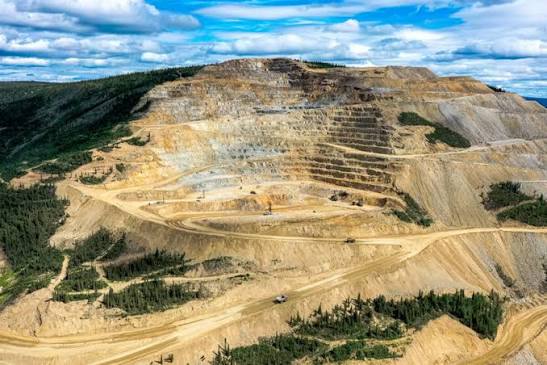
Booming Mining Sector: Africa’s battery materials (copper, gold, lithium, and rare earths) are in high demand due to the world’s move toward green energy. The need for heavy equipment is directly increased by this increase; the mining industry is thought to account for 75% of the demand for excavators.
Financial Difficulties: Buying large gear in Africa is expensive. In contrast to 10% in emerging Asia and 8% in OECD nations, the weighted average cost of capital for infrastructure projects is approximately 13%. Rental protects cash flow and profitability by turning this significant capital outlay into a controllable operating expense.
Transition to Asset-Light Models: Instead of purchasing, contractors are increasingly renting. This change is so significant that equipment rental businesses in the area are expected to grow at a compound annual growth rate (CAGR) of 8.9% over the course of the forecast period, with Saudi Arabia’s rental industry already seeing a double-digit CAGR.
Electrification and Technology: Although diesel continues to dominate the industry, hybrid and electric machinery are becoming more common. A big change is on the horizon, though, as businesses like Lagos-based Bisedge are obtaining substantial capital (a USD 20 million wager) to expand electric fleets for long-term rental contracts.
📊 Country and Segment Analysis The market is broad, with many equipment types and nations at the forefront.
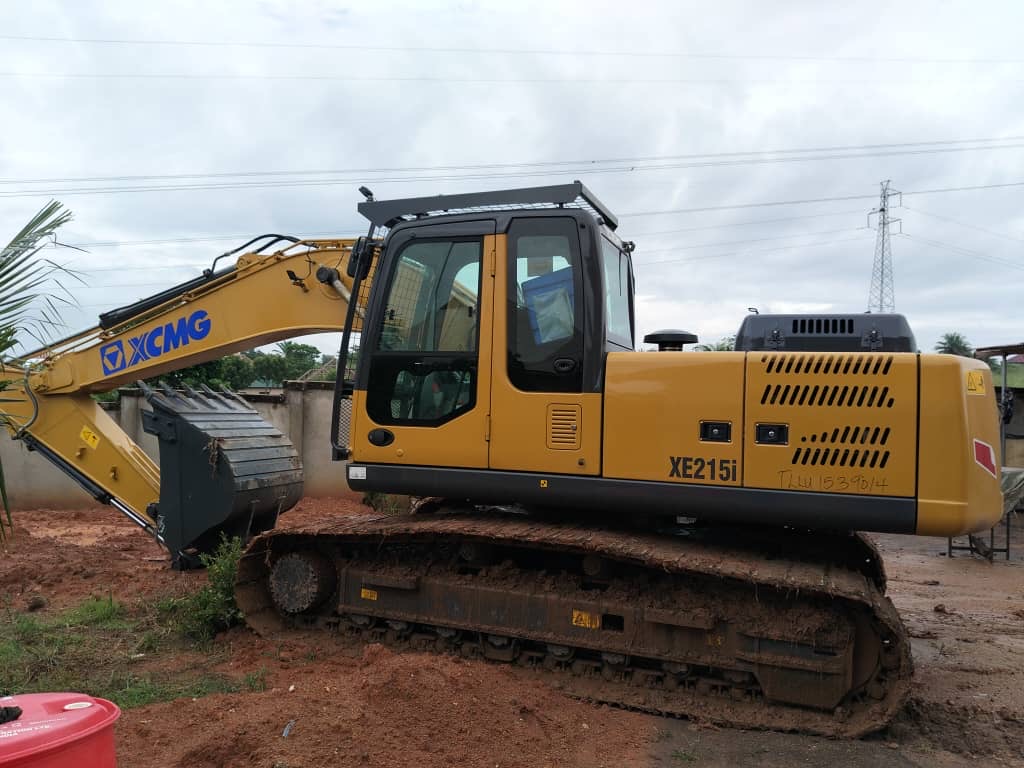
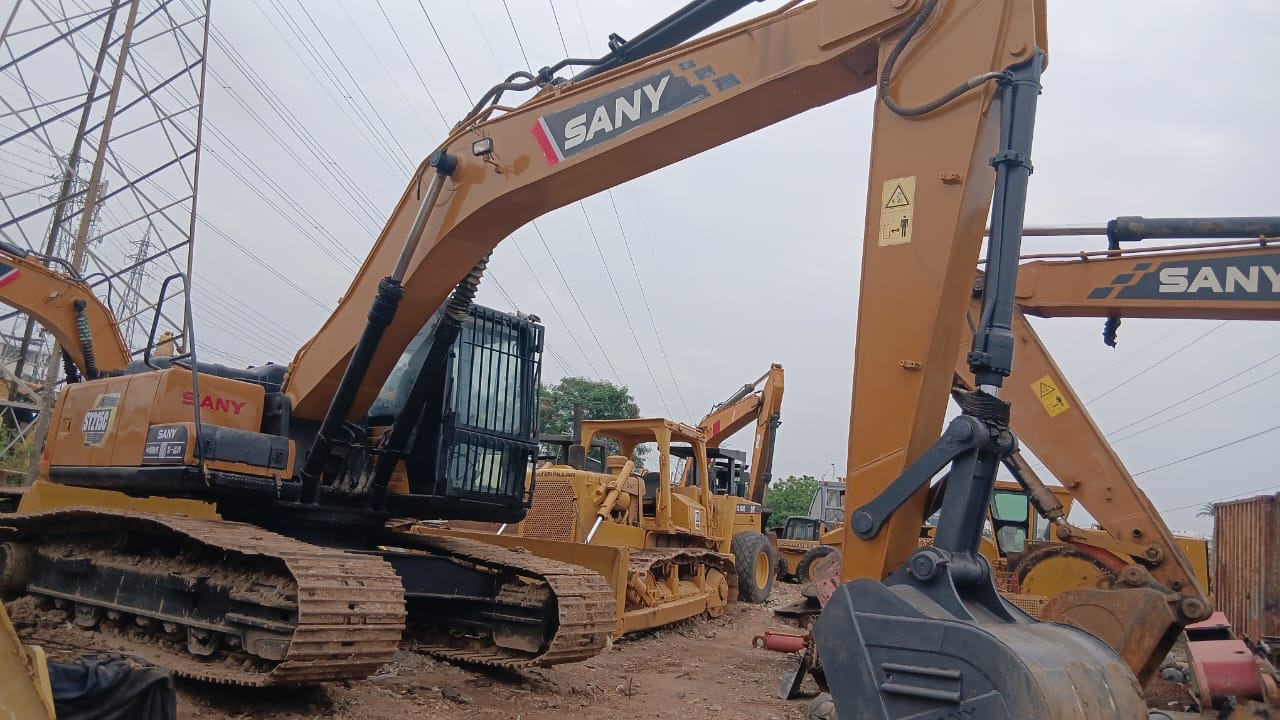
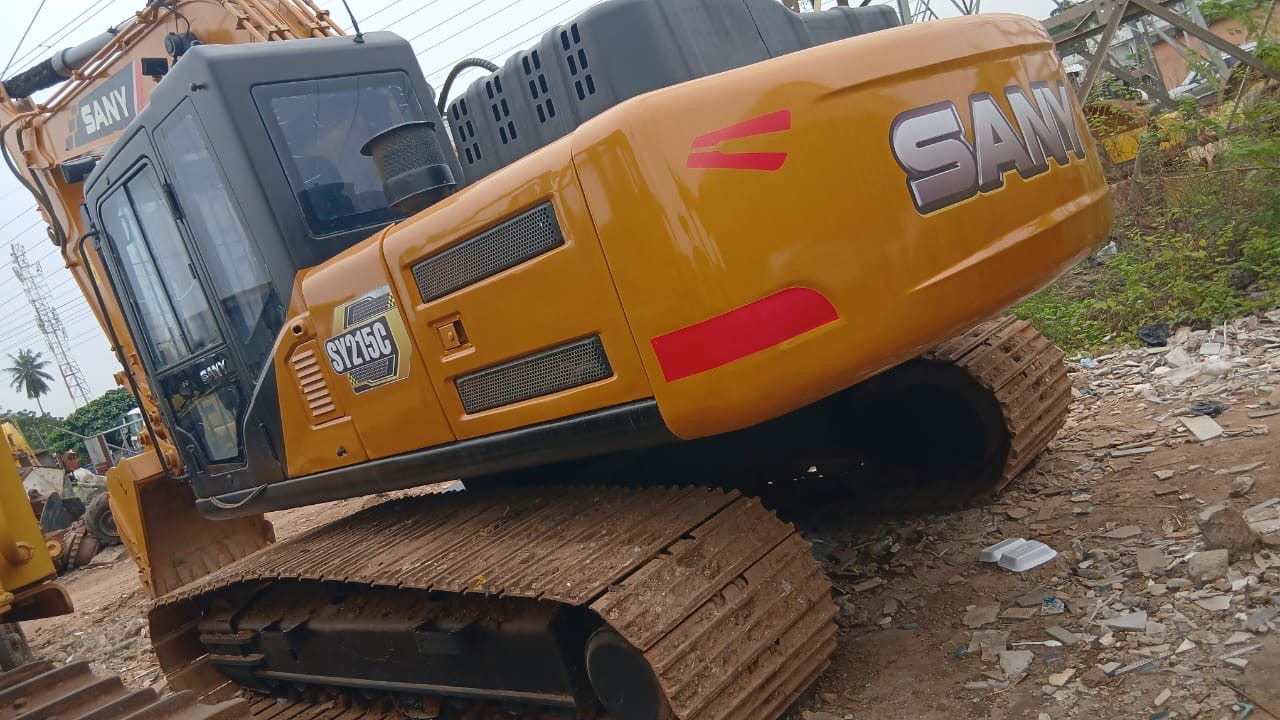
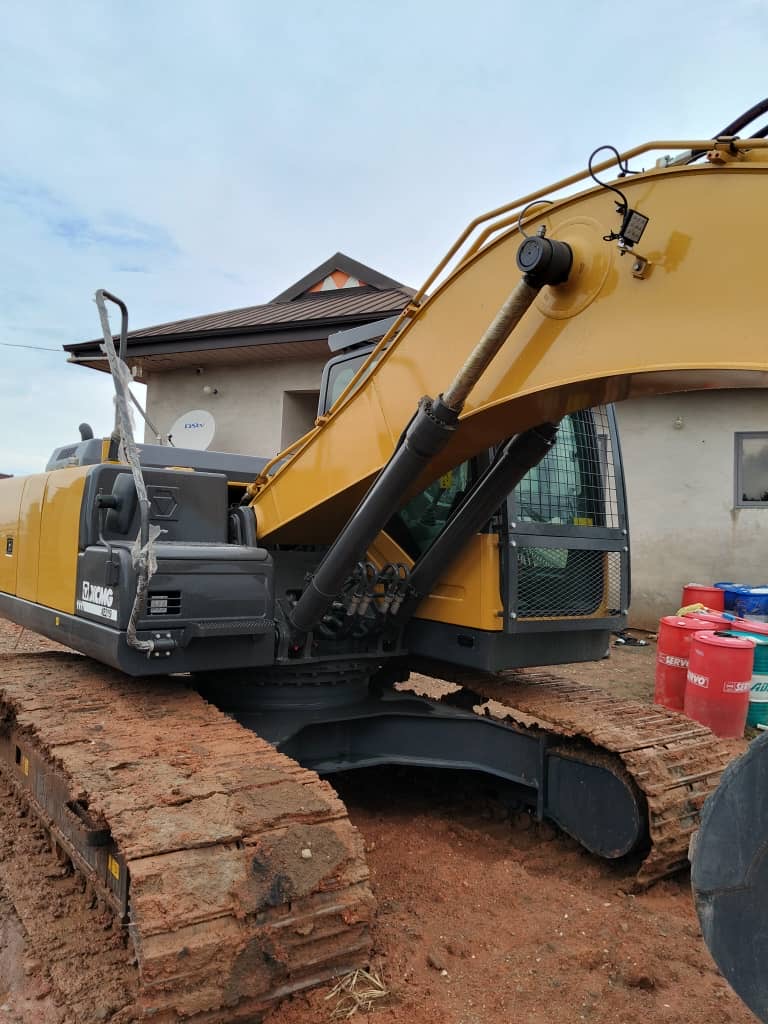
Dominant Equipment Segments: In the MEA area, earthmoving machinery—including excavators—consistently generates the most revenue. The industry’s requirement for site preparation and excavation is a major driver of this demand. In 2025, excavators alone made up around 35.8% of the market. Among the product categories, the Concrete & Road Construction category is growing at the fastest rate.
Top Markets: Egypt, Nigeria, and South Africa
The most developed market, South Africa, is expected to expand at a strong 5.8% CAGR. The largest segment is earthmoving equipment, while the fastest-growing is concrete and road construction.
The Africa market prediction for 2025–2031 highlights Egypt and Nigeria as important nation segments because to their aspirations for extensive urban expansion and infrastructure.
Important Market Participants Global behemoths and regional experts coexist in the market. Important participants consist of:
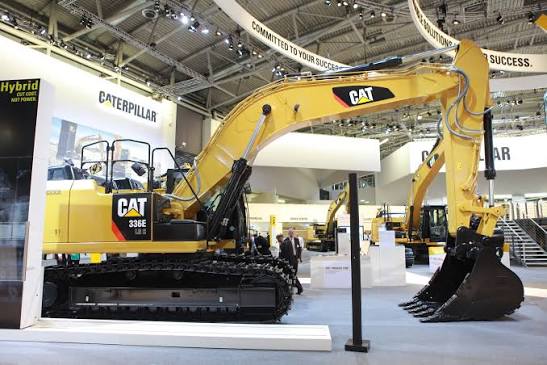
Global OEMs: Hitachi Construction Machinery, Liebherr Group, and Caterpillar Inc. supply the top-notch equipment that makes up rental fleets.
Major Rental Companies: World-renowned companies like United Rentals and Herc Rentals are aggressively growing their footprint in the Middle East, citing growth from bundled service offers and short-term contracts.
Regional Specialists: Local businesses like Bisedge are carving out niches in specialist areas like electric material handling equipment on long-term contracts, while companies like Ahern Rentals and Cramo are also prominent players.
A synopsis The market for heavy construction equipment rentals in Africa is expected to increase rapidly until 2036. This growth is fueled by a vast pipeline of mining and infrastructure projects as well as the basic economic benefits of renting over owning in a capital-constrained climate. Even as it continues to adopt new technology like electric and hybrid machinery, the market is heading toward a future where flexibility and service-driven models will rule.