
The Trump administration has been moving away from traditional grants and subsidies and toward direct equity investments in businesses engaged in industries deemed strategically critical to the economic and national security of the United States. The main goal of the policy is to lessen reliance on China in fields including semiconductors, crucial minerals, quantum computing, and possibly artificial intelligence.
Important components of the plan
Government ownership stakes: In order to help businesses acquire funding for major projects, federal agencies are transforming certain financial support into minority stock interests. This allows the government to share in possible upside.
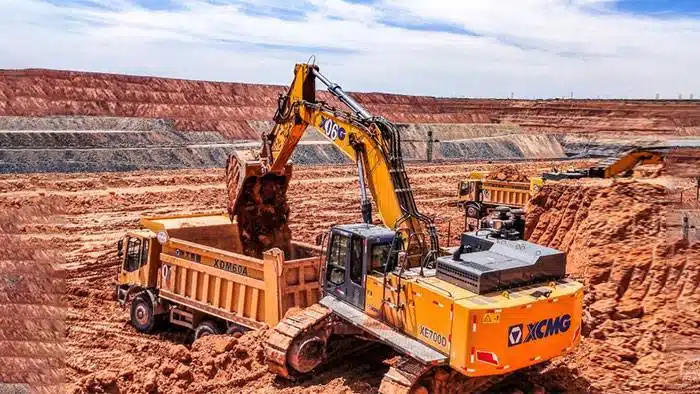
Focus on critical minerals: Investments in businesses that produce rare earths, lithium, copper, and other strategic minerals required for innovative technology, electric vehicles, and defense systems have been proposed or made.
encourage for semiconductors and quantum technology: Instead of depending just on tax breaks and grants, the administration has made direct investments to encourage domestic chip manufacturing and quantum computing projects.
New investments: As an example of the larger investment strategy, the Commerce Department provided cash to SandboxAQ, an AI and quantum firm, in June 2026 in exchange for a minority ownership.
Investment examples that have been reported




According to reports, the administration has considered or acquired investments in businesses and initiatives such as:
Intel MP Resources
Rare Earth in the USA
America’s Lithium
Metals in Trilogy
a number of quantum computing companies, including IBM and other industry players.
Why proponents find the concept appealing
Advocates contend that:
Chinese companies with significant state support compete in strategic industries.
Important semiconductor and mining projects frequently need large initial investments and protracted development schedules.
Government investments can boost supply-chain resilience and speed up domestic production.
Principal objections
Critics claim that:
Markets and competition may be distorted by government ownership.
Investment decisions may be influenced by political factors.
Equity stakes raise concerns about how and when the government withdraws its interests, as well as possible conflicts of interest.
This strategy is especially important for mining and essential minerals since it is a far more interventionist U.S. approach than in past decades, which might have an impact on project financing, commodity supply chains, and international rivalry for vital resources.