
One of the sectors of the construction and infrastructure market that is expanding the fastest is the renting of construction equipment. Global demand for rental equipment is being driven by rising equipment costs, significant infrastructure spending, and contractors’ need for adaptable, asset-light operations.
The industry presents chances for investors to produce steady cash flow, but achievement hinges on comprehending market demand, finance, equipment use, and maintenance costs.
Why the Market for Renting Construction Equipment Is Expanding
Long-term growth is nevertheless supported by a number of trends:
Projects involving government infrastructure Urbanization is happening quickly. Growth in both commercial and residential building Development of energy and mining Contractors cutting back on capital spending A rise in the need for specialist equipment Telematics and digital fleet management
Many contractors rent equipment just when needed rather than buying pricey machinery outright, which improves their cash flow and lowers ownership concerns.
Important Types of Equipment Six
The equipment that is most frequently rented consists of:
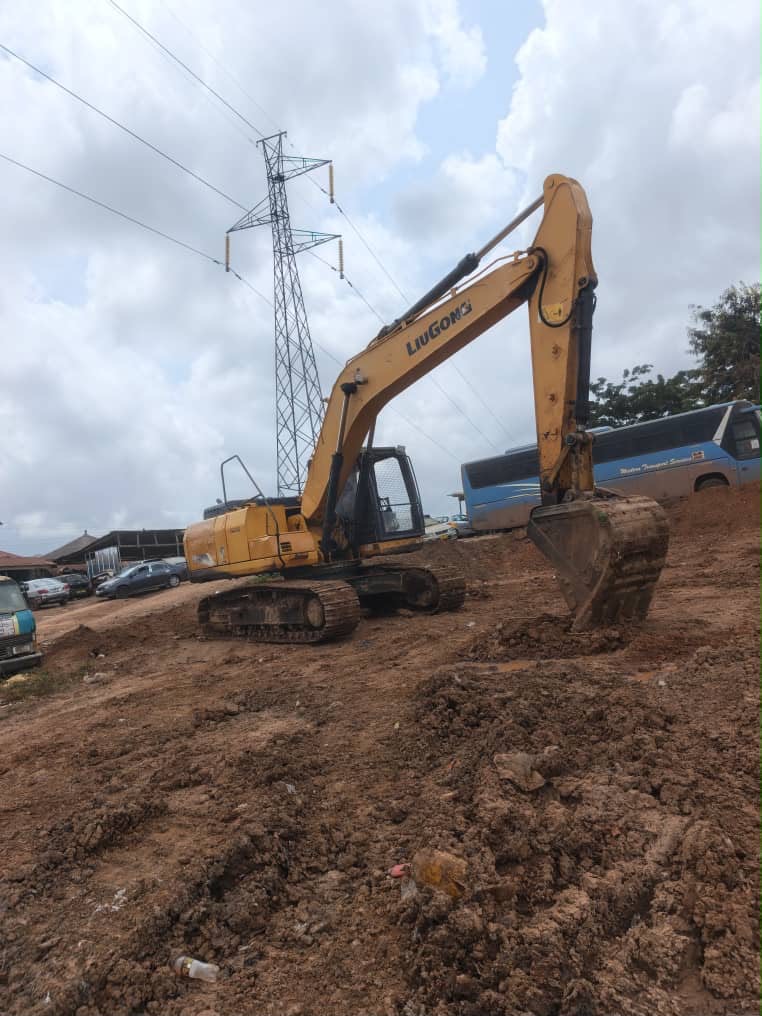
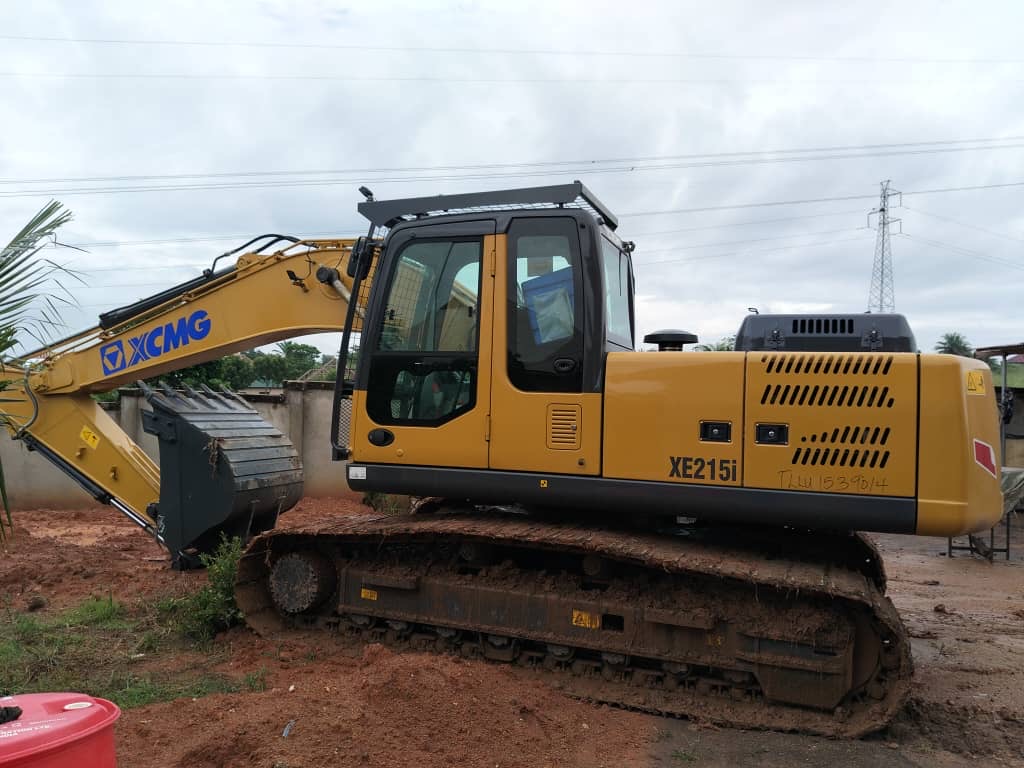
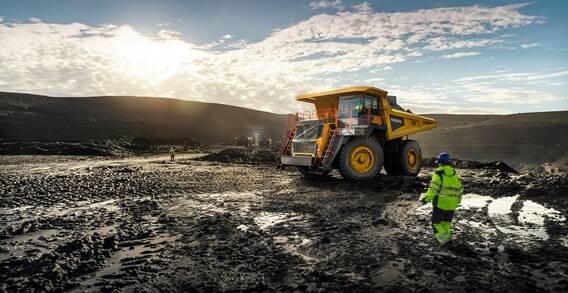
The excavator Wheel loaders Bulldozers Loaders for backhoes Cranes and motor graders Telehandlers Loaders with skid steer Platforms for aerial work Compactors and concrete machinery Generators of power
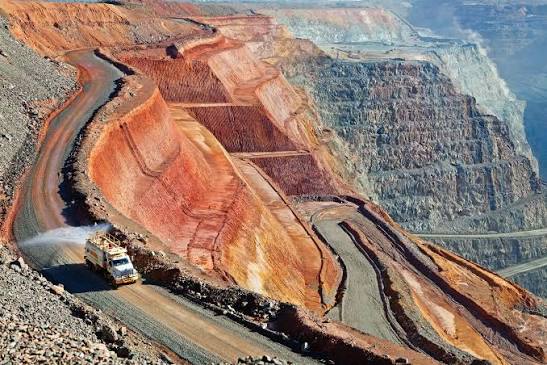
Demand varies by region based on industrial development, mining, infrastructure, and agriculture.
Model of Revenue
Typically, rental businesses make money by:
Rentals every day Rentals every week Rentals per month Long-term lease contracts Transportation costs for equipment Operator services Fuel fees Contracts for maintenance Sales of equipment after its leasing period Replacement parts and maintenance
Maintaining and reselling used equipment is how many prosperous rental businesses make extra money.
Factors Influencing Profitability
- Utilization of the Fleet
One of the most crucial performance metrics is utilization.
Increased utilization means that instead of sitting idle, equipment generates income for longer periods of time.
Although this varies by equipment type and market, many prosperous rental companies aim for utilization rates above 65–75%.
- Mix of Fleets
Risk is decreased with a varied fleet.
For instance:
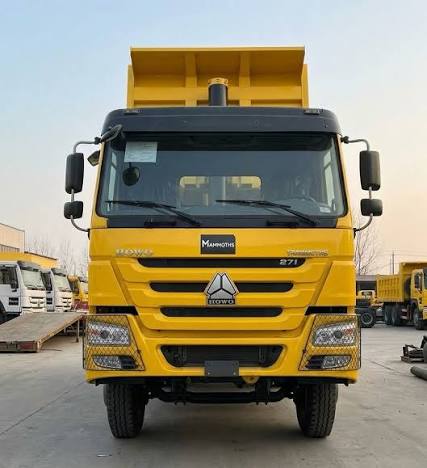
Equipment for earthmoving Equipment for road construction Equipment for processing materials Mining machinery Power apparatus
Businesses can serve a variety of industries thanks to diversification.
- Age of Equipment


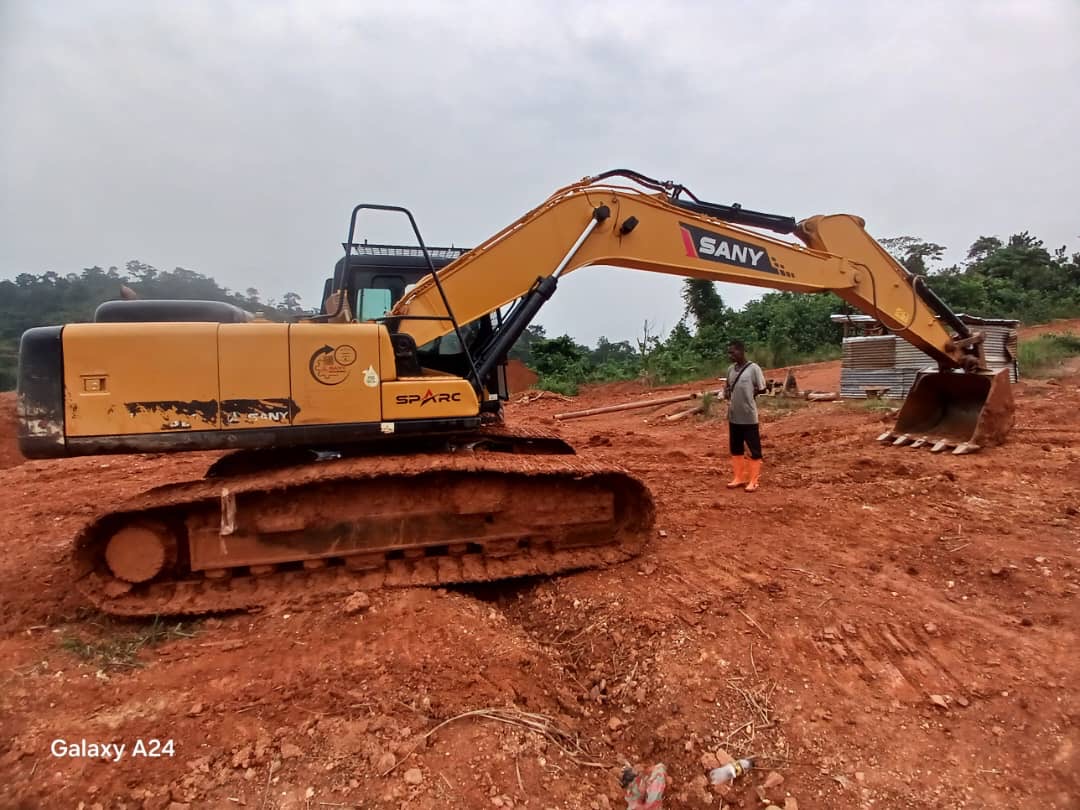
In general, older equipment has:
Reduced cost of buying Increased maintenance costs Increased downtime Reduced rental prices
While lowering repair expenses, newer fleets can fetch higher prices.
- Structure of Financing
Equipment used in construction requires a lot of capital.
Investors ought to assess:
Levels of debt Interest costs Lease commitments Depreciation of assets Money flow
While high leverage might improve earnings, it also raises the danger of financial loss during recessions.
The Industry Is Changing Due to Technology 7
Technology is increasing operational effectiveness by:
GPS monitoring Diagnostics from a distance Predictive upkeep Monitoring fleet utilization Online reservation systems Automated billing AI-driven scheduling of maintenance
These tools enhance customer service, minimize downtime, and maximize fleet deployment.
Risks Investors Need to Take Into Account
Equipment leases are subject to many risks, much like any capital-intensive enterprise:
Reduced construction activity due to economic downturns High interest rates raise the cost of financing. Depreciation of equipment Volatility of fuel prices Disruptions in the supply chain Vandalism and theft Growing maintenance costs Modifications to regulations Weather-related delays in projects
A rental company’s risk management should be evaluated by investors.
Financial Measures to Assess
Examine important performance metrics like these before making an investment.
The Significance of Metrics Fleet utilization gauges how well assets provide income. ROIC, or return on invested capitalshows the efficiency of capital. Operating profitability is reflected in the EBITDA margin. Free cash flowdemonstrates the capacity to finance debt and expansion Ratio of debt to equityevaluates the amount of financial leverage Fleet age affects rental rates and maintenance expenses. Growth in revenue indicates market expansion Diversification of customers lessens reliance on a small number of major clients Trends in Industry
The rental market’s future is being shaped by a number of trends:
Construction equipment electrification Semi-autonomous and autonomous equipment Telematics and connected fleet expansion Equipment-as-a-service (EaaS) growth Regulations on emissions and sustainability Demand for rentals from mining and renewable energy projects has increased. Consolidation via purchases and mergers
In the upcoming years, it is anticipated that these innovations will increase rental opportunities and increase efficiency.
Possibilities for Investment
Exposure for investors can be obtained by:
Equipment rental firms that are publicly traded Manufacturers of heavy machinery with rental divisions Local rental companies Investments in private equity Operations that rent out franchises Companies that lease equipment Investment funds with an emphasis on infrastructure Checklist for Due Diligence
Prior to investing, think about:
Is there a high demand for rentals in the area? What is the fleet’s average utilization? How varied is the clientele? What is the fleet’s average age? Are upkeep expenses under control? How much of the fleet is financed by debt? Does the business make advantage of digital fleet management and telematics? Are consumers concentrated in a single sector or area? What are the plans for reselling and replacing equipment? Does management have expertise in capital allocation and fleet operations? In conclusion
Due to recurrent income, rising infrastructure spending, and contractors’ increased inclination to rent rather than buy, construction equipment rentals might offer alluring long-term investment opportunities. However, because the business requires a lot of capital, sustainable returns depend on disciplined fleet management, high utilization, wise financing, and efficient maintenance. Investors are better positioned to profit from the industry’s long-term growth if they concentrate on operational effectiveness, technology adoption, and sound cash flow management.