
Construction, mining, agriculture, energy, logistics, and infrastructure are just a few of the industries that depend heavily on heavy equipment, a capital-intensive asset type. The demand for heavy machinery is still strong as long as governments and private developers keep funding projects related to highways, railroads, housing, renewable energy, and mining. However, in order to provide appealing results, investing in heavy machinery necessitates careful planning, market research, and risk management.
Why Purchase Heavy Equipment?
Particularly through equipment rental, leasing, contracting, or sales, heavy machinery can offer a variety of revenue streams.
Among the main benefits are:
steady rental income from contractors who would rather rent than buy pricey equipment. Spending on infrastructure is rising in both established and developing markets. strong demand from the building and mining industries. High asset value, with machines that are well-maintained holding substantial resale value. Investing in tangible assets instead than financial markets allows for portfolio diversity. Recognize Your Target Market
Investors should determine which industries are driving demand in their area before making equipment purchases.
Typical industries consist of:
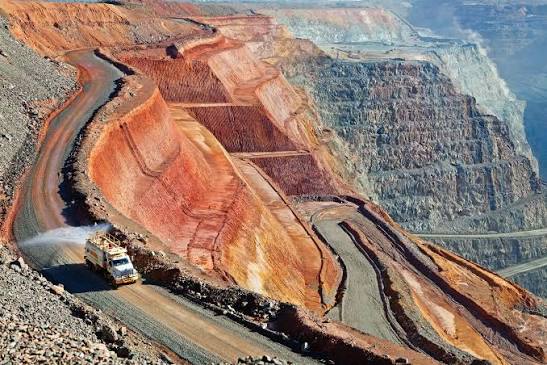
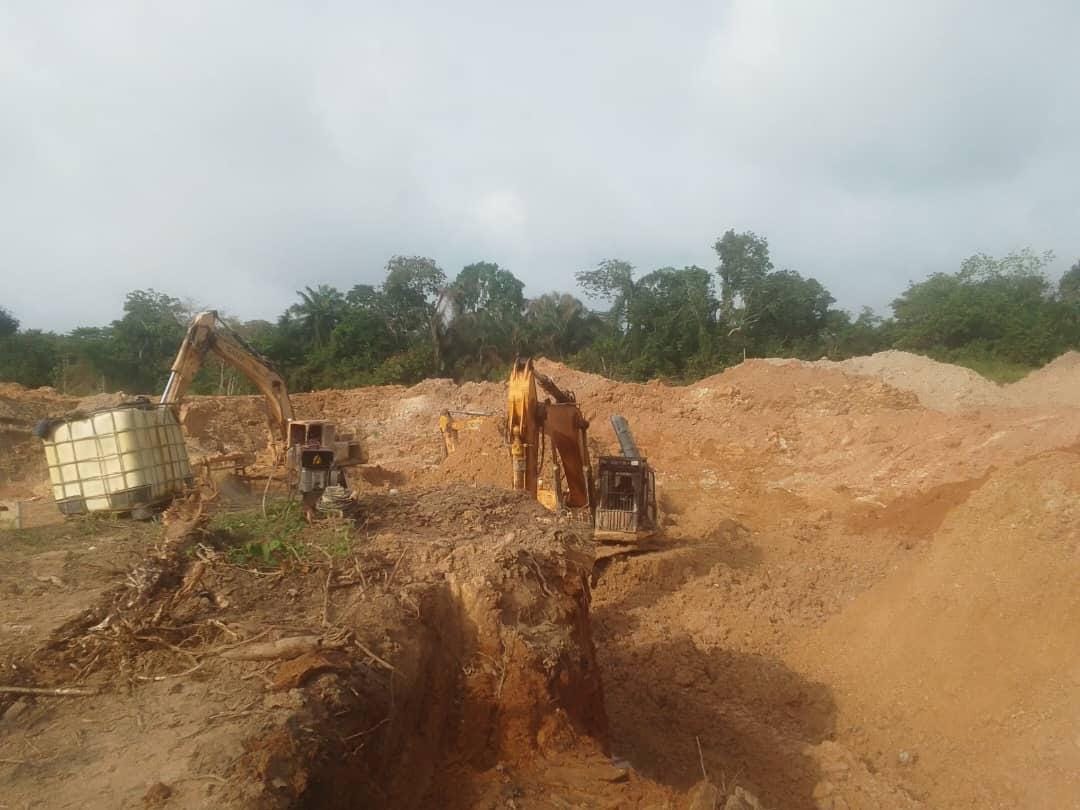
Building roads and bridges Both residential and commercial structures Quarrying and mining Agriculture Gas and oil Renewable energy and utilities Logistics and ports
To anticipate future equipment utilization, examine government infrastructure expenditures, contractor activity, mining investments, and local project pipelines.
Select the Appropriate Equipment
The return on investment of each machine varies.
High-demand gear frequently consists of:
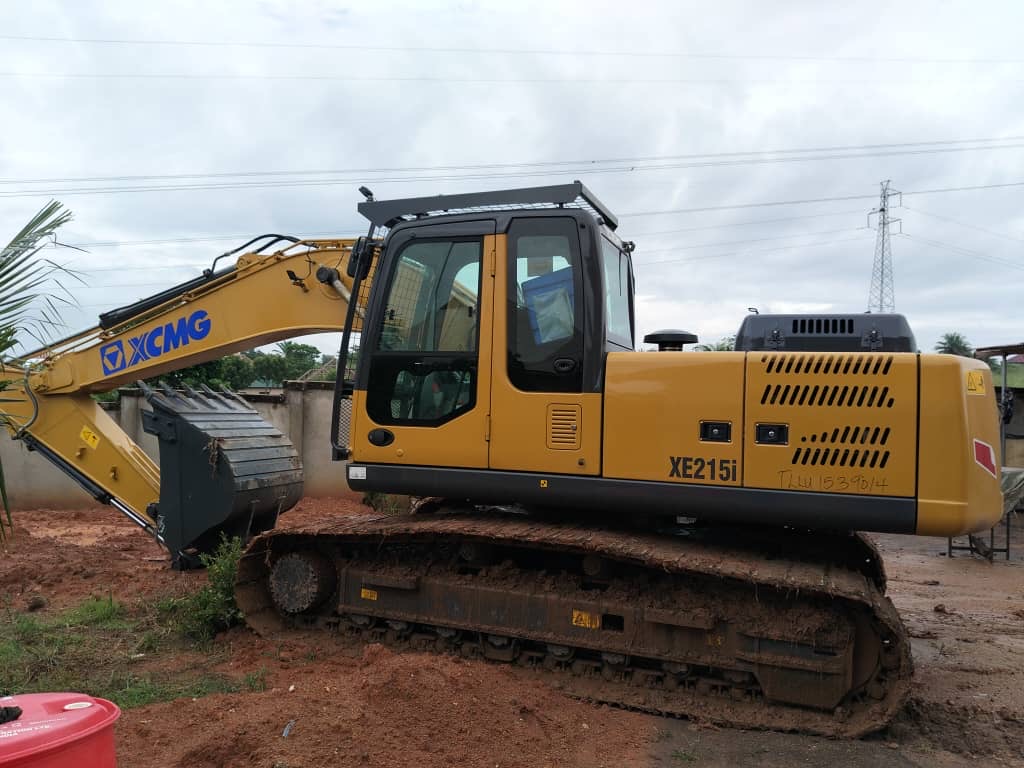
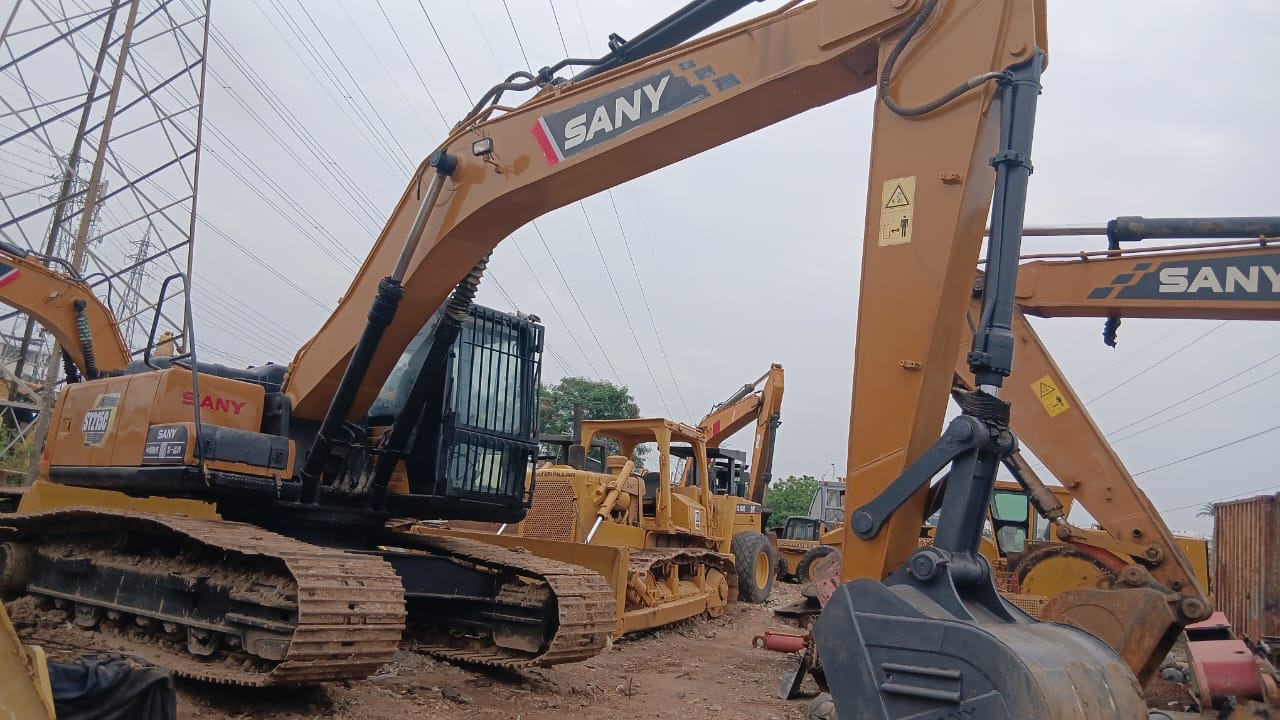
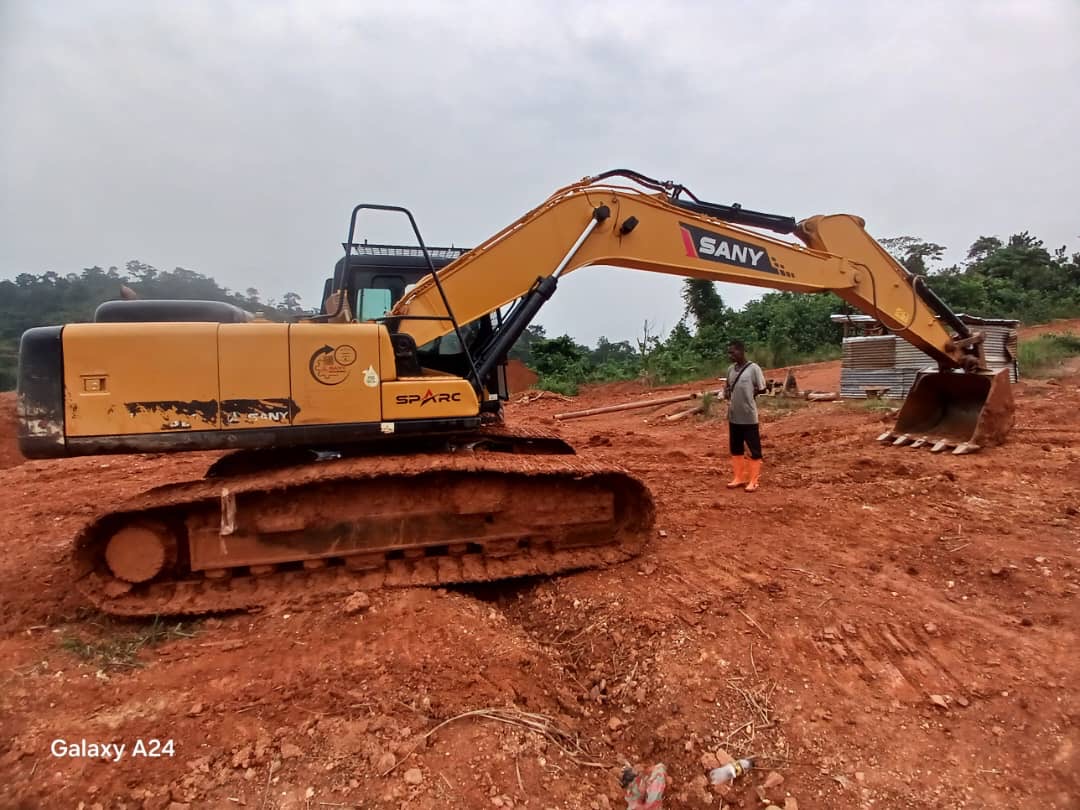
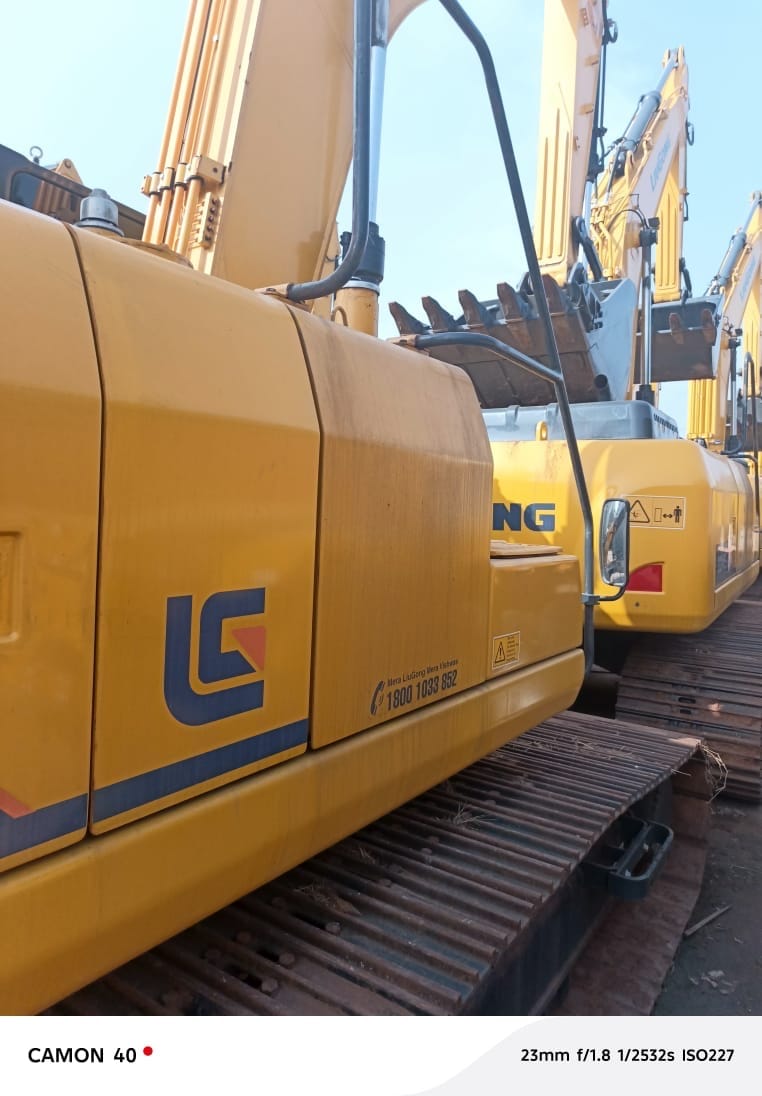
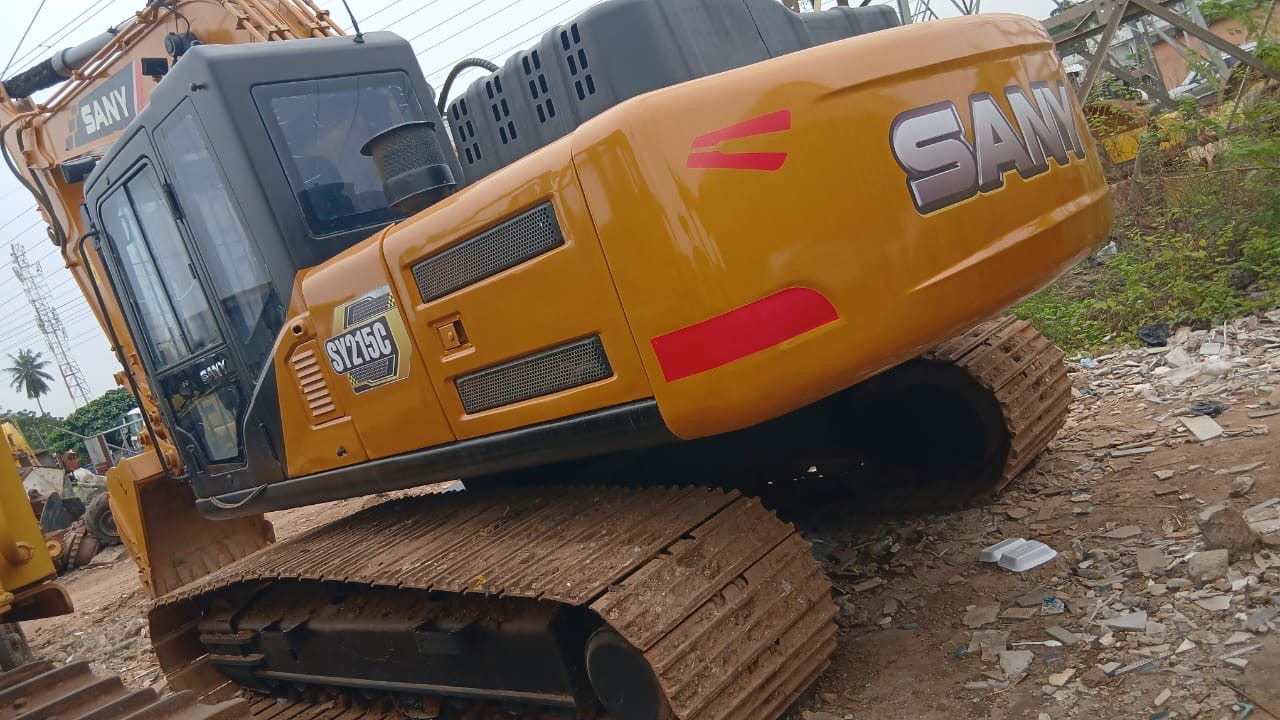
The excavator Wheel loaders Bulldozers Loaders for backhoes Graders for motors Loaders with skid steer Cranes on wheels Dump trucks Telehandlers and Compactors
The sectors you plan to service, operating conditions, and local demand all influence the best option.
Purchase Used or New?
There are benefits to both choices.
New Equipment
Advantages
Manufacturer’s guarantee The newest technology Reduced upkeep expenses Increased fuel economy Increased dependability
Cons:
Increased cost of buying Quicker depreciation in the early stages of ownership Used Equipment
Advantages
Reduced initial outlay Depreciation that is slower quicker return on investment in the event of high usage
Cons:
Increased risk of maintenance Restricted guarantee Unknown operating history if not thoroughly examined
Many of these hazards can be mitigated by buying certified old equipment from reliable dealers.
Think About the Use of Equipment
Utilization rates play a major role in profitability.
A machine that only makes money a few days a month would find it difficult to pay for financing, insurance, upkeep, and storage.
Investors ought to project:
Monthly anticipated rental days Rates for daily or weekly rentals Costs associated with transportation Fuel usage Upkeep costs Availability of operators (if included)
Stronger returns are typically correlated with higher utilization.
Determine the Total Cost of Ownership
The investment consists of more than just the buying price.
Additional expenses consist of:
Insurance Financing Preventive upkeep Fixes Fuel Replacement tires or undercarriage Transportation Permits and licenses Subscriptions for storage technology (GPS or telematics)
Determining whether an investment will continue to be profitable requires an understanding of overall lifecycle costs.
Examine Your Rental Options
Instead of running their own equipment, many investors make money by renting it.
Rental companies gain from:
Recurring revenue Renting is becoming more popular than buying Fleet adaptability Possibilities to support several industries
However, fleet management, upkeep, customer support, and equipment availability are critical to success.
The Market Is Changing Due to Technology
More and more contemporary heavy machinery consists of:
GPS monitoring Telematics Diagnostics from a distance Monitoring of fuel Predictive upkeep Machine control that is automated semi-autonomous functioning
These technologies can boost resale value, decrease downtime, and increase production.
Recognize Your Financing Options
Financing for heavy equipment can be obtained through:
Loans for equipment Renting Agreements for hire purchase Dealer funding Lending backed by assets
Before making a commitment, evaluate interest rates, terms of repayment, residual values, and tax implications.
Recognize the Dangers
Investments in heavy machinery have a number of risks:
Reduced construction activity due to economic downturns Infrastructure project delays or cancellations Mining demand is impacted by fluctuations in commodity prices. Growing upkeep expenses Theft of equipment Price increases for fuel Environmental or regulatory changes Quick obsolescence of technology
These hazards can be decreased by diversifying between industries and equipment kinds.
Upkeep Preserves Asset Value
To maximize the longevity and resale value of equipment, preventive maintenance is crucial.
Among the best practices are:
Observing service schedules provided by the manufacturer Maintaining thorough maintenance documentation Frequent examinations Using authentic replacement components Educating operators to prevent abuse Telematics-based machine performance monitoring
Generally speaking, well-maintained machinery have less downtime and fetch better resale prices.
Keep an eye on market trends
Investors that are successful monitor:
Plans for investing in infrastructure Activity related to construction Projects to expand mining Rates for renting equipment Rates of interest Fuel costs Values of used equipment Conditions of the supply chain
Investors can make better decisions about fleet expansion and purchases by being informed.
In conclusion
When accompanied by robust market demand, prudent financial planning, and efficient asset management, heavy equipment investments can yield appealing long-term returns. The most prosperous investors concentrate not only on purchasing the appropriate machinery but also on optimizing utilization, managing operational expenses, proactively repairing equipment, and adjusting to market developments. Investors may create a robust and successful portfolio that gains from continuous mining, infrastructure, and construction activities by viewing heavy machinery as a long-term business asset rather than just a purchase.