
This is a thorough analysis of the heavy equipment market in China, including its size, important market segments, competitive environment, current trends, and future prospects.
- Overview of the Market China’s enormous infrastructure, mining, and construction industries have made it the largest heavy equipment market in the world. The market started a correction phase following a boom in 2020–2021 driven by a push for infrastructure and real estate. The crisis in the real estate industry has caused domestic demand to weaken, but this decline has been somewhat countered by high export volumes.
Market Size (Construction Machinery): In terms of industry revenue, the Chinese construction machinery market was projected to be between $150 and $180 billion in 2023, with a notable disparity between record exports and lackluster domestic sales.
Equipment Universe: Excavators (the bellwether product), wheel loaders, cranes, concrete machinery, bulldozers, and motor graders dominate the market. Large hydraulic excavators and mining trucks for coal and mineral mining also make up a sizable portion of the market.
- Important Market Segments and Demand Factors Construction Tools Excavators: Make up the biggest portion (often more than 50% of all unit sales). China was a net exporter in 2023 despite a 25% year-over-year decline in domestic excavator sales due to a 10% increase in exports.
Concrete machinery and cranes are widely used in the construction of bridges and high-rise buildings. Sales of truck cranes and concrete pumps were significantly influenced by the dramatic drop in new real estate starts (down about 20–30% yearly since 2022).
Demand for wheel loaders and small equipment is more steady and is linked to rural construction, agricultural, and municipal projects.
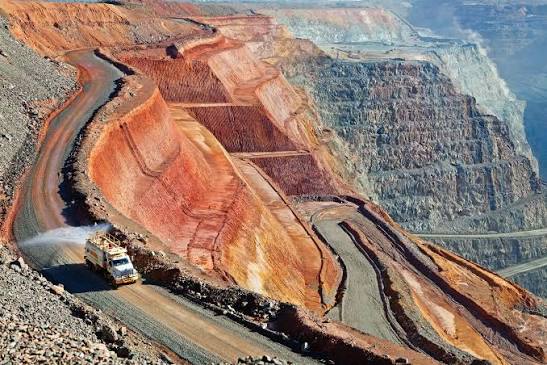
Equipment for Mining Strategic mineral extraction (lithium, copper, rare earths) and coal mining (which continues to dominate China’s energy mix) require large excavators (more than 100 tons) and stiff dump trucks.
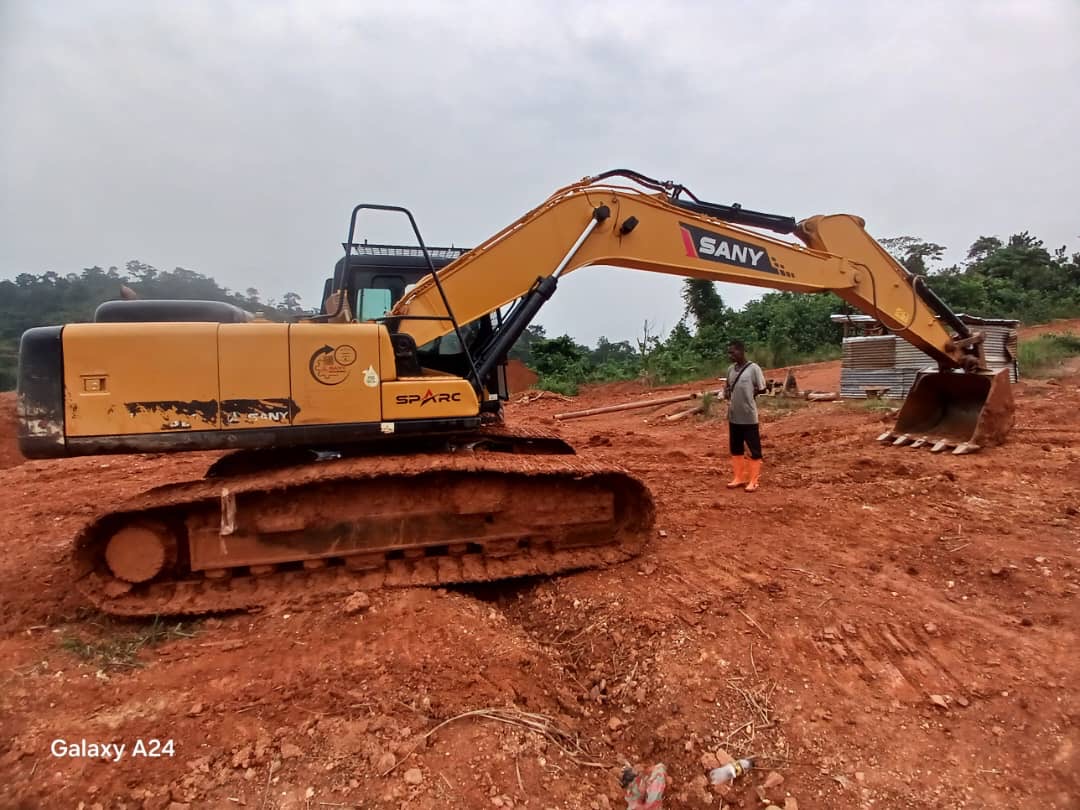
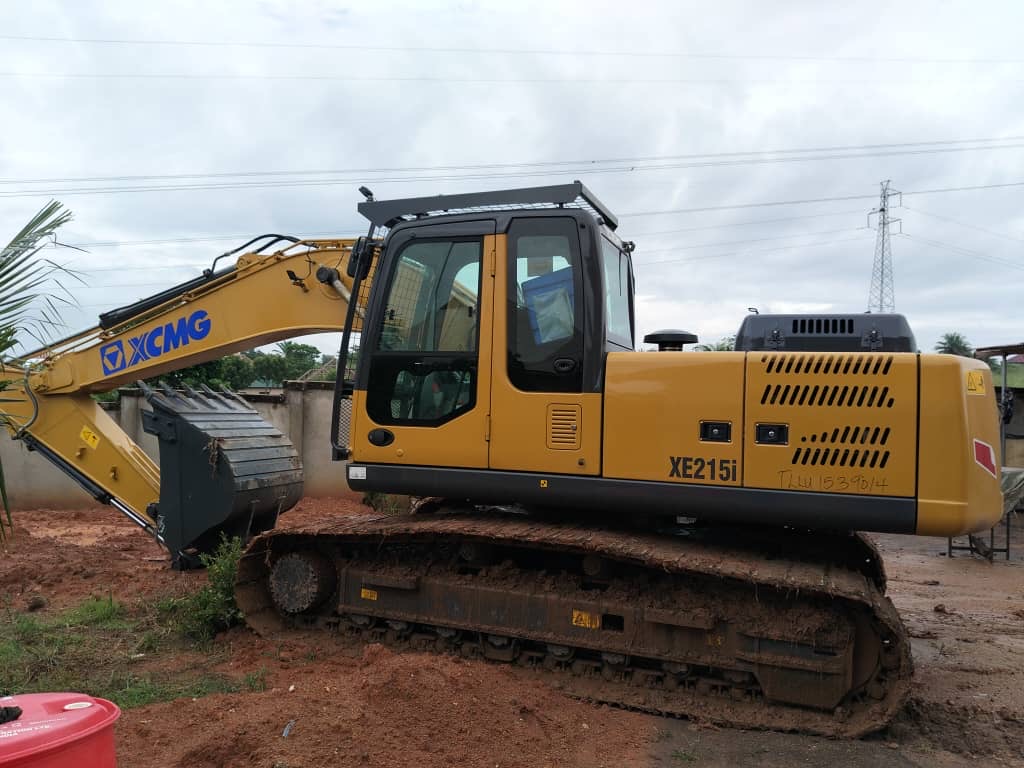
Higher-end equipment replacement demand is being driven by increased emphasis on mining automation and safety improvements, frequently from domestic companies like SANY and XCMG.
Energy & Infrastructure The primary driver of domestic demand is now government stimulus in infrastructure (high-speed rail, water conservation, renewable energy bases).
Solar farm construction and wind turbine installation (crawler cranes weighing more than 800 tonnes) are promising projects that call for specialist lifting and earthmoving machinery.
- China as a Global Supplier: The Export Boom Since 2021, the fast globalization of Chinese OEMs has been the most revolutionary trend:
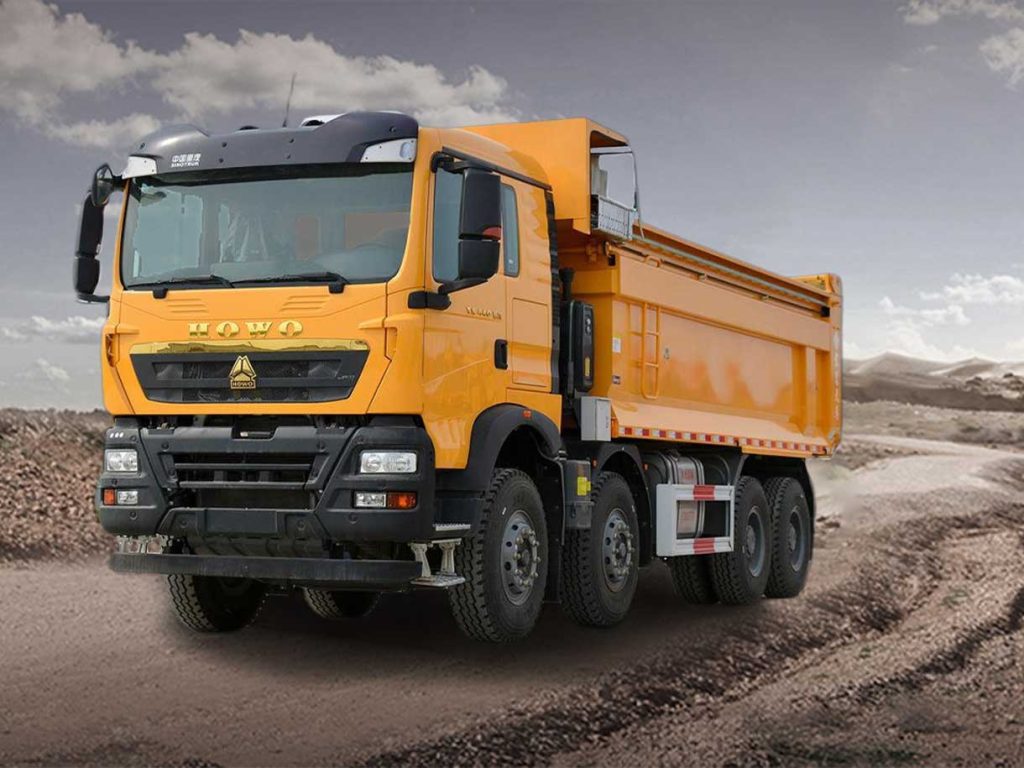
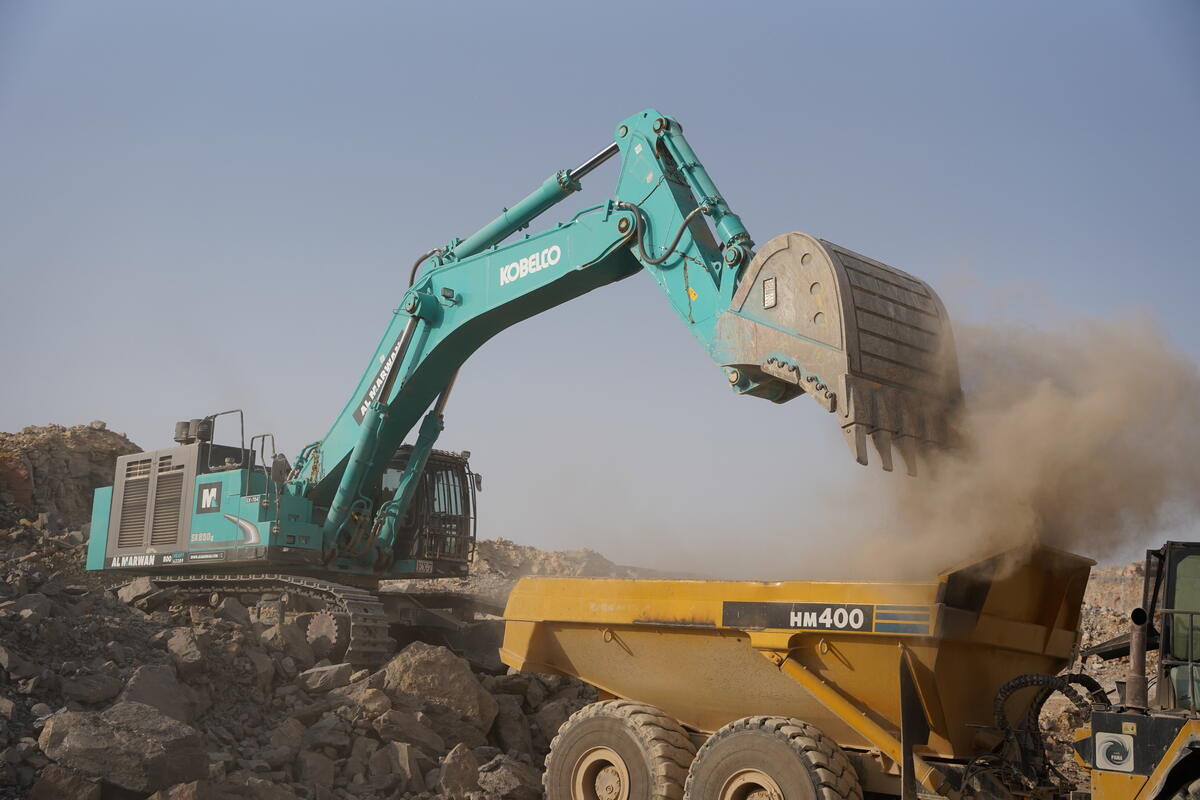
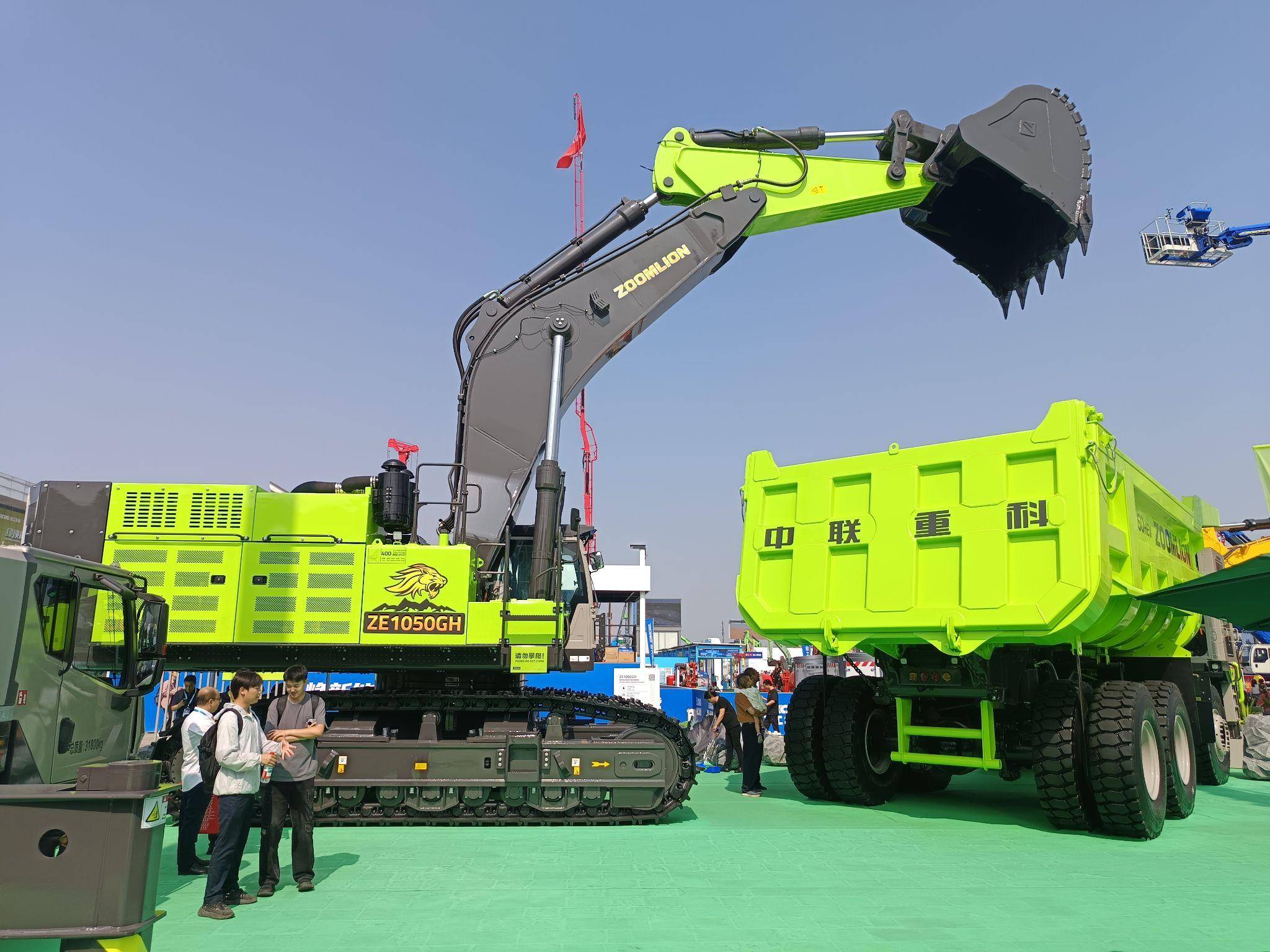
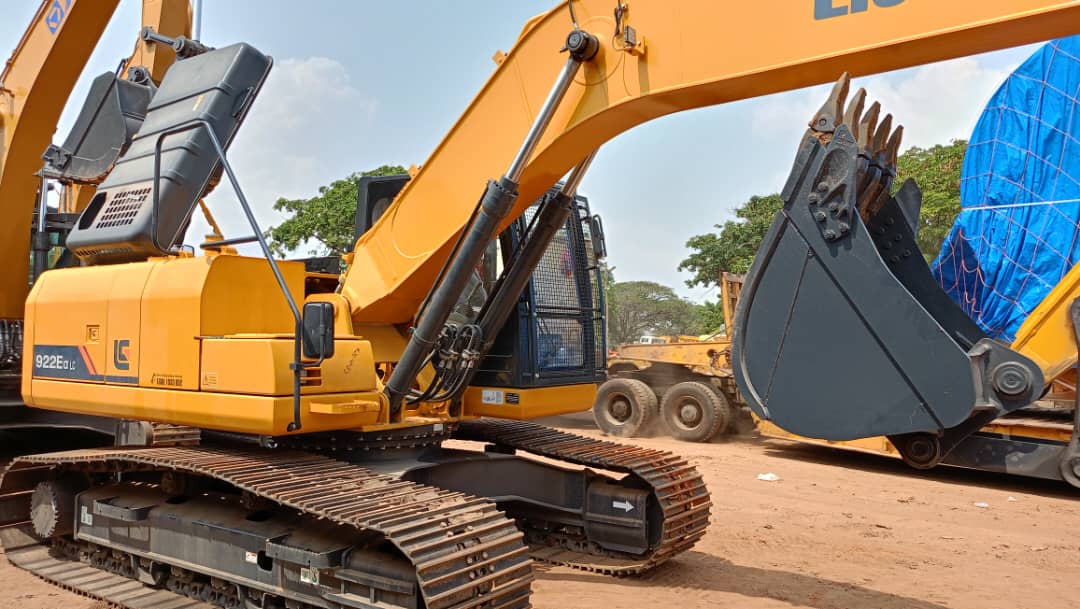
Export Volume: For the first time, China’s exports exceeded its domestic sales in 2023 with over 100,000 excavators.
Russia, Southeast Asia (Indonesia, India), Africa, the Middle East, and Latin America are important export markets. The void left by Western OEMs pulling out of Russia has been filled by Chinese firms.
Competitive advantages include better quality, aggressive dealer networks, and a price-to-performance ratio (Chinese excavators are sometimes 30–40% less expensive than premium competitors). In emerging markets, SANY’s excavators now compete with well-known Korean and Japanese brands.
- The Competitive Environment Three tiers can be distinguished within the market:
Market Position of Tier Representative Brands Domestic giants that control over 60% of the excavator market are SANY Heavy Industry, XCMG, Zoomlion, LiuGong, and Shantui. aggressively growing abroad. Since 2020, SANY has been the leading manufacturer of excavators in China and the world by volume. Strong in heavy mining equipment and ultra-large excavators (≥50t), international premium manufacturers include Caterpillar, Komatsu, Hitachi Construction, Volvo CE, and Liebherr. When it comes to premium mining trucks and loaders, Caterpillar is the industry leader. Niche loyalty is maintained via superior branding, cutting-edge hydraulics, and aftermarket services. New Rivals Lonking, Sunward, and Lovol (Weichai Group) concentrate on lower-medium power ranges and specialist markets (e.g., Sunward in piling and small excavators). fiercely competing on price. Important Alliances & M&A:
Zoomlion and XCMG have sought overseas acquisitions and mixed-ownership reform (e.g., Zoomlion’s acquisition of German concrete pump manufacturer Putzmeister years ago, and more recently growth into aerial work platforms).
Due to intense price competition, foreign companies like Hitachi and Volvo are localizing production while losing market share in the mainstream 20–30t excavator class.
- Trends in Technology Electrification: When it comes to electric construction equipment, China leads the world. Electric excavators, loaders, and mining trucks are mass-produced by SANY, XCMG, and LiuGong. Battery swapping and less expensive domestic lithium-iron-phosphate (LFP) batteries have made electric wheel loaders (5-ton class) and electric dump trucks in mines commercially feasible.
Autonomy & Digitalization: Large-scale open-pit coal mines use unmanned mining trucks (XCMG’s ZNK series, SANY’s autonomous rigid dumpers). For hazardous areas, 5G-enabled remote operation of cranes and excavators is being commercialized.
Green & Smart Regulations: Older vehicles are being replaced with compliant diesel models as a result of China’s Stage IV emission rules, which are comparable to Tier 4 Final/Stage V.
- Difficulties & Obstacles Real Estate Meltdown: Property development, the main engine of previous cycles, is experiencing a protracted downturn. Mid-size excavators and concrete machinery sales have been negatively impacted by the sharp decline in undeveloped land sales and new housing starts.
Intense Price Wars: Domestic OEMs have engaged in aggressive pricing to win market share throughout the downcycle, pressuring profits. Average selling prices for 20t excavators have reportedly plummeted 15–20% from peaks.
Credit & Rental Market Stress: Over-expansion of equipment rental fleets has led to low utilization rates and increased defaults, placing pressure on both manufacturers’ in-house financing arms and third-party leasing organizations.
Geopolitical Risk: Export reliance on Russia involves sanctions risk. Trade obstacles in India and potential anti-dumping investigations in other markets could constrain future export growth.
- Outlook (2024–2026) Domestic Recovery Tepid: Consensus predicts a stabilization rather than a substantial revival in domestic sales. Infrastructure investment will sustain demand, but won’t entirely replace the lost real estate volumes. Annual excavator domestic sales are anticipated to stay around 100,000–120,000 units (down from the >250,000 high).
Exports Stay High but Growth Slows: Due to geopolitical concerns and high base effects, export volume may reach a plateau of 100,000–110,000 excavators annually. Chinese OEMs will stop “selling units” and instead create factories, service networks, and localized supply chains abroad (SANY’s operations in the US, India, and Indonesia).
Electrification and Aftermarket as New Battlegrounds: High-value areas, such as huge mining equipment, electric machines, and service contracts, will progressively generate profits. OEMs will have a sustained advantage if they are proficient in autonomous solutions and battery technology.
Bottom Line: China’s heavy equipment sector is undergoing a fundamental change from an investment-driven, cyclical local market to an export-led, technology-intensive global powerhouse. While near-term headwinds from the property crisis linger, the competitive prowess of Chinese brands in electrification and emerging-market distribution implies a durable global footprint.