
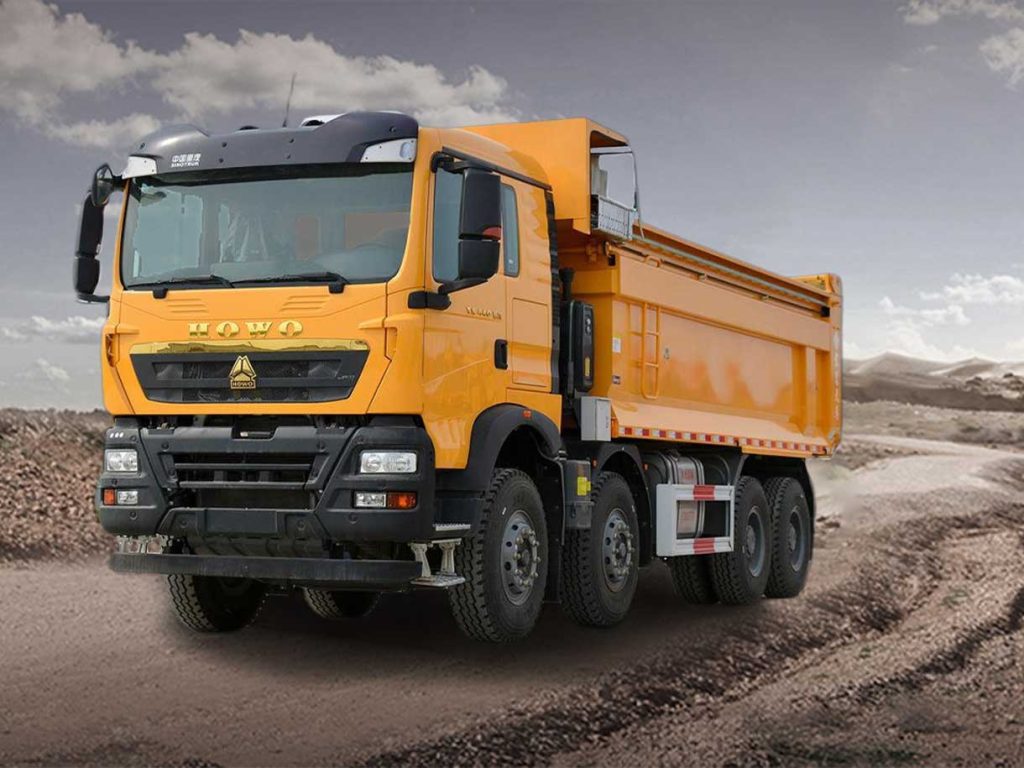
A heavy equipment acquisition isn’t just a purchase; it’s a long-term financial commitment that, if poorly planned, can silently drain your profits for years. The true measure of value lies not in the sticker price, but in the Total Cost of Ownership (TCO) across its working life. To make a sound, data-driven decision, it’s essential to move beyond the purchase price and conduct a complete financial analysis.
Here is your comprehensive guide to mastering heavy equipment investment.
⚙️ Part 1: Critical Pre-Investment Assessment
Before evaluating costs, you must ensure you’re choosing the right tool for the job. The wrong machine will be unprofitable, regardless of how good the financing is.
- Start with a Thorough Needs Analysis: Clearly define your project’s scope—size, terrain, required materials, and production goals. Match the machine type and its physical capabilities (size, power, attachments) to these specific demands.
- Align Machine Size to the Task: Avoid the common TCO trap of “over-sizing” (which wastes fuel) or “under-sizing” (which causes overwork, excessive wear, and higher fuel burn). The right fit optimizes both productivity and operating costs.
- Evaluate Versatility and Depreciation: Backhoe loaders or machines that accept multiple attachments can reduce fleet costs and boost on-site flexibility. For long-term value, new equipment often loses 20-30% of its value in the first year, while well-maintained used machines can offer a stronger ROI due to slower depreciation.
💰 Part 2: Financial Foundations (Financing Options)
If you decide to buy, understanding the financing landscape is crucial. Interest rates in 2025 have been easing, with key benchmarks dropping by nearly 100 basis points earlier in the year, but they remain elevated compared to pre-2020 levels.
Here’s a quick comparison of the main acquisition methods:
Hybrid Strategy: Many successful contractors now use a blended approach—buying core, high-usage equipment like excavators and loaders, while leasing specialized or backup machinery to maintain flexibility and preserve capital.
💡 Part 3: Mastering Total Cost of Ownership (TCO)


Owning a machine is about much more than the loan payment.
- Purchase Price: New equipment typically ranges from 75,000to75,000to500,000+, while quality used equipment can be 25,000to25,000to150,000.
- Financing & Interest: With interest rates between 5%–12% (depending on credit and market), financing can add 10-30% to the total cost over the life of a typical 24-72 month loan.
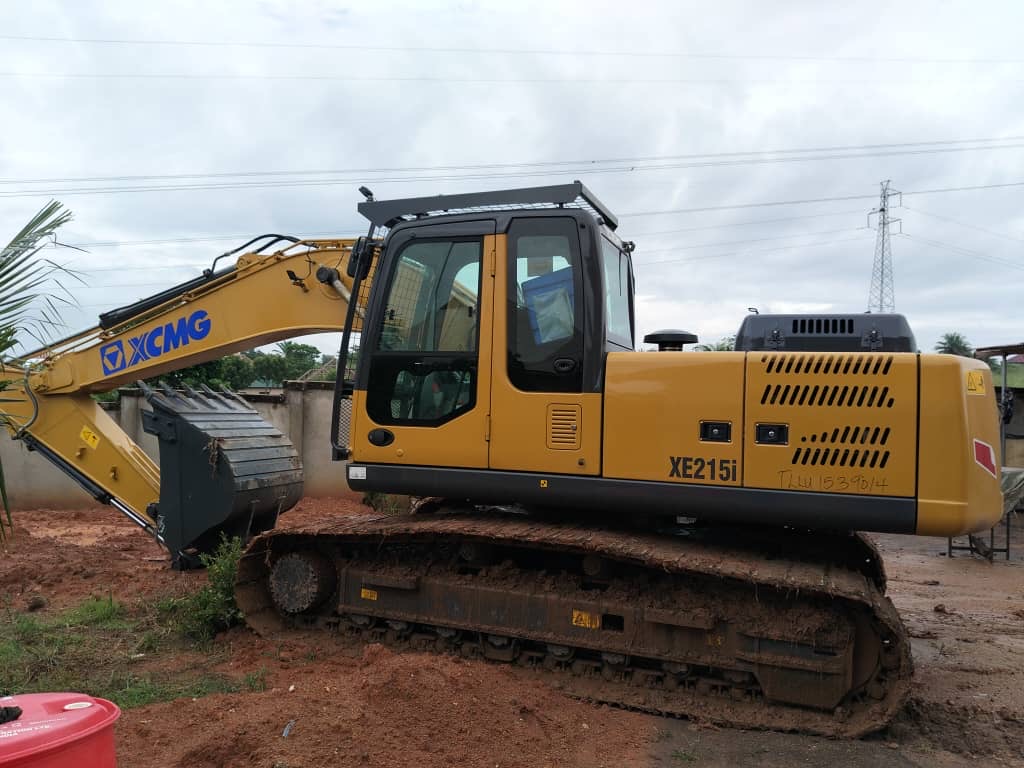
- Fuel: This is the single largest ongoing expense. A skid steer can cost 10–10–25/day to fuel, while an excavator can consume 50–50–150/day. Optimizing operator technique can significantly reduce these costs.
- Maintenance & Repairs: Budget for 3,000–3,000–15,000 per year per machine for preventive maintenance and wear parts like tracks and tires. Proactive, planned maintenance prevents costly emergency breakdowns.
- Depreciation: The “hidden” cost. A 500,000bulldozercouldlose∗∗100,000 in value in its first year**.
- Insurance & Compliance: Add another 1,000–1,000–5,000 per year per machine for insurance, permits, and inspections.
- Downtime: The most frequently ignored and dangerous cost. A single breakdown can cost 500–500–5,000 per day in idle workers, project delays, and penalties.
📊 Part 4: Acquisition Strategy (Buy, Lease, or Rent)
The choice depends on how often you use the asset. A simple rule of thumb is: if you use equipment more than 60% of the time, you should likely buy it. For occasional, specialized, or back-up equipment, renting or leasing is often more cost-effective.
To eliminate guesswork, leverage powerful tools designed to maximize profitability:
- Cat Value Simulation Tool: A web-based application that uses your real-world data to calculate ROI and compare scenarios (e.g., rebuilding a loader vs. buying new).
- ROI Calculators: Templates like the Paperform ROI tool allow you to input costs, rental rates, and utilization data to instantly see break-even timelines and total cost comparisons.
🧮 Part 5: Calculating Return on Investment (ROI)
Calculating ROI allows you to make apples-to-apples comparisons between equipment types, financing options, and purchase vs. rental decisions.
ROI Formula: (Revenue Generated - Total Ownership Cost) / Total Ownership Cost.
A simplified example: A contractor using a skid steer for 12 jobs per month, generating $2,000 profit per job, would see the machine pay for itself in 6-12 months.
📈 Part 6: Looking Ahead – The 2026-2032 Market Outlook
The market for construction machinery is on a clear upward trajectory. After a cyclical adjustment, a return to steady growth is expected to begin in 2026, driven by global infrastructure investment and population growth, with a new peak expected in the early 2030s.
Here are key trends shaping the market:
- Market Growth: Valued at 232.54billionin2025∗∗,it′sprojectedtoreach∗∗232.54billionin2025∗∗,it′sprojectedtoreach∗∗345.79 billion by 2032 at a CAGR of 5.83%.
- Geographic Expansion: In early 2026, Chinese exports surged 33.4% year-on-year, with growth of 77% to Africa and 50.6% to Oceania.
- Electrification: Electric wheel loaders are rapidly gaining market share in China, driven by policy and lower operating costs.
- Telematics & Data: Real-time data on fuel burn, idle time, and maintenance schedules is now a standard method for controlling TCO.
- Sustainability: There is a strong shift toward Euro 4 and other low-emission standards for regulatory compliance and efficiency.
- Technology: Automation and semi-automated control systems are being integrated to improve fleet utilization and reduce TCO.
- Financial Accessibility: Loans, leases, and lines of credit are widely available. In the U.S., nearly 75% of contractors report leasing some equipment.
⚠️ Part 7: Mastering Risk Management in Equipment Investment
Capital preservation and risk mitigation are crucial when investing in heavy equipment. A robust strategy protects against common profit-killers.
- Market and Economic Risks: Monitor industry and macroeconomic trends (e.g., 2026 is a “replacement year” for excavators, and the industry is expected to enter an upswing). Counter-cyclical buying (purchasing during downturns) can be a smart strategy.
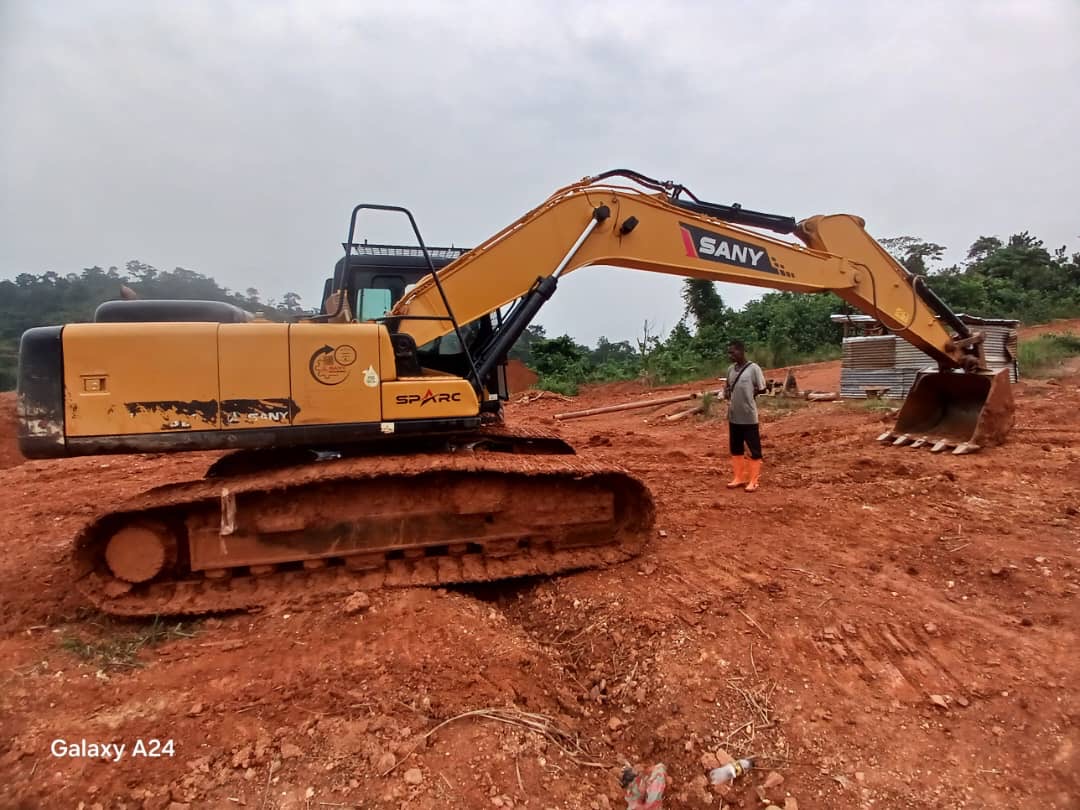
- Resale Value and Brand Reputation: Choose brands like Komatsu, Volvo, Caterpillar, and Sany for their high resale value. Protect this value with meticulous service records that document all maintenance and repairs.
- Counter-Party Risk: Vet your suppliers for reliability to ensure quality, warranty coverage, and access to genuine spare parts. In financing, partner with lenders who understand your industry.
- Operational Risks: Operator technique impacts 30%+ of fuel costs. Offer incentives for efficiency and avoid leaving machines idling for extended periods.
- Regulatory and Obsolescence Risk: Look ahead. Electrification is accelerating rapidly, which could impact the resale value of older diesel models. Ensure your investment horizon aligns with future regulatory environments.
✅ Part 8: Final Checklist for a Smart Investment
Before signing on the dotted line, ensure you can answer “yes” to these essential questions:
- Project Alignment: Does this machine precisely match your project’s scale and application requirements?
- TCO Clarity: Have you calculated the complete 5-Year TCO, including maintenance, fuel, depreciation, and potential downtime?
- Utilization Justification: Will this equipment be used for more than 60% of available operating hours to justify buying over renting?
- Inspection & Technology: Has the machine (especially if used) been thoroughly inspected by a qualified expert, and does it incorporate modern, fuel-efficient technologies?
- Financing Fit: Does the chosen financing option (loan vs. lease) genuinely align with your long-term tax and cash flow strategy?
- Resale Strategy: Have you proactively researched the equipment’s projected residual value and built an exit plan into your financial model?
- Market Timing: Have you considered current market dynamics, such as the benefits of buying during a cyclical downturn and selling during an upswing?
This guide provides a robust framework for navigating the complexities of heavy equipment investment. By mastering TCO and aligning your strategy with long-term financial goals, you can transform your fleet from a source of hidden costs into a powerful engine for profit.