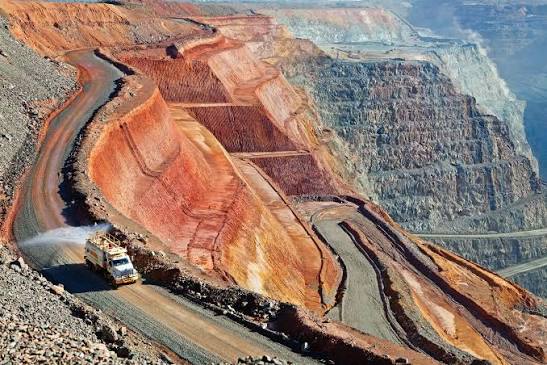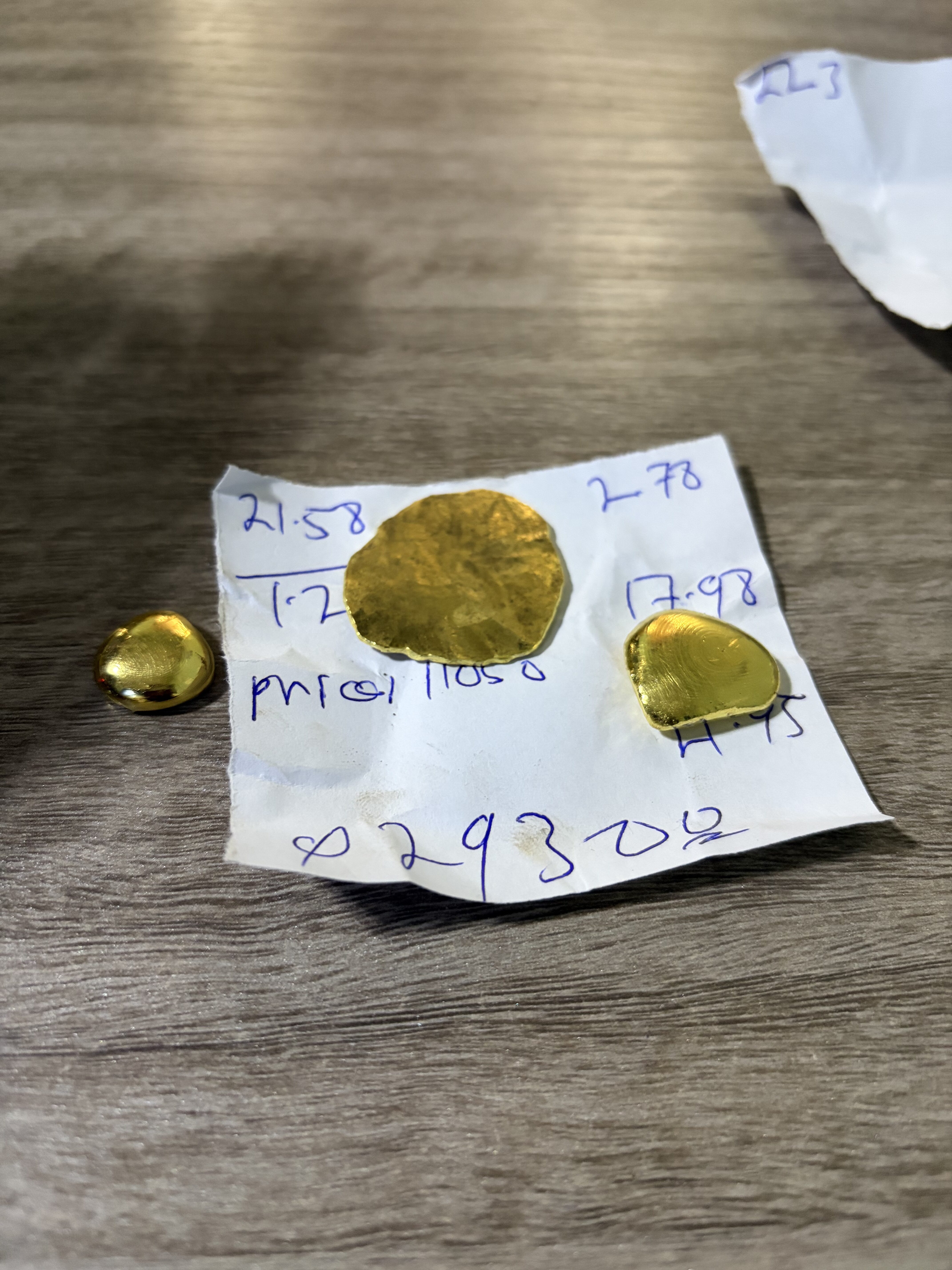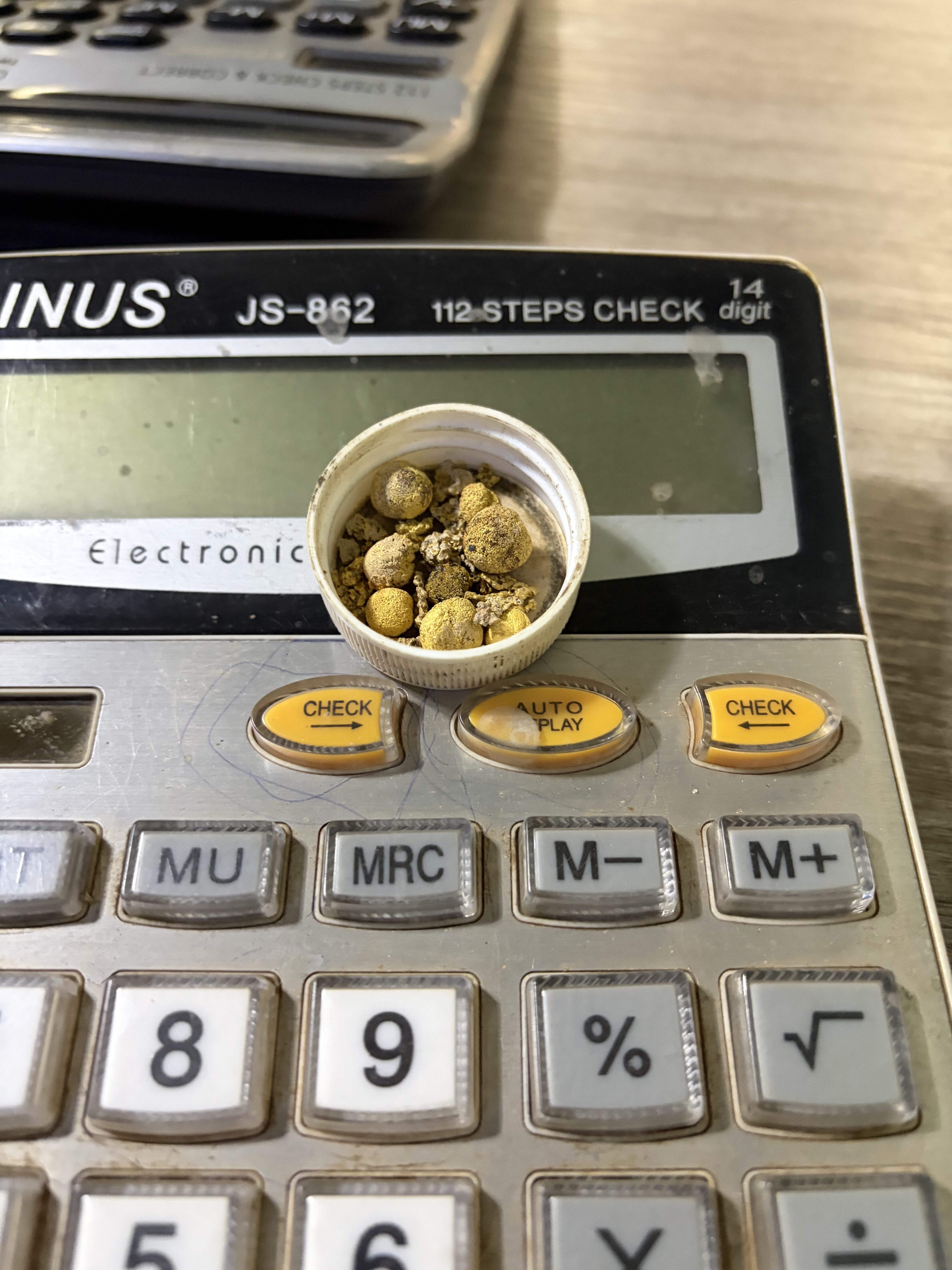


Australia’s gold mining market is experiencing a historic boom, underpinned by record-high gold prices and surging export volumes. The industry is on track to become the nation’s second-largest export earner, reflecting its critical role in the national economy.
📊 Market Size & Forecast
- Market Size: In 2025, the gold ore mining industry was valued at 37.9 billion∗∗, following a 25.939.9 billion in the 2025-26 financial year.
- Export Earnings: Gold export earnings reached 2024-25 and are forecast to climb to 47 billion in 2024-25 and are forecast to climb to 60 billion∗∗ in 2025-26 and $74 billion in 2026-27.
⛏️ Production & Output
- Current Production: National output is projected to increase from 293 tonnes in 2024-25 to 369 tonnes in 2026-27. In the calendar year 2025, output is estimated to have been 303 tonnes (approx. 9.75 million ounces), generating $71 billion in value.
- Key Mines: 2025 saw increased production at several major sites, with notable contributions from mines operated by Newmont, AngloGold Ashanti, and Regis Resources.
- Long-term Outlook: Production is predicted to increase at a 5.4% CAGR between 2025 and 2030, reaching 13.2 million ounces.
🗺️ Key Drivers
- Soaring Gold Price: The price surged past record highs, including a peak above US4,549/oz∗∗intheDecember2025quarter[reference:8].ForecastsfrommajorinstitutionssuchasUBSandArgonautpointtopricesreachingbetween∗∗US4,549/oz∗∗intheDecember2025quarter[reference:8].ForecastsfrommajorinstitutionssuchasUBSandArgonautpointtopricesreachingbetween∗∗US3,900/oz and US$5,000/oz by 2026.
- Safe-Haven Demand: Persistent global economic uncertainty and geopolitical tensions have driven investors to gold as a stable asset.
- Exploration and Investment: Fueled by high prices, gold exploration spending surged to A431.5million∗∗intheSeptember2025quarter,a45431.5million∗∗intheSeptember2025quarter,a453.49 billion in new capital flows.
📉 Challenges & Headwinds
- Rising Operating Costs: All-in sustaining costs (AISC) are rising due to inflation, labor shortages, and energy prices. For the 2026 financial year, costs for major producers are forecast to rise, with Northern Star Resources expecting AISC of A$2,300–2,700 per ounce.
- Supply Chain & Labor Issues: The industry continues to navigate supply chain disruptions and a tight labor market, which intermittently hamper production.
- Export Earnings Outlook: Despite gold’s rise, total Australian resources and energy export earnings are forecast to decline slightly from A385billion∗∗(2024−25)to∗∗A385billion∗∗(2024−25)to∗∗A369 billion (2025-26), due to falling prices for other commodities like iron ore.
🏢 Market Structure & Key Players
- Concentration: The market has moderate concentration, with Northern Star Resources holding the largest share. Other major players include Newmont Australia, Evolution Mining, AngloGold Ashanti Australia, Gold Fields, and the now-acquired Newcrest Mining.
- Business Landscape: Australia is home to 1,006 gold companies, with Western Australia being the dominant hub, hosting 55% of all such companies in the country.
🔄 M&A & Investment Activity
The high gold price environment has spurred strong M&A activity and capital inflows.
- M&A Deals: The 2025 financial year saw $18.7 billion worth of mining deals completed, reflecting strong capital flows into Australian resources.
- Exploration Funding: There was a notable “aggressive rush of capital” into the exploration sector. Gold exploration remained the largest contributor to financing, with 21 explorers raising A$552.5 million in the September 2025 quarter alone.
- Company Valuations: The combined market value of ASX-listed gold miners jumped from 45billion∗∗atthestartof2024to∗∗45billion∗∗atthestartof2024to∗∗146 billion (excluding Newcrest).
✨ New Projects & Exploration
- Major Projects: The development of Northern Star Resources’ Hemi gold mine, expected to produce over 500,000 ounces per year, is a key catalyst for future growth.
- Exploration Hotspots: While Western Australia remains the primary region, exploration activity saw significant growth in New South Wales and South Australia during the September 2025 quarter.
💼 Employment & Workforce
The industry is a significant employer, supporting approximately 22,196 employees as of 2025.
📈 Cost & Profitability Dynamics
- Revenue Growth: Overall, gold ore mining revenue is expected to have increased at an annualized rate of 5.7% over the five years through 2024-25, driven by high prices.
- Profit Margins: Despite rising costs, the extremely high gold prices have allowed miners to maintain profitability expansion and are expected to deliver strong free cash flow yields (6-8% by FY27-28), though margins may come under pressure if costs outpace price gains.
⚖️ Policy & Regulatory Environment
- Pro-Mining Stance: The government’s framework is focused on supporting the sector through initiatives like the A3.4 billion “Resourcing Australia’s Prosperity” plan and the A1.2 billion Critical Minerals Strategic Reserve to accelerate mineral discovery.
- Streamlining Approvals: The 2026-27 Federal Budget includes A$105.9 million to expedite environmental approvals, aiming to reduce project bottlenecks.
- Tax and Energy: The Chamber of Minerals and Energy (CME) has urged the government to avoid new taxes, including a proposed 5% net cashflow tax, and to address high energy costs to maintain global competitiveness.
If you would like a deeper analysis of a particular area, such as the leading companies or the latest exploration projects, please let me know.