
Here is a comprehensive China Construction Market Analysis for 2026, based on the latest available data, forecasts, and policy direction.
🇨🇳 China Construction Market Analysis (2026)
1) Market Overview
China remains the world’s largest construction market, but 2026 marks a transition year from high-growth to stabilization and restructuring.
- Market growth expected: ~2–3% recovery in 2026 after a weak 2025
- Long-term CAGR (2025–2033): ~5%
- Economic growth target: 4.5%–5% GDP
👉 Key takeaway:
The sector is no longer driven by speculative housing, but by infrastructure, industrial upgrades, and sustainability projects.
2) Key Segments Breakdown
🏗️ A. Residential Construction (Weak but Stabilizing)
- Property sector still in a multi-year downturn (since 2020)
- Home prices continue falling into 2026 (expected recovery ~2027)
- Forecast:
- Property sales / starts / investment: -5% to -10% in 2026
However:
- Growth supported by social housing & government intervention (~5.3%)
👉 Trend shift:
- From commercial housing → affordable housing & rental markets
🚧 B. Infrastructure Construction (Primary Growth Driver)
- Major government stimulus via infrastructure:
- ~$42B approved projects early 2026
- Fixed asset investment rebounding (+1.8%)
Key sub-sectors:
- Transport (rail, highways)
- Energy (renewables, grid upgrades)
- Urban infrastructure (pipelines, smart cities)
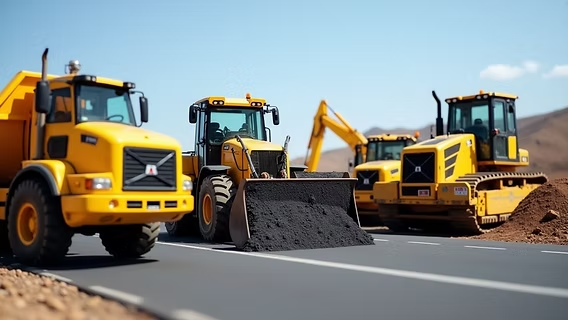
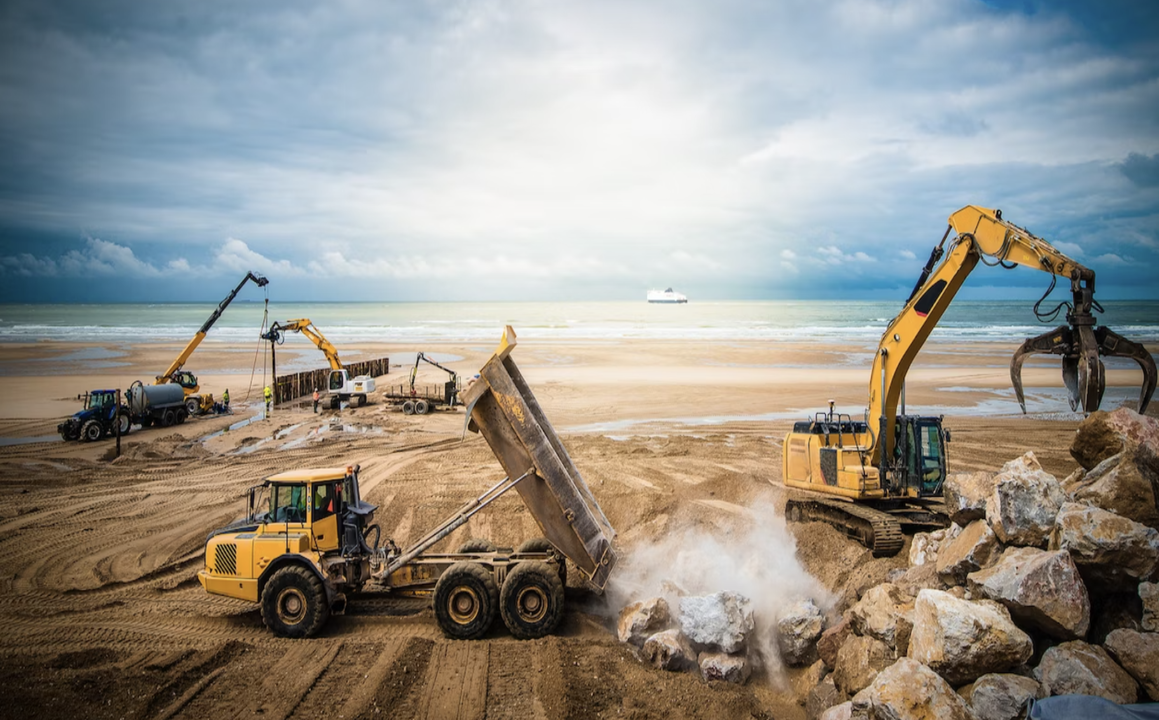
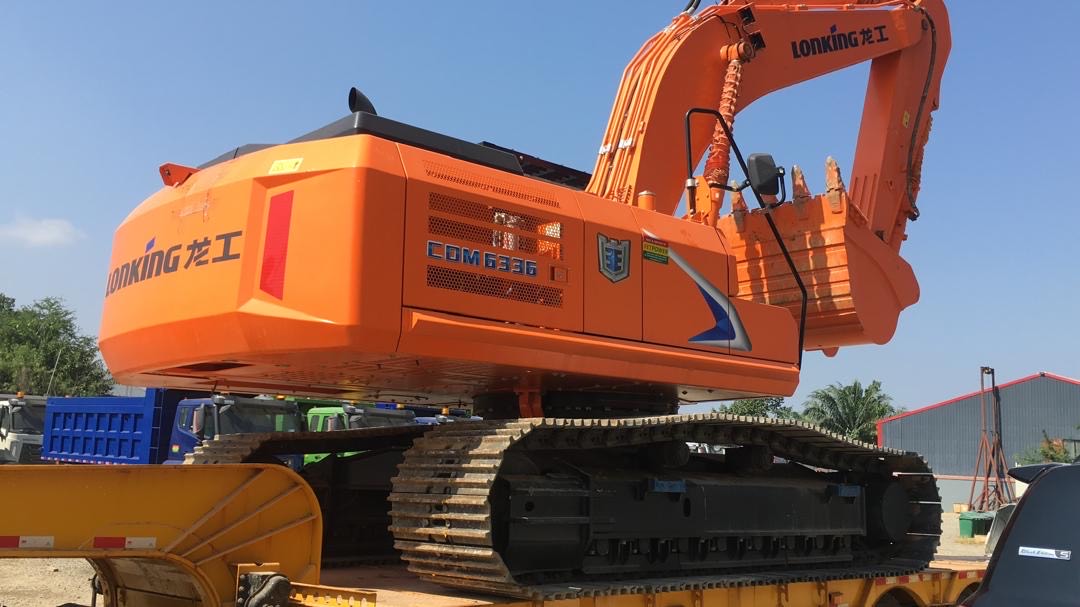
👉 Infrastructure is now the backbone of construction demand in China.
🏭 C. Industrial & High-Tech Construction (Fast-Growing)
Driven by:
- Manufacturing upgrades
- Semiconductor & AI facilities
- Energy transition (EV, batteries)
Policy direction:
- Focus on self-reliance and industrial capacity
👉 This is one of the fastest-growing construction segments in 2026.
🌱 D. Green & Sustainable Construction
- Strong push for:
- Low-carbon buildings
- Energy-efficient infrastructure
- Net-zero targets shaping building standards
👉 Sustainability is becoming mandatory, not optional.
3) Key Market Drivers
✅ 1. Government Policy (15th Five-Year Plan: 2026–2030)
- Shift toward:
- “High-quality development”
- Urban renewal
- Affordable housing
- Infrastructure resilience
✅ 2. Urbanization & Demographics
- Continued (but slower) urban migration
- Aging population reshaping housing demand
✅ 3. Infrastructure-Led Growth Model
- Compensates for weak real estate
- Supports economic stability
✅ 4. Technology Adoption
- Smart cities
- BIM (Building Information Modeling)
- Modular construction
4) Key Challenges
❌ 1. Real Estate Crisis (Structural, Not Cyclical)
- ~40% property price decline (2021–2025)
- Oversupply in lower-tier cities
- Developer debt crisis continues
👉 This is the biggest drag on the entire construction sector.
❌ 2. Weak Domestic Demand
- Low consumer confidence tied to housing slump
❌ 3. Financing Constraints
- Tight credit for developers
- Local government debt pressure
❌ 4. Regional Imbalance
- Tier-1 cities stabilizing
- Lower-tier cities still declining
❌ 5. Flat Construction Costs
- China is an outlier with minimal cost inflation
👉 Indicates weak demand and pricing pressure.
5) Competitive Landscape
Market Structure
- Dominated by large state-owned enterprises (SOEs)
- Increasing consolidation of weaker private developers
Trends:
- SOEs gaining market share
- Foreign firms face:
- Regulatory complexity
- Localization pressure
6) 2026 Outlook
📈 Short-Term (2026–2027)
- Modest recovery:
- Construction growth: ~2–3%
- Real estate still contracting
- Infrastructure offsets decline
📊 Medium-Term (to 2030)
- Stable growth driven by:
- Infrastructure
- Green construction
- Industrial projects
- Market value projected to expand significantly (multi-trillion USD scale)
7) Strategic Insights
Winners in 2026:
- Infrastructure contractors
- Green building solution providers
- Industrial & logistics construction firms
Under Pressure:
- Residential developers
- Private real estate-led contractors
🧠 Final Conclusion
China’s construction market in 2026 is not collapsing—but transforming:
- ❌ Old model: Property-driven growth
- ✅ New model: Infrastructure + industrial + sustainable development
👉 The sector is entering a “lower growth, higher quality” era, where:
- Government policy matters more than market cycles
- Infrastructure replaces housing as the main driver
- Long-term opportunities remain strong—but more selective
If you want, I can break this down further into:
- Top Chinese construction companies
- Investment opportunities
- Risks for foreign entrants
- Or comparison with Africa / Middle East markets