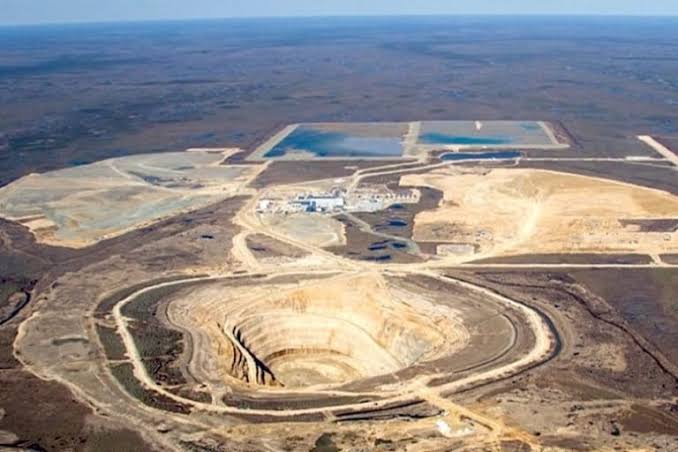

The transportation, handling, and storage of minerals, equipment, and supplies from remote mine sites to end users are all covered by the global mining logistics sector, which is a vital enabler of the mining industry. The market is expanding rapidly due to a number of important variables that are changing the world economy.
📈 Market Size and Growth Prospects
The market’s size and anticipated growth are estimated in a number of market research papers, which illustrate the market’s dynamic nature:
USD 12–33.5 billion in 2024: The market was estimated by several research studies to be worth between USD 12 billion and USD 33.5 billion in 2024.
Anticipated to Reach USD 17–200 Billion by 2031–2035: Forecasts for the next ten years show significant growth, with estimates ranging from USD 17 billion to USD 200 billion by 2031–2035.
Compound Annual Growth Rate (CAGR) of 4.1% to 6.5%: Throughout the projected period, the market is anticipated to expand at a CAGR of 4.1% to 6.5%.
Increased Growth Potential: According to some assessments, the market would reach a size of USD 136.7 billion by 2033 at a compound annual growth rate (CAGR) of 15.1%. This variation highlights the market’s potential and quick evolution.
Important Market Segmentation
The market is split by mineral type, mode of transportation, and service type.
By Service: Inventory management, warehousing and storage, transportation (the largest section), and other value-added services are included.
By Mode of Transportation: Road (such as mining trucks), Rail, Sea (which makes up around 60% of the world’s volume), and Air are the segments.
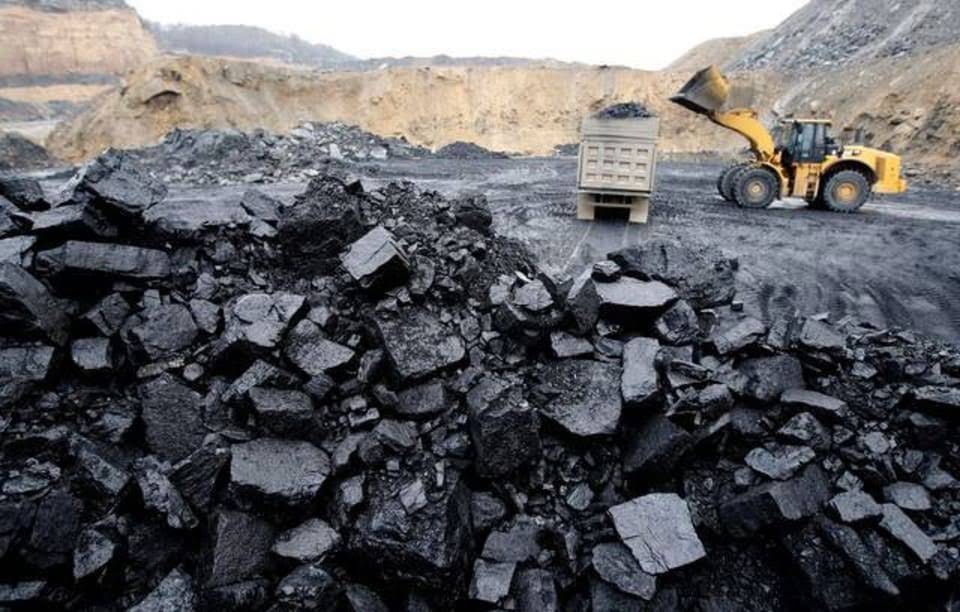
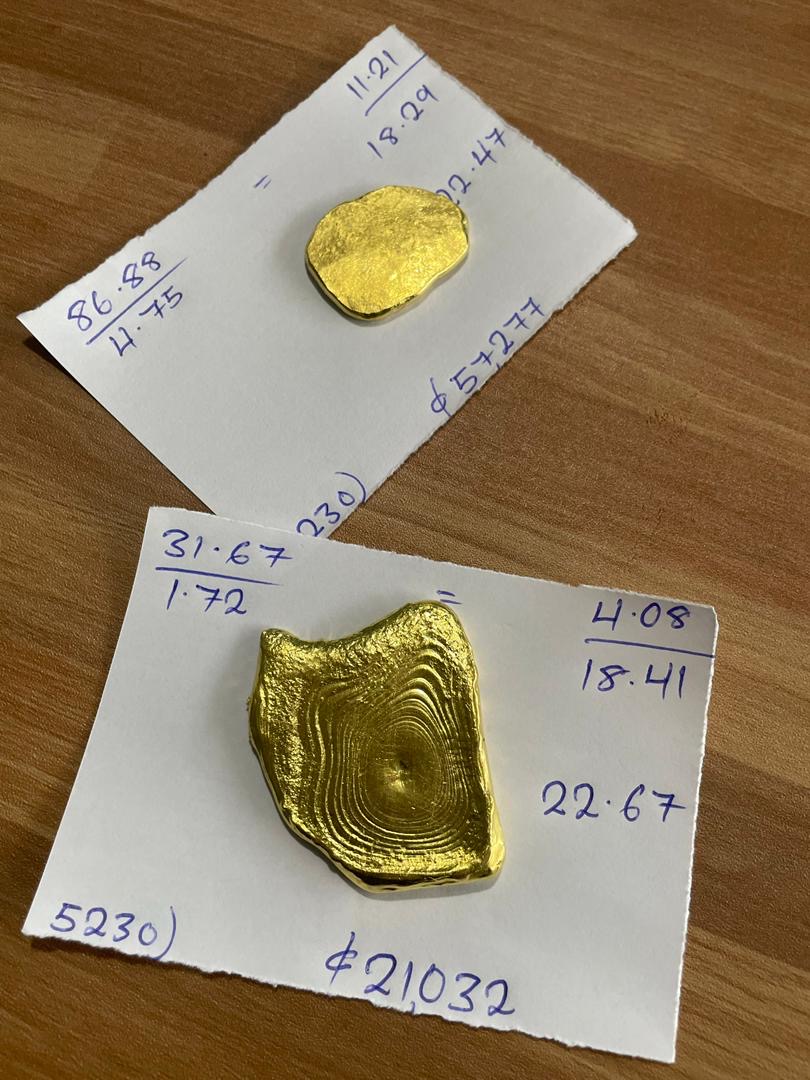
By Mineral Type: The market deals with a variety of resources, such as coal, iron ore, base metals, gold, and other critical minerals that are necessary for the energy transition, such as cobalt and lithium.
🗺️ Regional Market Trends
The worldwide market has unique geographical traits:
With a 41.4% market share in 2025, Asia-Pacific is the leading region. supported by significant infrastructure expenditures and fueled by strong demand from nations like China, Australia, and India.
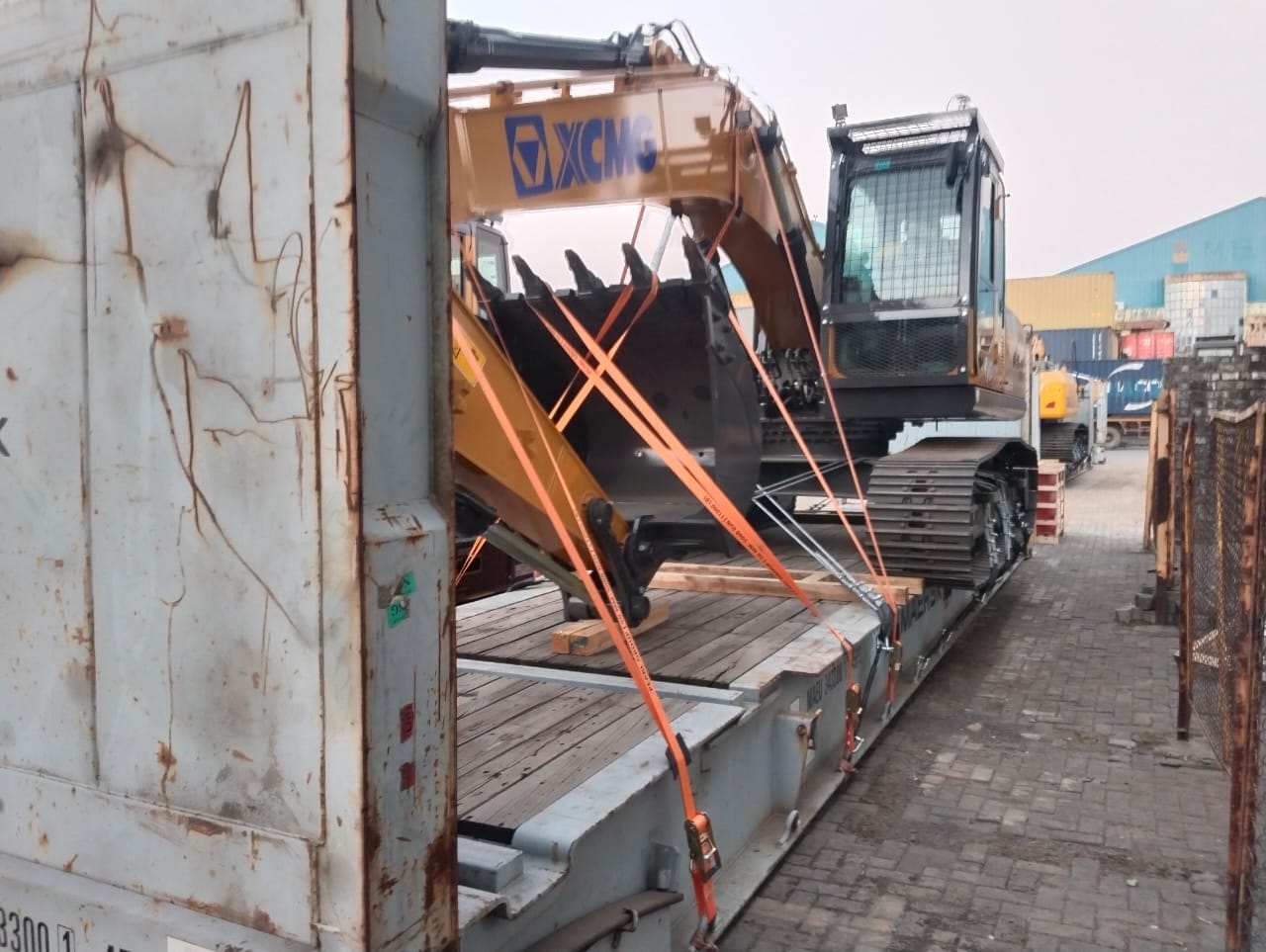
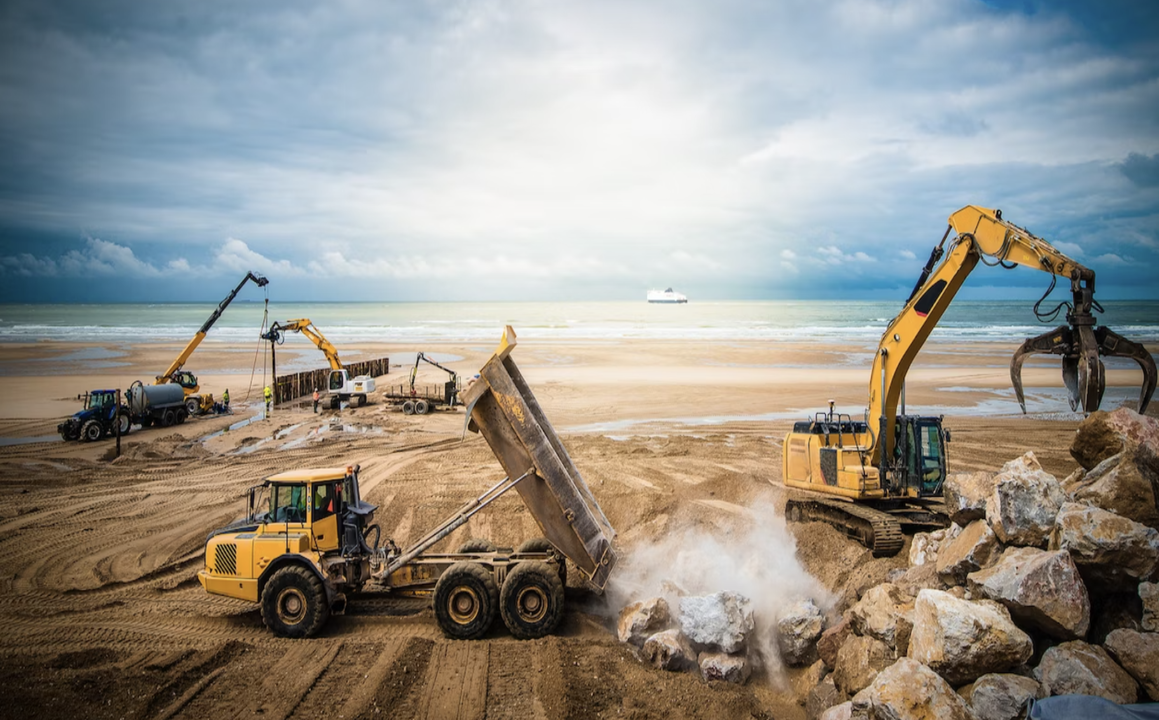

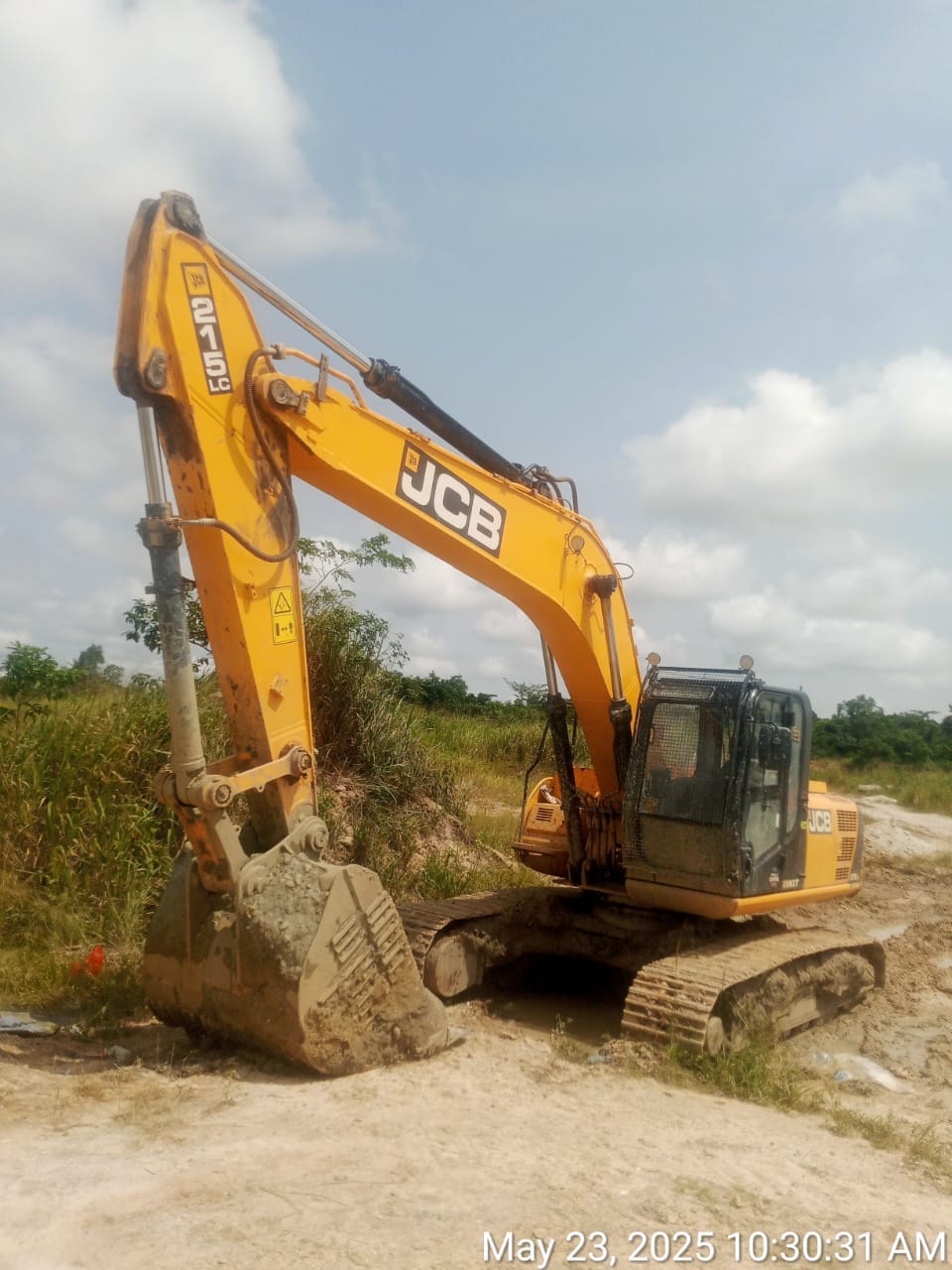
Due to continued expenditures in mining projects and technical improvements, North America and Europe are important markets. The mining truck market is dominated by North America in particular.
Middle East and Africa: This fast-growing region is seeing a rise in mining activity, despite obstacles like outdated infrastructure and logistical difficulties in some places.
Important Market Participants
The market consists of a variety of equipment manufacturers, specialized logistics providers, and mining firms with internal logistics:
Large mining corporations that actively innovate and oversee complex logistics systems include BHP, Rio Tinto, Vale, Anglo American, Glencore, and Coal India.
Leading Logistics Companies: Worldwide mining logistics services are provided by DB Schenker, DSV, A.P. Moller-Maersk, Sinotrans, Nippon Express, CEVA Logistics, and C.H. Robinson.
Specialized Mining Logistics & Equipment Companies: Notable experts include Australia-based Bis Industries, Linfox, and Centurion. The mining truck market is dominated by equipment manufacturers like Caterpillar, Komatsu, Liebherr, and BelAZ.
📊 Industry Trends & Motivators
The future of mining logistics is being shaped by a number of significant trends:
Critical Mineral Demand: The energy shift is driving up demand for minerals like cobalt and lithium, which could necessitate the construction of around 300 new mines by 2035, greatly increasing the volume of logistics.
Technological Disruption: Digitalization (using IoT, AI, and blockchain for efficiency), Autonomous Trucks (market predicted to reach USD 685.90 million by 2032 with an 11.36% CAGR), and Green Logistics (moving toward electric and hydrogen-powered trucks) are some of the key technologies.
Sustainability Focus: In order to lower their carbon footprints and adhere to emissions rules, mining corporations are using green logistics.
⚠️ Principal Difficulties and Limitations
Despite rapid expansion, the sector still confronts major obstacles:
Infrastructure Deficits: Inadequate ports, railroads, and roads lead to significant bottlenecks, particularly in isolated areas.
Geopolitical Volatility: Supply chain routes can be disrupted and costs raised by trade conflicts, tariffs, and changing laws.
Operational Complexities: Controlling growing fuel prices, navigating regulations, guaranteeing cargo safety, and managing long distances from mine to port all add layers of complexity.
Coal Demand Shift: The dry bulk shipping sector is being impacted by the declining demand for seaborne thermal coal, necessitating adaptation.
In conclusion, the worldwide market for mining logistics is at a critical juncture. Despite major infrastructure and geopolitical obstacles, it is expected to increase significantly due to global decarbonization and technological innovation.