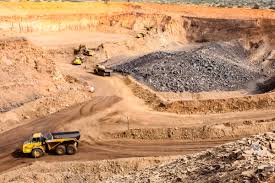


Unionized workers at BHP have confirmed what is being described as the most significant strike action at the company’s Port Hedland iron ore export operations in decades, marking a major escalation in a long-running labor dispute. Key developments Around 160–200 unionized port and maintenance workers are scheduled to stop work for eight hours on July 16 after negotiations over a new four-year enterprise agreement broke down. The workers are represented by the Combined Ports Unions, including the Australian Manufacturing Workers’ Union (AMWU) and the Electrical Trades Union (ETU). The dispute centers on: Higher wages and improved employment conditions. Pay parity, with unions arguing some employees performing similar jobs are paid significantly less than others on different contracts. Why Port Hedland matters Port Hedland is the world’s largest bulk export port and the primary gateway for BHP’s iron ore shipments from the Pilbara region. Any disruption has the potential to affect global iron ore supply chains, although the actual impact will depend on how effectively BHP’s contingency plans perform. BHP’s response BHP says it remains committed to reaching an agreement through negotiations and has contingency measures in place to maintain safe and reliable operations during any protected industrial action. Potential market implications For investors and the mining industry, the strike could have several consequences if disruptions extend beyond the planned stoppage: Temporary reductions in iron ore export volumes. Higher labor cost pressures if wage concessions are agreed. Potential short-term volatility in iron ore prices if exports are materially affected. Increased focus on labor relations across Australia’s mining sector following recent industrial relations reforms. While the planned action is currently limited to an eight-hour strike, it is being closely watched because it represents the first major industrial action at BHP’s Port Hedland operations in decades and could set the tone for future labor negotiations across Australia’s mining industry.