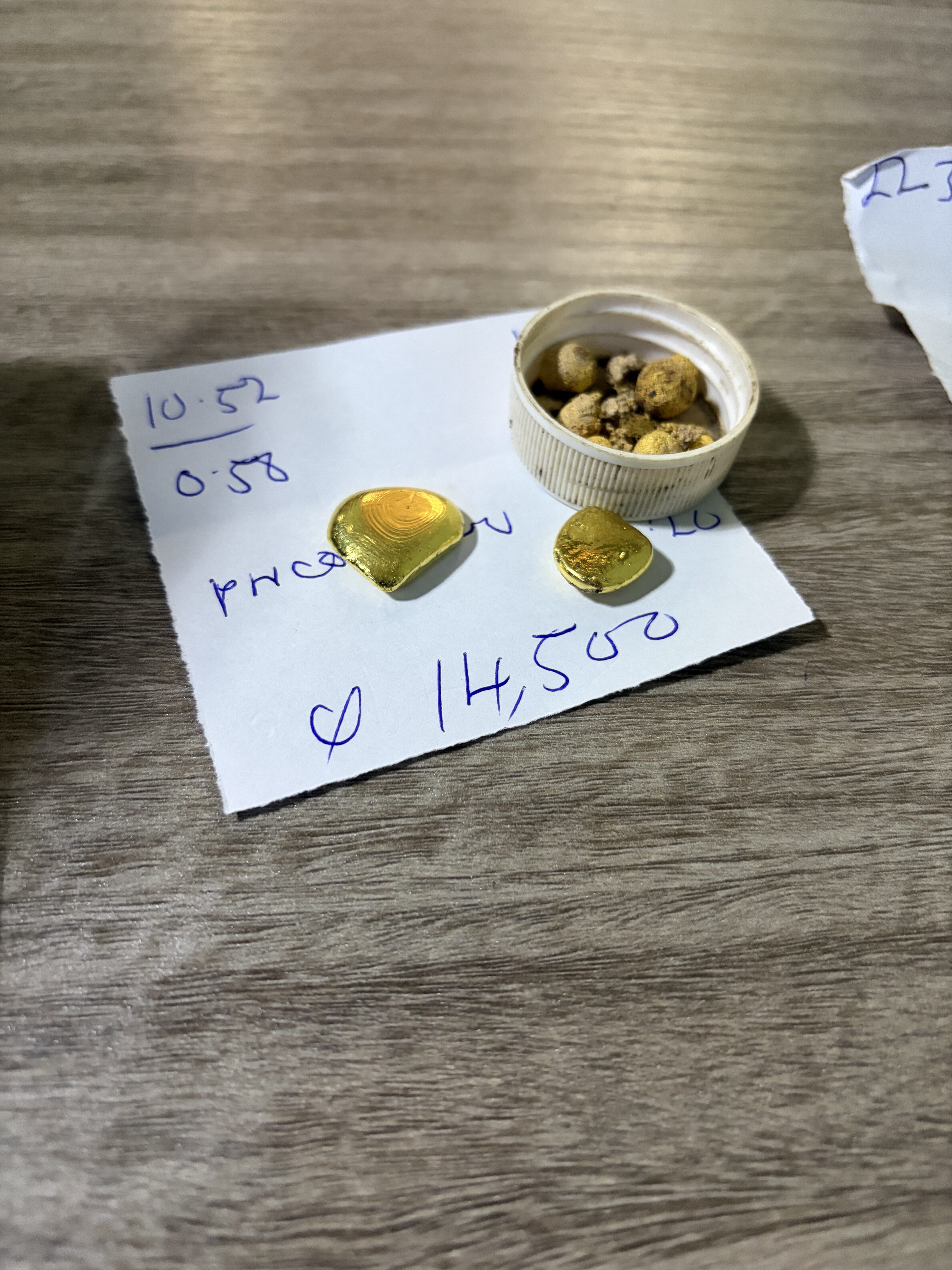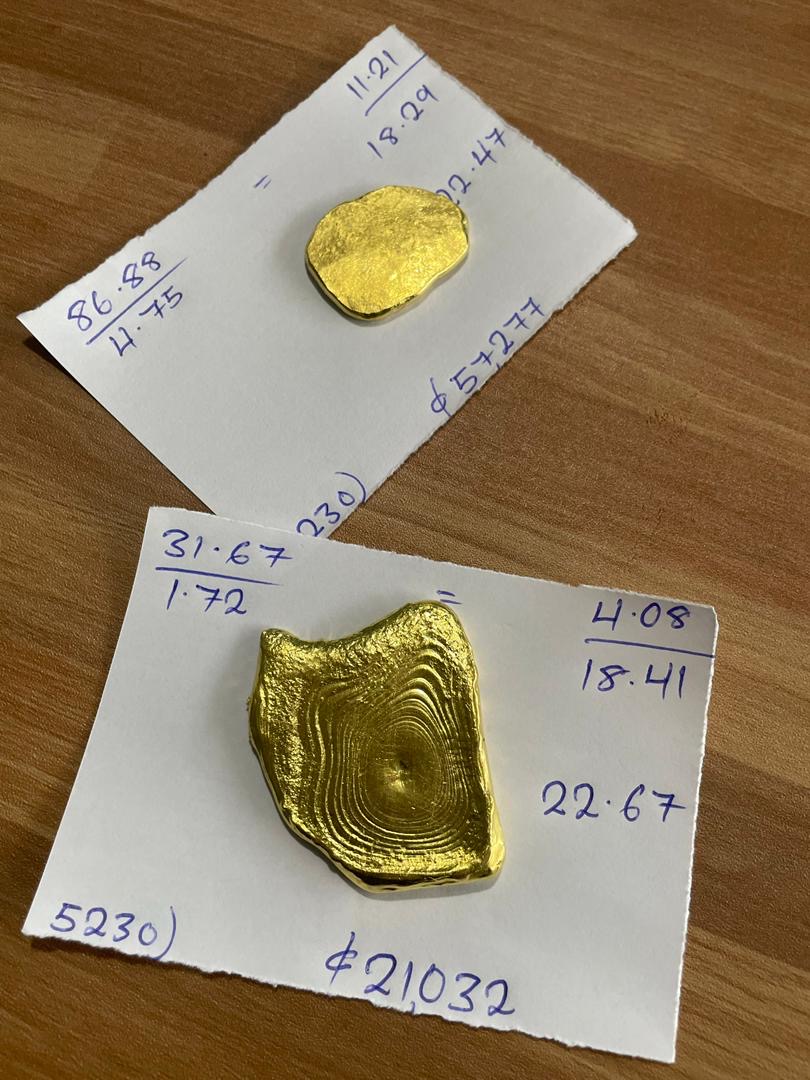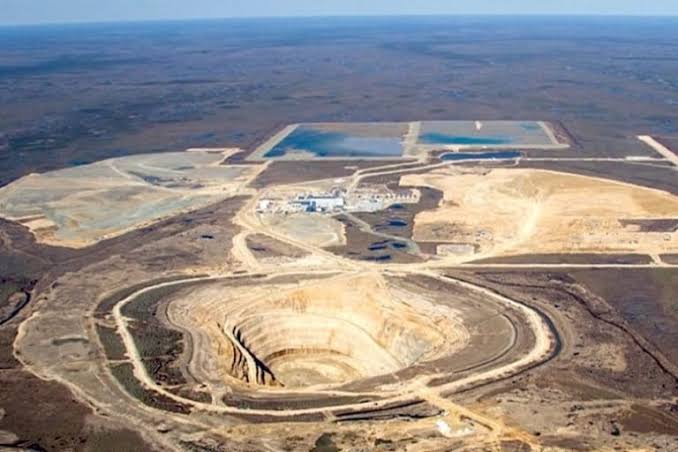

Everything was going so nicely. Actually, it goes too smoothly. After ending 2025 at $4,339 per ounce, gold went on a spree in January, rising from $5,000 to an intraday high of $5,500 in just three days. Then, by the end of February, the United States had attacked Iran, the oil price had skyrocketed, and there were predictions of an inflationary tsunami.
The US Federal Reserve now has an interest rate hawk in new governor Kevin Warsh, speculative investors have made incredible returns in chipmakers, SpaceX’s IPO drew in billions, and gold has returned to below $4,000 per ounce. What are the prospects for the coming months? Currency, Miningmx’s sister publication, spoke with Juan Carlos Artigas, Americas CEO and worldwide head of research at the World Gold Council, about his perspective.
Is this the right price after such a crazy start to the year?
Well, I believe the gold price in January reflected market expectations. You have to remember that at the time, not only had geopolitical risk escalated dramatically – there was the US intervention into Venezuela – but there was also persistent rhetoric from the US administration towards the Federal Reserve [the “debasement trade”], which was making a lot of noise. And you required a lot of fundamentals to maintain that level. So where are we now? The gold price is very closely correlated with macroeconomic consensus predictions.

You stated that moderate growth, cooling but still high inflation, and expectations of further – but limited – central bank tightening would maintain the gold price range-bound within around 5% of where it is today, “but the stage is set for a possible breakout”. What would be the catalyst?
We have seen that conditions can shift swiftly.
A few factors can drive up gold prices: the first is deteriorating economic conditions, followed by geopolitical risk. We don’t know what will happen next, but the uncertainty keeps investors looking for hedges, and gold can be one of those assets. Finally, interest rates are expected to rise, but if this trend reverses and interest rates fall, gold prices will rise.
You also state that, at a high level, risk and uncertainty are among the four key drivers of the gold price, but has this conventional element not broken down? During the Iran conflict, gold performed nearly like an anti-hedge.
I don’t think we should single out gold; I believe many markets performed in ways that investors did not expect. From our perspective, while dealing with US investors, [they] were considering the US-Iran confrontation as a fleeting shock and were focused far more on the potential expansion of AI, etc., indicating a “risk-on” attitude. Other Asian investors may not have perceived it the same way, which is why gold has held up relatively well. It is also true that the violence had an impact on an area that is a significant center for gold commerce, such as Dubai, both in terms of purchases and trading. However, we continue to feel that gold is a highly effective and reliable risk hedge.
Who are the major gold buyers and sellers right now?
Asian investors have been a significant source of demand – and not just in 2026; this has been true for some time, but it is especially noticeable in 2026 due to the divergence in the trend at the start of the year. We’ve seen long-term gold investors enter the market to capitalize on the fall. The gold market has fallen several times near $4,000, yet it frequently recovers from that position, indicating that there is genuine demand.
Do you know how much of the increase to $5,500 was caused by speculators?
Our calculations show that momentum caused around 24% of the variability in the gold price during the first half of the year. A lot of stuff, I believe, has been flushed out of the market, and gold volatility is now substantially reduced, indicating that the market is more about natural buyers.
I assume it’s jewelry makers and central banks…
Over the last several months, there have been frequent claims that central banks had resumed purchases. There is more than one type of investor. And as prices fall, customers benefit, whether from jewelers or chip manufacturers.
Bloomberg Intelligence believes that a “modest” fall in US stocks might propel gold to $3,400 per ounce; do you agree?
In general, there is a very low correlation between stocks and gold; looking at the stock market does not necessarily tell you anything immediately about the gold market; only when things move significantly do you find a relationship. But this is quite intriguing since gold has a negative correlation with the stock market when it pulls heavily, but a positive correlation when the stock market climbs extremely high. So, again, I believe we need to understand the fundamental factors rather than the effect. What I can also tell you is that historically, pullbacks in gold prices have averaged 30%-35%, and we are now 25% below the record high.