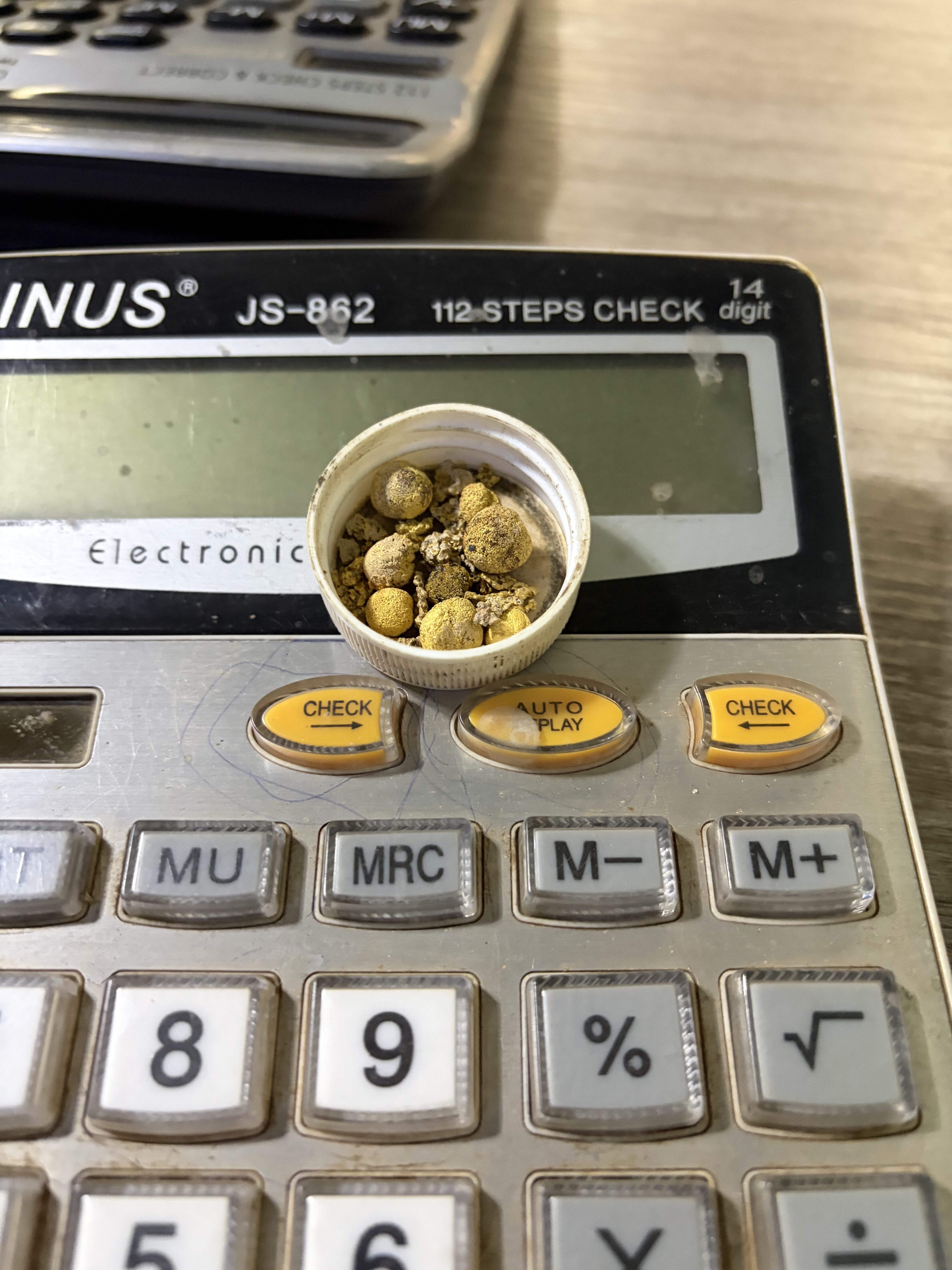

Yes. Urban mining can greatly reduce India’s reliance on imported key minerals, but it is unlikely to eradicate it all on its own. Instead, it is best understood as one component of a larger critical minerals strategy that includes local mining, international resource collaborations, and increased recycling infrastructure.
What is urban mining?
Urban mining involves recovering precious metals and minerals from discarded items, industrial trash, construction materials, and technological waste rather than extracting them from traditional mines.
Common sources include:
Electronic trash (smartphones, laptops and servers)
Electric vehicle batteries that have reached the end of their useful life
Solar panels
Wind turbine components
Construction and demolition trash.
Industrial scrap
These materials contain valuable key minerals, including:
Materials include lithium, cobalt, nickel, and copper.
Rare Earth Elements
Gold Silver
Why does India need urban mining?
India imports many of the important minerals needed for:
Electric cars.
Battery manufacture
Topics covered include renewable energy, electronics, defense equipment, and semiconductors.
Global supply chains are heavily concentrated. For example:
China dominates rare earth processing and the majority of the battery material supply chain.
Indonesia is a major nickel source.
Australia is a top lithium producer.
The Democratic Republic of the Congo supplies the majority of the world’s cobalt.
These concentrations subject India to geopolitical risks, export limitations, and price volatility.
How Urban Mining Can Help
- Reduces dependence on imports
Each tonne of metal recovered locally replaces some imported raw materials.
As India’s stock of electronics, EV batteries, and renewable energy equipment expands, so does the “above-ground mine” of recyclable materials.
- Improves supply security.
Unlike offshore mining, recycled resources are supplied in India, making them less susceptible to global disruptions.
- Supports India’s EV objectives.
Millions of EV batteries will ultimately run out of life.
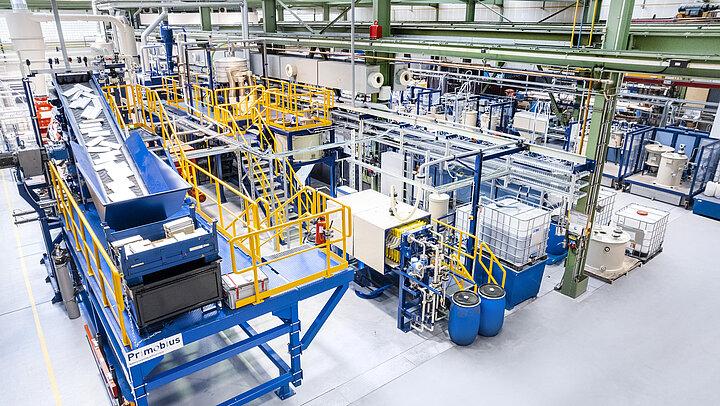
Recovering lithium, nickel, cobalt, and graphite from these batteries can result in a domestic secondary source of essential materials.
- Environmental Benefits
Urban mining in general:
It requires less energy than primary mining.
produces lesser greenhouse gas emissions.
Reduces landfill waste.
Reduces the demand for new mining ventures.
- Generates economic worth
Urban mining supports:
Recycling companies
Refining Businesses
Technology providers
Collection networks.
Skilled employment
It also helps to keep valuable resources within India’s manufacturing ecosystem.
Current challenges:
Urban mining cannot completely replace primary mining due to many constraints:
Challenge: Impact
Low collection rates.Much electronic garbage is not properly recycled.
Informal recycling involves unsafe procedures that only recover a portion of valuable materials.
Limited advanced refining.Some recovered materials still require international processing.
The demand for electric vehicles and renewable energy is outpacing that of recyclables.
Sophisticated methods are needed to recover battery-grade materials, increasing technology prices.
Government initiatives
India has started promoting a circular economy with strategies like:
Extended Producer Responsibility (EPR) applies to electronic trash and batteries.
The National Critical Minerals Mission seeks to increase domestic supply through discovery, recycling, and international collaboration.
Policies promote battery recycling and careful waste management.
These efforts aim to expand the supply of secondary essential minerals throughout time.
Investment opportunities.
Urban mining creates chances in numerous industries:
Electronic waste recycling.
Battery Recycling
Precious metal recovery
Metal refining: collection and logistics.
Recycling equipment manufacturing
Environmental technology
As battery volumes rise over the next decade, companies that specialize in lithium-ion battery recycling are projected to play an increasingly crucial role.
Outlook
Urban mining is unlikely to make India self-sufficient in vital minerals, particularly in the near future. However, it has the potential to significantly reduce import dependence by meeting an increasing share of domestic demand for metals recovered from end-of-life items.
A resilient strategy for India has four complimentary pillars:
Increased domestic critical mineral exploration and mining.
Overseas collaborations and investments to ensure mineral supply.
Urban mining and advanced recycling can help recover valuable resources from garbage.
Increased indigenous refining and processing capacity to advance along the essential minerals value chain.
Together, these approaches can increase supplier security, minimize susceptibility to global market disruptions, and help India achieve its long-term manufacturing and renewable energy ambitions.