
Grant Williams, a veteran investor, has spent decades researching financial markets, central banking, and precious metals. Rather than encouraging investors to chase short-term market changes, Williams believes that investing in gold and silver requires discipline, patience, and risk management. His concept is especially pertinent during times of economic instability, high debt levels, and chronic inflationary fears.
Gold is insurance, not a trade.
One of Williams’ main concepts is that gold should be considered as financial insurance rather than a speculative asset.
Unlike stocks and bonds, gold does not generate cash flow. Instead, it acts as a store of value during periods of
Currency debasement and inflation
Financial crisis
Banking instability
Geopolitical Uncertainty
According to Williams, investors frequently misinterpret gold because they use the same standards to evaluate equities.
Think long-term.
Williams regularly advises avoiding reacting emotionally to everyday price fluctuations.
Gold and silver can undergo tremendous volatility over weeks or months, but their strategic importance is measured in years, not days.
Disciplined investors:
Ignore the short-term market noise.
Focus on maintaining purchasing power.
Maintain constant allocation.
Rebalance periodically, rather than attempting to time the market.
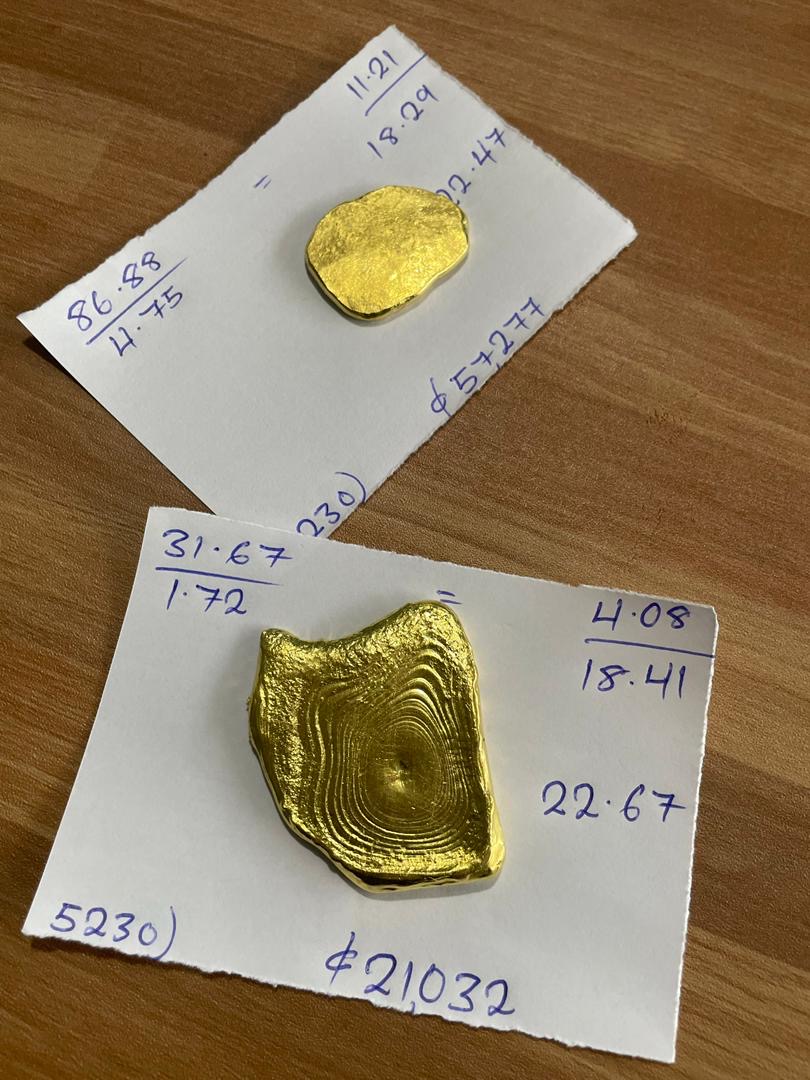
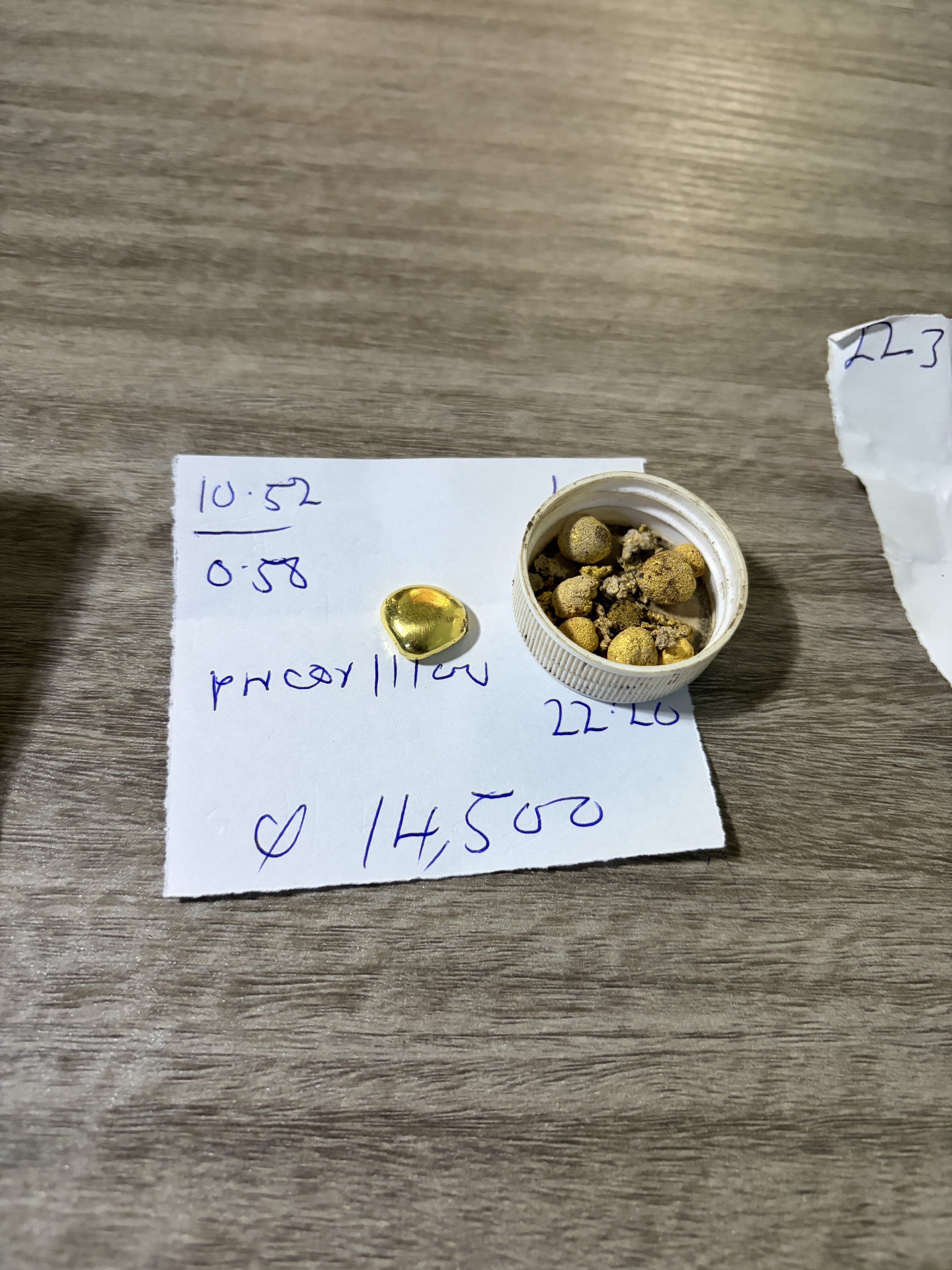
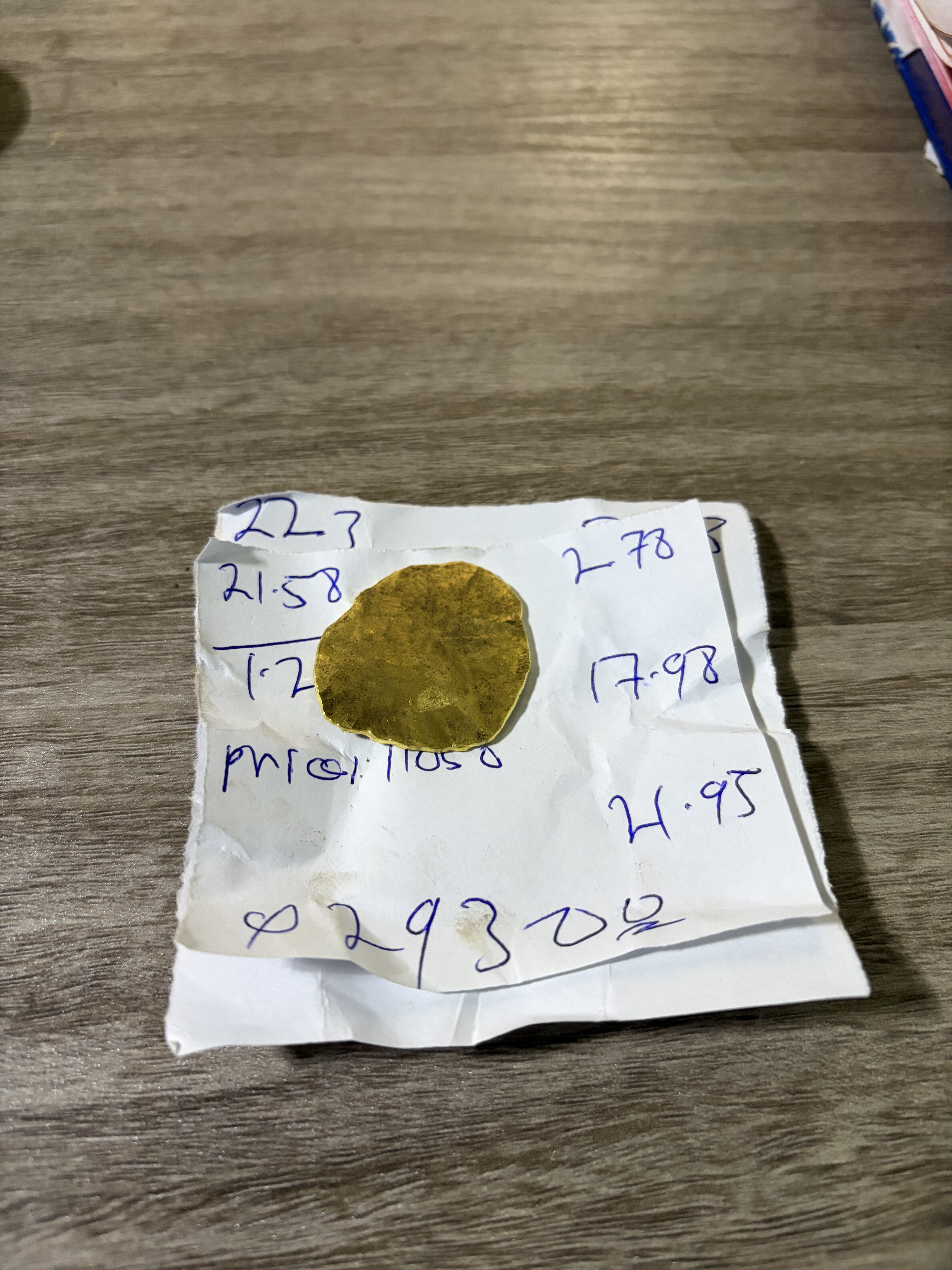
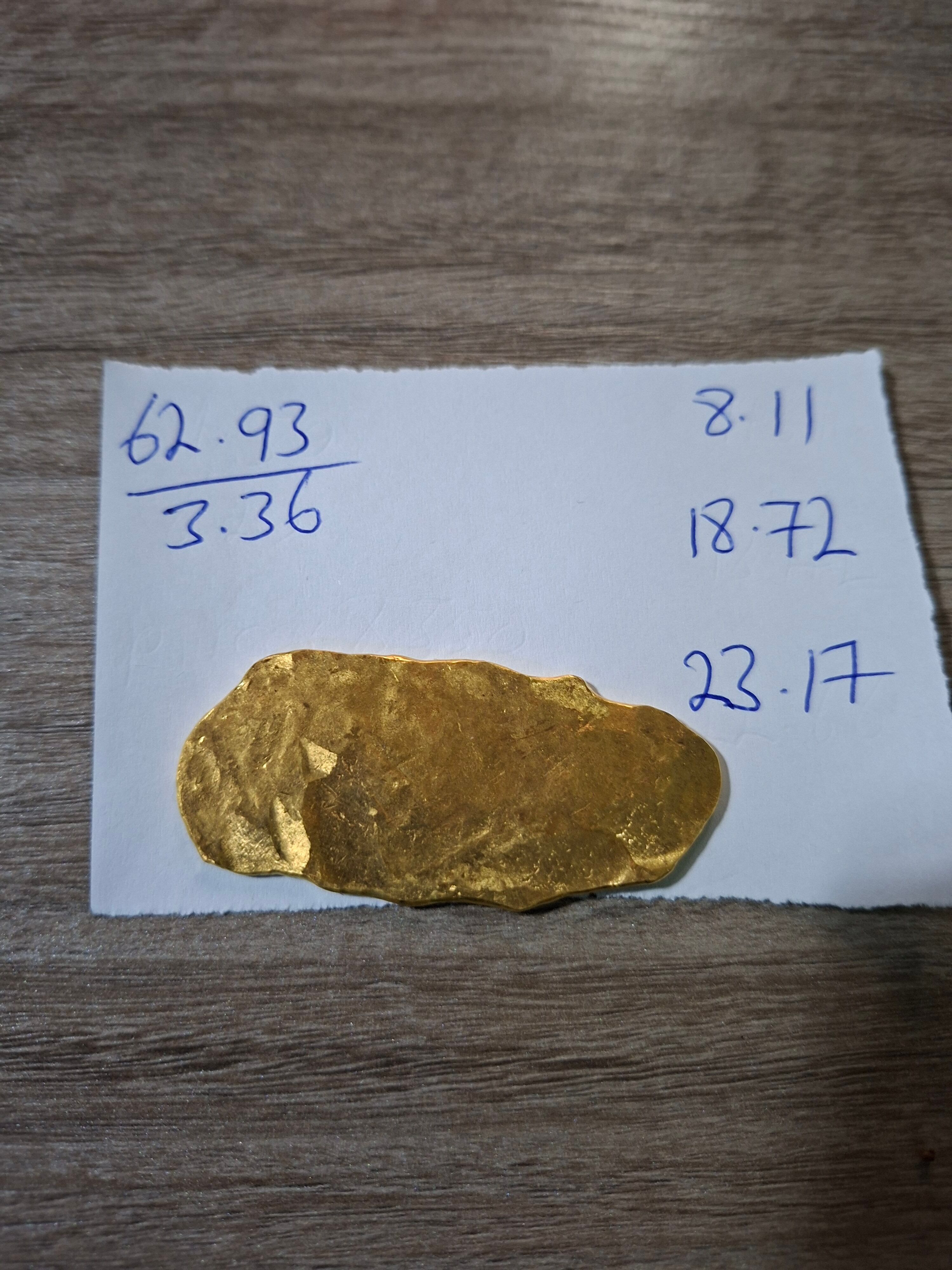
Own physical metal.
Williams has often emphasized the significance of keeping at least a portion of a precious metals allotment in physical form.
Physical ownership avoids many of the counterparty risks connected with financial products.
Common choices include:
Gold bullion bars.
Investment-grade coins
Silver bullion
Secure vaulted storage.
Exchange-traded funds (ETFs) can provide liquidity and convenience, but they do not serve the same purpose as directly owned bullion.



Diversify across precious metals.
Williams does not suggest investing their entire portfolio in gold.
Instead, precious metals should supplement other assets, such as:
Quality equities
Cash Bonds
Select commodities.
Real assets
Silver may bring more upside during precious-metals bull markets, but it has higher price volatility than gold.
Understand the monetary environment.
Williams’ analysis repeatedly emphasizes the impact of central bank policy on precious metals.
He closely observes:
Interest Rates
Government debt
Money supply growth
Inflationary trends
Currency Strength
When real interest rates are low or negative, gold has historically performed better in the long run, albeit previous performance does not guarantee future outcomes.
Avoid Emotional Investing.
Williams advises investors to create a plan before purchasing precious metals.
A disciplined plan involves:
Defining an investing objective.
Calculating a suitable portfolio allocation.
Buying in stages rather than in major, passionate purchases.
Rebalancing occurs when allocations deviate significantly.
Maintaining patience during instances of market instability.
Silver requires extra patience.
Williams sees silver as both a monetary and industrial metal.
Because of its industrial demand, silver prices can be more variable than gold, particularly during economic downturns.
Long-term investors should therefore expect higher price swings while remaining confident, if the original investment thesis remains valid.
Lessons for Investors
Grant Williams’ investment style can be characterized as follows:
Treat gold as a means of preserving wealth rather than speculating.
Maintain a long-term view.
Diversification is an effective risk management strategy.
Own physical bullion as necessary.
Avoid making emotional decisions.
Track macroeconomic and monetary trends.
Rebalancing on a regular basis helps to maintain conservative portfolio allocations.
Bottom line.
Grant Williams’ approach to gold and silver investing focuses on capital preservation rather than short-term gains. By using precious metals as strategic portfolio insurance, keeping a long-term perspective, and practicing disciplined risk management, investors can better navigate periods of economic uncertainty while avoiding the emotional traps that frequently follow volatile markets.