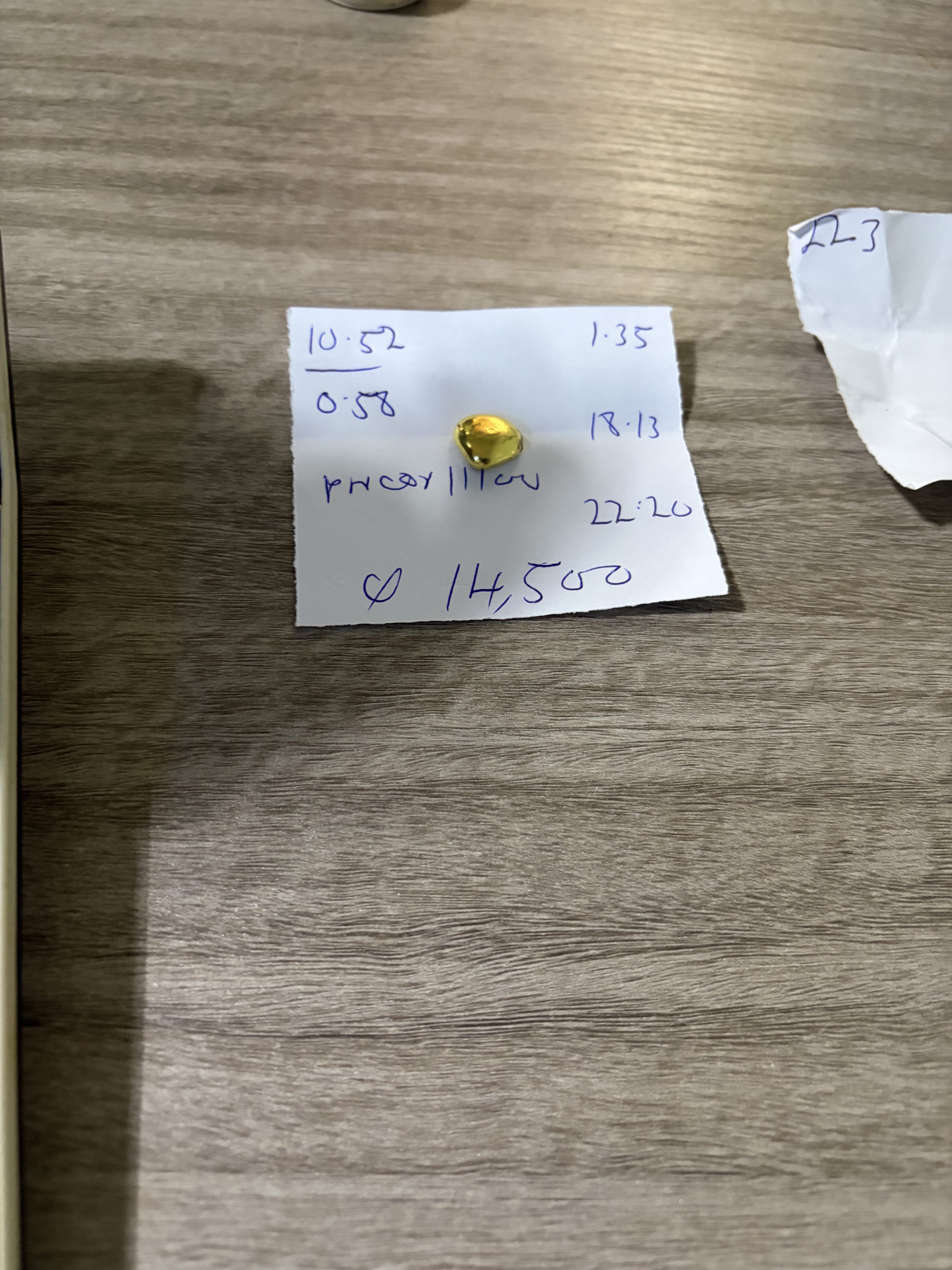

Gold has reemerged as one of the world’s most strategically significant financial assets. Following decades of globalization and trust in fiat currencies, central banks are increasingly viewing gold as a key component of monetary security. In 2026, an increasing number of governments will accelerate gold repatriation plans while reevaluating the role and value of their bullion holdings.
These innovations represent more than just portfolio diversification. They represent a structural shift in the global monetary system, prompted by geopolitical tensions, sanctions risk, persistent inflation, rising sovereign debt, and the gradual transition to a more multipolar financial order.
Understanding the monetary change is becoming increasingly crucial to investors, miners, and governments.
Why are central banks repatriating gold?
Gold repatriation is the process of transferring a country’s gold holdings from overseas vaults back to its domestic storage.
Historically, many governments kept their bullion in financial hubs like London or New York because they provided liquidity, security, and eased international trade.
Today, motivations have shifted.
- Geopolitical risk
International sanctions and geopolitical crises have raised the likelihood that abroad assets will become unreachable during diplomatic disagreements.
Holding gold domestically gives governments complete control over one of their most crucial reserve assets.
- Financial independence.
Countries want more autonomy from the existing dollar-based financial system.
Physical gold stored within national borders cannot be frozen electronically and carries no counterparty risk.
- Public Confidence
Bringing national gold home has important political implications. It demonstrates financial strength and convinces citizens that strategic national assets are still under domestic control.
The Growing Trend
Several central banks have completed or expanded repatriation operations over the last decade.
Countries such as Germany, Hungary, Poland, Serbia, the Netherlands, Turkey, and others have boosted domestic gold storage while also boosting government gold reserves.
Many emerging-market central banks are also buying domestically produced gold directly from domestic miners, reducing their reliance on international bullion markets and boosting their foreign exchange reserves.
Gold Revaluation: A Quiet Monetary Revolution.
While repatriation makes news, gold revaluation may have considerably more serious long-term effects.
Gold revaluation is the process of revising the accounting value of government gold reserves to reflect current market prices or actively incorporating them into national balance sheets.
Many governments continue to hold sections of their official gold at historical accounting values that are significantly different from current market prices.
Given that gold prices remain historically high, revaluing reserves can significantly boost central bank balance sheets.
The potential benefits include:
Higher reserve values. Improved sovereign balance sheets. Increased financial flexibility Higher market confidence Improved monetary credibility




Revaluation does not produce additional physical gold, but it does boost the reported worth of existing national assets.
Implications for the global monetary system.
The combination of repatriation and increased reserve valuations indicates that gold is gradually regaining monetary importance.
Several structural tendencies promote this transition.
Increasing sovereign debt levels. Persistent inflation concerns Increasing geopolitical fragmentation. Reduced faith in reserve currencies. Increased central bank gold purchases
Rather than replacing fiat currencies, gold is increasingly used as a strategic reserve to boost monetary stability.
What Does This Mean for Investors?
Central bank involvement is one of the most reliable markers of long-term confidence in gold.
Central banks, unlike speculative investors, often invest across multiple decades.
Investors should check numerous indicators:
Annual central bank gold purchases Gold repatriation announcements. Changes in reserve accounting policies Domestic gold purchasing programs International reserve diversification strategies
These events have the potential to influence long-term demand and boost gold prices.
Impact on Gold Mining
Higher official demand improves circumstances for the mining industry.
Mining businesses operating in politically stable areas could benefit from:
Increased institutional demand. Stronger long-term pricing environments. Improved project financing. Increased government interest in domestic production.
Countries with abundant natural resources, including some African states, may increasingly regard gold mining as a strategic national asset rather than merely an export commodity.
Risks to Watch
Despite positive long-term trends, numerous concerns persist:
Higher interest rates may lessen gold’s appeal. A rising US dollar may put pressure on bullion prices. Large-scale central bank sales may weigh on markets, but recent trends indicate that net purchases will continue. Changes in global monetary policy or increased geopolitical stability may dampen official demand.
Rather than relying on a single signal, investors should examine central bank activities in light of larger macroeconomic factors.
Looking ahead.
The trend toward gold repatriation and reserve revaluation reflects a larger shift in global finance. As economic power is dispersed more evenly and governments prioritize financial resilience, gold is reclaiming a larger position in national reserve policies.
It is unclear if this trend will lead to significant reforms of the international monetary system. However, the constant buildup, domestic storage, and evaluation of official gold reserves indicate that central banks are increasingly viewing bullion as a strategic asset for navigating a period of increased uncertainty.
Conclusion
The monetary landscape in 2026 is marked by a renewed emphasis on national sovereignty over reserve assets and a reconsideration of gold’s financial significance. Central bank gold repatriation and revaluation are not isolated events; they are part of a larger trend toward resilience, diversification, and monetary flexibility.
For investors, these trends support gold’s long-term importance as a strategic asset. Mining enterprises and resource-rich nations should take note of the expanding potential as official-sector demand continues to support the global gold market. As central banks rethink reserve management to reflect a changing world, gold is once again emerging as a key component of long-term monetary strategy.