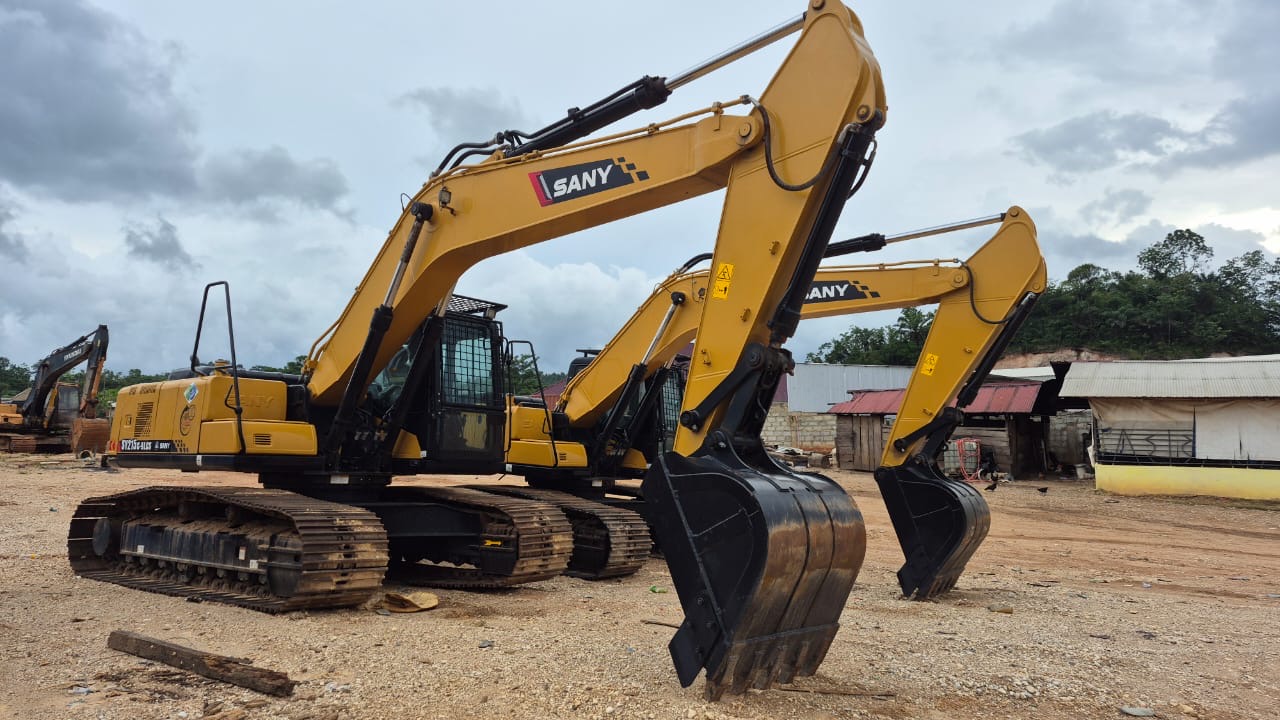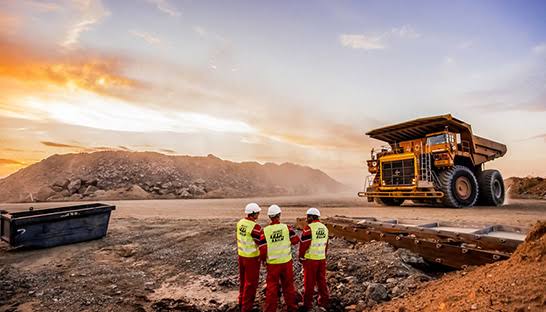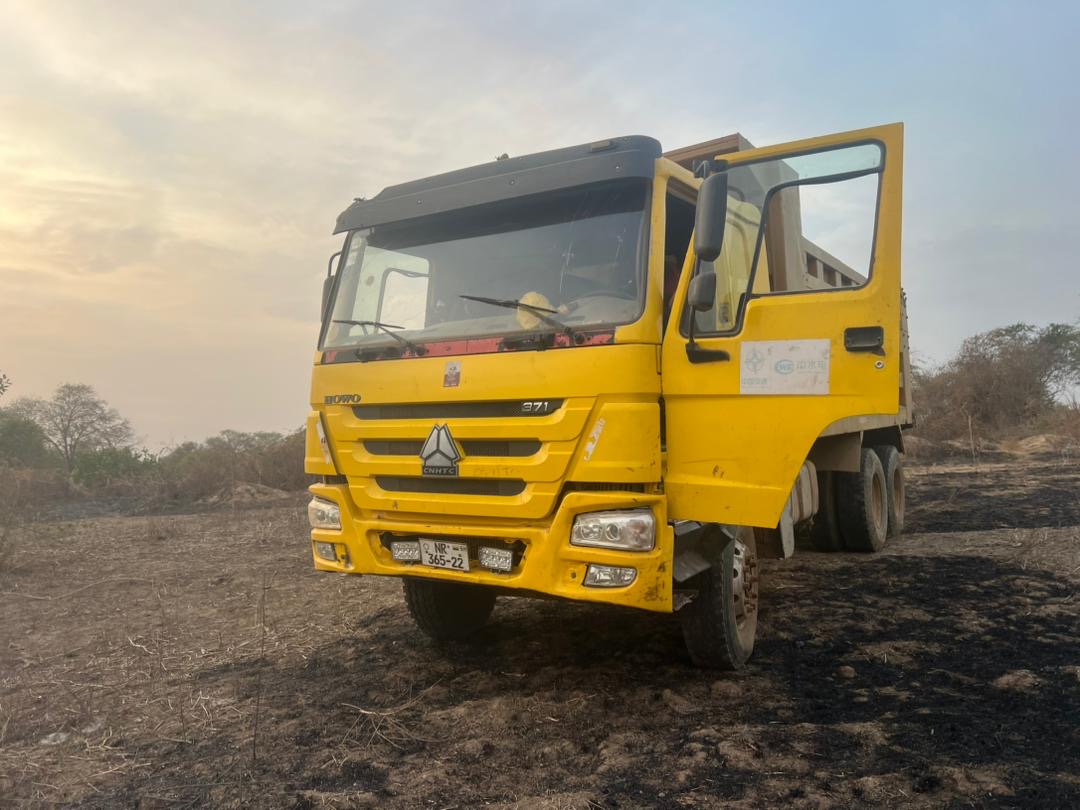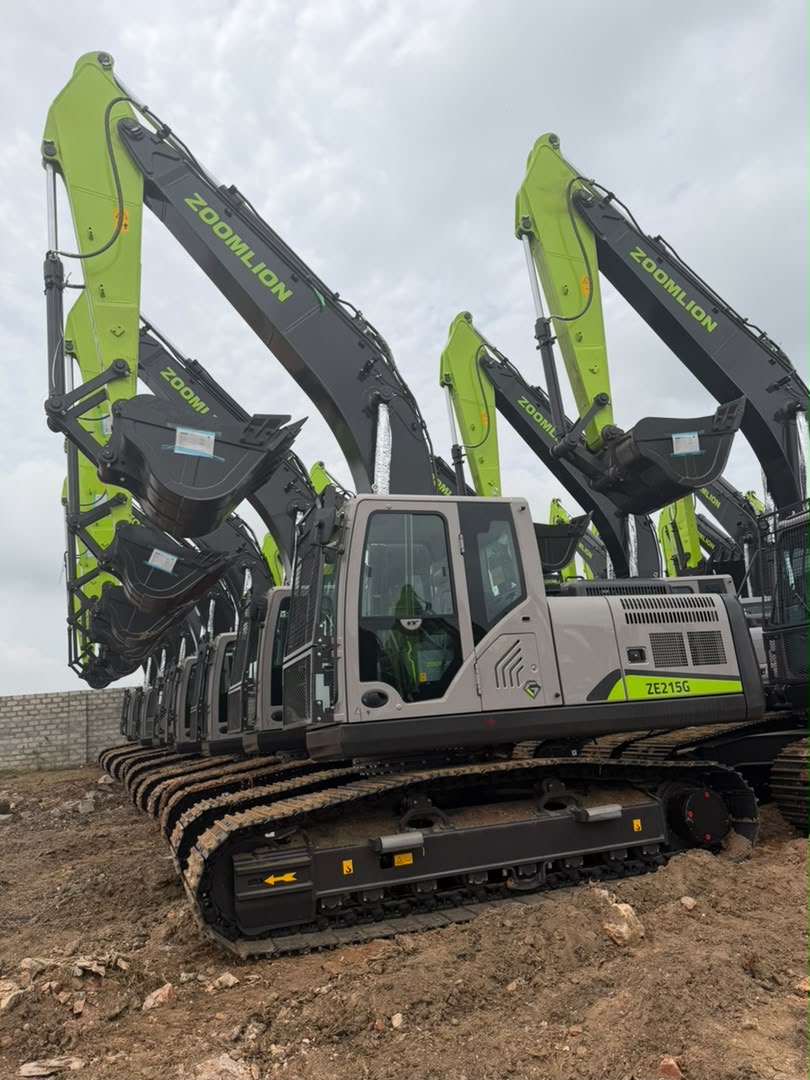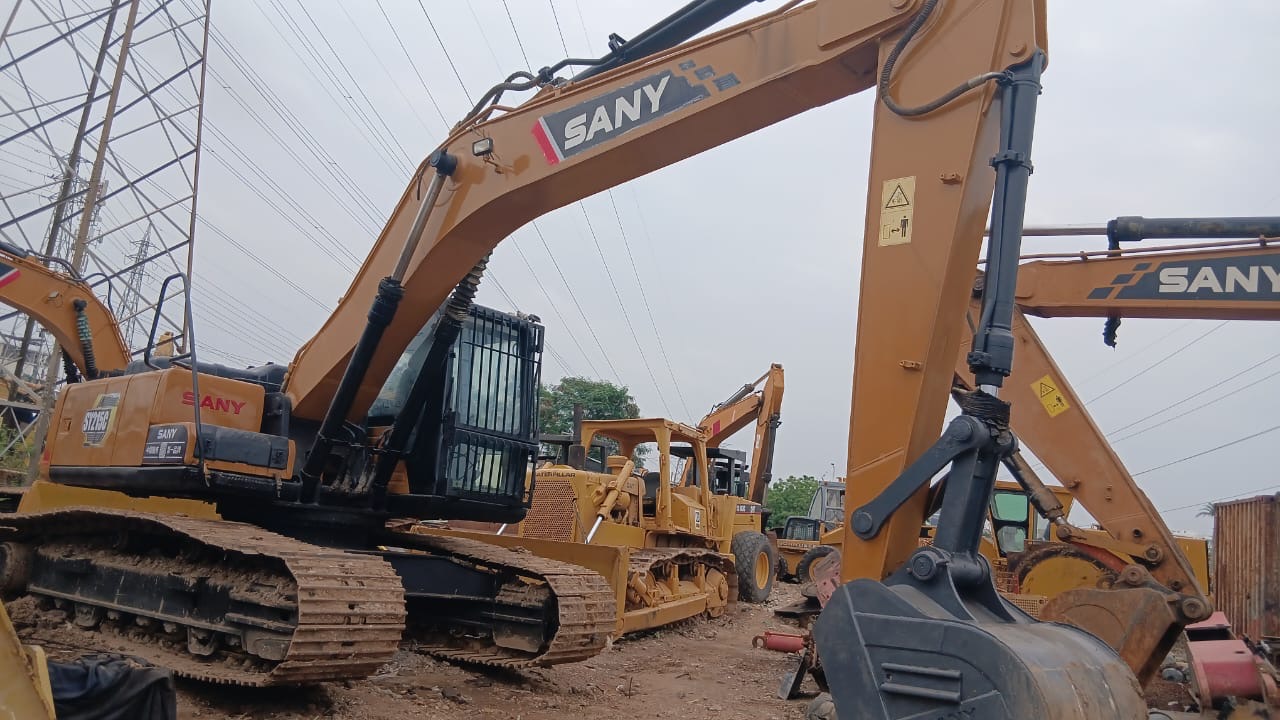

Investing in tipper trucks in Ghana can be profitable due to strong construction, mining, and infrastructure growth. However, it takes meticulous planning. Here’s a useful overview of the opportunity.
- Why Ghana? Construction and infrastructure boom – Road construction, real estate, and government affordable housing plans drive continuous demand for sand, gravel, and laterite haulage.
Ghana is Africa’s greatest gold producer; mines frequently outsource hauling of ore, waste rock, and aggregates.
Urbanisation – Growing cities such as Accra, Kumasi, and Takoradi require a steady supply of building materials.
- Typical Tipper Truck Options Truck Model: Common OptionsNew price (estimated)Used price (estimated) 20-25 m³ (6×4)Sinotruk Howo, Shacman, FAW: $45,000-$65,000; $25,000-$40,000. 30-40 m³ (8×4): Sinotruk Howo 380, Shacman F3000, Volvo FMX: $75,000-$100,000; $40,00-$70,000. Articulated Dump TrucksCaterpillar and Bell (mining): $200,000+ to $100,000+. Most local haulers prefer Chinese brands (Howo, Shacman) due to reduced upfront costs, quick parts availability, and simple mechanics.
- Revenue Models. Direct contracts with construction businesses or building material suppliers. Typical rates:
- Short-haul (10-20 km): GHS 300-500 per trip (about. $25-$40) for a load of 20 m³.
- Long-haul or mining contracts are paid every tonne-kilometre or cubic metre moved.
Government road projects are often awarded to politically linked companies, who subsequently subcontract haulage. Payment can be sluggish, but the volume is large.
Mining haulage: More formal contracts, higher entrance hurdles (safety, equipment standards), but more consistent payment cycles.
Aggregate supply business – Own a truck and a sand/gravel supplier, and sell material to contractors directly.
Estimates: A well-managed tipper truck that does 5-8 trips per day, 5-6 days a week, can earn GHS 7,000-15,000 per month ($600-$1,200) after fuel and driver costs, depending on contract and usage. The payback time is typically 2–4 years.
- Key Costs The largest operating expense is fuel. Diesel prices fluctuate; budget between GHS 14 and 16 per litre.
Driver – Monthly wage of GHS 1,500-2,500, including daily allowance (“chop money”).
Maintenance includes tyres, suspension, brake linings, and regular servicing. High dust levels and bad road conditions accelerate wear. Set aside 15-20% of your revenue for upkeep.
Insurance and registration – Comprehensive coverage for around 3-5% of the truck’s worth per year. DVLA registration and roadworthy certification.
Loading fees are often charged per trip at quarry/sand winning sites (GHS 50-150).
Police and regulatory “tips” include overloading fines, weighbridge checks, and budgeting for modest unanticipated payments.
- Practical challenges Payment delays – particularly from government contractors. Maintain adequate working capital.
Fuel price volatility – Ideally, contracts should include a language for fuel price adjustments.
Competition – A large number of small companies; pricing can be lowered in cities.
Road conditions – Bad roads cause more downtime and maintenance.
Theft and pilferage include fuel siphoning and faked trip counts; add GPS tracking, fuel sensors, and cameras.
Import duties – Fully built trucks attract substantial duties (used trucks may be age restricted). Confirm the current customs tariffs.
- Regulatory and Legal. Registration: Vehicles must be registered with the Driver and Vehicle Licensing Authority.
Roadworthiness – Periodic testing at DVLA-approved facilities.
permissions – If you own the extraction site, you must get environmental permissions before quarrying or sand mining.
Insurance must be third-party; comprehensive coverage is strongly advised.
Profits are subject to income tax, and if you over the threshold, you must pay VAT.
- Funding Options The most popular type of acquisition is outright, which involves cash from savings or transfers.
Bank loans – Some local banks (e.g., Ecobank, Stanbic) provide asset financing, although the interest rates are high (20-30% per year) and need significant collateral.
Hire-purchase / leasing: Some Chinese truck dealers or local brokers provide in-house financing.
Partnerships – Combine resources with trusted individuals; clearly specify profit sharing and maintenance responsibilities.
- Recommendations Before You Start Secure a stable contract first – do not purchase a truck and then hunt for work. Approach construction companies, quarry owners, and mining subcontractors.
Choose the right truck: If you’re new, a 20-25 m³ Howo or Shacman (3-5 years old) strikes a compromise between cost and reliability. Ensure that parts are available in your location.
To prevent losses, install telematics, which includes GPS tracking, fuel monitoring, and trip logs.
Hire an experienced driver with a current license (Class D or higher) and verifiable references. Consider the trial time.
Create a maintenance fund – Set aside at least three months’ operational expenditures before anticipating a profit.
Understand the environment – Visit truck parks and speak with owners about realistic income, downtime, and hidden costs.
Legal structure: Register a business name and open a separate bank account. Maintain precise recordkeeping.
- Is it worth it? Yes, if you.
Have a firm contract in hand.
Manage fuel and maintenance strictly.
Be patient with payment cycles.
Are you ready for a hands-on, trust-based relationship with a skilled driver?
It is a capital-intensive, moderate-risk venture with generally predictable profits when properly managed. Many owners gradually expand fleets over a five to ten-year period.