
China remains one of the world’s most important construction-equipment markets, but the growth story is changing. Residential real estate is relatively weak, while infrastructure, renewable energy, equipment replacement, electrification, automation and exports are becoming the main sources of demand.
Market size and forecast
A recent Mordor Intelligence estimate puts the broader China construction equipment market at:
| Year | Market size |
|---|---|
| 2025 | US$56.18 billion |
| 2026 | US$59.62 billion |
| 2031 | US$80.24 billion |
| 2026–31 CAGR | 6.12% |
This implies an increase of roughly US$20.6 billion between 2026 and 2031.
Important: Market reports use different definitions of “heavy construction equipment.” For example, MarketsandMarkets reports a much larger figure of US$240.95 billion in 2026, rising to US$354.73 billion in 2031 at 5.7% CAGR. This is therefore not directly comparable with the narrower Mordor market definition.
Key equipment segments
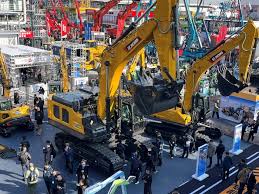
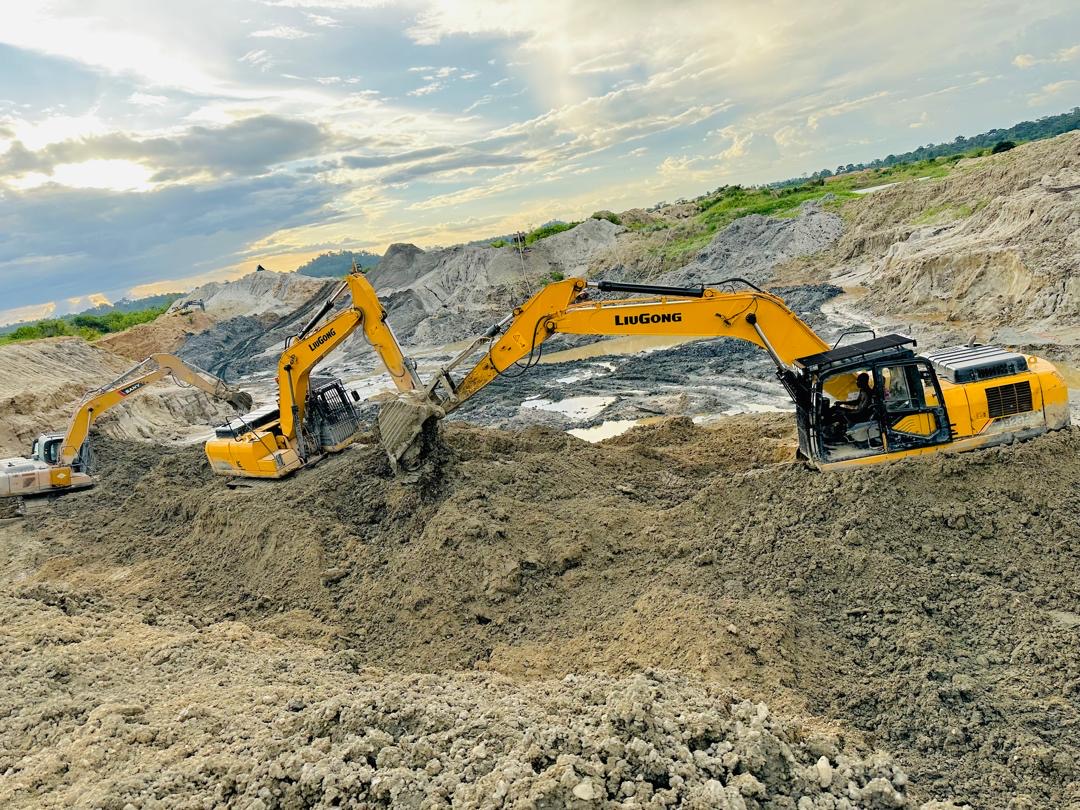
1. Excavators — the largest segment
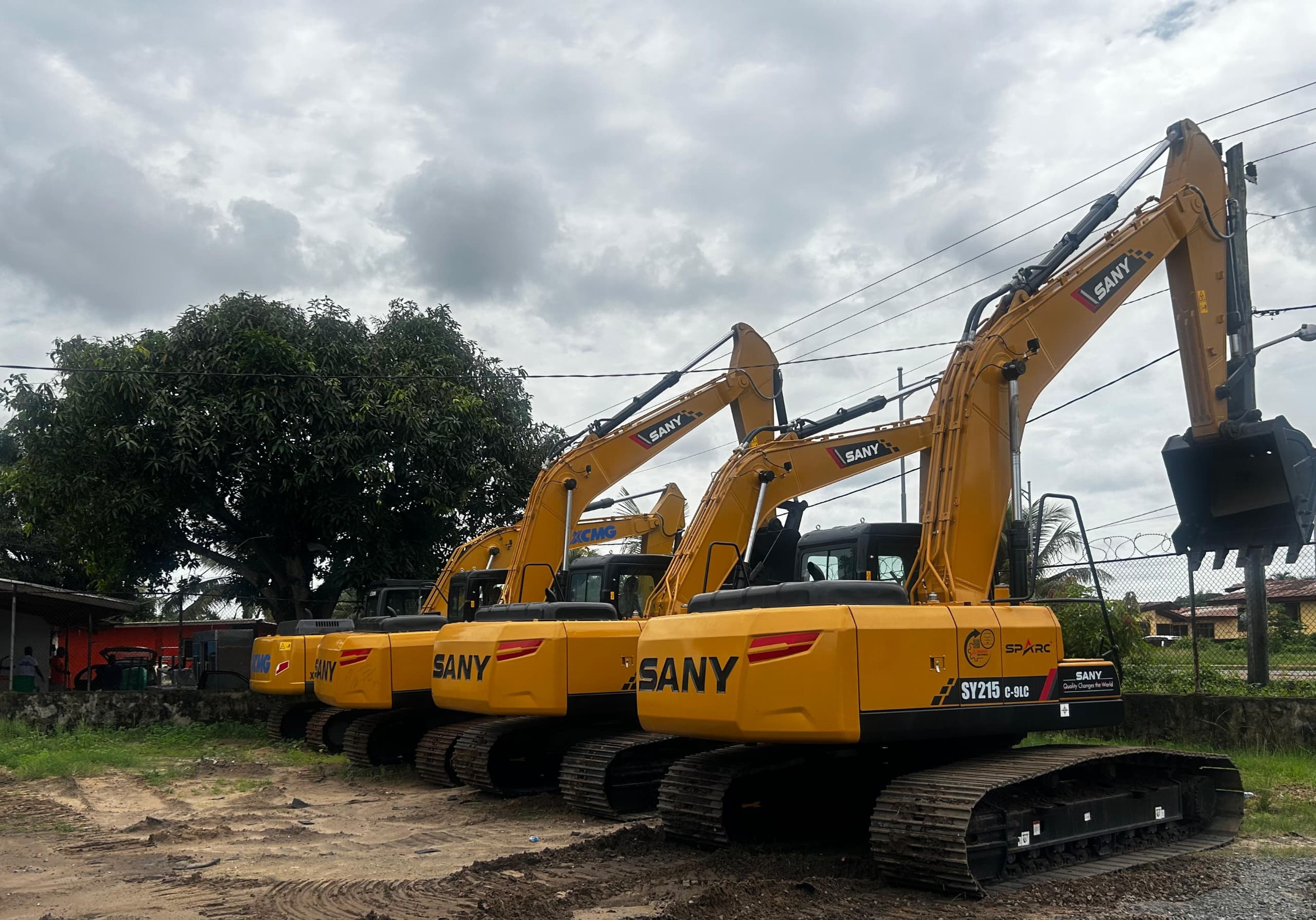
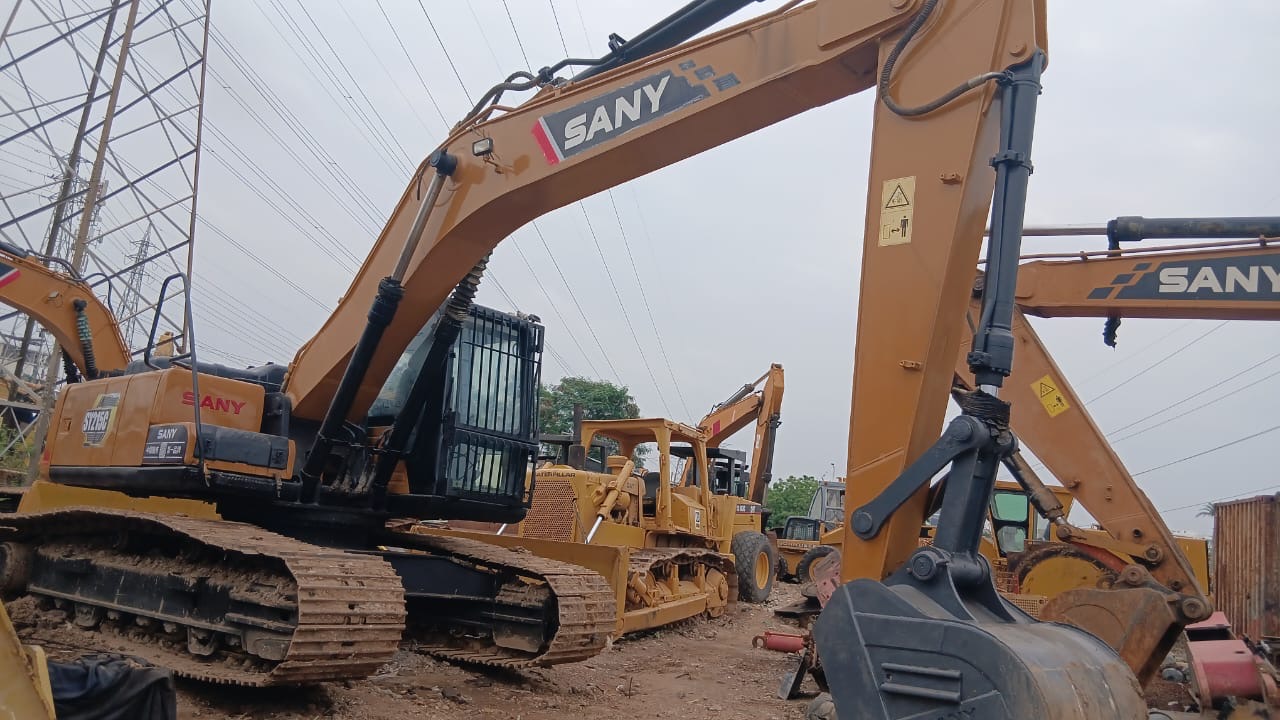
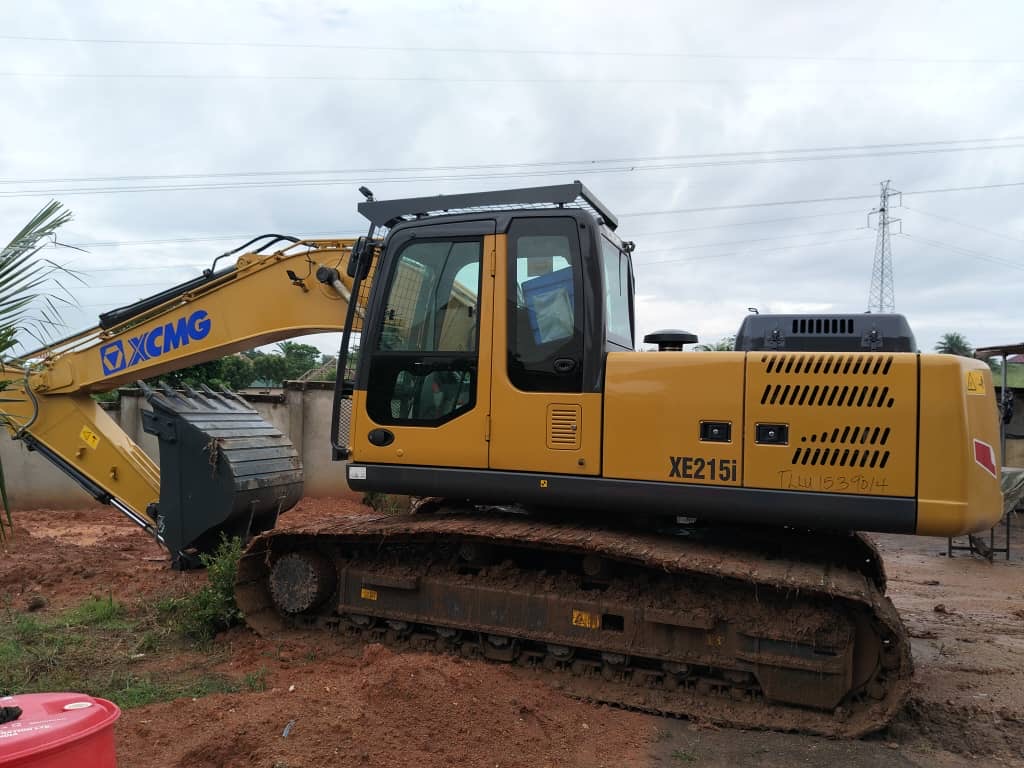
Excavators represented approximately 55.28% of China’s construction-equipment market in 2025, making them the dominant machine category. Electric excavators are expected to be one of the fastest-growing subsegments through 2031.
The underlying equipment cycle is already showing strong momentum. China sold 235,257 excavators in 2025, up 17% year over year. Exports accounted for 116,739 units, or almost half of total sales.
2. Wheel loaders
China sold 128,067 loaders in 2025, an 18.4% increase. Exports represented 61,737 units, highlighting the growing importance of international markets for Chinese manufacturers.
3. Cranes and lifting equipment
Demand is increasingly linked to infrastructure, renewable-energy installations, industrial projects and large-scale transportation construction. Offshore wind and other energy projects are creating opportunities for higher-capacity lifting equipment.


4. Bulldozers, graders and road equipment
These benefit primarily from highway, railway, urban-transit and other infrastructure projects, as well as replacement of older fleets.
Major growth drivers, 2026–2031
Infrastructure investment
Government-backed infrastructure spending is expected to remain a major demand engine, particularly railways, highways, urban transit and energy infrastructure. China’s construction-equipment market is increasingly shifting from property-led demand toward policy-supported infrastructure.
Export expansion
Exports are becoming critical for Chinese OEMs. The 2025 excavator figures show this clearly: exports grew 16.1% while domestic excavator sales increased 17.9%.
Chinese manufacturers are increasingly competing in Southeast Asia, Africa, Latin America, the Middle East and other emerging markets on price, financing, product range and increasingly technology.
Electrification
Electrification could become one of the industry’s most important structural trends. Mordor estimates full-electric construction equipment could grow at a 37.85% CAGR through 2031, although from a relatively small base.
This creates opportunities in:
- Electric excavators
- Electric loaders
- Electric aerial work platforms
- Battery systems
- Charging infrastructure
- Electric powertrains
- Fleet-management software
Automation and smart construction
Chinese OEMs are investing heavily in telematics, machine-control systems, autonomous operation, predictive maintenance and AI-assisted construction. Rising labor costs and the need for higher equipment utilization should accelerate adoption.
Competitive landscape
China has a particularly strong domestic OEM ecosystem. Important players include:
- Sany
- XCMG
- Zoomlion
- LiuGong
- Shantui
- Sunward
- Lonking
The competitive advantage of Chinese manufacturers is increasingly shifting from simply low-cost machinery toward a combination of scale + technology + financing + exports + after-sales networks.
Recent industry data illustrates the international orientation: in 2025, Sany generated roughly 64% of revenue overseas, while Zoomlion generated about 59% overseas, according to an industry research report.
Biggest opportunities for investors and businesses
For 2026–2031, I would rank the opportunities roughly as follows:
| Opportunity | Outlook |
|---|---|
| Excavator sales & rental | ★★★★★ |
| Equipment exports | ★★★★★ |
| Electric construction equipment | ★★★★★ |
| Equipment parts & components | ★★★★☆ |
| Fleet tracking/telematics | ★★★★☆ |
| Used-equipment trading | ★★★★☆ |
| Equipment rental platforms | ★★★★☆ |
| Cranes & lifting equipment | ★★★★☆ |
| Road construction equipment | ★★★★☆ |
| Traditional residential-construction equipment | ★★☆☆☆ |
Risks
The main risks are China’s property-sector weakness, excess equipment capacity, price competition, tariffs/trade restrictions, slower domestic construction growth and intense competition among Chinese OEMs. The industry research also points to semiconductor supply constraints and the continuing property downturn as factors that could restrain growth.
Bottom line
China’s heavy construction equipment market is likely to remain a growth market through 2031, but it is becoming less dependent on Chinese real estate. The strongest themes are likely to be infrastructure + exports + electrification + automation + equipment replacement.
For a business looking to enter this market, the most attractive opportunities may be equipment rental, spare parts, used-machine exports, electric machinery, attachments and fleet-management technology, rather than competing head-to-head with China’s major OEMs.